
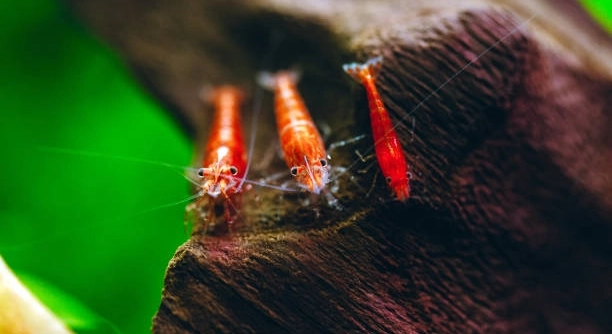
Setting up a shrimp tank can be exciting, yet it often feels like something is missing. Small changes can make the tank feel more natural and comfortable for the shrimp, creating a healthier environment for their daily activities.
Adding natural elements like plants, substrate, driftwood, rocks, and moss can significantly improve a shrimp tank. These additions provide hiding spots, surfaces for biofilm growth, and mimic their natural habitat, promoting healthier behavior, better growth, and overall well-being.
Even small adjustments can create a more vibrant and balanced tank, encouraging shrimp to thrive and interact naturally within their environment.
Live Plants
Live plants are one of the easiest ways to make a shrimp tank feel natural. They provide shelter for shy shrimp and surfaces for algae and biofilm to grow, which shrimp love to graze on. Plants like Java moss, Anubias, and Java fern are low maintenance and thrive in a variety of water conditions. They also help improve water quality by absorbing nitrates and offering oxygen. Including floating plants adds shade and reduces stress for the shrimp, making them feel more secure. Over time, plants create a layered environment that mimics a natural riverbed or pond. Shrimp can hide during molting or explore new areas safely. The roots and leaves also host beneficial bacteria, improving the overall ecosystem in the tank. Balancing the types of plants with open swimming areas ensures shrimp have space to move while still feeling protected. Careful trimming and occasional planting adjustments keep the tank healthy and attractive.
Live plants give shrimp security and grazing areas while enhancing water quality and overall tank health.
Using a mix of tall and short plants creates a dynamic environment. Tall plants along the back or corners provide hiding spots, while low-lying plants cover the substrate. Over time, plants fill in gaps and give shrimp places to explore. Mosses and ferns offer surfaces for biofilm, a natural food source. Floating plants reduce light intensity, which calms shrimp and prevents algae overgrowth. Proper planting techniques, like anchoring roots or tying moss to driftwood, help them establish quickly. Pruning and removing decaying leaves prevents water quality issues. By choosing hardy, low-maintenance species, you can maintain a natural-looking tank without constant intervention. Plants also support beneficial microorganisms that improve shrimp health. Combining plants with other natural elements, like rocks and wood, completes the environment. Observing shrimp interact with their surroundings shows how important plants are for reducing stress and encouraging natural behavior. Thoughtful arrangement and care make a thriving, balanced tank.
Driftwood
Driftwood adds a natural feel to the tank and creates places for shrimp to explore and hide.
Driftwood releases tannins into the water, slightly lowering pH and softening it, which many shrimp species prefer. It also supports biofilm and fungi that shrimp feed on. Placing it strategically creates caves and crevices for molting or resting. Some types, like Malaysian or Mopani wood, sink naturally, while others may need soaking before use. Over time, driftwood darkens the water, giving the tank a more natural river-like appearance. Pairing it with mosses or plants can enhance its visual appeal and functionality. Driftwood should be cleaned and soaked to remove debris or contaminants. Its rough surfaces become ideal grazing areas and improve shrimp activity. Choosing wood that complements the tank size prevents overcrowding while maximizing hiding spots. Maintaining driftwood involves monitoring water color and gently scrubbing surfaces if algae build up excessively. Integrating driftwood with plants and stones creates a balanced, natural habitat that encourages shrimp to explore, feed, and behave naturally.
Substrate Choices
Choosing the right substrate is essential for shrimp health. Fine gravel or sand allows them to forage naturally. Darker substrates often make shrimp colors stand out and provide a more natural look, while nutrient-rich soils help live plants thrive and improve overall water quality.
A good substrate supports beneficial bacteria growth, which helps break down waste and maintain water stability. Shrimp constantly interact with the bottom layer, searching for food and grazing on biofilm. Using sand or fine gravel prevents injury to delicate shrimp legs and antennae. Layering substrates with plant-friendly soils beneath decorative gravel can combine aesthetics with functionality. Regular rinsing before adding it prevents cloudiness. The substrate also anchors plants and creates microhabitats, allowing shrimp to feel safe while exploring. Over time, it develops natural textures that enhance the tank’s overall appearance. A properly chosen substrate reduces stress and encourages natural behavior, making shrimp more active and colorful.
Mixing substrates can create depth and texture. Combining fine sand in the foreground with nutrient-rich soil under plants offers visual appeal and functional benefits. Layered substrates support plant roots while allowing shrimp to forage without disturbance. Certain substrates can buffer pH, helping maintain stable water conditions preferred by most freshwater shrimp. Including pebbles or small stones adds hiding spots and variation. Avoid sharp-edged gravel that can harm delicate shrimp appendages. Over time, substrates accumulate biofilm and microorganisms, providing a natural food source. This combination of textures and nutrients promotes a healthier ecosystem. Adjusting substrate layout gradually helps shrimp adapt while enhancing the tank’s overall aesthetic and functionality.
Rocks and Stones
Rocks create hiding spots and resting areas for shrimp, adding natural structure to the tank. Smooth stones prevent injuries and mimic riverbeds or lake bottoms, supporting natural behavior.
Placing rocks strategically forms caves, tunnels, and crevices that shrimp use for molting and resting. Porous stones also host biofilm, which serves as a constant food source. Mixing sizes creates depth and visual interest while ensuring shrimp can navigate safely. Avoid sharp or rough rocks that might cut delicate legs or antennae. Certain types, like slate or lava rock, do not alter water chemistry significantly, making them safe for most shrimp species. Rocks combined with driftwood or moss can create visually appealing arrangements that benefit both aesthetics and shrimp well-being. Over time, rocks collect microfauna and biofilm, enriching the tank’s ecosystem and providing more foraging opportunities. Thoughtful placement ensures adequate swimming space while maintaining natural hiding zones.
Using rocks alongside other natural elements enhances tank stability and shrimp activity. Stones anchor plants and moss, preventing them from floating freely. They also support territorial behavior in some species, giving shrimp defined areas to explore. Layering smaller rocks around larger formations softens the look and prevents overcrowding. Some rocks can slightly modify pH or hardness, which can benefit certain shrimp species when chosen carefully. Arranging rocks in uneven patterns mimics natural streams or ponds. Regular cleaning removes excess algae without disturbing the setup. Observing shrimp interact with these formations shows how important texture and structure are in encouraging natural, healthy behavior. Combining rocks with plants and driftwood creates a balanced, functional, and visually pleasing tank.
Mosses and Floating Plants
Mosses provide excellent surfaces for biofilm growth, which shrimp feed on naturally. They also create hiding spaces for baby shrimp and molting adults. Floating plants offer shade, reduce light intensity, and give the tank a calmer environment, making shrimp feel secure and active.
Adding moss and floating plants improves water quality slightly by absorbing excess nutrients. They also break the tank’s open space, giving shrimp more places to explore safely. Plants like Java moss, Christmas moss, and duckweed are easy to maintain and thrive in various conditions, creating a lush, natural look.
Leaf Litter
Leaf litter enriches the tank by slowly decomposing, releasing beneficial tannins. It creates natural hiding spots and grazing surfaces, making shrimp feel closer to their wild habitat.
Natural Hiding Spots
Hiding spots made from small caves, ceramic tubes, or bundled plants allow shrimp to feel safe during molting. These areas reduce stress, encourage exploration, and support healthy behavior throughout the tank.
FAQ
How often should I clean my shrimp tank?
Regular maintenance is key for a healthy shrimp tank. Partial water changes of about 10–20% weekly help maintain water quality without disturbing the natural balance. Cleaning the substrate gently with a siphon prevents waste buildup while leaving beneficial bacteria intact. Avoid deep scrubbing of rocks, plants, or decorations, as this removes biofilm that shrimp rely on for food. Filters should be rinsed monthly in tank water, not tap water, to protect microbial colonies. Observing shrimp behavior can also indicate water health; active, colorful shrimp usually signal a balanced environment. Cleaning tools should be reserved for the tank to avoid introducing chemicals or contaminants. Keeping a simple schedule ensures the tank stays clean without stressing shrimp, allowing them to forage naturally and thrive.
Can shrimp live with other fish?
Shrimp can coexist with carefully chosen tank mates. Small, non-aggressive fish like certain tetras, rasboras, or snails are usually safe companions. Avoid larger or predatory species that may see shrimp as food. Providing plenty of hiding spots with plants, rocks, and driftwood reduces stress and protects vulnerable shrimp, especially during molting. Tank size also matters; overcrowding increases stress and competition for food. Monitoring interactions is important in the first few weeks to ensure all shrimp remain safe. Some shrimp species, like Cherry shrimp, are more adaptable and can tolerate community tanks, while more sensitive species may require a shrimp-only setup for optimal health. A well-planned community setup supports natural behavior and keeps shrimp active and healthy.
What is the best water temperature for shrimp?
Most freshwater shrimp thrive between 72°F and 78°F (22°C–26°C). Maintaining a stable temperature is important, as fluctuations can stress shrimp and impact molting or breeding. Using an aquarium heater with a reliable thermostat ensures consistent conditions. Avoid placing the tank in direct sunlight or near vents to prevent sudden temperature changes. Some species tolerate slightly cooler or warmer water, but extremes can cause illness or death. Temperature stability supports bacterial colonies in the substrate and on plants, which are essential for a healthy ecosystem. Gradual adjustments are safer than sudden changes if conditions need to be corrected. Observing shrimp activity can help identify temperature issues; sluggish or reclusive shrimp may indicate stress from unsuitable water conditions.
How do I encourage shrimp to breed?
Providing a stable environment with hiding spots, live plants, and moss encourages breeding. Adult shrimp need consistent water quality, proper feeding, and plenty of microhabitats to feel secure. A varied diet including algae, biofilm, and occasional protein boosts health and promotes reproduction. Avoid sudden changes in water chemistry, as stress reduces breeding activity. Separating juveniles from adults or adding dense plant coverage ensures baby shrimp have protection while growing. Slightly cooler or warmer temperatures within safe ranges can stimulate breeding in some species. Monitoring shrimp regularly helps track the health of eggs and larvae, allowing intervention if needed. Natural hiding spaces and a balanced ecosystem increase survival rates of offspring.
How do I control algae without harming shrimp?
Algae can be controlled by balancing light, nutrients, and plant growth. Limiting direct light to 6–8 hours per day helps prevent excessive algae without starving plants. Fast-growing plants compete with algae for nutrients, reducing its spread. Manual removal with a soft brush or tweezers is safe for shrimp and substrate. Adding algae-eating species, like Amano shrimp or snails, provides natural control without chemicals. Avoid chemical treatments, as many are toxic to shrimp. Maintaining regular water changes prevents nutrient buildup, which fuels algae growth. Observing algae patterns can guide adjustments to lighting or feeding. A natural balance between plants, algae, and shrimp ensures a healthier, more visually appealing tank.
What should I feed my shrimp?
Shrimp eat a variety of foods including algae, biofilm, blanched vegetables, and specialized shrimp pellets. Feeding small portions once or twice daily prevents water pollution. Overfeeding leads to excess waste and encourages algae blooms. Supplementing with calcium-rich foods supports shell growth during molting. Rotating food types ensures balanced nutrition and keeps shrimp active. Removing uneaten food after a few hours prevents decomposition and water quality issues. Observing shrimp during feeding helps gauge the right portion size. Offering natural foods like moss or leaf litter allows shrimp to graze continuously, mimicking wild behavior. A balanced feeding routine promotes vibrant colors, regular molting, and overall health.
How do I prevent shrimp from escaping the tank?
Shrimp are excellent climbers and can escape through open lids or gaps. Ensuring the tank is covered with a fine mesh lid prevents escape while allowing air exchange. Gaps around filter intakes or decorations should be blocked. Some shrimp, especially juveniles, can squeeze through very small openings. Regularly checking lids and seals minimizes escape risks. Avoid placing the tank near surfaces that are easy to climb, such as shelves or window sills. Escaped shrimp often cannot survive outside water. Providing plenty of hiding spots and maintaining water quality reduces their urge to explore outside the tank. Safe containment supports healthy behavior and prevents loss.
How long do shrimp typically live?
Most freshwater shrimp live between 1.5 and 3 years, depending on species and care. Proper water parameters, diet, and tank setup influence longevity. Stress, overcrowding, or poor water quality shortens lifespan. Breeding cycles can vary; some shrimp reproduce rapidly in ideal conditions. Observing shrimp health regularly helps identify potential issues. Molting frequency decreases with age, signaling natural aging. Maintaining a stable environment with natural hiding spots, live plants, and appropriate feeding supports longer lifespans. Healthy shrimp exhibit active foraging, bright coloration, and regular molting. Monitoring and adjusting care over time maximizes their natural lifespan and ensures a thriving tank ecosystem.
Final Thoughts
Creating a natural environment for shrimp takes some planning, but the benefits are clear. Adding live plants, mosses, driftwood, and stones gives shrimp places to hide, forage, and feel safe. These additions also provide surfaces for biofilm and algae, which shrimp eat regularly. A tank that mimics their natural habitat encourages natural behavior, reduces stress, and supports overall health. Small details, like floating plants for shade or leaf litter for grazing, make a big difference in how shrimp interact with their surroundings. Over time, these natural elements combine to create a balanced ecosystem where shrimp can move freely, explore, and thrive. The right combination of plants, substrates, and hiding spots ensures that every part of the tank serves a purpose for both aesthetics and shrimp well-being.
Water quality is just as important as the decorations in the tank. Regular water changes, careful monitoring of temperature, pH, and hardness, and avoiding overfeeding all help maintain a stable environment. Substrate choices also play a role in water quality by supporting beneficial bacteria that break down waste. Driftwood and leaves can release tannins that slightly soften water and create a more natural appearance. Observing shrimp behavior is a good indicator of tank health. Active, colorful shrimp usually show that water conditions are stable and the habitat is suitable. Paying attention to the smallest details, like ensuring smooth stones and safe hiding spots, prevents injuries and stress. Consistency in care is key to maintaining a thriving tank over time.
Even with proper setup and maintenance, shrimp care requires patience. Watching them explore, forage, and interact with plants and decorations can be very rewarding, and small changes often lead to noticeable improvements in behavior and health. Experimenting with different plants, moss arrangements, or rock formations allows the tank to evolve naturally. Each addition should have a purpose, whether for food, shelter, or aesthetic appeal. Shrimp adapt well to environments that provide variety and balance, so keeping the tank dynamic without overwhelming them is important. Ultimately, creating a natural tank is about supporting life in a way that is sustainable and visually pleasing. A thoughtfully arranged shrimp tank not only benefits the inhabitants but also makes the space more enjoyable to observe and care for.

Hello,
If you enjoy the content that we create, please consider saying a "Thank You!" by leaving a tip.
Every little bit helps us continue crafting quality advice that supports the health, happiness, and well-being of pets around the world, for pets of all shapes, sizes, and species.
We really appreciate the kindness and support that you show us!