
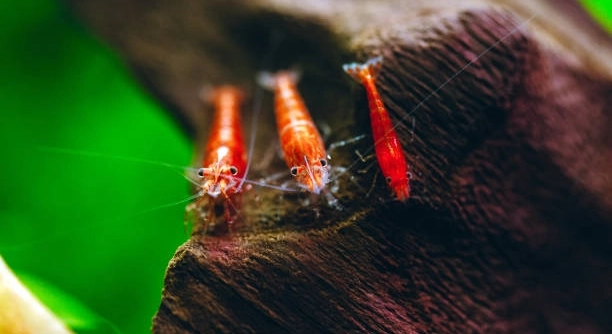
Shrimp are fascinating little creatures that often gather together in one area of a tank or pond. Watching them cluster can be interesting, yet it sometimes signals changes or issues in their environment that need attention.
Shrimp swarming in one spot usually occurs due to factors such as water quality, temperature changes, oxygen levels, feeding routines, breeding behavior, stress, or the presence of chemicals. Each factor affects shrimp behavior and can cause noticeable clustering.
Understanding why shrimp gather in groups can help maintain a healthy habitat and prevent future problems from affecting their well-being.
Water Quality Issues
Poor water quality is one of the most common reasons shrimp gather in one spot. When ammonia, nitrite, or nitrate levels rise, shrimp often move to areas where water feels cleaner or more comfortable. Chlorine or heavy metals in tap water can also make shrimp behave unusually. Even small fluctuations in pH can cause noticeable changes in swimming and clustering patterns. I’ve noticed that sometimes they crowd near a filter outlet or under decorations, likely seeking slightly better water conditions. Regular water testing and partial water changes are essential to prevent this behavior. It’s easy to overlook tiny shifts in water chemistry, but shrimp are very sensitive. Using a reliable test kit and maintaining stable parameters can drastically reduce swarming incidents. Even healthy tanks may see brief gatherings, but consistent clustering often signals an underlying water quality concern that requires immediate attention.
Maintaining clean, stable water will keep shrimp active throughout the tank and reduce their tendency to cluster unnecessarily.
Observing water parameters daily can help prevent long-term health issues. Small adjustments, like removing uneaten food or cleaning substrate, can make a significant difference. Shrimp respond quickly to positive changes, and proper care ensures their environment remains comfortable and stress-free, preventing constant gathering in one area.
Temperature Fluctuations
Shrimp are highly sensitive to changes in water temperature. Even a few degrees difference can cause them to group in warmer or cooler spots of the tank.
Sudden temperature swings can stress shrimp, making them seek comfort in areas where conditions feel stable. For example, heaters that are too strong or uneven lighting can create small thermal zones. I’ve seen shrimp cluster near filters or aeration areas because water moves and temperatures feel more balanced there. Over time, repeated fluctuations can weaken shrimp, making them more vulnerable to disease and less active overall. Maintaining a stable tank temperature, ideally within species-specific ranges, is crucial. Using a reliable heater, monitoring daily, and avoiding rapid environmental changes can prevent unnecessary swarming. Gradual acclimation after water changes or adding new equipment also helps. Stable temperatures encourage natural activity, including foraging and social behavior, without creating stress-driven clusters. Proper care ensures shrimp remain healthy and active, reducing the chances of long-term behavioral issues.
Low Oxygen Levels
Shrimp often gather near areas with better water movement when oxygen levels drop. Slow-moving spots may become uncomfortable, prompting them to cluster in regions where bubbles or flow increase oxygen availability.
Low oxygen can happen from overcrowding, excess organic waste, or stagnant water. I’ve noticed that during hot summer days, shrimp tend to crowd near filter outlets or air stones, where oxygen concentration is higher. This behavior is natural, but persistent clustering indicates the tank needs attention. Increasing aeration, reducing overfeeding, and ensuring proper circulation can quickly improve conditions. Observing shrimp movement patterns gives a clear signal of how well oxygen is distributed. Sudden lethargy or mass clustering often accompanies low oxygen. Regular water testing and maintaining clean substrates also prevent oxygen dips. Using gentle pumps or air stones can balance oxygen levels without stressing shrimp. These small changes often restore normal activity and reduce crowding.
Monitoring oxygen-rich areas daily helps identify potential trouble before shrimp health declines. Adjusting tank equipment slightly can stabilize oxygen distribution efficiently.
Consistent oxygen levels allow shrimp to explore freely, feed naturally, and avoid constant clustering. Even minor improvements in aeration can significantly enhance their overall activity and long-term health. Maintaining these conditions prevents stress-related behavior and keeps the tank balanced.
Feeding and Nutrition
Shrimp will often cluster where food is available or recently added, especially if feeding is uneven. Concentrated feeding spots encourage gathering.
Uneven feeding schedules or large amounts of food in one area can lead to constant crowding. I’ve seen shrimp cluster under decorations or near the substrate where flakes settle. They tend to linger longer than expected if food remains in one place. Overfeeding can cause water quality issues, further reinforcing swarming behavior. Providing smaller portions at multiple spots encourages even distribution and natural movement. Using sinking pellets or spreading flakes helps reduce excessive clustering. Regular observation of feeding habits ensures shrimp receive adequate nutrition without creating hotspots. Adjusting portion size prevents leftover food from accumulating and helps maintain a balanced environment. Feeding strategies directly affect activity levels and reduce stress-related swarming.
Proper nutrition, combined with careful feeding, supports healthy growth and reduces competition, keeping shrimp active and spread throughout the tank naturally.
Breeding Behavior
Shrimp often gather in one spot when preparing to breed. Females may release pheromones that attract males, creating visible clusters in certain tank areas.
Clusters during breeding usually appear near sheltered spots, plants, or hiding places. I’ve noticed females often choose corners or dense vegetation, while males follow closely, resulting in temporary swarming.
Stress from Tank Conditions
Stress can cause shrimp to congregate in safer areas. Overcrowding, sudden movements, or incompatible tankmates often trigger this behavior.
Shrimp under stress seek shelter or group together for safety. I’ve seen them hide under rocks or plants when lighting changes suddenly or when larger fish swim nearby. Stress reduces activity, feeding, and can make shrimp more prone to illness. Providing a calm environment, gentle water flow, and sufficient hiding spaces helps minimize this behavior. Regular observation allows me to identify stress early and adjust tank conditions, preventing constant clustering and promoting healthier, more natural activity among shrimp.
Chemical Exposure
Chemicals in the water, such as medications, fertilizers, or cleaning residues, can cause shrimp to gather in one area. They instinctively move to regions where water seems less contaminated or safer.
Why do shrimp suddenly swarm in one spot?
Shrimp usually swarm in one spot because something in the tank has changed. It could be water quality, temperature, oxygen levels, or even the way food is distributed. I’ve noticed that when ammonia or nitrate spikes even slightly, shrimp immediately cluster near the filter or areas with better water movement. They are very sensitive to their surroundings, and any sudden change makes them seek stability. Swarming isn’t always dangerous, but persistent gathering often signals an underlying issue that should be addressed quickly to prevent stress or illness.
Can overfeeding cause shrimp to gather in one area?
Yes, overfeeding is a common reason for shrimp clustering. When large amounts of food are added to one area, shrimp will naturally swarm there to eat. I often see shrimp lingering under decorations or in corners where flakes settle. The problem with overfeeding is that leftover food can decay, impacting water quality and creating low oxygen zones. Splitting food into smaller portions and placing it in multiple locations encourages shrimp to move around and feed more evenly. It also prevents water issues that could lead to constant clustering, maintaining a healthier tank environment overall.
Do shrimp cluster when breeding?
Shrimp do tend to cluster when breeding. Females release pheromones that attract males, causing noticeable gatherings near hiding spots or dense plants. I’ve seen females choose corners or plant-covered areas, with males following closely, resulting in temporary swarming. This behavior is natural and temporary, and usually indicates a healthy breeding cycle. Providing adequate hiding spots ensures females feel safe, reducing stress and allowing breeding to proceed without conflict. During this time, observing shrimp carefully helps ensure both males and females remain active and healthy.
How does water temperature affect shrimp behavior?
Shrimp are very sensitive to temperature changes. Even a few degrees difference in the tank can cause them to cluster in warmer or cooler areas. I’ve seen shrimp gather near heater outlets or shaded corners depending on the season. Rapid temperature swings can stress them, reduce feeding, and make them more susceptible to disease. Maintaining a stable, species-appropriate temperature ensures shrimp remain active and spread throughout the tank, reducing unnecessary clustering. Using a reliable heater and monitoring daily prevents sudden changes that trigger this behavior.
Can low oxygen levels make shrimp swarm?
Low oxygen levels frequently cause shrimp to gather in areas where water movement increases aeration. I’ve noticed they crowd near air stones or filter outlets during hot summer days when oxygen levels drop. Stagnant water or overcrowded tanks can make this worse. Persistent swarming caused by low oxygen indicates the need for better aeration, partial water changes, and careful monitoring of tank parameters. Proper circulation and regular cleaning prevent low oxygen zones, keeping shrimp active and evenly distributed.
Do chemicals in the tank affect shrimp swarming?
Yes, chemicals like medications, fertilizers, or residues from cleaning can make shrimp gather in one spot. They instinctively move to areas where water seems less contaminated or safer. I’ve observed shrimp clustering temporarily after adding certain treatments, then gradually spreading out once the chemical levels stabilize. Minimizing unnecessary chemical exposure and carefully following dosage instructions ensures shrimp remain healthy. This behavior also highlights the importance of checking water for unexpected substances that could impact shrimp activity.
How can I prevent shrimp from constantly swarming?
Preventing constant swarming requires attention to water quality, temperature stability, proper feeding, oxygen levels, and tank stressors. I make sure to test water regularly, split feedings into small portions, and provide hiding spots. Avoiding sudden changes in lighting, adding plants for shelter, and keeping compatible tankmates reduces stress. Stable conditions allow shrimp to move naturally, forage evenly, and maintain normal behavior. Observing clustering patterns helps me detect problems early and adjust the environment before swarming becomes a persistent issue. Regular maintenance keeps shrimp healthy and active throughout the tank.
Is swarming always a sign of illness?
Not always. Swarming can indicate normal behavior, such as breeding or food gathering. However, persistent clustering combined with lethargy, color changes, or reduced feeding can signal illness or stress. I always check water parameters, feeding routines, and tank conditions first. Quick action, such as water changes, adjusting temperature, and removing harmful substances, often resolves the issue. Monitoring behavior helps differentiate between natural activity and a problem that could affect shrimp health. Proper care ensures swarming is temporary and not harmful.
What should I do if my shrimp are swarming frequently?
Frequent swarming usually points to environmental stress. I start by testing water quality for ammonia, nitrite, nitrate, and pH levels. Next, I check temperature stability and oxygen circulation. Adjusting feeding routines and providing extra hiding spaces often helps. If chemicals or treatments were recently added, I observe how shrimp respond and adjust accordingly. Persistent clustering may require partial water changes or improving tank filtration. Recording patterns over time helps identify triggers and prevent recurring swarming. Consistent observation and small adjustments maintain a comfortable, balanced habitat for shrimp to thrive.
Shrimp swarming in one spot can seem alarming at first, but it is often a natural response to their environment. Observing this behavior carefully can tell you a lot about the conditions in your tank or pond. Water quality, temperature, oxygen levels, feeding practices, and stress all play a role in shrimp behavior. By paying attention to these factors, you can often identify the reason for clustering before it becomes a bigger issue. Even minor changes in water chemistry or temperature can cause shrimp to move to more comfortable areas. Watching where and when shrimp gather provides insight into their needs, helping you maintain a stable and healthy environment. Over time, learning to read these signs becomes easier, allowing you to make small adjustments that prevent unnecessary swarming and stress.
Maintaining proper care is key to minimizing shrimp clustering. Regular water testing, partial water changes, and careful feeding routines create conditions where shrimp can move freely and stay active. Providing hiding places, plants, and gentle water flow helps reduce stress and allows natural behavior, including foraging and breeding. Temperature stability and adequate oxygen levels are also critical for a balanced tank. When all these factors are managed well, shrimp tend to spread out more evenly rather than gathering in one spot. I have seen how small improvements, like adjusting feeding locations or adding an air stone, can drastically change shrimp activity. The clustering behavior often disappears once environmental conditions are balanced, showing how sensitive and responsive shrimp are to their surroundings.
Understanding shrimp behavior requires patience and observation. Swarming is rarely a sign of immediate danger but can point to conditions that need attention. Addressing water quality, feeding, oxygen, temperature, and stress factors helps maintain a healthier population. Even simple actions, such as monitoring water parameters daily or spreading food in multiple areas, can make a significant difference. It is also helpful to note patterns, like whether clustering occurs after water changes or during hot days, to prevent recurring problems. By staying observant and proactive, you ensure shrimp remain active, healthy, and comfortable in their habitat. Over time, managing these factors becomes routine, making it easier to maintain a thriving tank or pond without frequent swarming issues.

Hello,
If you enjoy the content that we create, please consider saying a "Thank You!" by leaving a tip.
Every little bit helps us continue crafting quality advice that supports the health, happiness, and well-being of pets around the world, for pets of all shapes, sizes, and species.
We really appreciate the kindness and support that you show us!