
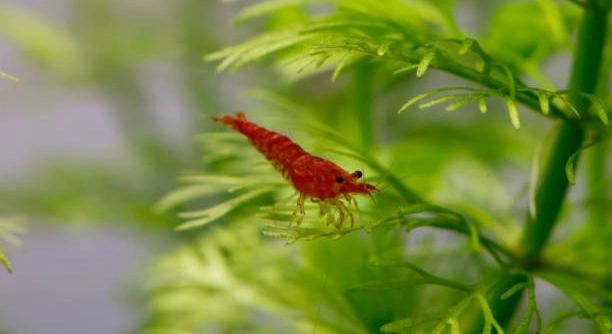
Cherry shrimp are delicate creatures that thrive in calm, stable environments. Their small size and sensitive nature make them highly responsive to changes in their surroundings, including light, water flow, and movement near their habitat.
Cherry shrimp can detect vibrations in their tank through sensory hairs on their bodies. These vibrations can signal the presence of predators or disturbances, influencing their behavior. Sudden or strong vibrations may cause stress, hiding, or changes in activity levels.
Understanding how vibrations affect shrimp behavior can help maintain a peaceful aquarium. Proper care ensures their health, comfort, and natural activity in a stable environment.
How Cherry Shrimp Sense Vibrations
Cherry shrimp have tiny sensory hairs called setae that cover their bodies, allowing them to detect vibrations in the water. These hairs are especially concentrated on their antennae and legs, giving them a keen awareness of movement around them. Even subtle disturbances, like tapping on the tank or nearby vibrations from walking, can alert them to potential threats. This sensitivity is a survival mechanism, inherited from their wild ancestors, who relied on these signals to detect predators and other hazards. In home aquariums, this means that sudden or frequent vibrations can create stress, causing shrimp to hide among plants, rocks, or substrate. Understanding how shrimp perceive their environment helps in arranging a tank that supports their natural behavior. Choosing a quiet, stable location and minimizing unnecessary disturbances can make a significant difference in their overall comfort, feeding habits, and willingness to interact with their surroundings.
Excessive vibrations can lead to long-term stress, which affects health, molting, and reproduction.
Maintaining a calm environment is crucial for cherry shrimp to thrive. Their sensitivity to vibrations can be managed by placing the tank on a stable surface, away from heavy foot traffic or appliances that create vibrations. Gentle water flow, proper filtration, and secure decorations help reduce additional movement, giving the shrimp a sense of security. By observing their reactions, such as sudden retreats or clustering in hiding spots, caretakers can adjust conditions to improve their comfort. Even simple measures, like avoiding tapping on the glass or moving equipment abruptly, can prevent unnecessary stress. Supporting a quiet, stable environment encourages natural behavior, healthy growth, and proper molting cycles, ensuring that shrimp remain active, visible, and stress-free in the tank.
Minimizing Vibrations in Your Tank
Using pads or mats under the tank can help absorb minor vibrations.
A stable tank location, combined with mindful handling, reduces stress for shrimp. Avoid placing tanks near heavy machinery or high-traffic areas, and consider using vibration-dampening pads under filters or pumps. By carefully managing both internal and external disturbances, shrimp will exhibit more natural behavior. Monitoring their activity and adjusting the setup as needed creates a safer, calmer habitat that supports their health and growth. A proactive approach ensures that shrimp remain active, feed regularly, and reproduce successfully, while also preventing stress-related issues.
Common Sources of Tank Vibrations
Household activities can create vibrations that travel through the floor and reach your aquarium. Footsteps, washing machines, or vacuuming nearby may disturb shrimp, causing sudden hiding or changes in movement patterns. Even small vibrations from nearby electronics can affect their behavior.
Cherry shrimp respond quickly to changes in their environment, especially vibrations. They may retreat to plants or decorations when they detect movement, which can impact feeding and activity. Constant disturbances can increase stress levels, slow growth, and even affect molting. By identifying vibration sources, you can take measures to minimize their impact. Positioning the tank away from heavy foot traffic or using anti-vibration pads can help maintain a stable, calm environment for shrimp, ensuring they remain healthy and active.
Even minor, repeated vibrations can disrupt their daily routine. These disturbances may make them less visible, reduce feeding frequency, and cause temporary stress responses. Observing behavior allows adjustments to tank placement or household routines, promoting a peaceful environment where shrimp feel safe and maintain natural behaviors.
Tools and Techniques to Reduce Vibrations
Placing the tank on a stable, level surface reduces external disturbances and helps maintain water stability.
Using vibration-absorbing materials under the tank, such as foam or rubber mats, dampens subtle tremors from flooring or nearby activity. Filter and pump placement also matters; secure, properly mounted equipment minimizes operational vibrations that propagate through the water. Avoid tapping the glass or moving decorations abruptly, as even minor shocks can trigger hiding behavior. Combining careful placement, vibration-absorbing materials, and mindful handling creates a more stable environment. Monitoring shrimp reactions over time allows fine-tuning, ensuring that they feel secure while feeding, molting, and exploring their habitat, which ultimately supports growth and reproductive success.
Recognizing Stress in Cherry Shrimp
Shrimp may show stress through constant hiding, reduced movement, or clinging to plants and decorations. Sudden changes in behavior often signal that vibrations or disturbances are affecting their comfort.
Stress can also appear in feeding habits. Shrimp may eat less or ignore food entirely when vibrations are frequent. Their molting process can be delayed, and growth may slow. Watching for these signs is important for adjusting tank conditions. Consistent stress may lead to weakened immunity and make shrimp more susceptible to illness. Ensuring a calm environment with minimal vibrations helps shrimp stay active, healthy, and display natural behavior.
Setting Up a Calm Tank Environment
Proper tank placement is crucial. Position the aquarium on a solid, level surface away from foot traffic, appliances, or other vibration sources. Soft mats beneath the tank further reduce tremors. Secure equipment like filters, heaters, and pumps to prevent additional vibrations from spreading through the water. Decorations should be stable and not prone to shifting when shrimp move. Regular observation allows adjustments to placement and handling to ensure a peaceful habitat. A calm, stable tank promotes natural feeding, molting, and activity patterns, supporting shrimp well-being and long-term health.
Daily Care Tips
Limit sudden movements near the tank, including tapping or knocking on the glass.
FAQ
Can cherry shrimp feel vibrations from outside the tank?
Yes, cherry shrimp are very sensitive to vibrations, even those originating outside the tank. Footsteps, nearby appliances, or loud movements can travel through the floor and be detected by their sensory hairs. These external disturbances may cause them to hide or become less active until the environment stabilizes.
Do vibrations stress cherry shrimp?
Constant or strong vibrations can create stress for cherry shrimp. Stress may show as reduced activity, less feeding, or prolonged hiding. In severe cases, it can affect molting, growth, and overall health. Minimizing disturbances helps them remain calm and maintain normal behavior patterns.
How can I reduce vibrations in my aquarium?
Place the tank on a stable, level surface away from high-traffic areas. Using vibration-absorbing pads under the tank or equipment like filters and pumps can dampen tremors. Secure decorations and avoid sudden taps on the glass to prevent additional stress.
Can vibrations affect shrimp molting?
Yes, frequent disturbances can slow or disrupt the molting process. Shrimp need a calm environment to molt safely. Stressful conditions may lead to incomplete molts, increasing the risk of injury or death. A stable, low-vibration tank encourages healthy, regular molting cycles.
Are all shrimp equally sensitive to vibrations?
While cherry shrimp are generally very sensitive, sensitivity can vary slightly between individuals. Younger or smaller shrimp tend to react more strongly, hiding quickly when they detect even minor vibrations. Adults may tolerate small disturbances but still benefit from a calm environment.
Does tank equipment cause harmful vibrations?
Improperly mounted filters, pumps, or air stones can transmit vibrations through the water, affecting shrimp comfort. Securing equipment, using vibration-absorbing materials, and selecting quieter devices reduce the impact on shrimp behavior. Monitoring their reactions helps ensure equipment is not causing unnecessary stress.
Will shrimp get used to minor vibrations over time?
Some minor, consistent vibrations may become less alarming if they are predictable. However, sudden or strong vibrations will still trigger hiding or stress responses. Limiting unnecessary disturbances remains the best approach to maintain calm and healthy shrimp.
Can vibrations affect shrimp feeding behavior?
Yes, stressed shrimp often eat less or ignore food. Vibrations signal potential danger, leading them to prioritize hiding over feeding. Providing a quiet, stable environment encourages normal feeding patterns and helps maintain their energy and growth.
Is tank placement important for vibration control?
Absolutely. A tank placed on a solid, vibration-free surface away from household activities significantly reduces disturbances. Heavy furniture, anti-vibration pads, or dedicated aquarium stands can further stabilize the tank, helping shrimp feel secure.
Do water currents mimic vibrations for shrimp?
Strong water currents can be perceived similarly to vibrations. Gentle, consistent flow is fine, but sudden bursts or uneven currents may stress shrimp. Adjusting filter output and maintaining a balanced flow reduces unnecessary disturbance.
How can I tell if vibrations are affecting shrimp health?
Watch for prolonged hiding, slow feeding, delayed molting, or abnormal movement. Shrimp that frequently cling to decorations or avoid open areas may be stressed. Identifying these behaviors early allows adjustments to minimize vibrations and restore a stable environment.
Are there any signs of permanent damage from vibrations?
If stress is constant and extreme, it can weaken immunity, slow growth, and interfere with reproduction. Most effects are reversible when the environment is stabilized, but chronic stress over time may have lasting consequences. Preventive care is key.
Can vibrations affect shrimp reproduction?
Yes, stressed shrimp may reduce mating behavior and egg-laying. Calm, low-vibration conditions encourage normal reproductive activity, supporting healthy population growth in the tank.
What daily habits help reduce vibration stress?
Limit tapping on the glass, avoid abrupt movements, and handle equipment gently. Keep nearby activity minimal and maintain a stable routine. Regular observation ensures shrimp remain comfortable and reduces cumulative stress from small disturbances.
Does tank size influence vibration sensitivity?
Larger tanks can absorb some minor vibrations better than small tanks, but strong disturbances still affect shrimp. Regardless of size, ensuring stability, proper equipment placement, and minimizing external shocks benefits shrimp well-being.
Can plants or decorations help shield shrimp from vibrations?
Dense plants and stable decorations provide hiding spots and can diffuse minor vibrations. While they don’t eliminate vibrations, they give shrimp a sense of security and allow natural behaviors even when minor disturbances occur.
Are baby shrimp more sensitive than adults?
Yes, juvenile shrimp are smaller and more vulnerable, making them react more quickly to vibrations. They hide more often and may take longer to resume normal activity compared to adults. A calm environment is especially important for young shrimp.
How often should I check for vibration stress?
Observing shrimp daily during feeding and routine tank maintenance helps detect stress early. Any sudden increase in hiding, changes in feeding, or irregular movement may indicate that vibrations are affecting them and adjustments are needed.
Do vibrations affect shrimp coloration?
Stress from frequent vibrations can lead to duller colors in cherry shrimp. When shrimp feel safe and calm, their colors are brighter, signaling good health. Reducing disturbances supports their natural appearance and overall vitality.
Is it okay to move the tank occasionally?
Occasional, careful movement is fine if done slowly and with minimal disturbance. Frequent or abrupt moves can cause significant stress, so it’s best to avoid unnecessary relocation. Stabilizing the tank after moving ensures shrimp quickly regain comfort.
Can vibrations from other tanks affect cherry shrimp?
Yes, vibrations from nearby aquariums, pumps, or air stones can transmit through furniture or floors. Maintaining spacing between tanks and using anti-vibration materials helps minimize these cross-tank disturbances.
Do shrimp react immediately to vibrations?
Typically, shrimp respond instantly to sudden vibrations. Retreating into hiding or clinging to surfaces is their natural defensive response. Observing these reactions can help determine which sources of vibration are most disruptive and need adjustment.
Can ambient noise translate to vibrations in the tank?
Yes, loud music, speakers, or appliances can create subtle vibrations felt by shrimp. Lowering noise levels or repositioning the tank away from sound sources helps reduce stress and maintains a calmer environment.
How long does it take for shrimp to recover from vibration stress?
Recovery time depends on stress severity. Minor disturbances may cause temporary hiding, while prolonged exposure requires several hours or days for shrimp to return to normal activity. Providing calm conditions ensures quicker recovery and prevents long-term effects.
Are some tank materials better at dampening vibrations?
Glass and acrylic tanks respond differently. Acrylic may flex slightly, absorbing minor vibrations, while glass transmits more. Using foam or rubber pads under any tank helps absorb shocks and protect shrimp from unnecessary stress.
Can vibrations cause injury to shrimp?
Direct injury is rare, but extreme stress from constant vibrations can weaken them, leading to molting complications or increased susceptibility to illness. Preventing repeated disturbances is critical to maintaining their safety and health.
Is monitoring behavior enough to manage vibration stress?
Yes, closely observing shrimp behavior is the most reliable way to detect stress. Combined with proper tank setup and reduced external disturbances, this ensures a stable, healthy environment for active, thriving shrimp.
Do vibrations affect shrimp lifespan?
Chronic stress from constant vibrations may shorten lifespan by impacting health, growth, and reproduction. Maintaining a calm, low-disturbance environment supports longevity and overall well-being.
Can vibrations interfere with shrimp social behavior?
Yes, stressed shrimp may avoid interaction with tankmates or gather excessively in hiding spots. Minimizing vibrations allows normal social and exploratory behaviors to continue without interruption.
Are aquarium stands important for vibration control?
A solid, stable stand is essential. Weak or uneven stands transmit floor vibrations more easily, while a sturdy base reduces disturbances and helps shrimp remain calm and active.
Should I worry about minor tremors from outside the house?
Small, infrequent tremors are usually harmless, but frequent or strong ones can stress shrimp. Observing their behavior after external vibrations helps assess any necessary adjustments to tank placement or protection.
Do different filter types cause different vibration levels?
Yes, some filters generate more vibration than others. Canister and sponge filters tend to be quieter, while power filters may transmit more movement. Proper placement and secure mounting minimize impact on shrimp.
How do I know if vibrations are the main stress factor?
Compare shrimp behavior during periods of activity and calm. If hiding, reduced feeding, or molting delays coincide with external movement or equipment operation, vibrations are likely the cause. Adjusting setup or routines confirms the source.
Are air pumps a significant source of vibrations?
Air pumps can transmit small vibrations through tubing and water movement. Using gentle output, securing tubing, and placing the pump on a vibration-absorbing surface reduces their impact on shrimp behavior.
Can vibrations affect shrimp coloration temporarily?
Stress-induced dulling of colors can happen temporarily during frequent vibrations. When calm conditions return, colors typically brighten again, reflecting improved health and reduced stress.
Is it necessary to isolate tanks to reduce vibrations?
Not always, but spacing tanks apart or using separate stands reduces cross-tank vibrations. Even small separations help prevent disturbance and promote a more stable environment for each tank’s inhabitants.
How much vibration is too much for cherry shrimp?
Frequent, strong vibrations that cause constant hiding, reduced feeding, or delayed molting are excessive. Even moderate, repeated disturbances can accumulate, so maintaining a calm, low-vibration habitat is essential.
Do seasonal changes affect vibration sensitivity?
Shrimp sensitivity itself remains consistent, but household activity may change seasonally, increasing vibrations. Adjusting tank placement or using dampening materials can help maintain a stable environment year-round.
Are transparent tank walls better for detecting vibrations?
Transparency doesn’t affect vibration detection. Shrimp sense vibrations through their bodies, not sight. Clear walls allow observation of behavior, which is useful for monitoring stress and adjusting conditions accordingly.
Can vibrations cause shrimp to stop breeding?
Yes, repeated stress from vibrations can reduce mating behavior and egg-laying. Stable, calm conditions support healthy reproduction and population growth in the tank.
Should I adjust lighting to help with vibration stress?
Indirectly, stable lighting promotes regular behavior, but it doesn’t prevent vibration stress. Combining proper lighting with vibration control supports overall well-being and normal activity patterns.
Can vibrations affect shrimp appetite long-term?
Chronic stress may reduce appetite over time, impacting growth and health. Minimizing disturbances ensures shrimp feed normally and maintain energy for molting and reproduction.
Is it better to have fewer shrimp in a high-vibration area?
Reducing population doesn’t eliminate stress from vibrations. The focus should be on stabilizing the environment, controlling external disturbances, and using vibration-dampening techniques to protect all inhabitants.
Do substrate types influence vibration perception?
Soft substrates can slightly absorb vibrations, while hard, compacted substrates transmit more. Combining a stable substrate with dampening mats under the tank improves overall vibration control and shrimp comfort.
Can vibrations lead to disease?
Indirectly, yes. Stress weakens immunity, making shrimp more susceptible to infections or parasites. Maintaining calm, low-vibration conditions reduces stress-related health risks.
How do I prioritize vibration reduction among other care factors?
Vibrations are a major stress factor. Prioritize tank stability, quiet placement, secure equipment, and mindful handling while maintaining proper water parameters, feeding, and filtration for balanced overall care.
Is there a safe threshold of vibrations for shrimp?
Minor, infrequent vibrations are generally tolerated. Anything causing repeated hiding, feeding reduction, or molting issues exceeds a safe threshold. Observing behavior provides the best measure.
Do live plants help buffer vibrations?
Yes, dense plants create additional hiding spots and diffuse minor vibrations. They don’t eliminate disturbances but improve comfort and security, supporting natural shrimp behavior.
Are juvenile shrimp more impacted than adults?
Juveniles are smaller, more vulnerable, and react faster to disturbances. Providing a calm environment is especially important for their survival, growth, and proper development.
Can tank covers affect vibration sensitivity?
Covers prevent water splashes but don’t significantly reduce vibrations. The main focus should be on tank placement, surface stability, and equipment dampening.
Do sudden household movements affect shrimp differently than constant vibrations?
Yes, sudden movements cause immediate hiding and stress, while constant minor vibrations may cause ongoing discomfort and cumulative stress. Both should be minimized for shrimp well-being.
Is monitoring shrimp activity enough to manage vibration impact?
Yes, observing feeding, hiding, and molting patterns is a reliable way to detect stress. Combined with vibration control measures, monitoring ensures a calm, healthy environment.
Do tank size and shape influence vibration effects?
Larger tanks absorb some minor disturbances, but sudden or strong vibrations still affect shrimp. Proper placement, secure equipment, and dampening materials benefit all tank sizes.
Are there any tools to measure vibrations in a tank?
Sensitive vibration meters exist but are not typically necessary. Observing shrimp behavior is usually sufficient to assess the impact of vibrations and make adjustments accordingly.
Does water depth influence vibration sensitivity?
Deeper water can slightly reduce the perception of minor surface disturbances, but shrimp detect vibrations throughout the tank. Stability and low-disturbance environments remain the priority.
Do substrate decorations amplify vibrations?
Loose or unstable decorations can transmit vibrations through the water. Securing items prevents them from amplifying disturbances, giving shrimp safer hiding spaces.
Can vibrations affect shrimp lifespan indirectly?
Chronic stress weakens health, reduces feeding, delays molting, and can shorten lifespan. Providing a calm, low-vibration environment supports longevity.
Do shrimp recognize repeated vibrations as non-threatening?
Some minor, predictable vibrations may be tolerated over time. Sudden or strong disturbances still trigger stress responses, so minimizing vibrations is essential for ongoing comfort.
Can water temperature fluctuations worsen vibration stress?
Yes, combined stressors like temperature swings and vibrations amplify shrimp discomfort. Maintaining stable water conditions alongside vibration control ensures optimal well-being.
How does tank stand stability influence shrimp stress?
An unstable or uneven stand transmits floor vibrations directly to the tank. A solid, level stand minimizes this, reducing hiding behavior and supporting calm activity.
Do shrimp react differently during the day and night to vibrations?
They are generally more active during light periods and more likely to hide at night. Vibrations at any time can trigger stress, but monitoring behavior helps identify peak sensitivity periods.
Can shrimp become desensitized to vibrations over months?
Some minor, predictable vibrations may be tolerated, but significant disturbances will continue to cause hiding and stress. Minimizing vibrations remains essential for consistent shrimp health.
Does vibration affect shrimp territorial behavior?
Stress from vibrations may reduce interaction or increase hiding, altering normal territorial or social behavior. A calm environment allows natural interactions to continue safely.
Are all tank materials equally effective at damping vibrations?
No, materials like acrylic flex slightly and absorb minor tremors, while glass transmits more. Combining a solid stand with vibration-absorbing pads provides the best stability.
Can vibrations impact shrimp lifespan indirectly through feeding disruption?
Yes, reduced feeding from stress affects energy, molting, and immunity, which can shorten lifespan over time. A stable, calm environment ensures consistent feeding and long-term health.
Do environmental noises contribute to vibration stress?
Yes, household sounds like music, appliances, or vacuuming can transmit subtle vibrations. Limiting nearby noise reduces cumulative stress on shrimp.
Can vibrations trigger disease outbreaks in a tank?
Indirectly, yes. Stress lowers immunity, making shrimp more vulnerable to infection. Reducing vibrations supports overall health and resilience.
Are there any signs that shrimp are adjusting well to vibrations?
Shrimp remain visible, feed normally, molt on schedule, and explore their habitat. Stable behavior indicates minimal stress from external vibrations.
Do vibrations affect shrimp differently in planted versus bare tanks?
Planted tanks provide hiding and buffering against minor vibrations, offering more comfort. Bare tanks transmit vibrations directly, making shrimp more sensitive and stressed.
Can shrimp tolerate vibrations from cleaning the tank?
Occasional, careful cleaning is manageable, but vigorous or abrupt movements create stress. Gentle handling and slow water changes minimize disturbance.
Are anti-vibration pads necessary for small tanks?
Even small tanks benefit from pads, especially on floors prone to tremors or in high-traffic areas. They reduce transmitted vibrations and improve shrimp comfort.
Do air stone bubbles cause stress from vibrations?
Small bubbles usually aren’t stressful, but strong air flow or rapid bubbling can create vibration-like disturbances. Adjusting output maintains calm conditions.
Can repeated stress from vibrations stunt growth?
Yes, chronic stress diverts energy from growth to survival behaviors. Minimizing disturbances allows shrimp to grow and develop normally.
Are certain shrimp colors more sensitive to vibrations?
Coloration doesn’t affect sensitivity, but stress can temporarily dull any shrimp’s color. Calm conditions restore natural brightness.
Does tank lid placement affect vibration exposure?
A lid prevents splashes but does not reduce vibrations. Focus on stand stability and dampening materials for meaningful vibration control.
Can vibrations cause aggression among shrimp?
Stress may make shrimp more likely to retreat or compete for hiding spots, but it rarely triggers direct aggression. Reducing vibrations helps maintain natural, peaceful interactions.
Is frequent observation stressful for shrimp?
Gentle, calm observation is fine. Sudden tapping or leaning heavily on glass should be avoided, as it introduces vibration-like stress.
Do vibrations affect shrimp differently in high-flow tanks?
High-flow tanks can combine current and vibration stress, increasing discomfort. Gentle, consistent flow reduces cumulative stress and supports normal behavior.
Can vibrations from pets affect shrimp?
Pets walking near the tank or tapping on glass transmit vibrations. Keeping animals at a distance and stabilizing the tank reduces stress for shrimp.
Are there any tools to monitor shrimp stress related to vibrations?
Direct observation of behavior—hiding, feeding, and molting—is the most practical method. High-tech sensors exist but are rarely needed in home tanks.
Do vibrations interfere with water parameters?
Indirectly, constant shaking can slightly disturb substrate and biofilm, but major water changes are not typically caused by normal vibrations. Minimizing strong disturbances helps maintain stability.
Are larger shrimp less sensitive than smaller ones?
Adults may tolerate minor vibrations better than juveniles, but strong disturbances still provoke hiding and stress. All sizes benefit from a calm environment.
Does the type of water substrate matter for vibration sensitivity?
Soft substrates absorb minor vibrations, whereas hard substrates transmit them more directly. Combining a stable substrate with anti-vibration materials improves overall shrimp comfort.
Can vibration stress be cumulative?
Yes, repeated minor disturbances add up, leading to chronic stress. Reducing exposure consistently prevents long-term negative effects on health, feeding, and molting.
Does seasonal household activity influence shrimp vibration stress?
Yes, periods of increased foot traffic or appliance use can raise stress levels. Adjusting tank placement or using dampening pads maintains a stable environment throughout the year.
Are shrimp more sensitive during molting?
Yes, molting is a vulnerable time. Vibrations can startle shrimp, cause
Final Thoughts
Cherry shrimp are delicate and highly sensitive creatures, and their reaction to vibrations is one of the clearest examples of how small environmental factors can affect their behavior. Even minor disturbances in or around the tank can cause them to hide, reduce activity, or eat less. Their tiny sensory hairs allow them to detect the slightest movement in water, making them highly responsive to both natural and human-made vibrations. Understanding this sensitivity is important for creating a stable, low-stress environment where shrimp can thrive. Many caretakers may not realize that what seems like a minor tap or floor vibration can have a noticeable impact on these small aquatic animals. Taking small steps to minimize disturbances, such as placing the tank on a stable surface, using anti-vibration pads, or avoiding heavy foot traffic nearby, can greatly improve their comfort and well-being.
Maintaining a calm environment also influences more than just behavior. Stress from frequent vibrations can affect molting, growth, and reproduction, and prolonged stress may even reduce immunity and lifespan. Shrimp that experience less stress are more likely to feed consistently, molt properly, and maintain their vibrant colors. Observing shrimp daily allows caretakers to notice subtle changes that indicate stress, such as prolonged hiding, clinging to plants, or slowed movement. Addressing these issues promptly ensures that shrimp continue to display natural behaviors, including active exploration and normal social interactions. Even small adjustments, like securing decorations to prevent them from shifting or controlling water flow to reduce turbulence, contribute to a more comfortable and predictable environment. These measures help shrimp feel safe and secure, supporting their overall health and longevity.
It is also important to recognize that sensitivity to vibrations varies among individuals and life stages. Juvenile shrimp tend to be more reactive than adults, and their smaller size makes them more vulnerable to sudden disturbances. Adults may tolerate minor vibrations, but they still benefit from a calm and stable habitat. Careful tank placement, secure equipment, and the use of plants or decorations for shelter all support shrimp in responding naturally without excessive stress. While it is impossible to eliminate all vibrations, consistent management and observation allow for a balance that promotes both comfort and activity. By respecting their sensitivity and minimizing external disturbances, caretakers can create an environment where cherry shrimp thrive, feed regularly, molt safely, and reproduce successfully. This careful attention ensures that shrimp not only survive but also exhibit the natural behaviors that make them fascinating and rewarding to observe.

Hello,
If you enjoy the content that we create, please consider saying a "Thank You!" by leaving a tip.
Every little bit helps us continue crafting quality advice that supports the health, happiness, and well-being of pets around the world, for pets of all shapes, sizes, and species.
We really appreciate the kindness and support that you show us!