
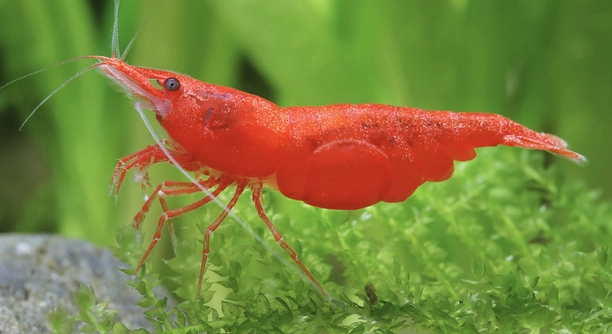
Shrimp are fascinating creatures, but their behavior can sometimes surprise even experienced aquarists. Aggression in shrimp can appear suddenly and without warning, leaving owners confused about what might have triggered such changes in their peaceful tanks.
Certain foods can provoke aggressive behavior in shrimp. High-protein items, algae wafers, and certain fish foods may overstimulate them, while excessive feeding of dense or processed ingredients can disrupt natural social interactions, leading to territorial disputes and heightened aggression within the tank environment.
Knowing which foods may contribute to shrimp aggression allows owners to maintain a balanced diet and a calmer, healthier habitat for their aquatic pets.
High-Protein Foods
Shrimp require protein for growth and molting, but too much can lead to unexpected aggression. Feeding high-protein pellets or excessive meaty treats often stimulates competition among shrimp. In a tank setting, dominant shrimp may become territorial, chasing or nipping at others to secure access to the food. This behavior is more pronounced in smaller or overcrowded tanks. While protein is essential, overfeeding can disrupt the social balance, causing stress and injury. Some shrimp species react more strongly than others, making careful portion control vital. Observing shrimp during feeding can help identify signs of stress or aggression. Rotating protein sources and balancing with plant-based foods reduces tension. Monitoring water quality is equally important, as leftover protein can deteriorate water, further aggravating behavior. A controlled diet with moderate protein ensures shrimp remain active but calm, preserving both health and harmony in the tank environment.
Controlling protein intake helps reduce conflicts and keeps shrimp interactions peaceful. Regular observation ensures everyone thrives.
Balanced feeding promotes calmer shrimp, reduces injuries, and maintains social structure. Adjusting diet and monitoring behavior prevents repeated aggression episodes.
Algae and Plant-Based Wafers
Algae wafers provide essential nutrients but can also trigger territorial behavior when offered in excess.
Overfeeding plant-based wafers encourages competition for limited resources, leading some shrimp to assert dominance aggressively. Dense wafers may sink slowly, attracting multiple shrimp simultaneously, increasing the chance of disputes. Observing feeding times and dispersing food evenly helps reduce conflict. Not all shrimp react the same; species and individual temperament influence aggression. Limiting portions, rotating food types, and ensuring multiple feeding spots supports calmer interactions. Maintaining clean water is crucial, as decaying food can worsen stress and trigger more aggressive behavior. Properly balanced plant-based diets complement protein intake while promoting healthy growth. Feeding smaller amounts more frequently is often more effective than large, infrequent feedings. Consistency and moderation in feeding prevent sudden spikes in territorial behavior. Over time, shrimp adapt to predictable feeding routines, reducing competition over food sources.
Monitoring behavior during feeding allows adjustment of portions and placement to minimize conflict and stress.
Fish Flakes
Fish flakes are convenient, but they can cause aggression in shrimp if overused. Flakes often float, attracting multiple shrimp at once, which can lead to territorial disputes. Limiting portions helps keep interactions calm and reduces stress in the tank.
Flakes are typically high in protein and additives, which can overstimulate shrimp. When multiple shrimp compete for the same piece, dominant individuals may chase or nip others. Over time, repeated competition can injure weaker shrimp and disrupt the social hierarchy. Splitting flakes across different areas of the tank minimizes conflict. Observing shrimp behavior during feeding allows adjustments in quantity and placement. Using flakes occasionally as part of a varied diet supports growth without encouraging aggressive behavior. Consistency and moderation help maintain a peaceful environment.
Balancing flakes with other foods is key. Excessive reliance on flakes promotes competition, while mixing in plant-based foods and controlled protein ensures healthier interactions and reduces tension among shrimp.
Frozen or Live Foods
Frozen and live foods are highly nutritious but can trigger intense feeding behavior and aggression if given too much.
Shrimp respond strongly to moving or fresh food, which often sparks competition. Live foods like daphnia or brine shrimp attract attention quickly, causing some shrimp to dominate the feeding area. Proper portioning prevents fights and ensures all shrimp receive nourishment. Maintaining multiple feeding spots and removing leftover food reduces stress and keeps weaker shrimp safe. Feeding smaller amounts frequently rather than one large portion encourages calm behavior and supports even growth. Overfeeding live foods can also degrade water quality, further aggravating aggression. Observing shrimp closely during feeding allows timely adjustments to portions and placement, promoting harmony.
Using live or frozen foods strategically ensures shrimp get essential nutrients without escalating aggressive interactions. Moderation, rotation, and careful observation create a balanced, healthy environment for all tank inhabitants.
Processed Fish Food
Processed fish foods are convenient but can provoke aggression if overfed. Shrimp may compete over dense, nutrient-rich pellets, increasing territorial behavior and chasing. Portion control is key to preventing conflicts.
Repeated competition over processed foods can stress shrimp and disrupt their social balance. Limiting portions and scattering pellets reduces aggressive encounters and ensures all shrimp have access to nourishment.
Freeze-Dried Foods
Freeze-dried foods are easy to store but can trigger fights when dropped in large amounts. Shrimp often swarm these foods, leading to nips and chasing. Moderate portions help maintain calm feeding behavior.
Snack Treats
Occasional snack treats can excite shrimp excessively. High-calorie items often spark competition and aggression, especially in smaller tanks or crowded conditions.
Vegetable Bits
Vegetables provide essential nutrients but must be given in controlled amounts. Large pieces can become hotspots, causing shrimp to compete aggressively. Splitting portions and spreading them across the tank encourages peaceful eating and reduces stress among tank inhabitants.
FAQ
What causes shrimp to become aggressive?
Shrimp aggression is often linked to competition for food, territory, or resources. Overfeeding high-protein or dense foods can trigger chasing and nipping behaviors. Stress from overcrowding or poor water conditions can also increase aggression, making even normally calm shrimp act defensively. Observing tank dynamics and adjusting feeding routines helps maintain harmony.
Can diet alone make shrimp aggressive?
Yes, diet plays a significant role. Certain foods, especially high-protein pellets, live foods, or dense plant-based wafers, can overstimulate shrimp, prompting fights over food. Inconsistent feeding schedules or large portions concentrated in one area increase competition, while spreading food and moderating portions helps reduce conflicts.
How can I prevent shrimp fights during feeding?
Providing multiple feeding spots, distributing food evenly, and limiting portion sizes are effective strategies. Rotating food types between protein-rich and plant-based options balances nutrition while preventing overstimulation. Observing shrimp during meals allows timely adjustments and ensures weaker shrimp are not excluded.
Are some shrimp species more prone to aggression?
Yes, some species naturally display territorial behavior or dominance tendencies. Larger or more active species may chase smaller, timid shrimp, especially when food is limited. Understanding the temperament of each species in your tank helps plan feeding routines and tank layout to minimize stress.
Does tank size affect shrimp aggression?
Smaller tanks often increase aggression due to limited space and hiding spots. Overcrowding worsens conflicts, while adequate space, plants, and decorations provide shelter, helping shrimp establish territories without constant confrontation. Adjusting population density and adding hiding spots reduce tension and promote calmer interactions.
Is water quality linked to aggression?
Absolutely. Poor water quality, high ammonia, nitrites, or fluctuating parameters can stress shrimp, making them more irritable and prone to chasing or nipping. Regular water testing, partial water changes, and maintaining stable conditions improve overall health and reduce aggressive behavior.
How often should I feed shrimp to prevent aggression?
Feeding smaller amounts multiple times a day is preferable to one large feeding. Frequent, moderate portions reduce competition and ensure all shrimp access food. Consistency in feeding schedules helps shrimp anticipate meals, reducing sudden bursts of aggression.
Can leftover food cause fights?
Yes. Decaying or uneaten food attracts multiple shrimp at once, causing competition and territorial behavior. Removing leftovers promptly, controlling portion sizes, and feeding appropriate amounts minimize aggressive encounters and maintain cleaner, healthier water conditions.
Do stress and environmental factors influence aggression?
Stress from overcrowding, insufficient hiding places, or sudden environmental changes can heighten aggression. Maintaining a stable tank environment, providing plants, rocks, and other shelters, and monitoring shrimp behavior regularly help prevent territorial disputes and ensure a calm, balanced tank ecosystem.
Are there signs of aggression to watch for?
Common signs include chasing, nipping, hiding more often, or damaged antennae. Dominant shrimp may monopolize food or specific areas, while weaker individuals retreat. Early observation allows adjustments in diet, feeding locations, or tank setup to reduce conflict and maintain peaceful interactions.
How can I safely introduce new shrimp without increasing aggression?
Acclimate new shrimp slowly and provide extra hiding spots. Introducing them during feeding times helps them integrate without triggering territorial fights. Ensuring sufficient space, balanced diet, and gradual introductions prevents stress and aggressive behavior in both new and existing shrimp.
Can certain foods calm shrimp?
While no food completely eliminates aggression, balanced diets with moderate protein and plant-based foods help stabilize behavior. Avoiding excessive high-protein treats, scattering food, and maintaining a varied feeding routine keeps shrimp active but reduces competition-driven aggression.
What is the long-term impact of frequent aggression?
Chronic aggression can lead to injury, stress, and reduced molting efficiency. Weak or stressed shrimp may develop health issues or die prematurely. Maintaining balanced feeding, proper tank conditions, and observing interactions ensures healthier, longer-living shrimp populations with reduced social conflict.
Is it necessary to separate aggressive shrimp?
Separation is only needed in extreme cases when one shrimp repeatedly harms others. Providing more hiding spots, spreading food, or adjusting diet usually reduces aggression. Isolation should be a last resort to prevent stress while maintaining social balance in the tank.
How do I know if my feeding strategy is effective?
Shrimp should eat without constant chasing or nipping. Even timid shrimp accessing food and calm interactions indicate proper feeding. Monitoring behavior and adjusting portions, feeding spots, and food types ensures a peaceful, healthy tank environment over time.
Can aggression affect breeding?
Yes. Aggressive shrimp may prevent others from accessing food, leading to stress and reduced reproductive success. Balanced diet, sufficient hiding places, and calm social conditions promote healthier breeding behavior and support fry survival in community tanks.
Shrimp aggression can be frustrating, especially when it appears suddenly in an otherwise calm tank. Many owners assume shrimp are always peaceful, but changes in behavior are often linked to diet, tank conditions, or overcrowding. Understanding what foods may trigger aggressive behavior is essential for maintaining a balanced environment. High-protein pellets, live or frozen foods, plant-based wafers, and even certain vegetables can create competition if overfed or concentrated in one area. Observing feeding behavior allows you to see which shrimp are more dominant and which may be stressed. Adjusting the amount, type, and placement of food helps reduce fights and ensures all shrimp have access to nutrition without causing unnecessary tension. Over time, consistent observation and careful feeding lead to a calmer tank and healthier shrimp populations.
Proper tank management goes hand in hand with diet to control aggression. Shrimp require enough space, hiding spots, and stable water conditions to feel secure. Overcrowding, poor water quality, or sudden environmental changes can amplify aggressive tendencies, even in shrimp that normally coexist peacefully. Adding plants, rocks, and other structures gives shrimp room to establish territories without constant conflict. Water quality should be monitored regularly, and leftover food removed promptly to prevent stress and reduce fights. Feeding smaller amounts multiple times a day rather than one large portion can also help. Consistent routines allow shrimp to anticipate meals without triggering competitive behavior. By balancing diet and tank conditions, aggression becomes less frequent, injuries are minimized, and weaker shrimp have a chance to thrive alongside more dominant individuals.
Maintaining shrimp health and a peaceful tank requires attention, patience, and careful planning. Aggression is often a signal that something in the environment or feeding routine needs adjustment. Rotating food types between high-protein, plant-based, and occasional treats keeps shrimp interested while preventing overstimulation. Observing behavior during feeding and making small changes, such as scattering food or increasing hiding spots, can have a significant impact. Over time, shrimp adapt to these routines and display calmer behavior. Understanding which foods may trigger aggression, along with proper tank management, helps ensure a balanced social environment, promotes overall health, and reduces stress. A well-maintained tank with thoughtful feeding strategies supports both the physical well-being and peaceful interactions of your shrimp population.

Hello,
If you enjoy the content that we create, please consider saying a "Thank You!" by leaving a tip.
Every little bit helps us continue crafting quality advice that supports the health, happiness, and well-being of pets around the world, for pets of all shapes, sizes, and species.
We really appreciate the kindness and support that you show us!