
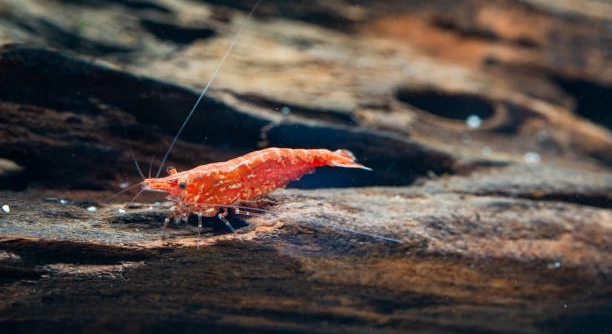
Cherry shrimp are lively little creatures that add color and charm to aquariums. Sometimes, they may suddenly disappear among plants, leaving their owners unsure of what is happening in the tank. Their behavior can seem puzzling at first glance.
Cherry shrimp often hide in plants due to stress, environmental changes, or molting. Factors such as sudden temperature shifts, poor water quality, or the presence of predators trigger this instinctive behavior, providing safety and reducing exposure to potential harm.
Understanding why these shrimp seek shelter will help you maintain a healthy aquarium environment and ensure they remain active, visible, and comfortable in their habitat.
Environmental Stress and Sudden Hiding
Cherry shrimp are very sensitive to changes in their environment. Even minor fluctuations in water temperature or pH can make them feel unsafe. When stressed, they instinctively retreat to dense plants or decorations. These hiding spots provide a sense of security and reduce exposure to perceived threats. Noise near the tank, sudden light changes, or frequent handling can also increase stress levels. Shrimp often react to stress quietly, making it easy to miss the signs until they have fully hidden. Overcrowding or introducing new tank mates can trigger a sudden hiding response. Shrimp need stable conditions with consistent water parameters to feel comfortable exploring open areas. Ensuring proper filtration and gentle water flow can reduce stress. By monitoring these environmental factors, you can prevent sudden hiding behaviors and maintain a peaceful aquarium. Observing your shrimp carefully helps you identify small changes before they escalate into stress-induced hiding.
Maintaining stable water conditions helps shrimp feel safe and encourages them to explore more freely.
Stress reduction involves adjusting lighting, temperature, and tank setup to provide a secure environment for shrimp.
Molting and Natural Behavior
Hiding is often part of a shrimp’s molting process. Before shedding their old exoskeleton, they seek out dense plants or secluded areas. Molting leaves them soft and vulnerable, so retreating to a safe spot is essential for survival. During this time, they remain hidden for several hours to protect themselves from predators and avoid injury. Providing ample plant coverage and hiding spots supports this natural behavior. Observing your shrimp regularly will show patterns in their molting cycles. Noticing when they hide frequently can indicate upcoming molts, allowing you to anticipate their needs. Avoid disturbing the tank during these periods, as even gentle movements can increase stress. Proper nutrition, including calcium and minerals, aids healthy exoskeleton formation and reduces molting complications. By creating a stable environment with hiding options, shrimp feel secure during vulnerable times.
Molting is a normal process that explains why shrimp sometimes disappear in plants.
Supporting healthy molts involves proper diet, tank setup, and avoiding sudden disturbances, ensuring shrimp remain safe and thrive naturally.
Predators and Tank Mates
Shrimp hide quickly when they sense potential threats from other tank inhabitants. Even small fish can make them feel unsafe, prompting them to retreat among plants or decorations for protection.
Shrimp are naturally cautious creatures. When housed with aggressive or curious fish, they instinctively seek shelter. Plants and dense decorations give them cover, helping reduce stress and risk of injury. Even gentle fish can trigger hiding if the shrimp perceive sudden movements or unusual activity. Understanding the behavior of all tank mates is important to creating a balanced environment. Providing plenty of hiding spaces ensures shrimp can move freely without constant fear, which supports their health and molting process. Observing interactions helps you adjust tank setup or fish selection.
The size and temperament of other tank inhabitants directly affect how often shrimp hide. Careful monitoring allows you to reduce unnecessary stress and create a safe habitat.
Water Quality and Its Impact
Poor water conditions drive shrimp to hide, as they feel unsafe in unstable environments. Regular testing prevents sudden retreats.
Shrimp are highly sensitive to water parameters such as ammonia, nitrite, nitrate levels, and pH. Even slight imbalances can cause stress, prompting them to hide in plants or corners. Filtration, regular water changes, and maintaining consistent temperatures help prevent these issues. Shrimp also respond negatively to strong chemical treatments or sudden changes in water hardness. Ensuring proper cycling and avoiding overcrowding improves overall water quality. When shrimp hide frequently, it may indicate a need to check water parameters and adjust tank maintenance routines. Consistent observation and preventive care help keep shrimp active and healthy.
Maintaining clean, stable water allows shrimp to feel secure, reduces hiding behavior, and supports proper growth, molting, and natural activity levels.
Feeding and Food Availability
Shrimp often hide when they feel uncertain about food availability. Limited or inconsistent feeding can make them more cautious and retreat into plants for security.
Even when food is present, competition or sudden changes in feeding schedules can trigger hiding. Offering small, regular meals encourages shrimp to come out and forage safely.
Lighting and Tank Environment
Bright or sudden lighting can make shrimp feel exposed. Dim, consistent light levels help them feel secure and reduce hiding behavior. Properly arranged plants and decorations create natural cover, allowing shrimp to explore while staying protected.
Seasonal Changes
Temperature and light variations with changing seasons affect shrimp activity. Cooler water or fluctuating light patterns can lead them to seek shelter. Maintaining steady conditions helps minimize stress and keeps shrimp visible and active throughout the year.
Overcrowding
Too many shrimp or tank mates increase stress, causing more frequent hiding. Adequate space and careful stocking help maintain a calm and balanced environment.
FAQ
Why do my cherry shrimp hide right after I add new decorations?
Cherry shrimp are very cautious about changes in their environment. Adding new decorations can create unfamiliar spaces and shadows, making them feel exposed. They instinctively retreat into plants or existing cover to feel safe while they adjust. Over time, they usually resume normal activity once they become comfortable with the new arrangement.
Is it normal for shrimp to hide for days at a time?
Yes, this can happen, especially during molting or when they are stressed. Molting leaves them soft and vulnerable, so hiding for extended periods is protective. Stress from water quality, tank mates, or environmental changes can also cause longer hiding periods. Consistent tank maintenance and stable conditions help reduce this behavior.
Do certain fish cause shrimp to hide more?
Yes, even small or peaceful fish can trigger hiding. Shrimp are sensitive to movement and perceived threats. Fish that are fast, curious, or aggressive increase the likelihood that shrimp will retreat into plants or decorations for protection. Providing dense plant cover helps shrimp feel safe around other tank inhabitants.
Can hiding be a sign of illness?
Hiding alone is not always a sign of illness, but combined with other symptoms such as discoloration, lethargy, or loss of appetite, it may indicate a problem. Monitoring water parameters and observing shrimp closely can help detect issues early. Stress from poor conditions often mimics signs of sickness.
How can I encourage my shrimp to come out of hiding?
Provide a stable, calm environment with plenty of hiding spaces. Feed small portions regularly and maintain consistent lighting. Avoid sudden movements, loud noises, or frequent tank changes. Patience is key—shrimp naturally explore more when they feel secure and the tank environment is predictable.
Does the number of shrimp in a tank affect hiding behavior?
Yes, overcrowding increases stress and competition, causing more frequent hiding. Adequate space per shrimp and a balanced population reduce stress. When tanks are properly stocked, shrimp are more confident exploring open areas and interacting with each other.
Are there water parameters that make shrimp hide more?
Shrimp are sensitive to ammonia, nitrites, nitrates, and pH fluctuations. Sudden changes in temperature or hardness can also trigger hiding. Regular water testing, proper filtration, and gradual adjustments in water chemistry help maintain stable conditions and reduce stress-related hiding.
Does hiding affect shrimp health?
Extended hiding itself does not harm shrimp, but it can indicate stress or unsuitable conditions. Prolonged stress can weaken their immune system, affect molting, and reduce feeding. Ensuring proper tank conditions, nutrition, and minimal disturbances supports overall health and reduces hiding tendencies.
Will shrimp hide more during molting?
Absolutely. Molting is a vulnerable time, and shrimp instinctively seek secure spaces to avoid injury. Dense plants or decorations provide cover while their new exoskeleton hardens. Providing calcium-rich food and a safe environment ensures healthy molting and reduces prolonged hiding.
Can lighting changes make shrimp hide?
Yes, sudden or intense lighting can make shrimp feel exposed. Gradually adjusting light levels, using dimmers, or creating shaded areas with plants helps them feel safe. Shrimp respond positively to predictable lighting, which encourages normal activity and reduces hiding.
Do seasonal changes affect hiding behavior?
Seasonal variations in temperature or light cycles can influence shrimp activity. Cooler water or inconsistent light may cause them to retreat into plants. Maintaining steady temperature and light cycles helps shrimp stay active and comfortable year-round, minimizing stress-related hiding.
How can I tell if hiding is just normal behavior or stress-related?
Normal hiding often coincides with molting or minor environmental changes. Stress-related hiding is usually persistent, combined with reduced feeding, lethargy, or visible discomfort. Observing patterns and monitoring water parameters helps distinguish between natural behavior and environmental stress, allowing you to take proper action.
Can providing more plants reduce hiding?
Yes, adding more plants or hiding spots allows shrimp to feel secure while exploring. Dense plant coverage mimics their natural habitat, reduces stress, and encourages normal activity. However, even with ample plants, addressing underlying water quality or tank mate issues is crucial for long-term comfort.
Does feeding schedule influence hiding?
Yes, inconsistent or infrequent feeding can make shrimp hesitant to leave cover. Small, regular meals encourage shrimp to venture out and forage confidently. Avoid overfeeding, as leftover food can harm water quality, which in turn may increase hiding behavior.
Are baby shrimp more likely to hide than adults?
Juvenile shrimp are naturally more cautious. Smaller size makes them vulnerable to predators and environmental changes. Providing dense plants, moss, and small hiding spaces ensures their survival while helping them grow into more confident adults.
Can tank maintenance routines affect hiding?
Yes, sudden cleaning, water changes, or rearranging the tank can trigger hiding. Gradual, gentle maintenance reduces stress. Using consistent routines and avoiding abrupt changes keeps shrimp comfortable and more likely to explore the tank freely.
Is it normal for shrimp to hide during the day and come out at night?
Yes, cherry shrimp can be more active during low-light periods. Nighttime activity is natural, as it reduces exposure to perceived threats. Ensuring sufficient plant cover allows shrimp to move freely and feel secure regardless of light levels.
Can stress from breeding pairs cause hiding?
Yes, breeding behavior can increase stress in both males and females. Females carrying eggs or juveniles often hide more to protect themselves and their offspring. Providing extra plants and secluded areas supports natural reproductive behavior and reduces unnecessary stress.
Does water flow influence hiding?
Strong or inconsistent water flow can make shrimp feel unsafe. Gentle, steady currents allow them to move confidently without being swept around. Adjusting flow and providing sheltered spots helps shrimp stay active while minimizing stress-induced hiding.
How long should I wait before worrying about hiding behavior?
Short-term hiding for hours or a day is normal, especially after environmental changes or during molting. If hiding persists for several days, combined with reduced feeding or unusual appearance, it may indicate stress or water issues that need attention.
Can tank mates’ feeding behavior scare shrimp?
Yes, aggressive or fast-feeding fish may frighten shrimp and cause them to hide. Offering food in multiple locations or in dense plant areas helps shrimp feed safely without constant fear. Observing interactions ensures shrimp can access nutrition comfortably.
Does temperature stability affect hiding?
Shrimp are highly sensitive to temperature swings. Sudden increases or drops trigger hiding as a protective response. Maintaining a stable temperature within the ideal range reduces stress and encourages normal movement and foraging throughout the tank.
Are some shrimp more prone to hiding than others?
Individual temperament plays a role. Some shrimp are naturally cautious and hide more frequently, while others are bolder. Even within the same tank, variations in behavior can reflect personality and confidence levels. Understanding this helps set realistic expectations for shrimp activity.
Does aquarium size affect hiding behavior?
Smaller tanks with limited space and cover may increase hiding due to lack of security. Larger tanks with sufficient plants and decorations allow shrimp to explore safely, reducing constant hiding and supporting natural behavior.
Can sudden noises cause hiding?
Yes, loud or unexpected noises near the tank startle shrimp. Minimizing disturbances and maintaining a calm environment helps them feel secure and encourages normal movement and feeding.
Are hiding patterns influenced by social behavior?
Yes, shrimp observe each other and may follow the behavior of tank mates. If one shrimp hides, others may join. Providing multiple hiding spots ensures all shrimp can retreat safely without overcrowding any single area.
Does diet affect hiding?
Proper nutrition supports health and reduces stress-related hiding. Lack of essential minerals or irregular feeding can make shrimp feel insecure. Balanced diets with calcium, protein, and vitamins promote confidence and activity, reducing the need to hide frequently.
Can lighting schedules help reduce hiding?
Consistent light schedules make shrimp feel safe. Gradual transitions between day and night, combined with shaded areas, allow them to adjust naturally. Avoiding sudden brightness or long periods of darkness keeps activity predictable and reduces stress-induced hiding.
How do I know if hiding is temporary or a chronic issue?
Temporary hiding usually coincides with molting, minor stress, or environmental changes. Chronic hiding often involves ongoing stressors, poor water quality, or unsuitable tank mates. Tracking behavior patterns, feeding, and health signs helps distinguish between the two and informs corrective actions.
Can adding moss or small plants help shy shrimp?
Yes, moss and small plants provide natural cover and reduce stress. Shrimp feel secure while foraging and exploring. Including a variety of plant types ensures all shrimp have safe spaces, encourages activity, and supports healthy molting and reproduction.
Does tank location matter for hiding behavior?
Yes, tanks in high-traffic areas or near frequent vibrations may increase hiding. Placing the aquarium in a quiet, stable location reduces stress and allows shrimp to explore comfortably without constant retreating into plants.
Can seasonal light changes influence shrimp activity?
Yes, longer or shorter daylight hours can affect behavior. Gradual light adjustments and stable photoperiods help maintain consistent activity levels and reduce stress-related hiding. Plants and shaded areas enhance comfort during seasonal changes.
Does substrate type influence hiding?
Fine substrates allow shrimp to forage safely and feel secure. Rough or bare substrates can make them feel exposed, increasing hiding. Combining substrate types with plants and decorations creates a natural environment that supports confidence and exploration.
How can I track hiding patterns effectively?
Keep a journal of water parameters, feeding times, molting cycles, and tank changes. Observing shrimp behavior at different times helps identify triggers and adjust tank management to reduce unnecessary hiding.
Are there behavioral signs to watch for alongside hiding?
Look for reduced feeding, lethargy, color changes, or abnormal movement. These signs, combined with prolonged hiding, indicate stress or environmental issues that require attention to maintain shrimp health.
Does adding new shrimp trigger hiding in existing ones?
Yes, introducing new shrimp changes social dynamics and can temporarily increase hiding. Allowing gradual acclimation and providing extra plants or decorations helps all shrimp feel secure and reduces stress-related retreats.
Can water hardness or mineral content affect hiding?
Shrimp rely on stable calcium and mineral levels for molting and overall health. Sudden changes in water hardness or deficiencies can increase hiding behavior. Monitoring and maintaining proper mineral content ensures comfort and normal activity.
Does seasonal temperature fluctuation affect hiding frequency?
Yes, shrimp are sensitive to cooler or fluctuating temperatures. Maintaining a consistent temperature range reduces stress and helps them feel safe enough to move freely instead of hiding.
Can aggressive tank mates permanently affect hiding?
Persistent harassment from tank mates may cause chronic hiding, impacting feeding and growth. Proper tank stocking and sufficient hiding spaces prevent long-term stress and support healthy shrimp behavior.
Do female shrimp hide more when carrying eggs?
Yes, females carrying eggs often stay hidden to protect themselves and their offspring. Dense plants and secluded spots provide security during this vulnerable period. Avoid disturbing the tank to reduce stress and ensure successful hatching.
Can water aeration affect hiding behavior?
Excessive or turbulent aeration can make shrimp feel exposed. Gentle, steady aeration supports oxygenation while minimizing stress, allowing shrimp to move confidently and reduce unnecessary hiding.
Does hiding behavior change with shrimp age?
Young shrimp are more cautious, while adults become bolder. As they grow, confidence increases, and hiding may decrease, especially with a stable environment and plenty of cover.
How do I know if hiding is due to stress or natural instinct?
Natural hiding usually occurs during molting or foraging in dense plants. Stress-induced hiding is prolonged, combined with reduced feeding or erratic behavior. Tracking patterns and water quality helps determine the cause.
Can aquarium decorations reduce hiding stress?
Yes, well-placed plants, caves, and moss provide secure spaces. Shrimp feel safe while exploring, which reduces constant hiding and promotes natural behaviors like foraging, molting, and social interaction.
Does frequent tank cleaning trigger hiding?
Sudden or aggressive cleaning can startle shrimp. Gentle, gradual maintenance preserves hiding spots and reduces stress. Consistent cleaning routines help shrimp feel secure and minimize retreating behaviors.
Can lighting color affect shrimp activity?
Soft, natural-colored lighting reduces stress and encourages normal activity. Harsh or bright lights may make shrimp feel exposed, increasing hiding tendencies. Gradual transitions and shaded areas help maintain comfort.
Do shrimp hide more when water is cloudy or dirty?
Yes, poor visibility or unclean water increases stress and hiding. Regular maintenance, filtration, and water testing improve clarity, making shrimp feel safe and encouraging active movement.
Can hiding be used to monitor tank health?
Yes, frequent hiding can indicate stress, water quality issues, or unsuitable tank mates. Observing shrimp behavior is an effective early warning system for maintaining a healthy aquarium environment.
Does noise from pumps or filters affect hiding?
Loud or vibrating equipment can startle shrimp. Proper placement, gentle settings, and vibration reduction help minimize stress and unnecessary hiding behavior.
How long after a molting should shrimp come out?
Shrimp usually remain hidden until their new exoskeleton hardens, typically a few hours. Providing safe, sheltered spaces ensures they can emerge confidently once vulnerable periods pass.
Are cherry shrimp more prone to hiding than other shrimp species?
Cherry shrimp are naturally cautious, but many small shrimp species exhibit similar behaviors. Providing secure, plant-rich environments reduces hiding across species, supporting health and natural activity.
Does hiding impact feeding efficiency?
Shrimp that hide excessively may miss meals. Providing multiple feeding areas, safe spaces, and regular small meals ensures proper nutrition even for shy individuals.
Can water temperature spikes increase hiding?
Yes, sudden increases in temperature stress shrimp, causing them to retreat. Maintaining stable conditions with gradual adjustments minimizes hiding and keeps shrimp active.
Does tank location near windows affect hiding?
Direct sunlight or fluctuating temperatures from windows can stress shrimp. Placing the tank in a stable, shaded area reduces hiding and promotes normal activity.
Can adding live plants help reduce stress-related hiding?
Live plants provide natural cover, improve water quality, and encourage foraging. Shrimp feel secure and more likely to explore, reducing constant hiding and promoting healthy behavior.
How can I safely introduce new shrimp without triggering hiding?
Acclimate new shrimp slowly, provide extra hiding spots, and maintain stable water parameters. Gradual introduction reduces stress for both new and existing shrimp, minimizing hiding.
Do shrimp hide more in small tanks?
Limited space and cover increase hiding due to exposure. Larger tanks with plants, moss, and decorations allow shrimp to explore confidently while retreating safely when needed.
Can diet supplementation reduce hiding during molting?
Yes, calcium and mineral-rich foods support exoskeleton formation. Well-nourished shrimp feel secure during molting, reducing the time they spend hiding and improving overall health.
Does water flow strength influence hiding behavior?
Strong or irregular currents make shrimp feel unsafe. Gentle, consistent flow allows confident movement, reducing stress-induced hiding while maintaining proper water circulation.
Can hiding indicate aggression from tank mates?
Yes, frequent retreats may signal harassment or bullying from other inhabitants. Observing interactions and providing ample hiding spaces prevents stress and supports shrimp well-being.
Does frequent observation cause hiding?
Overly frequent tank disturbances can increase stress. Allowing shrimp quiet periods helps them feel secure and reduces unnecessary hiding behavior.
Are shrimp more active at certain times of day?
Yes, cherry shrimp often forage during low-light periods. Nighttime or dim lighting encourages exploration while reducing perceived threats, resulting in less hiding during active periods.
Can substrate changes trigger hiding?
New or coarse substrates may feel unfamiliar, prompting hiding. Gradual changes and providing plants or moss give shrimp safe spaces to adapt comfortably.
Does water hardness stability reduce hiding?
Maintaining consistent calcium and mineral levels supports exoskeleton health. Stable hardness reduces stress and encourages shrimp to explore rather than remain hidden.
Do shrimp hide more when stressed from illness?
Yes, illness combined with hiding indicates a problem. Observing physical signs and water parameters helps detect issues early and allows corrective action to support recovery.
How can I encourage shy shrimp to explore?
Offer gentle light, multiple hiding spots, consistent feeding, and minimal disturbances. Gradual acclimation and a secure environment promote confidence and reduce excessive hiding.
Can tank vibration increase hiding behavior?
Frequent vibrations from nearby equipment or movement startle shrimp. Stabilizing the tank and reducing vibrations encourages normal activity and decreases stress-induced hiding.
Are hiding tendencies hereditary in shrimp?
Some shrimp exhibit naturally cautious behavior, which can vary between strains. Even with genetics playing a role, proper environment and care significantly reduce unnecessary hiding.
Does adding moss walls or caves help shy shrimp?
Yes, moss walls, caves, and small structures give shrimp secure spaces. These additions encourage exploration while maintaining safety, reducing stress-induced hiding and supporting natural behaviors.
Can water chemistry fluctuations trigger hiding?
Sudden changes in pH, hardness, or other parameters stress shrimp. Gradual adjustments and monitoring prevent hiding behavior and maintain a healthy environment.
Does frequent tank movement cause hiding?
Moving or rearranging the tank often can startle shrimp. Gentle, infrequent adjustments allow them to feel safe, reducing prolonged hiding periods.
Do shrimp hide more when new to a tank?
Yes, unfamiliar environments make shrimp cautious. Providing plenty of cover and stable water parameters helps them acclimate safely and reduces extended hiding.
Can excessive light exposure increase hiding?
Bright or prolonged light makes shrimp feel vulnerable. Shaded areas and consistent lighting schedules help shrimp feel secure and encourage natural activity.
How does tank population density affect hiding?
High population density increases stress and competition, leading to more hiding. Proper stocking ensures shrimp have space and security, supporting normal behavior and reducing retreats.
Can water temperature drops trigger hiding?
Yes, sudden or sustained drops in temperature stress shrimp. Maintaining a stable, suitable range encourages activity and reduces the need to hide.
Does hiding affect breeding behavior?
Excessive stress and hiding can reduce mating activity. Providing secure spaces and stable conditions encourages natural reproductive behavior and increases success rates.
Can tank rearrangement trigger hiding in established shrimp?
Yes, moving decorations or plants changes familiar landmarks. Shrimp respond by seeking shelter until they adjust to the new layout. Gradual rearrangement minimizes stress.
Do shrimp feel safer in planted tanks?
Yes, plants mimic natural habitats, providing cover and security. Shrimp feel more confident exploring while still having access to safe hiding spots.
Does water clarity affect hiding behavior?
Cloudy or dirty water increases stress and hiding. Regular maintenance and proper filtration improve clarity, allowing shrimp to move freely without constant retreating.
Can substrate depth affect hiding?
Shallow or bare substrates may increase perceived exposure. Deeper substrates with plants allow shrimp to burrow or find cover, reducing stress-related hiding.
Does tank shape influence hiding?
Long, narrow tanks with insufficient hiding spots may increase stress. Wider tanks with varied terrain and plant cover encourage exploration and reduce constant hiding.
**Are
Cherry shrimp are small, delicate creatures that respond quickly to changes in their environment. Their tendency to hide in plants is often a natural behavior, triggered by stress, molting, or the presence of other tank inhabitants. Understanding why they retreat is important for anyone maintaining a shrimp aquarium. By observing their patterns, you can tell when hiding is normal and when it may signal a problem with water quality, tank setup, or social interactions. Even small changes, like rearranging decorations or introducing new shrimp or fish, can temporarily increase hiding. Providing dense plant coverage and secure spaces helps shrimp feel comfortable while still allowing them to explore and forage naturally.
Stable water conditions are essential for keeping shrimp healthy and reducing stress-related hiding. Parameters such as temperature, pH, hardness, and levels of ammonia, nitrites, and nitrates need to be monitored consistently. Regular water changes and gentle filtration maintain a safe environment that encourages shrimp to remain active and visible. Overcrowding or pairing shrimp with aggressive or fast-moving fish can also increase hiding behavior, so tank mates and population density must be considered carefully. Additionally, proper nutrition supports healthy molting and growth, reducing the need for extended retreats into plants. Shrimp that are well-fed, well-nourished, and living in a stable tank are more confident and exhibit natural behaviors more often.
Creating a comfortable and secure habitat for cherry shrimp requires attention to detail and consistent care. Hiding is a normal and protective behavior, but it also reflects how shrimp interact with their surroundings. By providing plenty of plants, shaded areas, and gentle water flow, as well as minimizing sudden disturbances, you create a tank where shrimp feel safe and healthy. Observing their behavior regularly helps you notice any issues early and respond appropriately. When environmental conditions are stable and their needs are met, cherry shrimp can thrive, display vibrant activity, and enjoy a balanced life in your aquarium. Consistent care, patience, and understanding their natural instincts are the keys to reducing stress and ensuring a happy, active shrimp community.

Hello,
If you enjoy the content that we create, please consider saying a "Thank You!" by leaving a tip.
Every little bit helps us continue crafting quality advice that supports the health, happiness, and well-being of pets around the world, for pets of all shapes, sizes, and species.
We really appreciate the kindness and support that you show us!