
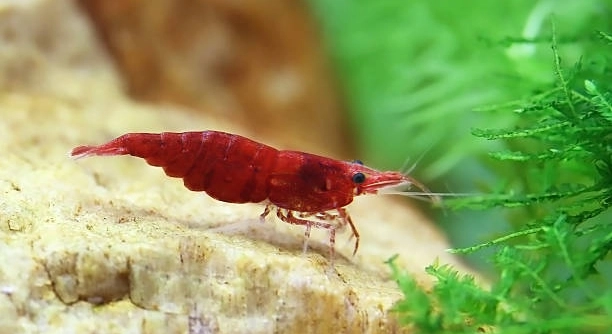
Do you ever find yourself wondering how to keep your cherry shrimp healthy without overfeeding them? These tiny aquatic creatures need proper care and a balanced diet to thrive in a home aquarium environment.
Cherry shrimp do not require the exact same food every day. A varied diet including algae, biofilm, vegetables, and high-quality shrimp pellets ensures optimal growth, coloration, and overall health. Rotating food types prevents nutritional deficiencies and promotes a stable environment.
Providing a mix of foods can make feeding more effective and maintain shrimp vitality while supporting a clean, balanced tank ecosystem.
Why Variety Matters in a Cherry Shrimp Diet
Feeding cherry shrimp the same food every day may seem simple, but it can limit their nutritional intake. These shrimp need a mix of algae, biofilm, vegetables, and specialized shrimp pellets to stay healthy. Algae and biofilm provide natural grazing options and support digestion. Vegetables like blanched spinach or zucchini add fiber and essential vitamins that pellets alone might not cover. High-quality pellets or flakes are fortified with proteins and minerals necessary for growth and reproduction. Rotating foods also encourages natural foraging behavior, keeping shrimp active and engaged. Over time, a varied diet strengthens their immune system, improves coloration, and supports molting cycles. Even small changes, like offering a different type of pellet or seasonal vegetable, can make a noticeable difference in shrimp vitality. By paying attention to variety, tank conditions remain stable, and shrimp thrive without the risk of deficiencies.
Providing multiple food options is key to maintaining overall shrimp health and tank balance.
A consistent rotation of foods ensures that shrimp get both energy and essential nutrients. While algae and biofilm support natural grazing, vegetables add vitamins, and pellets supply proteins and minerals. Observing shrimp behavior can guide feeding schedules and portion sizes, reducing leftover food that might harm water quality.
Daily Feeding Tips for Cherry Shrimp
Feed small amounts several times a week rather than one large feeding.
Overfeeding can pollute the tank and harm shrimp. Start with tiny portions, enough for shrimp to consume within a few hours. Monitor their activity and adjust amounts based on tank population and food type. Remove any uneaten vegetables or pellets to prevent decay and maintain water clarity. Consistent observation helps avoid stress and ensures shrimp receive proper nutrition without compromising their environment.
Understanding proper feeding schedules also supports molting and reproduction. Shrimp require nutrients like calcium, protein, and vitamins in balanced amounts to maintain shell strength and overall health. Feeding small amounts prevents sudden spikes in waste, which could increase ammonia or nitrite levels. Combining different food types in rotation ensures shrimp receive all essential nutrients without overloading the tank with one type of food. Blanched vegetables can be softened for easy consumption, while algae wafers and pellets should be portioned carefully. Observing how shrimp interact with each food helps fine-tune feeding routines, ensuring all individuals are nourished. Regular adjustments and attention to feeding habits create a healthy tank ecosystem where shrimp flourish, grow strong, and maintain vibrant colors, contributing to a stable and visually appealing aquarium.
Best Vegetables for Cherry Shrimp
Blanched zucchini, spinach, and cucumber are ideal vegetables for cherry shrimp. These provide fiber and essential nutrients while being easy for shrimp to eat. Small portions prevent water contamination and keep the tank clean, supporting a healthy environment for shrimp growth and activity.
Vegetables like zucchini and spinach are soft enough for shrimp to nibble easily after blanching. They supply vitamins that support molting and shell strength. Avoid adding too much at once, as decaying vegetables can affect water quality. Rotating vegetables ensures shrimp receive different nutrients and prevents boredom in feeding routines. Some shrimp may prefer one type over another, so offering variety keeps all individuals active and engaged.
Other options include blanched carrots, peas, and leafy greens. Peas are rich in fiber, which aids digestion, while carrots add beta-carotene for color enhancement. Leafy greens like kale or lettuce should be offered sparingly to avoid overloading the tank with decomposing matter. Preparing vegetables properly, such as softening or cutting into small pieces, ensures shrimp can access them easily. By combining multiple vegetable types and rotating them, shrimp remain healthy, active, and colorful without negatively affecting water conditions.
Avoid Overfeeding and Monitor Portions
Feed small amounts frequently to prevent overfeeding. Remove leftovers promptly to maintain clean water and reduce algae buildup.
Overfeeding can stress shrimp and create poor water conditions. Observing how much food is consumed in a few hours helps determine proper portion size. Uneaten food should be removed to prevent ammonia spikes and encourage natural grazing behavior. Adjust feeding based on shrimp activity and tank population. Maintaining careful portion control reduces the risk of disease and supports consistent growth and coloration. Monitoring intake allows shrimp to receive nutrients without overwhelming the tank ecosystem.
Keeping track of how each type of food is eaten helps refine feeding habits. Some foods are consumed faster, indicating preference or ease of access. Portioning vegetables, pellets, and algae wafers according to shrimp numbers ensures balanced nutrition. Monitoring leftovers prevents water quality issues and maintains a healthy tank. Adjusting feeding frequency and portion size according to shrimp growth and reproduction cycles supports long-term health. Regular observation also allows identification of dietary gaps, ensuring all shrimp benefit from the diet provided. This method maintains a stable environment while promoting vibrant, active shrimp.
Feeding Frequency for Cherry Shrimp
Feeding cherry shrimp two to three times per week is sufficient for most tanks. Smaller portions at each feeding prevent water pollution and encourage natural grazing behavior. Observing shrimp activity helps adjust frequency to match their needs.
Shrimp can survive short periods without food because they graze on biofilm and algae. Overfeeding can lead to excess waste, cloudy water, and stress in the tank. Maintaining a consistent schedule ensures shrimp receive adequate nutrition without compromising water quality.
Using Shrimp Pellets Effectively
High-quality shrimp pellets should be offered in small amounts to supplement natural grazing. These pellets provide essential proteins and minerals that vegetables and algae might lack. Rotating pellets with other foods prevents nutritional deficiencies and encourages varied feeding behavior. Proper portioning avoids leftover food that can harm water conditions.
Observing Shrimp Eating Habits
Watching how shrimp interact with food helps identify preferences and dietary gaps. Adjusting food types and portions based on behavior ensures balanced nutrition.
FAQ
How often should I feed my cherry shrimp?
Cherry shrimp do not need daily feeding. Feeding them two to three times a week is sufficient if the tank has plenty of algae and biofilm. Small portions at each feeding prevent overfeeding and keep water quality stable. Observing shrimp activity will help adjust the schedule if needed.
Can cherry shrimp eat the same food every day?
While they can survive on the same food, variety is important. Rotating vegetables, pellets, and algae ensures they receive all necessary nutrients. A mixed diet supports growth, molting, and vibrant coloration while preventing deficiencies. Over time, offering only one type of food may lead to weaker shells or reduced reproduction.
What vegetables are safe for cherry shrimp?
Blanched zucchini, spinach, cucumber, carrots, and peas are ideal. Leafy greens like kale and lettuce can be offered sparingly. Vegetables should be softened or cut into small pieces to make them easier to eat. Rotating these options provides fiber and essential vitamins.
How much food should I give at each feeding?
Offer only what shrimp can consume within a few hours. Overfeeding can pollute the tank and stress shrimp. Start with tiny portions and adjust based on how much is eaten. Remove leftovers promptly to prevent ammonia buildup and maintain a clean environment.
Do cherry shrimp need protein supplements?
Yes, proteins are important for growth and molting. High-quality shrimp pellets or specialized flakes provide necessary protein and minerals. Rotating with vegetables and algae ensures shrimp receive a balanced diet without overloading the tank. Protein supports shell strength and reproduction.
Can overfeeding harm cherry shrimp?
Yes, overfeeding can stress shrimp, cause water quality issues, and promote algae overgrowth. Uneaten food decomposes quickly, increasing ammonia and nitrite levels. Monitoring portions and feeding frequency keeps shrimp healthy and the tank environment balanced.
Should I remove uneaten food?
Yes, removing leftover food prevents decay and water pollution. Uneaten vegetables or pellets can quickly degrade, harming shrimp health and tank stability. Regular observation ensures that shrimp consume what they need without creating extra waste.
How do I know if my shrimp are getting enough nutrients?
Healthy shrimp are active, brightly colored, and molt regularly. If shrimp appear dull, weak, or stop molting, it may indicate a nutritional deficiency. Observing feeding habits and rotating food types can help ensure a balanced diet.
Are algae wafers necessary?
Algae wafers supplement natural grazing on biofilm and algae. They provide fiber and essential nutrients, especially in tanks with limited natural algae. Offering wafers occasionally can maintain health without overfeeding.
Can shrimp survive without vegetables?
They can survive for a while on biofilm and pellets, but vegetables add fiber and vitamins that promote optimal health. A lack of vegetables may lead to slower growth and weaker shells over time. Regularly adding soft vegetables ensures balanced nutrition.
How can I tell which foods my shrimp prefer?
Observe which foods are consumed first during feeding. Some shrimp may favor blanched vegetables, while others go for pellets or algae wafers. Adjusting the rotation based on preferences helps ensure all shrimp receive enough nutrition.
Is feeding at the same time every day important?
Feeding on a regular schedule helps shrimp anticipate meals and maintain consistent activity. While they do not require daily feeding, consistent timing reduces stress and ensures efficient consumption of food.
Can I feed shrimp live foods?
Yes, small live foods like micro worms or daphnia can supplement their diet. These foods add protein and stimulate natural foraging behavior. Use live foods sparingly and ensure they are safe and disease-free.
What signs indicate overfeeding?
Cloudy water, leftover food, and increased algae growth are signs. Shrimp may also appear less active if water quality deteriorates. Reducing portions and removing uneaten food quickly can correct these issues.
How do I balance variety with portion control?
Offer small amounts of different foods, ensuring the total quantity is appropriate for the shrimp population. Rotating food types maintains nutrition while preventing excess waste. Observation and adjustment are key to balancing variety and tank health.
Can shrimp eat fruit?
Some fruits like small pieces of apple or melon can be offered occasionally. Remove uneaten fruit promptly, as it decomposes quickly. Fruits are a treat rather than a staple and should not replace vegetables or pellets.
How important is water quality during feeding?
Water quality is crucial. Overfeeding or leaving leftovers can increase ammonia, nitrite, and nitrate levels, harming shrimp. Maintaining clean water, proper filtration, and moderate feeding keeps shrimp healthy and supports a balanced ecosystem.
Do juvenile shrimp need different food than adults?
Juvenile shrimp require smaller, softer food to consume easily. Powdered shrimp food or finely crushed pellets work well. Adults can handle larger pieces of vegetables and pellets. Feeding age-appropriate portions ensures proper growth and health.
How long can shrimp go without food?
Cherry shrimp can survive a few days without supplemental food if the tank has algae and biofilm. Longer periods without food may slow growth, molting, and reproduction. Regular observation ensures they receive enough nutrition without overfeeding.
Is it necessary to change feeding habits seasonally?
Feeding can remain consistent year-round in a stable aquarium. However, observing shrimp activity and growth may indicate minor adjustments, such as increasing vegetables or protein sources if shrimp appear less active or during molting cycles.
Caring for cherry shrimp requires attention to their dietary needs, and understanding the importance of variety is essential. Feeding them the same food every day may seem convenient, but it does not provide all the nutrients they need. A balanced diet consisting of vegetables, algae, biofilm, and high-quality shrimp pellets ensures they receive the right mix of vitamins, minerals, and protein. Vegetables like blanched zucchini, spinach, and carrots supply fiber and essential nutrients, while pellets provide proteins and minerals that support growth, shell strength, and reproduction. Algae and biofilm in the tank offer natural grazing opportunities that keep shrimp active and engaged. Rotating these foods helps prevent deficiencies and promotes a healthier, more vibrant shrimp population. Paying attention to food variety also helps maintain water quality by reducing the risk of leftover food decaying in the tank.
Feeding frequency and portion control are just as important as the types of food offered. Cherry shrimp do not need to eat every day, and feeding small portions two to three times per week is usually sufficient. Overfeeding can lead to excess waste, higher ammonia and nitrite levels, and stress for the shrimp. Observing how much food is consumed in a few hours allows you to adjust portions as needed. Leftover food should be removed promptly to prevent water quality issues. Monitoring shrimp behavior during feeding can also help identify preferences, ensuring all individuals are receiving proper nutrition. By maintaining a consistent feeding routine and adjusting food types and amounts, shrimp remain healthy, active, and colorful, while the tank environment stays balanced and stable.
It is also important to consider the overall environment when planning shrimp care. A clean tank with proper filtration, stable water parameters, and suitable hiding places supports health and reduces stress. Balanced nutrition combined with good water quality promotes natural behaviors such as grazing, molting, and reproduction. Paying attention to both the food offered and the shrimp’s response allows you to make small adjustments that have long-term benefits. Over time, this approach leads to a thriving shrimp colony with strong shells, bright colors, and active behavior. Providing variety in diet, controlling portions, and maintaining proper tank conditions creates a sustainable and healthy habitat where cherry shrimp can flourish for years, making the care process both effective and rewarding.

Hello,
If you enjoy the content that we create, please consider saying a "Thank You!" by leaving a tip.
Every little bit helps us continue crafting quality advice that supports the health, happiness, and well-being of pets around the world, for pets of all shapes, sizes, and species.
We really appreciate the kindness and support that you show us!