
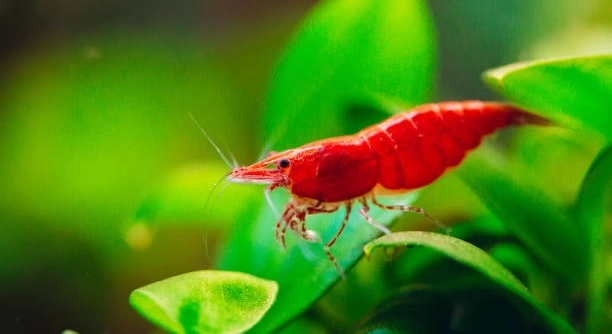
Do you ever introduce new creatures to your tank and notice your cherry shrimp acting differently than usual? Their small size and delicate nature often make these changes in behavior quite noticeable and sometimes surprising to observe.
Cherry shrimp exhibit a range of reactions when new tankmates are introduced, including hiding, increased skittishness, cautious exploration, and occasional territorial displays. These responses are influenced by the species, size, and behavior of the newcomers, as well as the tank environment.
Observing these behaviors closely can help you ensure a harmonious community tank and maintain your shrimp’s overall health and comfort.
Hiding in Corners
Cherry shrimp often retreat to corners or dense plants when new tankmates are introduced. This behavior is a natural response to perceived threats, allowing them to feel safer. They tend to remain motionless, blending into their surroundings to avoid attention. During this period, feeding patterns may change, and they might be less active than usual. Observing their preferred hiding spots can help you understand their comfort zones and identify which areas of the tank provide the most security. Adjusting decorations or adding more plants can encourage them to feel safer while still being able to explore the environment gradually. Monitoring their activity over several days will reveal if they are adjusting or still stressed by the new additions. Patience is important, as forcing interactions can cause unnecessary stress and impact their health.
These hiding behaviors are temporary and usually lessen as shrimp become accustomed to their tankmates.
Providing gentle observation and a stable environment ensures your shrimp feel secure and reduces prolonged stress in the aquarium.
Cautious Exploration
Cherry shrimp may slowly begin to explore the tank after the initial stress.
They often move in short, careful bursts, testing areas for safety. During this time, they remain alert, frequently pausing to scan for potential threats. Introducing new tankmates gradually or rearranging tank decorations can support this adjustment. Observing their movements and interactions can indicate how comfortable they feel with the newcomers. Some shrimp may approach the center of the tank while others stay near shelter, demonstrating different tolerance levels. Ensuring plenty of hiding spots and consistent water conditions encourages them to explore without feeling threatened. Their curiosity increases gradually as they assess the risk posed by each tankmate. Feeding small portions in different areas can further promote exploration and reduce stress. Over time, cautious exploration transitions into more confident swimming and normal behavior, reflecting successful adaptation to their environment.
Tracking these responses over several weeks helps you gauge compatibility and identify if any behavioral adjustments are needed. Maintaining a calm environment and minimizing sudden changes encourages healthy social dynamics among all tank residents.
Skittish Movements
Cherry shrimp often twitch or dart when tankmates move suddenly.
These sudden movements are a defense mechanism. Even harmless fish can trigger skittish reactions, causing shrimp to move quickly between plants or decorations. They may freeze briefly before dashing to safety, showing heightened awareness of their surroundings. Skittish behavior can be more noticeable in smaller or younger shrimp. Observing these patterns helps determine which tankmates are more stressful. Adjusting lighting, providing more cover, or spacing out feeding times can reduce this stress. Over time, shrimp usually become less reactive as they recognize predictable tankmates.
Patience and observation are key to helping skittish shrimp gain confidence and maintain normal activity levels.
Providing calm, stable conditions supports their adjustment and encourages more natural behavior throughout the tank.
Interaction with Tankmates
Cherry shrimp may show subtle social behaviors when new tankmates are introduced.
They can engage in gentle nudging, following, or parallel swimming with certain tankmates, particularly other peaceful species. These interactions are usually brief and cautious, reflecting curiosity without aggression. Shrimp may test boundaries or observe movements from a safe distance. Tank size, vegetation density, and hiding spaces influence the frequency and type of interactions. Aggressive or fast-moving species can limit these behaviors, causing shrimp to retreat more often. Providing a balanced environment ensures opportunities for safe social exploration while minimizing stress. Feeding in multiple areas also encourages shrimp to interact without feeling threatened. These behaviors indicate gradual adaptation and increased confidence within the tank ecosystem.
Tracking interactions helps identify compatible species combinations and promotes a harmonious aquatic environment.
Color Changes
Cherry shrimp may display color changes when new tankmates arrive.
Stress or caution can cause them to appear paler or slightly dull. These changes are temporary and usually reverse as shrimp adjust to their environment and feel more secure over time.
Monitoring their coloration can help identify ongoing stress or discomfort.
Clustering Behavior
Shrimp sometimes gather together when new tankmates are present.
This grouping provides a sense of safety, reducing individual exposure to perceived threats. Clustering is more common in open areas of the tank with fewer hiding spots. Watching these patterns helps assess comfort levels and whether additional cover is needed to support their well-being.
Feeding Hesitation
Cherry shrimp often hesitate to eat initially when new tankmates are introduced.
They may remain near shelter, waiting until the tank feels safe before venturing out to feed. Small, scattered portions placed near hiding areas encourage them to eat without exposing themselves to perceived risks. Gradually, normal feeding behavior resumes as confidence returns.
Rapid Tail Flicks
Rapid tail flicking can occur as a stress response.
This movement helps shrimp escape quickly from potential danger, signaling caution in the presence of unfamiliar tankmates.
FAQ
Why do my cherry shrimp hide so much when I add new fish?
Cherry shrimp hide as a natural response to perceived threats. When new tankmates are introduced, even non-aggressive fish can trigger stress. Hiding helps them feel secure and protects them from potential danger. Providing dense plants, rocks, or decorations offers places to retreat, which encourages gradual exploration. Over time, as they adjust to the new tankmates, hiding behavior usually decreases. Observing which areas they prefer can help you optimize tank setup for comfort. Patience is essential, as forcing them out can increase stress and impact feeding or growth.
Why are my shrimp moving so quickly around the tank?
Fast, skittish movements are a stress response to new tankmates or sudden changes. Cherry shrimp twitch, dart, or freeze when startled, even by small movements of other species. Maintaining consistent lighting and stable water conditions reduces unnecessary stress. Arranging hiding spots throughout the tank allows shrimp to navigate safely without feeling exposed. Over time, repeated exposure to calm, non-threatening tankmates helps them become less reactive. Tracking these movements can indicate how well your shrimp are adjusting and whether any tankmates are causing persistent stress.
Why are their colors fading after adding new tankmates?
Color fading often reflects stress or caution. When cherry shrimp feel threatened, their pigmentation can become paler. This response is temporary and generally reverses once they feel secure. Providing adequate hiding spots, stable water conditions, and minimizing sudden movements in the tank helps them regain full coloration. Observing color changes can be a useful indicator of their comfort and stress levels. Ensuring compatible tankmates and gradual introductions reduces prolonged fading.
Why do my shrimp cluster together after adding new tankmates?
Clustering is a safety mechanism. Cherry shrimp group together to feel protected when they sense potential threats. This behavior is more common in open areas lacking cover. Clustering reduces exposure to perceived danger, allowing them to monitor surroundings collectively. Offering additional plants or shelters spreads out their options, helping them feel safe without crowding. This behavior usually diminishes as shrimp become familiar with the newcomers.
Why are my shrimp hesitant to eat when new tankmates arrive?
Feeding hesitation occurs because shrimp prioritize safety over food when stressed. They may stay near shelter and wait until the environment feels secure. Providing small, scattered food portions near hiding spots encourages feeding without forcing them into exposed areas. Gradual resumption of normal feeding indicates growing comfort. Regular monitoring ensures they maintain proper nutrition despite initial caution.
Why do they flick their tails rapidly sometimes?
Rapid tail flicking is a defense mechanism. Cherry shrimp use it to escape perceived threats, especially when startled by unfamiliar tankmates. Observing this behavior can indicate how stressed they are. Minimizing sudden disturbances and providing ample hiding areas reduces excessive tail flicking. Over time, as confidence increases, this behavior becomes less frequent.
How long does it take for shrimp to adjust to new tankmates?
Adjustment varies depending on shrimp personality, tankmate behavior, and environment. Some shrimp adapt within days, while others may take weeks. Consistent water conditions, plentiful hiding spots, and patient observation support smoother transitions. Gradual introductions or rearranging tank decorations can speed up adaptation. Monitoring behavior, color, and feeding patterns helps track comfort and ensures long-term well-being.
Can aggressive fish harm my cherry shrimp?
Yes, aggressive or fast-moving fish can stress or injure cherry shrimp. Even species that aren’t outright predators may intimidate them, limiting feeding and exploration. Ensuring tankmates are peaceful and compatible is critical. Observing interactions closely helps identify stress triggers and determine if alternative housing or barriers are needed. Proper tank setup minimizes risk.
What signs indicate my shrimp are comfortable around new tankmates?
Signs of comfort include normal swimming patterns, consistent feeding, bright coloration, and reduced hiding. They may explore open areas, interact gently with other shrimp, or spread out rather than cluster. Gradual confidence and regular activity indicate successful adaptation. Maintaining a stable, well-structured environment reinforces these positive behaviors over time.
How can I reduce stress for cherry shrimp during introductions?
Provide plenty of hiding spots, stable water conditions, and gradual introductions. Avoid overcrowding, sudden movements, or abrupt changes. Feeding in multiple locations encourages exploration without forcing shrimp into exposed areas. Observing behavior regularly allows early intervention if stress persists. Patience is key for long-term adjustment and well-being.
Can tank layout affect shrimp reactions to new tankmates?
Absolutely. Dense plants, caves, and decorations give shrimp options to retreat, reducing stress. Open areas may increase skittish movements and hiding. Rearranging the layout or adding cover can support cautious exploration. A thoughtfully structured tank encourages natural behaviors and minimizes prolonged stress during introductions.
Should I separate shrimp from new tankmates initially?
Temporary separation can help if tankmates are large, fast, or aggressive. Using a divider or quarantine tank allows shrimp to observe without direct contact. This reduces stress and supports gradual acclimation. Once comfortable, slow integration ensures healthier interactions and less risk of injury or prolonged hiding.
What is the most common mistake when adding new tankmates?
Rushing introductions or ignoring shrimp’s need for cover often causes stress. Adding too many new tankmates at once or using aggressive species can disrupt normal behavior. Gradual introductions, monitoring behavior, and providing hiding spaces prevent these problems and support a harmonious tank environment.
Can environmental factors influence shrimp reactions?
Yes. Temperature changes, water chemistry fluctuations, or sudden lighting adjustments can amplify stress. Maintaining consistent conditions alongside careful tankmate introductions ensures shrimp remain healthy and confident. Regular water testing and stable maintenance routines reduce risk of stress-related reactions.
How do I know if a shrimp is too stressed?
Signs include prolonged hiding, faded color, constant tail flicking, or refusal to eat. Severe stress can impact molting and overall health. Observing patterns over several days helps determine if intervention is needed. Adjusting tankmates, layout, or environmental factors can reduce prolonged stress.
Are some shrimp more tolerant of new tankmates than others?
Yes, individual temperament varies. Some shrimp adapt quickly, exploring open spaces and feeding normally, while others remain cautious and hide longer. Observing individual behavior allows you to identify those that may need extra care or more gradual exposure to new tankmates.
Cherry shrimp are small, delicate creatures, and their reactions to new tankmates can be surprising at first. Their behaviors, from hiding to skittish movements or clustering, are all ways they cope with changes in their environment. Understanding these responses helps you provide a safe and comfortable space for them. Each shrimp may respond differently depending on their personality, age, and previous experiences. Some are naturally more cautious, while others explore quickly and regain confidence sooner. Observing them closely during introductions allows you to recognize normal adjustment behaviors versus signs of prolonged stress. Simple actions like adding hiding spots, rearranging plants, and keeping water conditions stable can make a significant difference in how quickly they adapt. Gradual, careful introductions are always preferable to sudden changes, reducing unnecessary stress and giving shrimp the chance to feel secure in their surroundings. Even small adjustments to tank layout can encourage more confident swimming and exploration over time, helping shrimp feel more at ease with their new companions.
Providing a well-structured and calm environment is key to maintaining harmony in a tank with multiple species. Cherry shrimp rely heavily on visual cues and safe spaces, so dense vegetation, rocks, and decorations not only offer shelter but also reduce encounters that might trigger stress. Feeding strategies can also influence their comfort levels. Offering food near hiding spots and distributing portions in different areas allows shrimp to eat without exposing themselves to potential threats. Monitoring feeding habits and activity patterns provides insights into their adaptation process. Stress can impact growth, molting, and overall health, so early observation and intervention are important. Over time, as shrimp adjust, their colors return, movement becomes more confident, and normal social behaviors reappear. Consistency in maintenance routines, such as stable temperature, clean water, and regular but calm interaction with the tank, supports their long-term well-being. By paying attention to these details, you can help shrimp gradually accept new tankmates without compromising their health or comfort.
Adjustment periods vary, and patience is essential when introducing new species. Some shrimp may take only a few days to regain normal behavior, while others require several weeks. Forcing interaction or overhandling can prolong stress and reduce confidence. Observing individual shrimp and their interactions provides valuable feedback about tank dynamics. Compatibility between species plays a crucial role in shaping their responses, so selecting peaceful, slow-moving, and non-aggressive tankmates is always beneficial. Remember, each shrimp’s behavior is influenced by its surroundings, so careful planning and a well-thought-out setup can prevent many stress-related issues. Maintaining a balanced ecosystem in the tank ensures all residents, including cherry shrimp, thrive together. By creating a secure and predictable environment, you encourage natural behaviors, minimize stress, and support overall health. Watching shrimp gradually explore, feed, and interact with confidence can be rewarding, demonstrating that thoughtful care and attention make a meaningful difference in their daily lives.

Hello,
If you enjoy the content that we create, please consider saying a "Thank You!" by leaving a tip.
Every little bit helps us continue crafting quality advice that supports the health, happiness, and well-being of pets around the world, for pets of all shapes, sizes, and species.
We really appreciate the kindness and support that you show us!