
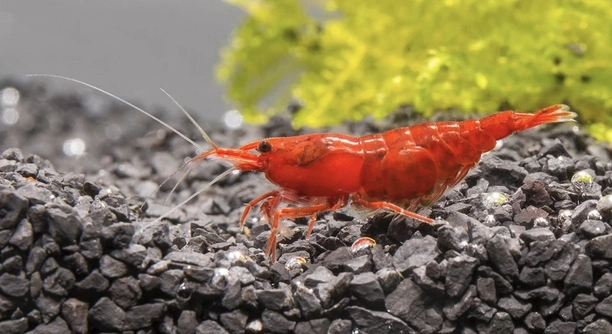
Cherry shrimp are a charming addition to any freshwater aquarium, adding color and movement to your tank. Many hobbyists notice that these small creatures often gather on driftwood, creating a lively, clustered scene in the water. Their behavior can be intriguing to observe.
Cherry shrimp tend to congregate on driftwood primarily because it provides both shelter and a reliable surface for grazing biofilm. The porous texture of driftwood supports natural feeding habits and offers protection from potential threats, encouraging prolonged activity in these areas.
Understanding why shrimp favor driftwood can improve tank setups and overall shrimp health. Observing their patterns offers insights into creating a more balanced and engaging aquarium environment.
Why Cherry Shrimp Prefer Driftwood
Cherry shrimp are naturally drawn to driftwood because it mimics their natural habitat. The textured surfaces allow them to graze on biofilm, algae, and microorganisms, which make up the majority of their diet. Driftwood also provides small crevices where shrimp can hide and feel secure, reducing stress. In a tank without sufficient cover, shrimp may feel exposed, which can affect feeding and breeding behaviors. Having driftwood creates a sense of safety while also supporting natural foraging instincts. Over time, shrimp establish small territories on the driftwood, often clustering in areas where food is abundant. The tannins released by the wood slightly tint the water, which can reduce stress and improve shrimp coloration. Shrimp also use driftwood as a resting area, frequently staying near it even when other food sources are available. Overall, driftwood serves as both a food source and shelter, encouraging healthy activity in the aquarium.
Driftwood acts as a central gathering spot, offering food, security, and a natural surface that supports daily shrimp activity and social interaction.
Having driftwood in your tank can influence how shrimp interact with each other. They often form small groups, feeding together or exploring nearby areas. The driftwood’s texture allows biofilm and algae to grow steadily, giving shrimp a reliable source of nutrition. Placement of driftwood also affects water flow, which can enhance oxygenation and distribute nutrients, indirectly benefiting shrimp health. Observing shrimp behavior around driftwood can reveal their preferences for shade, surface texture, and the presence of other shrimp. Providing multiple pieces of driftwood or arranging them creatively can reduce competition and promote more even distribution throughout the tank. Properly maintained, driftwood supports the tank’s ecosystem, encouraging balanced growth of plants, microorganisms, and shrimp populations. This setup helps shrimp feel secure while maintaining natural grazing habits, ultimately improving both activity levels and overall well-being.
How to Maintain Driftwood for Cherry Shrimp
Keeping driftwood clean and safe is key to supporting shrimp health. Light brushing and soaking can prevent mold or harmful bacteria growth while maintaining beneficial biofilm.
Regular maintenance of driftwood ensures that shrimp always have a healthy surface to graze. Soaking wood before adding it to the tank reduces excess tannins and prevents sudden water discoloration. Periodically, gently scrubbing the wood with a soft brush removes accumulated debris while leaving biofilm intact. Avoid using soap or chemicals, as shrimp are sensitive to residues. If mold or algae overgrowth occurs, manually removing it or temporarily isolating the wood helps maintain balance. Driftwood also interacts with the tank’s pH, slowly releasing tannins that lower water hardness. Monitoring water parameters ensures shrimp remain healthy. By keeping driftwood clean, you provide both a secure shelter and a consistent food source. Over time, this careful maintenance supports natural shrimp behaviors, promotes breeding, and helps sustain a vibrant, active aquarium community, making the tank visually appealing and ecologically balanced.
Feeding Habits on Driftwood
Cherry shrimp spend much of their time grazing on the surfaces of driftwood. The biofilm and algae that grow there are their main food sources. They prefer the textured surfaces because it is easier to find small particles and microorganisms.
Driftwood provides a steady source of nutrition for shrimp. As biofilm and algae grow naturally on the wood, shrimp can feed throughout the day without searching the entire tank. The irregular surfaces allow shrimp to access hidden food, encouraging more natural foraging behavior. Shrimp often scrape the wood gently with their tiny appendages, efficiently collecting the microorganisms they need to stay healthy. This constant grazing supports proper growth, enhances coloration, and encourages active movement in the tank.
When multiple shrimp share the same piece of driftwood, they often feed in close proximity without aggression. The surface area allows several shrimp to graze simultaneously, which helps maintain a peaceful tank environment. Driftwood also traps detritus and leftover food, giving shrimp additional grazing opportunities. Regular observation shows shrimp actively exploring all parts of the driftwood, occasionally moving to shaded or less exposed areas for safety while feeding. Overall, the wood acts as both a reliable food source and a gathering spot, supporting social interaction and natural behavior.
Choosing the Right Driftwood
Not all driftwood types are equally suitable for shrimp tanks. Hardwoods with smooth edges are safer and last longer. Softwoods may decay too quickly, altering water conditions.
Selecting the proper driftwood ensures longevity and a stable environment for shrimp. Hardwoods like Malaysian, Mopani, or Cholla resist rapid decay and provide extensive surface area for biofilm growth. Size and shape matter; pieces should allow shrimp to hide and explore while fitting comfortably in the tank. Pre-soaking wood helps remove excess tannins, preventing sudden water discoloration and pH shifts. Smooth edges reduce the risk of shrimp injury, as sharp or brittle wood can damage delicate bodies. Choosing driftwood carefully balances aesthetics, practicality, and shrimp safety, creating a sustainable feeding and resting area.
Once driftwood is placed, monitoring its impact on water parameters is important. Over time, tannins may slightly lower pH and soften water, which many shrimp tolerate well. Maintaining a clean surface by occasionally removing debris or lightly scrubbing helps preserve biofilm growth. Proper positioning prevents obstruction of filters or circulation, ensuring healthy oxygen levels. Multiple smaller pieces can increase grazing surfaces and provide more hiding spots, reducing competition among shrimp. By selecting driftwood thoughtfully and maintaining it carefully, the tank supports natural shrimp behaviors, encourages breeding, and enhances overall tank stability, resulting in a healthier and more active shrimp population.
Shelter and Safety
Driftwood offers cherry shrimp a secure place to hide from stressors and potential threats. The crevices and overhangs mimic natural shelters, allowing shrimp to feel protected while remaining close to feeding areas. This reduces stress and encourages normal activity throughout the day.
Shrimp use driftwood as a resting area during molting. The textured surface provides grip and support, preventing injury. It also offers shaded spots that reduce exposure to bright light, which can be stressful for these delicate creatures.
Impact on Water Quality
Driftwood slowly releases tannins into the water, which can slightly lower pH and soften water. This process creates a more natural environment and can improve shrimp coloration, while also supporting beneficial microbial growth on its surface.
Observing Behavior Patterns
Shrimp often cluster on specific parts of driftwood based on food availability, light exposure, and safety. Monitoring these patterns can help in optimizing tank layout.
FAQ
Why do cherry shrimp stay on driftwood most of the time?
Cherry shrimp are naturally drawn to driftwood because it provides both food and shelter. The porous surface allows biofilm and algae to grow, which serve as their main food source. Shrimp also feel safer in the crevices and shaded areas, reducing stress and encouraging natural behavior.
Can cherry shrimp survive without driftwood in the tank?
Yes, they can survive, but their activity and feeding habits may be affected. Without driftwood, shrimp may struggle to find consistent grazing surfaces, and they lack natural hiding spots. This can lead to stress, slower growth, and reduced breeding activity. Adding driftwood helps mimic natural conditions.
What type of driftwood is best for cherry shrimp?
Hardwoods such as Malaysian, Mopani, or Cholla driftwood are ideal. They resist rapid decay, provide durable surfaces for biofilm growth, and have natural crevices for shelter. Avoid softwoods that may decompose quickly, release harmful substances, or have sharp edges that can injure shrimp.
Do I need to clean driftwood regularly?
Yes, occasional cleaning is recommended. Light scrubbing or rinsing removes excess debris without stripping away beneficial biofilm. Avoid using chemicals or soaps, as residues can harm shrimp. Proper maintenance keeps the driftwood safe, supports healthy feeding, and prevents unwanted mold or algae overgrowth.
How does driftwood affect water parameters?
Driftwood releases tannins slowly, which can slightly lower pH and soften water. This creates a more natural environment for cherry shrimp and encourages vibrant coloration. Monitoring water parameters ensures that the tank remains stable and shrimp stay healthy, while maintaining the balance of beneficial microorganisms.
Can multiple shrimp share the same piece of driftwood?
Yes, driftwood provides enough surface area for several shrimp to graze and hide without conflict. Observing their behavior can help determine if additional pieces are needed to reduce competition and allow for more evenly distributed feeding and resting spots.
Will driftwood encourage breeding in cherry shrimp?
Driftwood indirectly supports breeding by providing safe hiding spaces for molting and resting. Secure, shaded areas reduce stress, which is essential for reproductive health. Additionally, consistent grazing surfaces improve nutrition, supporting overall vitality and the likelihood of successful breeding.
How should I place driftwood in the tank?
Place driftwood to create shaded areas, hiding spots, and easy access to feeding zones. Ensure it doesn’t block filters or disrupt water flow. Using multiple pieces can increase grazing surfaces, prevent overcrowding, and provide more natural exploration paths for shrimp.
Can driftwood decay over time?
Yes, even hardwoods will slowly break down over months or years. Regular monitoring helps detect soft spots or excessive algae growth. Replacing or repositioning driftwood before it decays too much ensures a safe, stable environment for shrimp and maintains the tank’s aesthetic.
Is it okay to combine driftwood with live plants?
Absolutely. Live plants and driftwood complement each other. Plants provide additional hiding spots, oxygenation, and nutrient balance, while driftwood supports biofilm growth and shelter. Together, they create a more natural habitat, enhancing shrimp activity, health, and overall tank stability.
Can cherry shrimp eat anything off driftwood besides biofilm?
Shrimp will also nibble on leftover food, tiny algae fragments, or decaying plant matter on driftwood. While biofilm is their primary food, these additional sources provide variety and supplemental nutrition. Observing their grazing patterns helps ensure the tank environment supports balanced feeding.
How long does it take for driftwood to develop biofilm suitable for shrimp?
Biofilm can start forming within a few days, but a mature layer suitable for grazing may take several weeks. Pre-soaking the driftwood in water can encourage early microbial growth. Consistent tank conditions, including proper lighting and nutrients, help maintain biofilm growth over time.
Does driftwood affect tank maintenance routines?
Yes, driftwood requires some attention, such as occasional rinsing and monitoring for decay. It can also trap detritus, which needs removal to prevent water quality issues. Overall, the benefits for shrimp behavior and health outweigh the minor additional maintenance.
Can cherry shrimp survive on artificial decorations instead of driftwood?
Artificial decorations provide hiding spots but usually lack the natural texture and biofilm growth that shrimp prefer. While shrimp can survive, they may be less active and stressed. Driftwood creates a more natural feeding and shelter environment, supporting overall health and well-being.
How do I know if my shrimp like the driftwood placement?
Shrimp tend to gather, graze, and rest on driftwood if placement suits them. If they avoid it, consider adjusting light exposure, flow, or position. Multiple surfaces and shaded areas encourage exploration and natural behavior patterns, ensuring shrimp feel secure and active.
Is there a risk of introducing pests with driftwood?
Yes, unprepared driftwood can carry mold, algae, or unwanted microorganisms. Proper soaking, boiling, or rinsing before adding it to the tank helps minimize these risks. Monitoring the tank after placement ensures shrimp remain safe while the wood establishes a healthy biofilm layer.
Can driftwood be used in shrimp tanks with other species?
Yes, but consider compatibility. Fish or snails may also use driftwood for grazing or hiding. Ensure all species benefit without creating competition or stress for shrimp. Properly arranged driftwood supports multi-species tanks while maintaining healthy shrimp behavior and feeding patterns.
What is the lifespan of driftwood in a shrimp tank?
Hardwoods can last several years if maintained properly. Regular observation for softening, excessive algae, or water discoloration helps determine when replacement or repositioning is needed. Longevity depends on wood type, tank conditions, and maintenance routines.
Does driftwood affect shrimp coloration?
Indirectly, yes. Providing a natural environment with hiding spots and biofilm-rich surfaces reduces stress and encourages healthy feeding. Proper nutrition and low-stress conditions contribute to brighter and more vibrant shrimp coloration over time.
How do I introduce driftwood to an established tank?
Clean and soak the wood before placement to reduce tannin release. Slowly add it near existing plants and decorations, allowing shrimp to explore naturally. Monitor water parameters and shrimp behavior to ensure smooth integration and continued tank stability.
Can driftwood be moved once shrimp are accustomed to it?
Yes, but do so carefully. Moving it abruptly can disturb shrimp, biofilm, and tank balance. Gradual repositioning encourages shrimp to explore new surfaces while maintaining safety, feeding access, and natural grazing behavior.
Does the size of driftwood matter for shrimp activity?
Yes. Larger pieces offer more surface area for biofilm, hiding spots, and grazing. Smaller pieces create additional exploration zones. Balancing both ensures shrimp can feed, rest, and interact without overcrowding or competition.
Are there any risks of driftwood lowering pH too much?
Hardwoods typically cause slight, gradual pH changes, which most cherry shrimp tolerate well. Excessive tannin release can be monitored and mitigated with pre-soaking or partial water changes to maintain stable water chemistry suitable for shrimp health.
Can I combine different types of driftwood in one tank?
Yes, combining types increases surface diversity, textures, and hiding spots. Different woods release tannins at varying rates, enhancing biofilm growth and providing shrimp with varied feeding and resting options. Observing shrimp preferences helps determine which types work best.
Is driftwood necessary for shrimp tanks with plenty of plants?
While plants provide cover and grazing surfaces, driftwood offers additional texture and biofilm-rich areas. The combination enhances natural behavior, reduces stress, and supports both nutrition and resting areas, contributing to a healthier and more active shrimp population.
How long should driftwood be soaked before adding it to the tank?
Soaking for several days or even a week helps remove excess tannins and prevents sudden water discoloration. Boiling or soaking accelerates the process, ensuring driftwood is safe and ready for shrimp while promoting early biofilm growth.
Can driftwood help with molting in cherry shrimp?
Yes, driftwood provides a safe surface and shaded area for shrimp to molt without disturbance. The textured surface allows them to grip securely, reducing the risk of injury and supporting successful molting and overall health.
Does driftwood require any special care in soft water tanks?
Soft water is generally compatible with driftwood. Regular monitoring of pH and hardness ensures stability, while occasional rinsing maintains surface cleanliness. Driftwood can slowly lower pH, but in soft water, changes are usually mild and beneficial for shrimp.
Can driftwood affect algae growth in the tank?
Driftwood surfaces promote biofilm growth, which can include algae. While moderate algae is healthy for shrimp grazing, excessive growth may require light adjustments or manual cleaning. This balance ensures shrimp have food without negatively impacting tank aesthetics.
How do I know if driftwood is safe for my shrimp?
Properly prepared hardwood driftwood with smooth edges, soaked or boiled before placement, is generally safe. Avoid untreated or softwoods, check for mold, and monitor shrimp behavior. Healthy, active shrimp grazing and resting on the wood indicates a safe and suitable environment.
What is the best way to remove driftwood from a tank if needed?
Remove it carefully to avoid disturbing shrimp, biofilm, and substrate. Gently lift and rinse if reusing, or discard if decayed. Monitor water parameters afterward, as tannin levels or slight pH shifts may occur following removal.
Can driftwood harbor harmful bacteria?
Yes, if unprepared or decaying, driftwood can support harmful bacteria. Proper soaking, cleaning, and observation minimize risks. Established biofilm usually contains beneficial microbes that support shrimp feeding and health, but ongoing monitoring is important.
Does driftwood change the way shrimp interact socially?
Yes, driftwood creates natural gathering points and resting areas. Shrimp cluster on surfaces, graze together, and use hiding spots during molting. Providing multiple pieces can reduce competition and promote a more evenly distributed, peaceful social environment.
How often should I check driftwood for decay or algae overgrowth?
Regular observation every few weeks is sufficient. Look for soft spots, excessive mold, or algae covering the surface. Light cleaning or repositioning helps maintain a healthy environment while preserving beneficial biofilm for shrimp grazing.
Can driftwood be combined with rocks or caves for added shelter?
Yes, combining driftwood with rocks or artificial caves enhances hiding options, grazing surfaces, and exploration areas. This variety supports shrimp health, natural behavior, and activity while reducing stress and overcrowding in the tank.
Do cherry shrimp prefer vertical or horizontal driftwood surfaces?
Shrimp use both, depending on texture and light exposure. Horizontal surfaces often serve as grazing areas, while vertical or angled pieces provide climbing opportunities and shelter. Offering varied orientations encourages exploration, feeding, and natural movement.
How do I encourage shrimp to explore new driftwood?
Place the wood near feeding zones, shaded areas, or existing favorite surfaces. Gradual introduction, proper positioning, and stable water conditions help shrimp adapt quickly and establish new grazing and resting habits.
Can driftwood help prevent aggressive behavior among shrimp?
Providing multiple hiding spots and grazing areas reduces competition, helping maintain a peaceful tank environment. Shrimp can spread out, rest safely, and avoid stress, which minimizes aggressive interactions and promotes overall health.
Is it safe to use driftwood in shrimp tanks with sensitive species?
Yes, prepared hardwood driftwood is safe for sensitive shrimp and compatible species. Ensure proper soaking, monitor water parameters, and maintain cleanliness to prevent sudden chemical changes or microbial imbalances that could harm delicate inhabitants.
How long does driftwood continue to support biofilm growth?
Driftwood can support biofilm for months or years, depending on tank conditions and maintenance. Light, nutrients, and water flow influence microbial growth. Occasional cleaning ensures continued food availability for shrimp without disrupting beneficial microorganisms.
Can driftwood be used in tanks without filtration?
Yes, but careful monitoring of water quality is required. Driftwood provides surfaces for biofilm, but without filtration, debris and tannins may accumulate more quickly. Regular partial water changes help maintain a healthy environment for shrimp.
Does driftwood help reduce stress in cherry shrimp?
Yes, it provides hiding spots, shaded areas, and a secure resting surface. Reduced stress supports feeding, molting, breeding, and overall activity, contributing to a healthier and more vibrant shrimp population.
Are there any signs that shrimp dislike a piece of driftwood?
Shrimp may avoid it, remain in open areas, or show reduced grazing if placement or surface texture is unsuitable. Adjusting orientation, light exposure, or providing alternative surfaces encourages exploration and natural behavior.
Can driftwood impact water hardness?
Yes, some driftwood slowly releases tannins that soften water slightly. This is generally beneficial for cherry shrimp, helping replicate natural conditions and supporting healthy growth and coloration.
Is it necessary to boil driftwood before placing it in the tank?
Boiling helps remove debris, tannins, and potential pests, making the wood safer and quicker to prepare. It also encourages early biofilm growth, providing a ready grazing surface for shrimp.
How does driftwood support shrimp during molting?
Textured surfaces and sheltered areas allow shrimp to grip securely and rest safely while shedding their exoskeleton. This reduces stress and risk of injury, supporting successful molting and overall health.
Can driftwood be reused in another tank?
Yes, if cleaned and inspected for decay or mold. Pre-soaking or boiling ensures safety, and existing biofilm may provide an early food source for shrimp in the new tank.
Do cherry shrimp prefer a certain color or type of driftwood?
Shrimp are more influenced by texture, hiding spots, and biofilm availability than color. Hardwoods with crevices and porous surfaces are generally preferred over aesthetic considerations alone.
Does driftwood need sunlight exposure for biofilm growth?
Indirect light or aquarium lighting supports biofilm growth. Direct sunlight is not required and may cause algae overgrowth. Balanced lighting ensures shrimp have nutritious grazing surfaces without harming water quality.
Can driftwood help balance a newly established shrimp tank?
Yes, it provides grazing surfaces, shelters, and promotes microbial growth. Combined with proper cycling, plants, and water monitoring, driftwood helps create a more stable and supportive environment for shrimp.
How do I prevent driftwood from floating in the tank?
Soaking, weighing down with rocks, or attaching it to a stable base ensures driftwood remains submerged. This keeps surfaces accessible for grazing and hiding, supporting natural shrimp behavior.
Is driftwood compatible with all freshwater shrimp species?
Most freshwater shrimp benefit from driftwood, including cherry, Amano, and ghost shrimp. Its shelter and grazing surfaces support feeding and molting, though monitoring for species-specific preferences is recommended.
Does the size of the tank affect driftwood use?
Yes, larger tanks can accommodate bigger pieces or multiple driftwood surfaces, providing more grazing and hiding areas. Smaller tanks may require compact pieces to maintain space while still supporting shrimp activity.
Can driftwood influence breeding success in cherry shrimp?
Indirectly, yes. Safe, shaded areas and abundant biofilm reduce stress and improve nutrition, both of which support reproductive health and higher breeding success rates.
Are there alternatives to driftwood for shrimp grazing?
Rocks, ceramic decorations, and live plants can provide surfaces for biofilm, but driftwood uniquely combines texture, hiding spaces, and natural food sources, making it particularly effective in supporting shrimp health.
How do I introduce driftwood to a tank with established shrimp?
Place cleaned, soaked wood near feeding areas or existing hiding spots. Gradual introduction allows shrimp to explore safely without disrupting established territories or social patterns.
Can driftwood cause water discoloration?
Yes, tannins released by driftwood may tint water slightly brown. This is generally harmless and can be reduced by pre-soaking or boiling the wood. Many shrimp actually benefit from the subtle change in water chemistry.
Is there a risk of driftwood attracting pests?
Improperly prepared wood may introduce mold, algae, or microorganisms. Soaking, boiling, and monitoring after placement minimize these risks and ensure shrimp remain healthy while establishing biofilm for grazing.
Does driftwood need special care in planted tanks?
Occasional rinsing and monitoring for algae or decaying debris help maintain balance. Driftwood supports plant roots and provides grazing surfaces without negatively impacting plant growth when properly maintained.
Can driftwood help shrimp hide during aggressive fish activity?
Yes, driftwood provides crevices and shaded areas where shrimp can retreat, reducing stress and risk of injury during interactions with more active or territorial tank mates.
How do I combine driftwood with substrate effectively?
Burying part of the wood slightly in substrate stabilizes it, prevents floating, and allows shrimp to explore vertically. This also encourages biofilm growth on multiple surfaces, increasing grazing areas.
Can driftwood improve shrimp survival rates?
Yes, by providing shelter, grazing surfaces, and shaded resting areas, driftwood reduces stress, supports proper nutrition, and encourages natural behavior, all contributing to higher survival and better overall health.
Is driftwood useful in quarantine or breeding tanks?
Absolutely. It provides safe hiding spots, grazing surfaces, and reduces stress, which is especially important in tanks where shrimp are molting, breeding, or recovering from illness.
Does driftwood need to be replaced regularly?
Not frequently, but monitoring for decay, soft spots, or excessive algae ensures it remains safe and effective. Replacement may be necessary over time to maintain optimal shrimp habitat.
Can driftwood affect water hardness in soft water tanks?
Yes, it slightly softens water through tannin release, which is generally beneficial for shrimp. Regular water testing ensures parameters stay within a healthy range.
Is driftwood suitable for nano tanks?
Yes, compact pieces provide grazing and hiding areas without overwhelming the space. Placement should consider swimming room and access to other tank features.
Does driftwood need special care in unheated tanks?
No, but monitoring for mold or excessive algae is important, especially in cooler conditions. Occasional rinsing ensures surfaces remain safe and supportive for shrimp.
Can driftwood be used in shrimp tanks with strong filtration?
Yes, driftwood works well alongside filters. Placement should avoid blocking water flow while still providing accessible surfaces for grazing and hiding.
Does driftwood help reduce stress in newly introduced shrimp?
Yes, shaded areas and hiding spots create a secure environment. Shrimp can explore safely, find food, and establish territories, minimizing stress during acclimation.
Can driftwood interact with aquarium decorations or ornaments?
Yes, careful placement ensures it complements decorations without overcrowding. Combining wood with plants, rocks, or caves creates diverse surfaces and hiding spots, enhancing shrimp activity.
How do I know when driftwood is ready for shrimp grazing?
After soaking and placement, a thin layer of biofilm begins to form within days. Mature biofilm suitable for grazing develops over weeks, providing a reliable food source for shrimp.
Does driftwood help shrimp feel secure during water changes?
Yes, having established hiding spots and resting
Driftwood plays an important role in a cherry shrimp tank, serving as both a source of food and a safe place to rest. Its textured surfaces encourage natural grazing behavior, allowing shrimp to feed on biofilm, algae, and microorganisms that grow on the wood. These tiny creatures often gather on the wood for extended periods because it provides reliable nutrition and a secure area where they feel protected. The presence of driftwood also reduces stress, which is essential for healthy molting, proper growth, and even breeding. Over time, shrimp develop routines around the driftwood, using it for feeding, resting, and exploring, which contributes to a more active and stable aquarium environment. Having driftwood in a tank is not just decorative—it has practical benefits that support both the health and well-being of shrimp in multiple ways.
Maintaining driftwood is straightforward, but it requires some attention to ensure it remains safe and functional. Hardwoods like Malaysian, Mopani, or Cholla are ideal because they are durable and resist rapid decay. Before placing driftwood in the tank, soaking or boiling it helps remove excess tannins, preventing sudden water discoloration and stabilizing pH levels. Light cleaning or gentle scrubbing may be necessary from time to time to remove excess debris or algae overgrowth without disturbing the beneficial biofilm that shrimp rely on. Proper placement of driftwood is also important. It should provide shaded areas and hiding spots while leaving enough open space for swimming and exploration. Multiple pieces can create varied surfaces, allowing shrimp to distribute themselves evenly and reducing competition for space and food. By taking these simple steps, aquarists can maintain driftwood as a long-lasting and functional element of the tank environment.
Driftwood also contributes to a more balanced ecosystem within the tank. It slowly releases tannins into the water, slightly softening it and creating a more natural environment for shrimp. These conditions mimic aspects of the shrimp’s natural habitat, which encourages vibrant coloration, healthy feeding behavior, and overall well-being. Driftwood works well alongside plants, rocks, and other decorations, providing multiple surfaces for grazing and hiding. It enhances the tank’s aesthetics while serving practical purposes that support shrimp activity and health. Observing shrimp interacting with driftwood can provide insights into their behavior, preferences, and needs, allowing for adjustments that improve tank conditions. Overall, incorporating driftwood into a cherry shrimp tank is a simple yet effective way to create a supportive, healthy, and engaging environment that benefits shrimp in the long term.

Hello,
If you enjoy the content that we create, please consider saying a "Thank You!" by leaving a tip.
Every little bit helps us continue crafting quality advice that supports the health, happiness, and well-being of pets around the world, for pets of all shapes, sizes, and species.
We really appreciate the kindness and support that you show us!