
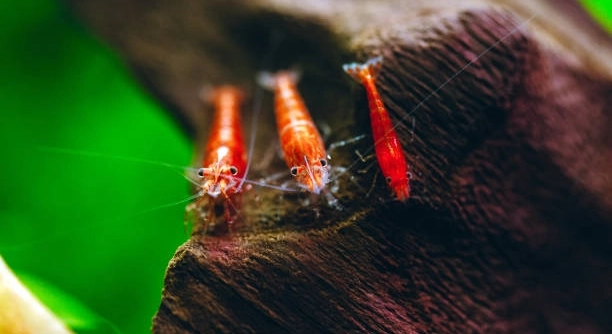
Do you ever find yourself watching your cherry shrimp move with extra energy after a storm, noticing how their small bodies rush through the tank and seem more focused on exploring every surface around them.
Cherry shrimp become more active after storms because shifts in barometric pressure and oxygen levels stimulate natural foraging responses. These conditions mimic cues from their native habitats, prompting increased movement as they search for food and adapt to environmental changes.
Their lively behavior hints at subtle shifts that shape their routines, offering a pathway to understand their needs more clearly.
How Storms Influence Shrimp Activity
When a storm passes, the conditions in your aquarium can shift in ways that your cherry shrimp feel very quickly. Changes in barometric pressure outside the home often influence how they respond inside the tank, even if the water itself looks the same. Their bodies are sensitive to these small signals, and they adjust their behavior as a natural reaction. You may notice them grazing more actively, swimming with extra purpose, or exploring corners they usually ignore. These responses tie back to their instincts from the wild, where shifts in pressure often mean fresh food is being stirred up. Even in a calm home setup, the pressure drop can still send that message. Understanding this connection helps explain why your shrimp seem busier after a storm and gives you a clearer sense of how they interpret the environment around them in ways that support their natural patterns and daily rhythms.
These shifts encourage your shrimp to move with more confidence, helping them search for tiny particles stirred within the tank. Their instincts guide these reactions, making the increased activity a normal response to environmental cues that signal change and potential food sources, they follow these signals naturally with steady behavior.
When pressure changes trigger these behaviors, your shrimp often respond with patterns that reflect their origins in flowing freshwater habitats. In those environments, storms can lift debris, create movement, and reveal small food items. The same instinctive patterns remain in your aquarium, even if the conditions seem stable on the surface. Their increased grazing and exploration help them take advantage of anything that might have shifted in the water. By recognizing these natural responses, you can better understand how environmental cues shape their behavior and support a healthier, more predictable rhythm in your tank.
What These Behaviors Mean for Your Tank
Their post storm activity offers helpful insights into the overall balance of your tank, especially when it comes to food availability and water stability. Their movements can signal when conditions have shifted enough for you to observe changes that might otherwise go unnoticed.
When your shrimp become more active after a storm, it can help you notice subtle variations in your setup that affect them more than you might expect. Increased movement often points to slight rises in available biofilm or particles drifting through the water column. These shifts may be harmless, but they still show how sensitive shrimp are to their surroundings. Paying attention to this behavior helps you maintain better stability by adjusting feeding, observing filtration, or checking whether the tank has accumulated extra debris. Their responses can act as a gentle reminder that even small environmental influences matter. Over time, watching how they move after storms can guide you in keeping the tank consistent, predictable, and supportive of their natural routines without needing major changes to your regular care.
How Pressure Changes Shape Their Reactions
Storm related pressure drops trigger natural responses that make your shrimp move more frequently through the tank. Their bodies register these shifts even when the water parameters appear steady, encouraging them to search for food and explore with a little more focus than usual.
These changes often influence grazing patterns, pushing your shrimp to cover more surfaces in a short amount of time. Their bodies are tuned to respond quickly since pressure shifts in nature often signal increased access to nutrients. Even in a stable aquarium, they follow these cues with an instinctive boost in movement. You may notice them picking at plants, driftwood, or filter intakes with added interest as biofilm becomes more appealing. This behavior reflects a natural strategy that helps them take advantage of any subtle opportunity for food stirred up by environmental changes.
Their sensitivity to pressure helps explain why they seem more alert after storms. These responses are rooted in survival patterns developed in their wild habitats, where conditions change quickly. In your aquarium, the same instincts remain active, guiding their movements as they scan for anything that may have shifted. Watching how they react can help you understand how even slight environmental differences influence their routine, especially when storms pass and cues prompt them to adjust their pace and energy levels.
Subtle Environmental Shifts Inside the Tank
Small changes in dissolved oxygen can occur after storms, and your shrimp often respond with increased motion as they adapt to these differences. Their bodies sense these variations quickly, so heightened activity can be one of the first signs that conditions have shifted enough to influence their comfort.
These responses help show how tuned they are to their surroundings, even in a quiet home aquarium. Alterations in oxygen levels may cause them to graze with more purpose or roam farther than usual as they adjust. While these fluctuations are generally mild, their reactions highlight their sensitivity to important elements of their environment. Observing these patterns lets you understand how your shrimp interpret subtle signals, and it can help you catch small changes early. Over time, these cues make it easier to maintain a stable setup that supports their natural behavior without needing major adjustments.
Changes in Water Movement
Slight shifts in water flow can occur when storms influence the atmosphere around your home, and your shrimp may react by moving more quickly across the tank. These changes encourage them to explore new spots and adjust to the subtle motion they detect.
Their increased awareness of movement often supports their natural foraging habits. When water flow feels different, they tend to check surfaces more thoroughly as if expecting fresh particles to appear. This behavior is normal and shows how closely they respond to even minor variations in their surroundings.
How Light Levels Play a Role
Reduced natural light during storms can signal your shrimp to become more active as they associate dimmer conditions with safer moments to forage. With softer lighting, they roam the tank more freely and spend extra time grazing. Their instincts guide this behavior, helping them take advantage of a calmer, less exposed environment that feels comfortable for exploring and feeding.
Recognizing Normal Storm Related Behavior
Their busier movements after storms reflect natural tendencies shaped by their origins, and these reactions usually settle once the environment stabilizes. Watching these patterns helps you understand their needs and supports a calm, steady rhythm in your aquarium.
FAQ
Why do my cherry shrimp seem more active right after a storm?
They often become more active because their bodies react to pressure changes in the environment around your home. Even if the tank water remains stable, they still sense these shifts and respond with increased movement. This behavior reflects natural instincts that help them locate food when conditions change. In the wild, storms often stir up nutrients, so their bodies are wired to take advantage of that signal. Your tank may not mirror those exact conditions, but the instinct is still strong enough to influence how they behave after a storm passes.
Is this extra activity something I should worry about?
This response is usually harmless and considered normal for cherry shrimp. Their sensitivity to pressure differences and small environmental cues often leads to bursts of movement that fade once conditions feel steady again. Unless you see signs of stress like rapid swimming at the surface, hiding for long periods, or unusual color changes, their busier behavior should not be a cause for concern. It simply shows how responsive they are to their surroundings.
Do storms change the water quality enough to affect shrimp behavior?
Storms do not directly change your tank water, but they can influence the conditions around it, such as air pressure and room lighting. These changes are often enough to trigger natural responses in your shrimp. In some homes, storms may also slightly alter temperature or humidity, which can affect oxygen levels in the water. Even these small shifts are noticeable to shrimp, so their behavior reflects how carefully they register the environment.
Can dimmer light during storms make my shrimp more active?
Yes, lower light levels often encourage cherry shrimp to move around more freely. They feel safer in dim lighting since it reduces the chance of being exposed. Even in an aquarium where no predators exist, the instinct remains strong. This is why you may see them grazing more actively or venturing into open areas they usually avoid.
Should I change anything in my tank when storms are common?
You usually do not need to adjust your setup specifically for storms. Maintaining stable water parameters is far more important than reacting to short term weather changes. Keeping filtration steady, avoiding dramatic feeding changes, and performing routine maintenance will support your shrimp through any natural behavior shifts. Their instincts allow them to adapt easily without intervention from you.
Can storms cause oxygen changes that affect shrimp movement?
Slight oxygen fluctuations can occur due to shifts in air pressure or temperature in the room. These changes are not dangerous, but they can influence how actively your shrimp explore the tank. They may graze more quickly or move through different areas as they adjust. Ensuring good aeration and healthy plant growth helps keep oxygen levels consistent, even during seasonal changes.
How long does storm related activity usually last?
Most shrimp settle back into their regular pace within a few hours to a day. The behavior often depends on how strong the pressure change was and how sensitive your particular shrimp are. Some individuals react more noticeably than others, but all typically return to calmer routines once the environment feels stable again.
Can this increased activity be a sign of breeding behavior?
Storm related activity and breeding activity can look similar, but they are triggered by different cues. Breeding behavior often includes more focused chasing or searching for females that have recently molted. Storm related behavior is usually broader, with shrimp exploring larger areas of the tank. While storms do not trigger breeding directly, increased movement might make these patterns more noticeable if they were already happening.
Final Thoughts
Cherry shrimp respond to their surroundings with a level of sensitivity that often surprises people who keep them, especially when storms move through the area. Their behavior reflects instincts shaped by environments where pressure shifts signal new opportunities and changing conditions. Even inside a stable aquarium, these natural patterns remain active, guiding how they explore, forage, and react throughout the day. When a storm passes, the subtle cues they detect can lead to bursts of movement that feel sudden but follow a clear rhythm rooted in their biology. Watching these shifts can help you understand how they interpret the world around them and how much meaning small changes can hold for them. Their reactions remind you that even the calmest tank carries an unseen layer of activity that responds quietly to events outside your home.
As you observe them during these moments, it becomes easier to appreciate how deep their instincts run and how closely they are tied to environmental cues. Their extra movement is not random. It is a product of natural behavior designed to help them locate food, adjust to shifts in light or oxygen, and prepare for slight differences in their surroundings. These traits remain strong even when the aquarium is well maintained and stable. Understanding this helps you read their actions with more confidence. Instead of worrying about sudden activity, you can use it as a helpful sign that they are responding normally to what they perceive. When they graze with more energy or move across the tank with extra focus, it shows how tuned they are to every small detail. Their rhythm becomes easier to follow once you see how these patterns fit together, making your time with them feel more connected and reassuring.
Supporting your shrimp during storm related changes does not require large adjustments. What matters most is maintaining a stable environment that gives them the comfort they need to navigate their natural instincts. Regular care, steady water conditions, and gentle observation help them settle into a balanced routine even when storms roll through. When you watch them move with renewed energy, you can see how strong their natural behaviors are and how well they adapt to small variations around them. Over time, these moments can help you notice details you might have missed before, guiding you toward a clearer understanding of their needs. Their responses serve as a soft reminder that a thriving tank depends not only on equipment and care but also on paying attention to the quiet signals your shrimp share.

Hello,
If you enjoy the content that we create, please consider saying a "Thank You!" by leaving a tip.
Every little bit helps us continue crafting quality advice that supports the health, happiness, and well-being of pets around the world, for pets of all shapes, sizes, and species.
We really appreciate the kindness and support that you show us!