
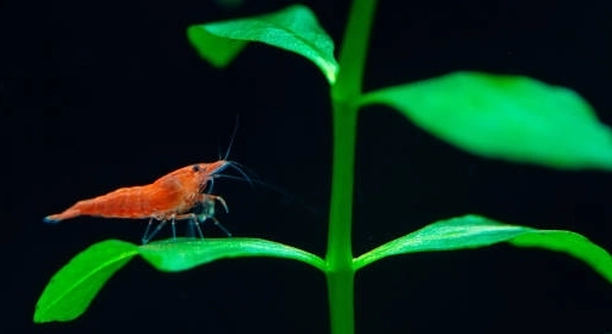
Cherry shrimp are small, vibrant additions to any freshwater aquarium, often adding color and life to the tank. Observing them interact with their environment can be relaxing and sometimes surprisingly entertaining. They have their own little routines.
Cherry shrimp sometimes linger by the heater because they seek warmth and stable water temperatures. Warmer areas of the tank promote metabolism and comfort, especially when the rest of the aquarium feels cooler or less hospitable.
Learning about this behavior can help you create a healthier, more comfortable habitat for your shrimp and ensure they thrive in your aquarium.
Understanding Water Temperature Preferences
Cherry shrimp are sensitive to changes in water temperature. Even slight fluctuations can make them seek out warmer areas in the tank. Heaters provide a stable heat source, which feels safe and comfortable for these small creatures. When the water elsewhere is cooler, shrimp will naturally congregate near the heater. This behavior is not unusual and reflects their instinct to maintain a steady body function. Shrimp metabolism and activity are directly influenced by temperature. Warmer water encourages movement, feeding, and overall health. Colder water slows them down and can stress them, making them more vulnerable to illness. Observing shrimp near the heater is often an indicator that the tank’s temperature varies or that certain areas are cooler than others. Proper monitoring of temperature gradients ensures all areas of the tank remain suitable for shrimp. Providing hiding spots and plants can help them balance comfort and exploration without staying too long in one spot.
Monitoring the tank regularly helps maintain a consistent temperature that benefits all aquatic life.
Proper placement of the heater can prevent overcrowding in one section of the tank. By positioning it carefully, the heat spreads more evenly, encouraging shrimp to explore other areas and reducing stress. A well-balanced tank keeps the shrimp active and healthy.
Signs Your Shrimp Are Comfortable
Shrimp that feel safe and content display regular movement and feeding habits.
Observing behavior helps identify comfort levels and potential stress factors. Comfortable shrimp explore, graze, and interact naturally, showing that temperature and environment are well-suited.
Shrimp comfort is more than staying warm. It includes having sufficient oxygen, clean water, and space to roam. Providing live plants, smooth decorations, and hiding areas improves their sense of safety. When shrimp remain active across the tank and not just near the heater, it indicates proper environmental conditions. Sudden clustering at the heater might signal a problem with water quality, temperature consistency, or oxygen levels. Regular water testing, gentle filtration, and partial water changes support their health. Even small adjustments, like moving the heater slightly or adding driftwood and plants, can make a big difference. Observing shrimp daily allows for early detection of stress, ensuring they thrive and remain vibrant in color. A healthy tank encourages natural behaviors, including grazing and molting, making the shrimp more enjoyable to watch. Proper care ensures they feel secure without relying solely on the warmth of the heater.
Adjusting Heater Placement
Heater placement affects how evenly heat spreads in the tank. Placing it near a filter outlet helps distribute warmth more consistently, reducing shrimp clustering in one spot.
Even heat distribution encourages shrimp to explore the entire tank instead of lingering near the heater. A poorly placed heater can create hot spots directly around it and cooler areas elsewhere. Observing where shrimp gather can indicate temperature differences. Adjusting the heater slightly or using a small water pump can help move warm water throughout the tank. Consistent water circulation ensures all shrimp benefit from stable conditions, promoting activity and reducing stress.
Proper placement also prevents accidental contact with the heater, which can harm delicate shrimp. Avoid positioning the heater where shrimp can brush against it frequently or get trapped in small spaces nearby. Ensuring safety while maintaining even warmth improves shrimp health and encourages more natural behavior. Plants, decorations, and hiding spots should be arranged to balance accessibility with comfort, giving shrimp areas to retreat and explore without overreliance on the heater.
Seasonal Temperature Changes
Shrimp behavior changes with the seasons because water temperature naturally fluctuates.
During colder months, shrimp may cluster near the heater more often to maintain warmth. Even slight drops in temperature can slow metabolism and make them less active. Seasonal shifts may require adjustments in heater settings to keep water within an optimal range. Observing how shrimp respond helps gauge whether changes are necessary.
Keeping a stable tank temperature throughout the year is crucial for shrimp health. Sudden changes can lead to stress, molting issues, or increased susceptibility to disease. Using a reliable heater with a thermostat ensures minimal fluctuations, while regular monitoring prevents prolonged exposure to uncomfortable temperatures. Additionally, seasonal lighting changes affect water warmth, so adjusting light duration or intensity can support a stable environment. Plants and decorations also influence localized temperature, providing shaded areas or warmth retention zones. By tracking behavior and environmental conditions, shrimp owners can maintain a safe and comfortable habitat year-round, reducing the need for constant intervention.
Overcrowding Near the Heater
Shrimp often gather near the heater when other areas feel crowded or unsafe. High activity or aggressive tank mates can push them toward the warmest, safest spot.
Limited hiding spaces increase clustering near the heater. Adding plants and decorations helps distribute shrimp throughout the tank, giving them more comfort zones.
Monitoring Water Parameters
Stable water parameters reduce the need for shrimp to linger near heat sources. Proper pH, ammonia, and nitrate levels contribute to their comfort and activity. Regular testing ensures they stay in a healthy environment.
Maintaining clean water is just as important as stable temperature. Even small spikes in ammonia or nitrites can stress shrimp, causing them to cluster near the heater. Filtration, gentle water flow, and partial water changes help maintain stability. Observing shrimp behavior alongside water tests provides a clear picture of tank health and indicates when adjustments are necessary.
Feeding Influence
Shrimp often move toward the heater after meals, as warmer water aids digestion and metabolism.
A consistent feeding schedule keeps shrimp active and reduces prolonged clustering near warmer areas.
Light and Heat Interaction
Heater location interacts with tank lighting. Light can slightly warm water, affecting shrimp placement and comfort.
FAQ
Why do cherry shrimp always stay near the heater?
Cherry shrimp linger near the heater because they are seeking stable warmth. Their small bodies are sensitive to temperature changes, and even slight dips in water can make them feel uncomfortable. Warmer water helps their metabolism stay active and encourages regular feeding and movement. Clustering near the heater is usually a sign the rest of the tank may be cooler than ideal.
Is it bad if shrimp spend too much time near the heater?
Spending too much time near the heater isn’t inherently harmful, but it can indicate a problem. Uneven temperatures or water quality issues may be stressing the shrimp. Over time, clustering in one spot can reduce their activity, prevent proper grazing, and make them more vulnerable to illness. Adjusting heater placement, improving water circulation, and adding hiding spots can encourage even tank exploration.
How can I make the rest of the tank more comfortable?
Adding plants, decorations, and hiding areas helps shrimp feel safe throughout the tank. Proper water flow ensures warmth spreads evenly. Monitoring water parameters regularly keeps the tank stable, so shrimp aren’t forced to seek warmth in one area. A combination of stable temperature, oxygen levels, and clean water encourages shrimp to explore freely.
Do seasonal changes affect their behavior near the heater?
Yes. During colder months, shrimp are more likely to gather near the heater to stay warm. Even slight temperature drops can slow metabolism and reduce activity. Adjusting the heater carefully and maintaining stable conditions can help prevent prolonged clustering and stress.
Can feeding influence their heater behavior?
Feeding can affect where shrimp spend their time. After eating, warmer water helps digestion and energy processing, so they may remain near the heater briefly. Keeping a consistent feeding schedule and ensuring food is distributed evenly encourages shrimp to move throughout the tank.
How often should I check the water temperature?
Regular monitoring is important. Checking once daily or using a thermometer with a visible display helps identify fluctuations. Sudden temperature changes can stress shrimp and make them cling to warmer areas. Consistent checks help maintain comfort and prevent health issues.
Does tank size affect heater behavior?
Smaller tanks tend to have greater temperature fluctuations, which can make shrimp cluster near the heater more often. Larger tanks usually distribute heat more evenly, reducing the need for shrimp to seek out one warm spot. Using a filter and proper water circulation in any tank size helps reduce hotspots.
Will adding more shrimp change heater behavior?
Adding more shrimp can increase competition for space and resources, causing some to gather near the heater if other areas feel crowded. Providing enough hiding spots and food helps distribute them more evenly and reduces clustering.
Can poor water quality make shrimp stay near the heater?
Yes. Elevated ammonia, nitrite, or nitrate levels can stress shrimp. They may seek the heater’s warmth as a comforting spot, but it doesn’t address the real issue. Regular water testing, partial water changes, and gentle filtration keep shrimp healthy and active throughout the tank.
Are certain shrimp more likely to linger by the heater?
Younger or smaller shrimp are more sensitive to cold and may spend more time near the heater. Older or more established shrimp may explore more freely but will still seek warmth when water conditions are not ideal. Observing different shrimp ages helps identify normal behavior versus stress.
How can I reduce clustering without lowering the heater?
Ensure even heat distribution using a filter outlet or circulation pump. Add plants and decorations to create comfort zones. Maintain clean water and stable parameters. Encourage exploration by scattering food across the tank, so shrimp aren’t drawn to a single warm spot.
Can lighting affect their placement near the heater?
Yes, light can slightly increase water temperature and influence shrimp placement. Adjusting light duration or intensity can help balance temperature zones, preventing shrimp from lingering excessively near the heater. Observing shrimp behavior alongside lighting adjustments ensures comfort without stress.
Is it normal for shrimp to occasionally ignore the heater?
Occasional disregard for the heater is normal if the water temperature is consistent and comfortable. When shrimp explore other areas, it indicates proper tank conditions. Temporary clustering may still occur after feeding or during colder nights, but this is typically short-lived.
How long should I wait before adjusting heater placement?
Wait at least a few days to observe consistent shrimp behavior. Immediate changes can stress them further. Gradual adjustments, combined with monitoring water temperature, help distribute warmth evenly without causing sudden discomfort.
What signs indicate shrimp are stressed by temperature?
Lethargy, slow movement, reduced feeding, or excessive clustering near the heater can indicate stress. Molting issues or color fading are additional warning signs. Addressing temperature, water quality, and hiding spots quickly helps restore normal behavior and prevents long-term health problems.
Can other tank inhabitants influence heater behavior?
Yes. Aggressive fish or large, active tank mates can push shrimp toward the heater for safety. Creating secure hiding areas and monitoring interactions reduces stress and encourages shrimp to explore the tank more freely.
Is heater behavior linked to molting?
Shrimp may seek slightly warmer areas during molting. Warmth can aid metabolic processes and reduce stress during this vulnerable time. Providing safe spaces near the heater or across the tank ensures they can molt comfortably without overcrowding or injury.
Do cherry shrimp have personal temperature preferences?
Individual shrimp may favor slightly warmer or cooler spots based on age, health, or temperament. Observing behavior over time helps identify general patterns and allows adjustments to heater settings or tank layout for overall comfort.
How can I encourage balanced tank activity?
Distribute food evenly, maintain stable water parameters, provide hiding spots, and ensure even heat circulation. Combining these methods encourages shrimp to explore, reduces clustering near the heater, and supports natural behavior throughout the tank.
Should I worry if shrimp cluster only at night?
Nighttime clustering is often normal because water temperature can drop slightly. Ensuring a stable heater setting and monitoring overnight temperatures reduces prolonged stress. Short periods of clustering at night are generally not a concern if shrimp remain active during the day.
What long-term effects can result from constant heater clustering?
Constant clustering can lead to reduced activity, uneven feeding, and stress. Over time, this may affect molting, color vibrancy, and overall health. Maintaining proper temperature, tank layout, and water quality prevents dependency on the heater for comfort.
How do I balance safety and warmth in the tank?
Place the heater safely to avoid direct contact while using plants or decorations to create comfort zones. Ensure even water circulation and stable parameters so shrimp can choose warm areas without relying solely on the heater. Observing behavior helps refine placement and tank design.
Can small adjustments solve heater-related issues?
Yes. Moving the heater slightly, improving water flow, scattering food, or adding plants often balances shrimp distribution. Small, gradual changes prevent stress and improve overall comfort without drastic interventions.
Is it normal for some shrimp to ignore the heater completely?
Yes. Some shrimp tolerate cooler areas better, especially larger or older individuals. Their presence in other tank areas indicates general comfort, as long as water temperature remains within safe limits.
Do seasonal lighting changes affect heater behavior?
Seasonal light variations can slightly change water warmth, influencing shrimp placement. Adjusting light duration or intensity ensures balanced temperatures, reducing clustering near the heater. Observing patterns helps maintain a comfortable environment throughout the year.
How important is daily observation?
Daily observation is crucial. Noticing shrimp behavior, clustering patterns, and activity levels provides early insight into temperature, water quality, and stress issues. Timely adjustments prevent long-term health problems and improve overall tank conditions.
Can diet affect heater behavior?
Diet influences activity and metabolism. Heavier meals may draw shrimp to warmer areas to aid digestion. Providing balanced, appropriately sized meals encourages natural movement and prevents prolonged heater clustering.
Are there signs that clustering is temporary?
Short periods of heater clustering after feeding, during nighttime, or after minor temperature dips are normal. When shrimp resume exploring other areas, it indicates temporary adjustment rather than stress. Consistent behavior patterns help differentiate normal from concerning clustering.
What role do decorations play in heater behavior?
Decorations create secure zones, reducing the need for shrimp to seek warmth near the heater. Plants, rocks, and driftwood allow exploration, hiding, and resting in other areas, encouraging even tank distribution and reducing stress.
How can I tell if the heater is functioning properly?
Use a thermometer to check water temperature regularly. Even small fluctuations may indicate malfunction. Consistent readings and observing shrimp behavior together ensure the heater maintains a safe, stable environment for all inhabitants.
Is clustering near the heater more common in certain breeds?
Some shrimp strains may be more sensitive to temperature, especially smaller or younger breeds. Observing individual behavior helps adjust care for specific shrimp, ensuring comfort and healthy activity.
Can tank decorations block heat flow?
Yes. Large decorations or dense plant clusters near the heater can create uneven heat distribution. Rearranging objects helps circulate warmth evenly and encourages shrimp to explore freely.
Does water flow impact clustering?
Proper water circulation spreads heat and oxygen, reducing the need for shrimp to remain near the heater. Filters or small pumps help maintain even conditions, improving comfort and natural activity patterns.
How do I prevent long-term dependence on the heater?
Maintain stable temperature, distribute food, provide hiding spots, and ensure even water circulation. Gradual adjustments and observation help shrimp feel comfortable throughout the tank without overrelying on the heater.
Can heater clustering indicate illness?
Excessive clustering combined with lethargy, loss of color, or molting problems may signal health issues. Check water quality, temperature, and observe behavior closely to differentiate stress from potential illness.
Is clustering always temperature-related?
Not always. While warmth is a major factor, overcrowding, stress, water quality, or feeding habits can also influence shrimp placement. Evaluating all factors ensures proper care and comfort.
Do cherry shrimp interact differently near the heater?
Shrimp near the heater may appear calmer or more stationary. This behavior is typical when seeking warmth but should be balanced with active periods elsewhere for overall health.
Can multiple heaters improve distribution?
Using more than one heater can reduce hotspots and promote even warmth. Proper placement and monitoring prevent overheating while ensuring comfort throughout the tank.
How do I observe clustering without disturbing shrimp?
Watch quietly and avoid tapping the tank. Observing during feeding or at different times of day provides a natural picture of behavior without causing stress.
What are signs that heater placement is ideal?
Even shrimp distribution, consistent activity, and minimal clustering indicate proper placement. Adjust gradually if behavior shows prolonged congregation near one area.
Should I adjust the heater during molting periods?
Slight warmth helps metabolism during molting, but avoid drastic changes. Provide safe hiding spots near the heater so shrimp can molt comfortably without crowding.
Can substrate affect heat distribution?
Substrate type can slightly influence water warmth. Dark or dense substrates may absorb heat, while lighter or sandy substrates reflect it. Considering substrate helps balance temperature throughout the tank.
Do shrimp remember heater locations?
Shrimp respond to familiar areas of warmth instinctively. They may return to the same spot, especially if other areas feel cooler or less secure. Observation helps track comfort preferences and tank conditions.
Are there natural ways to reduce heater reliance?
Adding plants, creating hiding spots, ensuring even water flow, and keeping consistent feeding schedules all help shrimp explore beyond the heater. Gradual adjustments prevent stress while promoting healthy distribution.
Can heater behavior indicate social hierarchy?
Occasionally, dominant shrimp may claim the warmest spots, pushing others aside. Observing interactions helps identify whether clustering is social or temperature-related. Providing multiple comfort zones reduces conflict.
How long does it take for shrimp to adjust after heater changes?
Shrimp usually adjust over several days. Gradual changes prevent stress. Daily observation helps determine if distribution improves and whether additional adjustments are necessary.
Does tank size influence clustering duration?
Smaller tanks cause faster temperature changes, leading to longer clustering periods. Larger tanks with proper circulation reduce dependency on the heater, allowing more even activity and comfort.
Are all cherry shrimp equally affected by temperature?
Younger or smaller shrimp are more sensitive and may linger near heat longer. Older or larger shrimp tolerate minor fluctuations better but still prefer stable, comfortable conditions.
Can heater clustering affect feeding?
If shrimp cluster too long near the heater, feeding may become uneven. Distributing food across the tank encourages movement and ensures all shrimp eat adequately.
Is constant observation necessary?
Regularly monitoring shrimp behavior ensures early detection of stress, temperature issues, or health problems. Daily checks allow for timely adjustments and maintain a healthy, balanced tank environment.
What should I do if shrimp ignore the heater completely?
If shrimp explore the tank freely, it indicates a stable, comfortable environment. Ensure water temperature remains within the optimal range and that hiding spots and food distribution meet their needs.
Can heater clustering indicate stress from water flow?
Weak or uneven water flow can make shrimp seek warmth near the heater. Adjusting filters or adding gentle circulation helps distribute warmth and oxygen evenly, encouraging natural movement.
Are there times when clustering is beneficial?
Short periods near the heater after feeding, during nighttime, or when temperatures dip slightly can be beneficial. Temporary clustering helps shrimp maintain comfort and supports metabolism.
How do I know if clustering is abnormal?
Persistent clustering combined with lethargy, loss of color, reduced feeding, or molting issues may indicate stress or poor conditions. Immediate evaluation of temperature, water quality, and tank layout is necessary to address problems.
Can heater type affect shrimp behavior?
Submersible heaters, heaters with thermostats, and inline heaters all influence how heat spreads. Proper selection and placement ensure even warmth and reduce prolonged clustering, supporting shrimp health and activity.
Is clustering more common in new tanks?
Yes. New tanks often have unstable parameters, causing shrimp to seek warmth near the heater. Regular testing, partial water changes, and monitoring help establish a balanced environment over time.
Do plants near the heater change shrimp behavior?
Plants can create shaded areas or retain warmth, affecting clustering. Strategically placing plants helps balance heat zones and encourages exploration across the tank.
How can I track improvement after adjustments?
Observe shrimp activity, distribution, and feeding patterns daily. Noting changes over several days shows whether heater placement, water circulation, or tank adjustments are effective in reducing clustering.
Can clustering indicate disease?
Excessive, prolonged clustering along with physical signs like color fading, unusual behavior, or molting problems may indicate illness. Evaluate water quality and observe closely to differentiate stress from disease.
Does tank cover affect heater behavior?
A tank cover can trap heat, slightly increasing water temperature near the surface. Monitoring overall water distribution ensures even warmth and reduces prolonged clustering near the heater.
How do I balance heat, light, and activity?
Ensure stable water temperature, even lighting, proper hiding spots, and consistent feeding. Observing shrimp behavior alongside these factors helps maintain comfort and natural movement throughout the tank.
Can heater clustering be completely prevented?
It can’t be eliminated entirely, but proper tank setup, stable temperature, even water flow, adequate hiding spots, and balanced feeding minimize clustering and promote healthy, active shrimp behavior.
Are some behaviors seasonal?
Yes. Shrimp may cluster more during colder periods or changes in lighting. Seasonal adjustments in heater settings, water circulation, and observation help maintain comfort and reduce prolonged clustering.
Do shrimp prefer gradual temperature changes?
Yes. Sudden changes can stress them. Gradual adjustments in heater settings or water changes allow shrimp to acclimate safely without prolonged clustering or activity disruption.
Can heater clustering affect tank aesthetics?
Clustering doesn’t harm the tank visually, but it can make certain areas appear empty. Balanced decorations, plants, and hiding spots encourage even shrimp distribution, improving overall appearance and activity.
What is the best way to observe clustering patterns?
Watch quietly at different times, during feeding, and across day-night cycles. Note frequency, duration, and location to identify whether clustering is temporary, seasonal, or due to environmental issues.
How important is tank consistency?
Consistency in temperature, water quality, lighting, and feeding schedules reduces clustering and supports shrimp health. Sudden fluctuations cause stress and prolonged dependence on the heater.
Can tank mates influence heater behavior long-term?
Yes. Aggressive or highly active tank mates may force shrimp to stay near the heater for safety. Providing multiple comfort zones ensures shrimp can explore and reduces stress.
Do different breeds of cherry shrimp behave differently?
Smaller or more sensitive breeds tend to linger near heat longer. Observing breed-specific patterns helps adjust heater placement and tank setup for optimal comfort.
Are there environmental cues besides heat that attract shrimp?
Yes. Oxygen levels, hiding spots, water flow, and feeding locations all influence where shrimp cluster. Heat is a major factor but works alongside other environmental conditions.
How do I maintain balance without constant adjustments?
Set stable heater settings, ensure even water flow, distribute food, provide plants and hiding spots, and monitor water parameters. Observation helps maintain comfort without frequent intervention.
Can clustering affect shrimp reproduction?
Persistent stress or uneven heat may impact molting and breeding. Stable temperature, adequate hiding spaces, and proper nutrition support healthy reproductive behavior.
Do shrimp communicate their comfort through clustering?
Indirectly, yes. Clustering indicates a preference for warmth or safety. Observing patterns helps identify tank conditions that may need adjustment.
How long should I expect clustering to change after interventions?
Changes usually appear within several days. Gradual adjustments in heater placement, water circulation, and tank layout reduce clustering while minimizing stress.
Can tank decorations block heat flow?
Large objects or dense plants can create cold spots. Rearranging decorations helps heat spread evenly and encourages shrimp to explore multiple areas.
Is clustering more common in aquariums with fluctuating temperatures?
Yes. Shrimp cluster near stable warm areas when other parts of the tank fluctuate. Maintaining a consistent temperature reduces prolonged clustering.
How do I know when clustering is safe?
Temporary clustering after feeding, minor temperature dips, or at night is usually safe. Observe overall activity, feeding, and molting to confirm health and comfort.
Can adding more plants reduce clustering?
Yes. Plants provide hiding spots and shaded areas, distributing shrimp across the tank and reducing reliance on the heater.
Do shrimp prefer specific heater types?
Submersible heaters with thermostats are generally best. They maintain stable temperature, minimize hotspots, and reduce prolonged clustering by keeping water comfortable throughout the tank.
How much heat is ideal for cherry shrimp?
Temperatures between 72-78°F are generally ideal. Slightly warmer areas near the heater can feel comfortable but should not create prolonged clustering or stress.
What is the first step if clustering seems excessive?
Check water temperature, quality, and tank layout. Ensure hiding spots and proper water flow. Adjust gradually and monitor behavior to prevent stress.
Can heater location affect shrimp molting?
Yes. Warm areas aid molting metabolism. Providing safe zones near the heater supports successful molting without overcrowding
Final Thoughts
Cherry shrimp are delicate creatures that respond strongly to their environment, especially temperature. Their tendency to linger near the heater is often a natural behavior rather than a problem. It shows that they are seeking warmth and stability, which are essential for their metabolism, activity, and overall health. In most cases, clustering near the heater is temporary and related to changes in water temperature, feeding times, or seasonal shifts. Observing these behaviors carefully can give a good idea of how comfortable your shrimp are and whether adjustments are needed. Even small changes in tank setup, such as moving decorations or adjusting the heater, can make a noticeable difference in their comfort and activity levels.
Proper heater placement and water circulation are key to creating a balanced environment. A heater should be positioned so that warmth spreads evenly across the tank, preventing hot spots and cold areas. Filters or gentle pumps can help circulate water, encouraging shrimp to explore different areas instead of staying in one warm corner. Adding plants, hiding spots, and decorations further supports even distribution, allowing shrimp to feel safe throughout the tank. Observing their movement patterns after such adjustments can help determine whether the tank is functioning well and whether the shrimp are maintaining natural behavior. Consistency in water parameters, including temperature, pH, and cleanliness, also plays a major role in reducing the need for shrimp to cluster near the heater.
It’s important to remember that shrimp behavior is influenced by multiple factors, not just warmth. Feeding, water quality, tank mates, and lighting all contribute to how shrimp move and interact within the tank. Regular observation and small adjustments can prevent prolonged clustering and support overall health. Over time, creating a stable and comfortable habitat allows shrimp to thrive, exhibit natural behaviors, and remain active throughout the aquarium. By paying attention to both temperature and other environmental factors, it’s possible to provide a well-balanced space where cherry shrimp can feel secure, explore freely, and maintain their bright colors and healthy activity. Understanding their needs and responding carefully ensures that clustering near the heater is just a normal part of their behavior, not a sign of distress.

Hello,
If you enjoy the content that we create, please consider saying a "Thank You!" by leaving a tip.
Every little bit helps us continue crafting quality advice that supports the health, happiness, and well-being of pets around the world, for pets of all shapes, sizes, and species.
We really appreciate the kindness and support that you show us!