
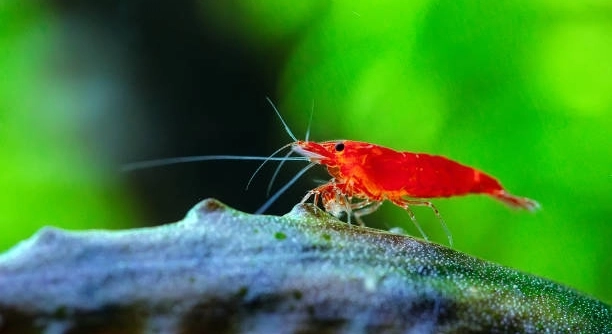
Are your shrimp tanks not producing the numbers you expect? Many shrimp breeders face challenges when trying to maintain consistent breeding rates. Even small changes in the environment can influence how well your shrimp reproduce.
Shrimp breeding rates are influenced by several critical factors, including water quality, temperature, nutrition, population density, genetics, stress levels, and overall habitat conditions. Each factor plays a measurable role in reproduction, larval survival, and the long-term sustainability of shrimp populations.
Understanding these factors can help you optimize your breeding setup and improve overall shrimp productivity in a manageable way. Paying attention to small details can make a significant difference.
Water Quality
Maintaining proper water quality is essential for healthy shrimp breeding. Parameters such as pH, ammonia, nitrite, and nitrate levels must be monitored regularly. Shrimp are highly sensitive to changes in water chemistry, and even small fluctuations can reduce breeding rates or cause stress. Clean, filtered water encourages molting, mating, and egg development. Temperature and hardness also affect reproductive health, so keeping these stable is important. Frequent water changes, proper filtration, and avoiding overcrowding help maintain a balanced environment. Using a reliable water testing kit ensures you can detect issues early before they impact shrimp health. Introducing plants or biofilm can improve water quality naturally. Sudden chemical changes or untreated tap water should be avoided. Observing shrimp behavior is a useful indicator of water quality—lethargy or erratic swimming often signals a problem.
Shrimp thrive best in stable, clean water that matches their natural habitat conditions and minimizes stress.
Proper water management supports consistent breeding and higher survival rates. It also reduces disease risk and promotes stronger, more active shrimp.
Temperature Control
Shrimp reproduction is highly dependent on consistent water temperature.
Fluctuating temperatures can disrupt molting cycles and mating behavior. Most species reproduce optimally within a narrow temperature range. Using a heater or cooler helps maintain stable conditions, especially in seasonal climates. Temperature affects metabolism and growth, which directly influences egg production. Extreme heat or cold can lead to stress or even mortality. Monitoring daily ensures shrimp remain within safe limits, supporting overall breeding success. Stable temperatures also encourage synchronous molting, which increases chances of successful fertilization. Seasonal adjustments should be gradual to avoid shock.
Temperature management requires careful observation and adjustment. Keeping records of daily readings can help identify trends and prevent sudden shifts. Consistency is more important than reaching an exact number, as shrimp respond better to gradual changes. Combining stable temperature with proper water quality and nutrition creates ideal conditions for breeding. Gradual acclimation when introducing new shrimp prevents stress and supports healthy reproduction. Additionally, maintaining a temperature suited to the species’ natural environment promotes more frequent and reliable egg-laying cycles. This approach ensures a steady increase in offspring and strengthens the resilience of the population over time.
Nutrition
Providing a balanced diet is essential for shrimp breeding success. Shrimp need proteins, minerals, and vitamins to develop eggs and maintain overall health. Poor nutrition reduces fertility and slows growth.
High-quality commercial shrimp food combined with natural sources like algae, biofilm, or blanched vegetables ensures proper nutrition. Proteins support egg development, while calcium and minerals strengthen exoskeletons. Overfeeding should be avoided to prevent water pollution, which can harm breeding conditions. Supplementing with occasional live foods like brine shrimp or daphnia encourages natural foraging and stimulates reproductive behavior. Feeding small amounts multiple times a day is more effective than a single large feeding, as it maintains water quality and reduces competition. Observing shrimp during feeding helps ensure all individuals receive sufficient nutrients, which supports consistent breeding cycles and overall health in the tank.
Consistent, high-quality nutrition improves reproductive output and strengthens offspring survival rates in breeding setups.
Population Density
Overcrowding negatively impacts shrimp breeding and stress levels. Maintaining an appropriate density ensures healthier shrimp.
High population density increases competition for food and territory, leading to stress and aggression. Stress can suppress molting, mating, and egg-laying, reducing overall reproductive success. Lower densities provide more hiding spots, reduce aggression, and allow shrimp to establish comfortable territories, supporting natural behaviors necessary for breeding. Tank size, number of shrimp, and available shelters must be considered to maintain a balanced population. Introducing new shrimp gradually prevents sudden density increases that could shock the existing population. Maintaining proper density also reduces the risk of disease spread and promotes stronger, more resilient offspring.
Monitoring the number of shrimp relative to tank size and providing adequate space is crucial for consistent breeding. Proper population management ensures healthier adults, more frequent reproduction, and higher survival rates of eggs and juveniles, creating a stable environment where shrimp can thrive. Overcrowding management complements water quality, nutrition, and temperature control to maximize reproductive success and long-term sustainability in the tank.
Stress Levels
Shrimp are highly sensitive to stress, which can reduce breeding rates. Frequent disturbances, sudden changes, or aggressive tank mates increase stress levels and disrupt reproduction.
Minimizing handling, maintaining stable water conditions, and providing adequate hiding spots help keep shrimp calm. A low-stress environment encourages regular molting and mating.
Genetics
Breeding success is strongly influenced by shrimp genetics. Selective breeding of healthy, strong specimens produces offspring with higher survival rates and reproductive potential. Genetic diversity prevents inbreeding, which can reduce fertility and weaken populations. Careful selection ensures long-term productivity.
Habitat Conditions
Providing natural hiding places and a structured tank layout improves shrimp comfort. Plants, rocks, and biofilm surfaces encourage natural behaviors.
FAQ
What is the ideal water pH for shrimp breeding?
Shrimp generally thrive in slightly acidic to neutral water, typically between 6.5 and 7.5. Maintaining this pH range supports molting, egg development, and overall health. Regular testing is essential, as sudden shifts can stress shrimp and reduce breeding rates. Adjusting pH gradually helps avoid shock and supports stable reproduction.
How often should I change the water in a breeding tank?
Frequent small water changes are better than infrequent large ones. Replacing 10–20% of the water weekly helps maintain cleanliness and stable water chemistry. Overdoing water changes can stress shrimp, while insufficient changes allow waste accumulation, reducing oxygen and increasing toxins. Consistency is key for optimal breeding conditions.
What types of food improve shrimp fertility?
High-quality commercial shrimp pellets or granules provide essential proteins and minerals. Supplementing with blanched vegetables, algae, or biofilm encourages natural foraging. Occasionally offering live foods like brine shrimp or daphnia stimulates reproductive behavior and improves egg production. Balanced nutrition directly impacts fertility and offspring survival.
How does tank temperature affect reproduction?
Shrimp reproduce best within a narrow temperature range. Most freshwater species thrive around 24–28°C (75–82°F). Stable temperatures encourage molting and mating, while fluctuations can delay reproduction or increase mortality. Using a reliable heater or thermostat helps maintain optimal conditions, especially in seasonal climates.
Can overcrowding reduce shrimp breeding rates?
Yes, high population density increases stress, competition, and aggression. Overcrowded tanks can suppress molting, mating, and egg-laying. Maintaining appropriate density, providing hiding spots, and monitoring population size helps reduce stress and encourages consistent reproduction. Proper spacing also lowers disease risk and improves offspring survival.
What role does genetics play in breeding success?
Healthy, genetically diverse shrimp are more likely to produce strong, fertile offspring. Inbreeding can reduce fertility, weaken immune systems, and slow growth. Selecting shrimp with desirable traits and introducing new bloodlines periodically ensures a robust, productive population.
How important are hiding spots for breeding shrimp?
Hiding spots reduce stress and provide safe areas for molting and egg-carrying females. Plants, rocks, and biofilm surfaces encourage natural behaviors. A structured environment supports mating, protects juveniles, and helps maintain a calm, stable tank environment conducive to reproduction.
How can I tell if my shrimp are stressed?
Signs of stress include lethargy, erratic swimming, loss of appetite, or hiding excessively. Stress may result from poor water quality, temperature fluctuations, overcrowding, or aggressive tank mates. Identifying and correcting these factors promptly helps restore normal behavior and encourages breeding.
Do lighting conditions affect shrimp breeding?
Moderate, consistent lighting supports normal behavior and plant growth. Too much light can increase algae and stress, while too little reduces activity. A balanced day-night cycle mimics natural conditions, helping maintain regular molting, mating, and egg development.
How can I improve egg survival rates?
Stable water quality, proper nutrition, and low-stress conditions are essential. Providing hiding spots protects eggs and juveniles from predators. Avoid sudden water changes, temperature shifts, or introducing aggressive tank mates. Observing shrimp and maintaining ideal conditions ensures higher hatching success and stronger offspring.
Is it necessary to separate males and females?
Generally, separation is not required unless introducing selective breeding practices. Ensuring a balanced ratio of males to females reduces competition and supports natural mating behavior. Overcrowding or uneven ratios can disrupt breeding cycles, so monitoring population balance is helpful.
How long does it take for shrimp eggs to hatch?
Eggs typically hatch in 2–4 weeks depending on species, temperature, and water conditions. Stable temperatures and good water quality accelerate development, while stress or poor conditions can delay hatching or reduce viability. Monitoring eggs helps anticipate juvenile care needs.
Can I breed shrimp in small tanks?
Yes, but maintaining water quality, stable temperature, and proper density is crucial. Small tanks require careful monitoring and frequent maintenance to prevent stress, aggression, and water chemistry issues that can reduce breeding success. Proper planning ensures consistent reproduction even in limited space.
What common mistakes reduce shrimp breeding rates?
Frequent errors include poor water quality, temperature fluctuations, overcrowding, inadequate nutrition, and ignoring genetics. Each factor impacts stress levels, fertility, or juvenile survival. Observing shrimp closely and maintaining stable, well-balanced conditions is key to consistent, healthy breeding outcomes.
How do I prevent disease in a breeding tank?
Maintaining clean water, avoiding overcrowding, and quarantining new shrimp help prevent disease. Balanced nutrition and low-stress conditions improve immunity. Monitoring behavior and appearance allows early intervention. Diseased shrimp should be isolated promptly to protect the rest of the population.
What is the best way to introduce new shrimp for breeding?
Acclimate new shrimp slowly to match water parameters, minimizing shock. Introduce gradually to reduce aggression and stress. Observing interactions ensures the new additions adapt well, supporting breeding success without disrupting existing populations.
How does molting relate to reproduction?
Molting is essential for egg-carrying females. Stress or poor nutrition can delay molting, reducing breeding opportunities. Providing stable water conditions, proper nutrition, and hiding spots supports regular molting cycles, which directly influences reproductive frequency and success.
Are there specific plants that help shrimp breed?
Mosses, java fern, and other fine-leaved plants provide surfaces for biofilm, egg attachment, and hiding spots. Plants improve water quality, reduce stress, and create a structured environment that supports natural behaviors critical for reproduction.
How can I track breeding success over time?
Keep a log of water parameters, temperature, feeding schedules, population numbers, and observed breeding behavior. Tracking patterns helps identify factors that improve or reduce reproduction, allowing adjustments to maximize output. Consistent monitoring supports long-term population health and productivity.
Can stress from tank mates affect breeding?
Aggressive fish or incompatible species can stress shrimp, suppressing molting and mating. Providing separate breeding tanks or adding plenty of hiding spaces helps reduce stress and maintain consistent reproduction. Observing interactions ensures all shrimp remain healthy and active.
What is the impact of water hardness on reproduction?
Soft to moderately hard water supports egg development and molting. Extremely soft or very hard water can cause stress and reduce fertility. Monitoring and adjusting hardness to match species requirements ensures higher breeding success and healthier offspring.
How does seasonal change affect shrimp breeding?
Shrimp respond to gradual seasonal shifts, particularly temperature and daylight. Sudden changes can disrupt molting and mating. Maintaining stable indoor conditions or slowly adjusting parameters helps mimic natural cycles, supporting regular reproduction throughout the year.
Is it necessary to separate juveniles from adults?
Separating juveniles prevents competition and predation, improving survival rates. Young shrimp benefit from abundant hiding spots and minimal stress. Managing juvenile growth alongside adults ensures a stable population and consistent breeding output over time.
Can I use chemical additives to improve breeding?
Additives should be used cautiously. Some supplements provide minerals like calcium to support molting and egg development. Avoid harmful chemicals or overdosing, as this can stress shrimp and reduce reproduction. Monitoring water chemistry ensures safety and effectiveness.
How often should I observe my shrimp for breeding signs?
Regular observation helps identify molting, mating behavior, and egg development. Daily checks are ideal to catch stress or water issues early. Consistent monitoring ensures timely adjustments, supporting stable breeding and higher juvenile survival.
What are the most common signs of healthy breeding shrimp?
Active movement, regular molting, visible eggs under females, and foraging behavior indicate healthy shrimp. Bright coloration and consistent feeding are additional signs. Observing these behaviors confirms optimal conditions and reproductive success.
Can I breed multiple shrimp species together?
Breeding multiple species together is possible but requires careful management. Different species may have unique water, temperature, and behavior needs. Mixing incompatible species can reduce fertility or increase stress, so planning and monitoring are essential for successful reproduction.
How does biofilm impact shrimp breeding?
Biofilm serves as a food source, egg attachment surface, and natural hiding area. It supports juvenile development and encourages natural foraging, which stimulates reproduction. Promoting biofilm growth improves nutrition and creates a more comfortable, productive breeding environment.
Can changes in lighting disrupt breeding?
Yes, sudden or extreme changes in light intensity or duration can stress shrimp. Maintaining a consistent day-night cycle supports normal activity, molting, and mating. Moderate, steady lighting encourages healthy behavior without promoting excessive algae growth.
How do I manage shrimp breeding during colder months?
Using a heater to maintain stable temperatures prevents stress and supports regular molting. Monitoring water quality, providing sufficient nutrition, and avoiding sudden changes help maintain breeding activity throughout colder periods. Gradual adjustments mimic natural conditions and sustain reproductive cycles.
What is the role of calcium in shrimp reproduction?
Calcium strengthens exoskeletons, supports molting, and improves egg development. Insufficient calcium can lead to weak shells, delayed molting, and reduced fertility. Supplementing through food or water additives ensures healthier shrimp and higher breeding success.
How do I know when it’s time to separate females carrying eggs?
Females with visible eggs benefit from additional hiding spots to reduce stress and protect their clutch. Separation is not always necessary but can improve juvenile survival in crowded tanks. Observing behavior and egg development helps determine the best approach.
Can I increase breeding rates naturally?
Yes, maintaining stable water quality, balanced nutrition, moderate density, low-stress conditions, and proper habitat structure encourages natural reproduction. Consistency and careful monitoring support higher fertility and healthier offspring without relying on chemical interventions.
How do I prevent egg fungus or loss?
Stable water conditions, low stress, and clean tanks reduce fungal growth on eggs. Providing hiding spots and avoiding water chemistry fluctuations improves egg survival. Removing infected eggs promptly helps prevent spread and ensures the rest of the clutch develops normally.
What is the best way to introduce new juveniles into the tank?
Acclimate them slowly to water parameters, provide plenty of hiding spots, and avoid overcrowding. Gradual integration reduces stress and supports healthy growth, improving long-term breeding success. Monitoring interactions ensures juveniles adapt well to the existing population.
How can I tell if my breeding setup is effective?
Consistent egg-laying, visible juvenile survival, healthy adult behavior, and minimal stress indicate an effective setup. Tracking water quality, feeding, and population balance confirms whether conditions support reliable, long-term reproduction.
How important is tank maintenance for breeding success?
Regular cleaning, water changes, filter maintenance, and monitoring parameters prevent stress, disease, and poor water quality. Proper tank care is crucial for consistent breeding and healthy shrimp populations. Neglecting maintenance leads to reduced reproduction and higher mortality.
Can I use live plants to improve reproduction?
Yes, live plants provide surfaces for biofilm, egg attachment, and hiding spots. They improve water quality and create a structured environment, promoting natural behaviors that support successful breeding.
How do I encourage juvenile growth without affecting adults?
Provide sufficient space, hiding spots, and separate feeding areas. Monitoring density ensures juveniles access food without competition. Maintaining stable water and temperature supports growth while preserving adult health and breeding potential.
How do I handle sudden drops in water quality?
Immediate partial water changes, testing parameters, and adjusting conditions help stabilize the tank. Minimizing stress on shrimp preserves reproductive behavior and reduces juvenile mortality. Quick response prevents long-term negative effects on breeding rates.
What tools help monitor breeding success?
Water test kits, thermometers, timers, and observation logs track environmental conditions and shrimp behavior. Consistent monitoring identifies issues early and supports adjustments to maintain optimal breeding conditions.
Can breeding success vary by shrimp species?
Yes, each species has unique water, temperature, and nutritional needs. Understanding species-specific requirements ensures consistent reproduction and prevents stress-related fertility issues. Adjusting the setup according to species maximizes breeding potential.
How long should I wait before harvesting offspring?
Juveniles should remain in the tank until they are large enough to survive independently. Premature removal can increase mortality. Observing growth and molting cycles helps determine the ideal timing for separation or sale.
Can stress from frequent observation affect breeding?
Handling and frequent disturbance can stress shrimp, reducing molting and egg-laying. Observing without touching or using indirect viewing methods minimizes impact while still monitoring health and behavior.
How do I reduce aggression in mixed-species tanks?
Provide ample hiding spots, maintain balanced population density, and observe interactions. Minimizing aggressive encounters reduces stress, supports reproductive behavior, and improves overall survival in multi-species setups.
Can I use supplements to boost reproduction?
Mineral and vitamin supplements support molting and egg development. Use cautiously and avoid overdosing, as chemical imbalance can stress shrimp. Natural food sources and stable conditions remain the most effective way to enhance breeding.
How does tank layout affect breeding?
Structured layouts with hiding spots, plants, and surfaces for biofilm create safe, comfortable areas for molting, mating, and egg-laying. A well-planned environment reduces stress, encourages natural behavior, and improves juvenile survival.
Is lighting timing more important than intensity?
Yes, consistent day-night cycles help regulate shrimp behavior, molting, and mating. Moderate intensity with a regular schedule mimics natural conditions, supporting stable reproductive patterns without encouraging excessive algae growth.
How do I prevent overcrowding with fast-growing offspring?
Monitor population size, provide extra hiding spaces, and consider separating juveniles from adults. Controlling density reduces competition and stress, supporting consistent breeding and healthy growth of both adults and offspring.
Can breeding rates recover after stress events?
Yes, with proper recovery of water quality, temperature, nutrition, and stress reduction, shrimp can resume normal reproduction. Recovery may take several molting cycles, so consistent care is necessary to restore breeding success.
How do I maintain long-term breeding productivity?
Stable water conditions, balanced nutrition, controlled density, low stress, and structured habitats support sustained reproduction. Monitoring, selective breeding, and careful tank management ensure healthy populations and consistent offspring over time.
What is the best way to encourage egg-laying frequency?
Maintaining optimal temperature, water quality, nutrition, and stress-free conditions naturally increases egg-laying frequency. Consistency and attention to detail create an environment where shrimp reproduce reliably.
How important is tank cleanliness for juvenile survival?
Clean tanks reduce fungal growth, parasites, and competition for food. Maintaining cleanliness protects juveniles, supports proper development, and improves overall breeding outcomes. Regular water changes and careful monitoring are essential.
How can I tell if my shrimp are ready to mate?
Active, well-fed, and regularly molting shrimp, along with females showing pre-egg development, indicate readiness. Observing behavior and physical signs helps time breeding interventions effectively.
Are there seasonal differences in breeding rates?
Yes, reproduction may slow during colder months or with reduced daylight. Maintaining stable indoor conditions and monitoring temperature and light helps sustain consistent breeding throughout the year.
What is the impact of poor diet on egg quality?
Insufficient proteins, minerals, or vitamins reduce egg viability, delay hatching, and weaken offspring. Consistent, balanced feeding ensures stronger eggs, higher survival rates, and more reliable reproduction.
How does water movement affect shrimp breeding?
Moderate water flow helps distribute oxygen and nutrients, supporting healthy molting and mating. Too strong a current can stress shrimp, while stagnant water reduces oxygen and increases waste buildup, harming reproduction.
Can I breed shrimp in tanks with fish?
Yes, but careful selection of non-aggressive species is necessary. Providing hiding spots and monitoring interactions prevents predation and stress, supporting successful reproduction.
How does tank size influence breeding rates?
Larger tanks reduce competition and stress, providing space for natural behaviors. Small tanks require careful density management to maintain water quality and ensure successful reproduction. Proper sizing supports healthier, more active shrimp.
What are early signs of egg failure?
Discolored eggs, fungus growth, or eggs dropping prematurely indicate problems. Poor water quality, stress, or insufficient nutrition are often causes. Prompt intervention can save remaining eggs and improve future breeding success.
How do I handle breeding during molting cycles?
Providing hiding spots and minimal disturbance during molting reduces stress. Healthy molting cycles are critical for egg-carrying females and overall reproductive success. Observing without interference supports natural behavior.
Can environmental enrichment improve reproduction?
Yes, structures, plants, and surfaces for biofilm promote natural behaviors. Enrichment reduces stress, encourages mating, and improves juvenile survival, contributing to higher overall breeding success.
How often should I feed breeding shrimp?
Multiple small feedings daily maintain nutrition without polluting water. This supports consistent energy for molting, mating, and egg development while keeping water quality high.
Are all shrimp species equally easy to breed?
No, some species have stricter water, temperature, and dietary requirements. Understanding species-specific needs ensures reliable reproduction and prevents stress-related breeding failures.
How can I prevent loss of juveniles to adults?
Providing hiding spots and, if necessary, separating juveniles reduces predation and competition. Ensuring adequate nutrition and safe spaces promotes survival and growth of young shrimp.
What is the role of natural biofilm in juvenile survival?
Biofilm provides essential nutrients, foraging surfaces, and shelter. It supports early growth and helps juveniles develop strong immune systems, improving survival and overall breeding success.
How do I balance multiple factors for maximum breeding rates?
Combining stable water quality, proper temperature, balanced nutrition, low stress, structured habitats, and selective breeding ensures optimal conditions. Attention to all factors simultaneously improves reproductive frequency, offspring survival, and long-term population health.
Can breeding rates be improved without chemical additives?
Yes, by maintaining stable environmental conditions, providing high-quality nutrition, controlling density, reducing stress, and creating structured habitats, natural reproduction can be maximized effectively.
How do I recover from a failed breeding attempt?
Identify and correct environmental, nutritional, or population issues. Gradually restore stable conditions, monitor shrimp behavior, and support molting and mating cycles to resume normal reproduction.
What are key indicators of a thriving breeding tank?
Active shrimp, regular molting, visible eggs, healthy juveniles, stable water parameters, and low stress levels indicate a thriving breeding environment. Monitoring these signs ensures consistent reproductive success.
Can water additives harm shrimp reproduction?
Incorrect use of chemical additives can stress shrimp, disrupt molting, and reduce fertility. Only species-appropriate, tested supplements should be used cautiously alongside proper tank management.
How do I manage breeding for long-term population stability?
Maintain balanced nutrition, stable water quality, proper density, low stress, selective breeding, and structured habitats. Consistent monitoring and gradual adjustments ensure healthy, sustainable populations over multiple generations.
What is the effect of tank vibrations or noise?
Excessive vibrations or loud noises stress shrimp, suppressing molting and mating. Placing tanks on stable surfaces and avoiding disturbances promotes calm conditions conducive to breeding.
Can breeding success improve with plant diversity?
Yes, varied plants provide multiple
Shrimp breeding requires attention to several interconnected factors. Maintaining stable water quality, including pH, hardness, and the levels of ammonia, nitrites, and nitrates, is critical for shrimp health and reproduction. Sudden fluctuations can stress shrimp and reduce egg production, so monitoring water parameters regularly is essential. Consistent temperature is equally important, as it affects molting cycles and mating behavior. Using a reliable heater or chiller helps maintain stable conditions, especially in regions with seasonal changes. Providing proper nutrition is another key element. Shrimp need a balanced diet that includes proteins, minerals, and vitamins to support egg development and overall health. High-quality commercial food can be supplemented with natural options like algae, biofilm, and blanched vegetables. Occasional live foods like brine shrimp or daphnia stimulate reproductive behavior and improve fertility. Feeding small amounts several times a day is more effective than infrequent large feedings, as it keeps water clean and ensures all shrimp get adequate nutrition.
Stress management plays a major role in successful breeding. Shrimp are sensitive to changes in their environment, aggressive tank mates, overcrowding, and frequent handling. Providing hiding spots with plants, rocks, or moss reduces stress and allows shrimp to molt safely and carry eggs without disturbance. Monitoring population density ensures shrimp have enough space for natural behavior and reduces competition, which can negatively impact reproduction. Genetics also influence breeding success. Healthy, genetically diverse shrimp are more likely to produce strong, fertile offspring. Introducing new bloodlines occasionally prevents inbreeding and maintains long-term population health. Structured habitats that mimic natural environments encourage shrimp to forage, molt, mate, and care for their eggs more effectively. Biofilm surfaces and fine-leaved plants provide both nutrition and protection for juveniles, supporting higher survival rates.
Finally, careful observation and maintenance are essential for consistent results. Monitoring water quality, temperature, population behavior, and feeding schedules allows early detection of potential issues and quick corrective measures. Juveniles should have hiding spots and safe spaces to grow without competition from adults. Tracking reproductive activity, egg development, and juvenile survival helps identify patterns and improve future breeding outcomes. Long-term success depends on consistent attention to detail, creating an environment that supports the shrimp’s natural behaviors, and balancing all factors simultaneously. Stable conditions, proper nutrition, low stress, and structured habitats collectively ensure healthy adult shrimp, higher egg production, and strong juvenile survival. By focusing on these key elements, breeders can maintain a productive, sustainable shrimp population over time, while minimizing problems and maximizing reproductive success.

Hello,
If you enjoy the content that we create, please consider saying a "Thank You!" by leaving a tip.
Every little bit helps us continue crafting quality advice that supports the health, happiness, and well-being of pets around the world, for pets of all shapes, sizes, and species.
We really appreciate the kindness and support that you show us!