
Shrimp are one of the most popular seafood choices around the world. They are small, pink, and easy to cook, making them a favorite for quick meals and special dishes alike in many households.
Shrimp have surprising biological and ecological traits that many people are unaware of. They play key roles in marine ecosystems, exhibit complex behaviors, and possess unique anatomical features that distinguish them from other crustaceans.
Beyond their common presence on plates, shrimp carry interesting secrets about their life and environment that can change how you see this everyday seafood.
Shrimp Can Change Color
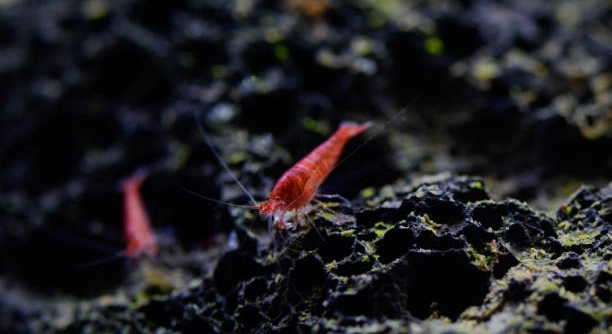
Shrimp have the amazing ability to change color depending on their environment and mood. Their shells contain pigments called carotenoids, which respond to light, temperature, and stress. When they are alive, most shrimp appear gray or translucent, helping them blend with their surroundings. Cooking shrimp turns them pink or orange because heat breaks down proteins that cover the pigments, making the colors visible. Some species even display vibrant patterns for communication or mating purposes. This color-changing trait is not just for looks; it helps them avoid predators and signals health or readiness to other shrimp. Observing shrimp in aquariums or in the wild, you might notice subtle shifts in their appearance over hours or days. These changes are natural and fascinating to see, reflecting how adaptable shrimp are to their environment. It also shows how much detail is packed into even the smallest sea creatures.
Their color change is controlled by chemical reactions in their shells, influenced by environmental conditions, light, and stress. This helps them camouflage and communicate.
Shrimp color variations can affect how they are perceived in cooking and aquaculture. Chefs often prefer pink or red shrimp for presentation, but live shrimp may appear dull. Scientists use color changes to study stress or health in shrimp populations, making this trait both visually appealing and scientifically useful. It’s a small but remarkable feature that connects their biology to everyday observations.
Shrimp Are Natural Recyclers
Shrimp play an important role in keeping aquatic ecosystems clean.
They feed on algae, detritus, and dead plant matter, breaking it down and recycling nutrients. By consuming waste material, shrimp prevent the buildup of decaying matter, helping maintain water quality and balance in ponds, rivers, and oceans. Their constant movement stirs sediments and promotes oxygen flow in the water, benefiting other organisms. In aquaculture, shrimp can help reduce excess organic material, creating a healthier environment for themselves and other species. This natural recycling supports a stable ecosystem, demonstrating that even small creatures can have a big impact on their habitat. Farmers and marine biologists pay attention to shrimp behavior to ensure their systems stay clean and productive, highlighting their ecological importance beyond being a food source.
Shrimp recycling behavior supports aquatic ecosystems, improves water quality, and benefits other marine species by reducing excess waste and promoting nutrient flow.
By feeding on leftover plant matter, algae, and small debris, shrimp act as natural cleaners in oceans, rivers, and farms. Their scavenging reduces the accumulation of decaying material that could otherwise harm water quality. This behavior also influences the population dynamics of other small organisms, as shrimp compete for food while simultaneously providing a service. The nutrients from consumed waste are returned to the ecosystem through excretion, which supports plant growth and maintains balance. Even in aquaculture, shrimp help control organic buildup in tanks or ponds, reducing the need for mechanical cleaning. Their daily activity creates small currents and stirs sediments, ensuring oxygen reaches all levels of water. Observing shrimp in tanks or shallow waters reveals how diligent they are at this task. Their role as recyclers shows that shrimp are more than just a seafood choice—they are active participants in sustaining healthy environments.
Shrimp Can Swim Backwards
Shrimp use a unique method to escape danger by swimming backwards. They rapidly flex their tails, propelling themselves in the opposite direction of a threat. This quick movement helps them avoid predators and navigate their environment efficiently.
The backward swimming is powered by strong abdominal muscles and a specialized tail fan. By contracting these muscles, shrimp create a sudden burst of water, pushing them away from danger. This action is instinctive and can be repeated several times in a row, allowing shrimp to move unpredictably. In addition to escaping predators, backward swimming helps shrimp reposition themselves while searching for food or finding shelter among rocks and plants. Observing this movement in tanks or shallow water highlights their agility and responsiveness to their surroundings.
This swimming style also aids in maintaining balance and maneuverability in flowing water. Shrimp adjust the speed and angle of tail flicks based on currents and obstacles, demonstrating precise control. Their backward motion is a small but critical survival skill that combines strength, coordination, and timing. It shows how even tiny creatures have evolved clever ways to protect themselves while exploring their habitat.
Shrimp Have Tiny Hearts
Shrimp hearts are small but essential for circulation. They pump blood throughout the body, delivering nutrients and oxygen to tissues efficiently.
Shrimp have a single-chambered heart located in their thorax. Blood flows from the heart into open spaces surrounding organs, rather than through closed vessels as in mammals. This open circulatory system works well for shrimp because their small size allows nutrients and oxygen to reach all cells without high pressure. The heart rhythm adjusts based on activity levels; during swimming or escaping predators, it beats faster to meet higher oxygen demands. Researchers study shrimp hearts to understand how tiny hearts can support active lifestyles in aquatic animals.
The shrimp heart is controlled by both neural signals and hormones, allowing it to respond to environmental changes quickly. Temperature, salinity, and oxygen levels can affect heart rate, showing how sensitive these creatures are to their surroundings. Despite its size, the heart efficiently supports movement, growth, and digestion, demonstrating that even small organs can have a major role in survival. Observing heart activity under a microscope provides insight into how physiology supports shrimp behavior.
Shrimp Can Regrow Limbs
Shrimp have the ability to regrow lost limbs over time. This natural regeneration helps them recover from injuries caused by predators or rough environments.
The regrowth process occurs gradually with each molting cycle. Shrimp shed their exoskeletons, allowing new, fully functional limbs to form.
Shrimp Communicate Through Sound
Shrimp produce sounds by rubbing body parts together or snapping claws. These noises signal territory, mating readiness, or warnings. Their communication is subtle but essential for social interactions and survival in dense aquatic habitats.
Shrimp Live in Both Fresh and Saltwater
Shrimp inhabit a variety of environments, from oceans to rivers. Some species migrate between freshwater and saltwater during different life stages, adapting to temperature, salinity, and food availability to thrive across habitats.
Shrimp Filter Small Particles
Shrimp feed on tiny particles in water, including plankton and detritus. Their filtering helps maintain water clarity and provides a steady food source, supporting both their growth and the surrounding ecosystem.
What do shrimp eat?
Shrimp are mostly scavengers and feed on a variety of small particles in the water. They eat algae, plankton, tiny plants, and detritus, which is made up of decaying organic matter. Some species may also consume small invertebrates or leftover food from larger animals. Their feeding habits help recycle nutrients in aquatic environments. By constantly moving along the sea floor or in the water column, shrimp pick up particles and break them down. This keeps the water clean and ensures that organic matter doesn’t accumulate excessively. In tanks or aquaculture, they often get supplemented with commercial feed to provide balanced nutrition. Observing shrimp while they eat shows how efficient they are at finding and consuming tiny pieces of food, which keeps them active and supports growth.
How long do shrimp live?
Shrimp lifespans vary depending on species and environmental conditions. Most shrimp live between one and six years, though some can survive longer in optimal conditions. Factors such as water temperature, salinity, predation, and diet influence how long they live. In colder waters, some species grow slowly and may live longer, while warmer waters often speed up their life cycle. Predation is a major factor in natural habitats, as shrimp are a common food source for many fish and birds. In controlled environments like aquaculture or aquariums, shrimp generally live longer because threats are reduced and food is plentiful. Molting, the process of shedding their exoskeleton, occurs multiple times during their life and is essential for growth, but it also leaves them vulnerable. Understanding their lifespan helps in caring for shrimp responsibly and predicting population dynamics in both natural and farmed settings.
Can shrimp swim backward?
Yes, shrimp can swim backward by quickly flexing their tails. This sudden movement allows them to escape predators or navigate around obstacles efficiently. Their powerful tail muscles generate bursts of water, propelling them in the opposite direction. The motion is quick and instinctive, giving them an advantage in avoiding danger. Backward swimming also helps them reposition while feeding or exploring their environment. Some shrimp species can repeat this action multiple times in succession, showing how well-adapted they are to sudden threats. Observing shrimp in shallow water or aquariums reveals this skill clearly, especially when they sense movement nearby. It’s a small but remarkable survival technique that combines speed, strength, and coordination.
Do shrimp feel pain?
Shrimp have a nervous system that reacts to stimuli, but whether they feel pain like humans is still debated. They respond to threats by fleeing or hiding, showing sensitivity to harmful conditions. Scientific studies suggest that shrimp have simple nervous responses rather than complex emotional experiences. They react to extreme heat, chemicals, or injury, which triggers instinctive survival behaviors. Understanding this distinction is important for handling shrimp in cooking, aquaculture, or research. While they may not experience pain consciously, their reactions are real and measurable. Treating shrimp carefully during handling reduces unnecessary stress and supports healthier growth in farmed or captive settings. Observing their responses to sudden changes in the environment highlights how attuned they are to potential danger, even without the emotional experience of pain as mammals might have.
Why are shrimp pink when cooked?
Shrimp turn pink or orange when cooked due to chemical changes in their shells. Heat breaks down proteins that cover carotenoid pigments, revealing bright colors. Live shrimp are usually gray, brown, or translucent, which helps them blend with surroundings and avoid predators. Cooking causes the shell’s structure to change, making the pigments visible. The pink color is a sign that the shrimp is fully cooked and safe to eat. This color shift is consistent across most shrimp species, although shades may vary slightly depending on diet or environment. Observing live versus cooked shrimp shows the dramatic transformation clearly. Chefs and home cooks often rely on this color change as a visual cue for proper cooking.
Can shrimp survive in fresh and saltwater?
Many shrimp species can live in both fresh and saltwater, while others are specific to one environment. Some migrate between freshwater and saltwater during different life stages, adapting to changes in salinity. This flexibility allows shrimp to exploit various habitats, find food, and reproduce. Their ability to survive in multiple water types depends on their physiology and tolerance for salinity shifts. Aquaculture often mimics these conditions to raise shrimp efficiently. Understanding their habitat needs is important for maintaining healthy populations, whether in the wild or in captivity. Observing shrimp in rivers, estuaries, and oceans highlights how adaptable they are, moving between environments to survive and grow.
How do shrimp contribute to the ecosystem?
Shrimp play a key role in aquatic ecosystems as scavengers and prey. They consume algae, detritus, and leftover organic matter, preventing buildup of waste and supporting nutrient cycling. By feeding on small particles, shrimp maintain water clarity and promote healthy plant growth. Their activity stirs sediments, which helps oxygenate the water and supports microorganisms that further break down waste. Shrimp are also a critical food source for fish, birds, and other marine animals, linking lower and higher levels of the food chain. In aquaculture, their feeding habits reduce excess material in ponds or tanks, improving overall system health. Observing shrimp demonstrates how even tiny animals can have a big ecological impact, supporting both water quality and the survival of other species.
Are shrimp important for humans beyond food?
Shrimp support humans in ways beyond being a food source. Their exoskeletons are used in chitin production, which is applied in medicine, agriculture, and industry. Chitosan, derived from shrimp shells, is used for wound dressings, water filtration, and biodegradable materials. Studying shrimp biology helps scientists understand growth, reproduction, and behavior in crustaceans, aiding aquaculture and marine conservation efforts. Economically, shrimp farming provides jobs and income worldwide. Their ecological role also benefits fisheries and natural habitats that humans rely on. Caring for shrimp populations ensures both environmental stability and continued access to resources that humans value for food, research, and industry. Observing shrimp behavior and growth in controlled settings provides insights that improve farming practices and ecological management.
Shrimp are more interesting than most people realize. They are small creatures, but their biology and behavior are quite complex. From changing color to regrowing lost limbs, shrimp have many traits that help them survive in their environments. They are not just food; they are active participants in their ecosystems. Their ability to swim backward and react quickly to threats shows how well-adapted they are to avoiding predators. Watching shrimp move in tanks or shallow waters reveals a lot about their instinctive behavior and natural skills. Even small details, like the way they filter food from the water, make a big difference in maintaining balance in their habitats. These tiny animals demonstrate how much life can be packed into something so small, and they remind us that every species has its own role to play. Understanding shrimp can change the way we see them, not just as seafood, but as creatures with a purpose and complexity that deserves attention.
Shrimp also play a vital role in the environment. They act as natural recyclers, feeding on detritus and algae, which helps prevent waste from building up in aquatic ecosystems. Their activity stirs up sediments, improves water quality, and supports plant growth, which benefits other animals living nearby. Shrimp are also an important food source for fish, birds, and other predators, linking different levels of the food chain. In addition, their exoskeletons are used by humans in various ways, such as in medicine and agriculture, showing that shrimp contribute beyond just being eaten. In aquaculture, understanding shrimp behavior and biology is crucial for maintaining healthy populations and ensuring sustainable practices. Observing how they move, feed, and interact with their surroundings gives insight into the delicate balance of ecosystems and the impact of even small animals. Their role is not always visible, but it is essential for both natural habitats and human use.
Learning about shrimp can make a person more aware of the small details in nature. These animals show that even tiny creatures have complex lives and important roles. Their survival strategies, like color changes, backward swimming, and communication through sound, reveal remarkable adaptability. Paying attention to shrimp also highlights the importance of preserving aquatic habitats. Healthy shrimp populations mean healthy water, balanced ecosystems, and support for other marine life. Whether in the ocean, rivers, or aquaculture systems, shrimp contribute in ways many people do not notice. They remind us that understanding animals goes beyond appearances and taste; it involves observing behavior, biology, and environmental connections. Taking the time to learn about shrimp can increase appreciation for them and the ecosystems they support. Recognizing their significance encourages thoughtful interaction, whether cooking, farming, or conserving aquatic habitats, and highlights that even the smallest creatures can have a large impact.

Hello,
If you enjoy the content that we create, please consider saying a "Thank You!" by leaving a tip.
Every little bit helps us continue crafting quality advice that supports the health, happiness, and well-being of pets around the world, for pets of all shapes, sizes, and species.
We really appreciate the kindness and support that you show us!