
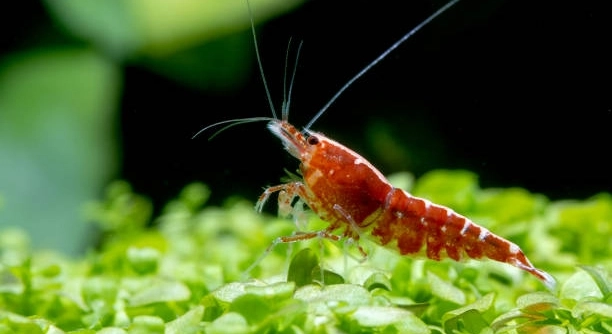
Molting is a critical process in a shrimp’s life, leaving them vulnerable until their new shell hardens. During this time, they require careful care and specific conditions to recover safely and thrive in their environment.
After molting, shrimp need optimal water parameters, sufficient hiding spaces, a calcium-rich diet, gentle feeding, minimal stress, clean substrate, and stable tank conditions. These factors collectively support proper shell hardening, overall health, and survival during the delicate post-molt period.
Providing the right care after molting ensures your shrimp remain healthy and resilient, allowing them to grow steadily while maintaining their vibrant colors. Observing these needs can make a noticeable difference in their wellbeing.
Stable Water Parameters
Maintaining stable water conditions is essential for shrimp after molting. Sudden fluctuations in temperature, pH, or ammonia levels can stress them and slow shell hardening. I always check the water daily and adjust slowly if needed, making small corrections rather than large changes. Clean, filtered water helps reduce toxins and keeps shrimp healthy during this delicate stage. Minerals in the water, especially calcium, contribute to a stronger exoskeleton. Salt levels should also remain consistent, as even minor shifts can impact recovery. Observing shrimp behavior can indicate if conditions are favorable; lethargy or hiding may signal stress or imbalances. Stability reduces the risk of molting complications and ensures shrimp regain energy efficiently. A well-maintained tank prevents secondary issues such as fungal or bacterial infections that thrive in unstable water. Over time, consistent parameters promote growth, resilience, and vibrant colors, making it easier to care for multiple shrimp in a shared habitat.
Keeping water parameters stable gives shrimp a safe environment to harden their shells and regain strength efficiently.
Regular water testing, slow adjustments, and adequate filtration create a supportive environment, reducing stress and promoting faster recovery after molting. Consistent temperature and pH also minimize mortality risks. I find that maintaining stable conditions requires attention to small details, such as topping off evaporated water with treated water and monitoring ammonia and nitrite levels carefully. Adding minerals like calcium gently over time improves exoskeleton formation without shocking the shrimp. Plants and driftwood in the tank can help stabilize pH and provide additional hiding spaces, which reduces stress. Avoiding sudden changes in lighting, filtration, or tank placement also contributes to a calmer environment. Over time, stable water supports shrimp growth and strengthens their immune system, leading to a healthier and more active colony. Observing their behavior daily allows me to identify subtle changes in health and act quickly. By prioritizing stable water parameters, post-molt recovery becomes much smoother, and shrimp thrive with fewer complications.
Hiding Spaces
Shrimp feel vulnerable after molting, so providing ample hiding spots is crucial. Moss, caves, and plants allow them to retreat and avoid stress from tank mates.
Hiding spaces reduce aggression, prevent injuries, and give shrimp confidence while their new shells harden.
Creating a variety of secure areas in the tank makes a noticeable difference. I like combining moss, ceramic caves, and leaf litter so shrimp can choose their preferred spot. Dense planting offers shaded retreats and a sense of security. Soft surfaces prevent damage to delicate new shells, while multiple locations reduce competition among shrimp. Observing how shrimp use these spaces helps adjust placement and density over time. By ensuring each shrimp has access to a comfortable hiding area, the risk of molting complications decreases, allowing them to emerge more quickly from their shells and resume normal activity. This setup also encourages natural behaviors like grazing on biofilm and exploring cautiously, keeping shrimp active without unnecessary stress. Over time, a well-structured tank with secure retreats supports overall health, vibrant colors, and steady growth.
Calcium-Rich Diet
Calcium is essential for shrimp to rebuild their exoskeletons quickly after molting. Providing calcium-rich foods or supplements supports strong shells and overall health during this vulnerable period.
I usually add crushed cuttlebone or mineral blocks to the tank. Leaf litter like Indian almond leaves also releases small amounts of calcium while offering shelter. Supplementing with specialized shrimp foods fortified with minerals ensures they get what they need. Timing is important: feeding immediately after molting encourages faster shell hardening. Avoid overfeeding, as leftover food can pollute water and create stress. Observing shrimp nibbling on calcium sources shows they are actively using nutrients for recovery.
Balanced calcium intake prevents weak or deformed shells. It works alongside stable water conditions, hiding spaces, and gentle care to ensure shrimp survive and grow. Offering natural and supplemental sources regularly creates an environment where shrimp can thrive safely after molting.
Gentle Feeding
Shrimp have delicate, soft shells immediately after molting, making careful feeding critical. Soft, easily digestible foods reduce stress and prevent injury to the new shell.
I provide small portions of soft foods, like algae wafers or finely crushed pellets. Feeding in small amounts several times a day encourages them to eat without overcrowding. Avoid hard or sharp foods that could damage soft shells. Observing feeding behavior helps gauge recovery progress. Gradually reintroducing normal diet ensures a smooth transition. Proper feeding prevents malnutrition, supports growth, and reduces the risk of post-molt complications. Maintaining cleanliness during feeding also helps water remain stable.
Consistent, gentle feeding combined with proper water parameters and hiding spaces creates a safer environment for shrimp. Watching them eat calmly after molting is reassuring, showing they are regaining strength and preparing for normal activity. Nutritional support during this time ensures shells harden properly and overall health is maintained.
Minimal Stress
Shrimp are highly sensitive after molting, so keeping their environment calm is essential. Avoid sudden movements, tapping on the glass, or rearranging decorations, as these actions can cause stress and slow recovery.
Stress can lead to hiding, reduced feeding, or even molting complications. I monitor tank activity and ensure aggressive tank mates are separated during this period. Maintaining a quiet environment helps shrimp feel secure while their shells harden and allows them to regain strength efficiently.
Clean Substrate
A clean substrate prevents leftover food and waste from contaminating water. Regular siphoning and gentle cleaning reduce ammonia buildup, keeping shrimp healthy and safe during post-molt recovery.
Debris can stress shrimp or damage their soft shells. I carefully vacuum small amounts without disturbing hiding spots. Clean substrate works alongside stable water parameters and gentle feeding to create a safe, supportive environment for delicate shrimp.
Stable Tank Conditions
Consistent lighting, filtration, and temperature are vital for shrimp after molting. Sudden changes can stress them, interfere with shell hardening, and increase vulnerability to disease. I maintain steady tank conditions and make adjustments gradually when necessary, ensuring the environment remains predictable.
Monitoring equipment daily allows me to notice minor fluctuations in temperature or flow. Stable tank conditions also reduce aggressive interactions from tank mates. By keeping all systems consistent, shrimp regain strength faster, feed normally, and harden shells without complications. Over time, a reliably maintained tank supports overall health, coloration, and long-term survival.
Observation
Careful observation helps identify issues early. Watching shrimp behavior, feeding, and shell development ensures timely intervention if problems arise.
FAQ
Why do shrimp hide so much after molting?
Shrimp hide after molting because their new shells are soft and vulnerable. During this time, they are more susceptible to injury from tank mates or rough surfaces. I always make sure there are enough plants, caves, or mossy areas so they can retreat safely until their shells harden. Hiding is a natural behavior that helps them conserve energy and recover quickly. Observing them in these safe spots reassures me that they are protected and slowly regaining strength without interference.
How long does it take for a shrimp’s shell to harden?
The hardening process usually takes anywhere from 24 to 72 hours, depending on water conditions, diet, and shrimp species. In my experience, warmer, stable water with adequate calcium accelerates hardening. Cooler or unstable conditions can prolong this process, increasing the risk of shell damage. Providing small, soft food portions and maintaining low-stress conditions during this period helps shrimp regain strength more quickly. Monitoring their behavior daily shows when they are ready to resume normal activity.
Can I feed shrimp immediately after molting?
Yes, but only soft and easily digestible foods. Hard or sharp foods can damage delicate shells. I offer crushed algae wafers, soft leaf matter, or specialized post-molt shrimp foods. Small, frequent feedings encourage them to eat without crowding or competition. Clean any leftovers to prevent water contamination. Gentle feeding supports shell development and energy restoration. Over time, shrimp become more active and confident in exploring the tank once they have regained strength.
Do tank mates harm shrimp after molting?
Aggressive or larger tank mates can injure soft-shelled shrimp. I separate them if necessary or provide ample hiding spaces. Shrimp vulnerability lasts until their new exoskeleton hardens. Even mild stress from other tank mates can slow recovery. Observing interactions ensures all shrimp remain safe, reducing post-molt mortality. Creating a balanced community and monitoring behaviors keeps the environment calm and supportive.
Is water quality more important after molting?
Absolutely. Stable water parameters prevent stress and shell deformities. I check temperature, pH, ammonia, nitrite, and nitrate levels daily. Even small fluctuations can negatively affect delicate shrimp. Filtration and regular water changes help maintain consistency. Clean, mineral-rich water ensures the exoskeleton forms properly and supports overall health. Monitoring these parameters makes recovery smoother and reduces the risk of illness.
What signs indicate a molting problem?
Shrimp that remain hidden excessively, fail to eat, or appear weak may have molting issues. Deformed or soft shells that do not harden are another indicator. I watch closely during the first 48 hours post-molt. If problems persist, checking water parameters and offering additional calcium or safe food can help. Prompt action can prevent death or long-term health problems.
How often should I check on molting shrimp?
Daily observation is sufficient, focusing on behavior, shell hardness, and feeding. I avoid unnecessary disturbances, as constant handling increases stress. Quiet, consistent monitoring allows me to notice early signs of problems and ensure shrimp have access to hiding spaces and nutrition. Balancing attention with minimal interference creates the best environment for post-molt recovery.
Can adding calcium supplements too often harm shrimp?
Yes, excessive calcium can disrupt water chemistry and harm shrimp. I use measured amounts based on the tank size and monitor the response carefully. Natural sources like cuttlebone or leaf litter reduce the risk of over-supplementing. The goal is to provide enough for shell hardening without creating stress from chemical imbalance. Controlled supplementation works best alongside stable water and gentle feeding.
Do all shrimp species need the same post-molt care?
While basic needs like hiding spaces, stable water, and nutrition apply universally, specific species may have different calcium or temperature requirements. I adjust care according to the species’ natural habitat. Observing behavior and growth patterns helps tailor post-molt support for each type of shrimp in the tank. Adapting care ensures healthier molting and faster recovery.
How can I make the tank safer for shrimp during molting?
Providing dense plants, caves, and moss reduces stress and potential injury. I keep water parameters stable, feed gently, and avoid sudden changes in temperature or tank layout. Separating aggressive tank mates temporarily and monitoring behavior ensures shrimp have a secure environment. A calm, structured tank encourages faster recovery and healthy shell formation.
Can stress slow down shell hardening?
Yes, stress from water fluctuations, tank mates, or frequent disturbances can slow hardening. I maintain calm conditions and observe quietly. Reducing stress allows shrimp to focus energy on shell formation and feeding, improving overall health during post-molt recovery.
Are supplements necessary if I have plants in the tank?
Plants help stabilize water and provide minimal minerals, but they may not supply enough calcium for post-molt shrimp. I combine natural sources like leaves with small supplemental minerals to ensure shells harden properly. Balanced supplementation complements a healthy tank ecosystem.
How do I know if my shrimp are eating enough after molting?
Active nibbling and occasional grazing on biofilm indicate proper feeding. I watch for consistent movement toward food and minimal leftovers. If shrimp avoid food or appear weak, I adjust portions or offer softer, easier-to-eat options. Regular monitoring ensures they regain strength efficiently.
What is the most common post-molt mistake?
The most frequent mistake is disturbing shrimp too much or providing inadequate hiding spaces. I learned that letting shrimp recover quietly and maintaining stable conditions greatly reduces mortality. Small details like proper feeding, gentle care, and calcium support make the difference.
Can overcrowding affect molting shrimp?
Yes, too many shrimp or tank mates increases competition for food and hiding spots. I keep population density moderate and provide multiple retreats. Overcrowding creates stress, slows shell hardening, and raises the risk of injury. Adequate space ensures safer recovery and healthier shrimp overall.
How long should I maintain special care after molting?
Typically, 48 to 72 hours is critical, but monitoring continues until shells fully harden. I provide gentle feeding, stable water, and calm conditions throughout this period. Extending care slightly for more sensitive or slow-hardening species prevents complications and promotes consistent growth.
What should I do if a shrimp fails to harden its shell properly?
Isolate the shrimp in a calm, clean environment with additional calcium sources. I maintain ideal water parameters and reduce stress to give it the best chance. In some cases, manual intervention is limited, but observation and supportive care can prevent further deterioration.
How do I encourage natural behavior post-molt?
I provide a mix of hiding spaces, soft foods, and gentle lighting. Allowing shrimp to explore gradually while minimizing disturbances encourages grazing, climbing, and interaction with the environment. Supporting natural behavior promotes health and faster recovery.
Can water changes harm molting shrimp?
Large, sudden changes can stress shrimp or alter mineral levels. I perform small, frequent water changes with treated water to maintain stability. This approach keeps conditions safe and avoids shocking delicate shrimp during recovery.
Are all molting shrimp equally vulnerable?
Newly molted shrimp of all sizes are vulnerable, but smaller or juvenile shrimp may be at higher risk. I pay extra attention to tiny shrimp, ensuring hiding spots and gentle care are available to prevent injuries and support growth.
How do I track shell hardening progress?
I observe shell texture, color, and firmness over time. Soft, transparent shells indicate early post-molt, while harder, opaque shells show progress. Monitoring behavior, feeding, and movement complements visual checks, allowing timely adjustments to care.
Can diet alone ensure proper shell hardening?
Diet is crucial but not sufficient on its own. Stable water, hiding spaces, minimal stress, and balanced calcium intake all work together. I combine nutritional support with environmental management to ensure healthy, fully hardened shells and overall shrimp wellbeing.
What are the signs of calcium deficiency?
Shrimp may show soft, translucent shells, slow hardening, or difficulty molting. I supplement with natural or commercial calcium sources and monitor water chemistry. Early detection allows corrective action before complications occur.
Is it safe to add new shrimp during molting periods?
Adding new shrimp can increase stress and competition. I wait until existing shrimp have hardened shells and stabilized behavior. Introducing newcomers gradually prevents aggression and ensures all shrimp have a safe environment for recovery.
How do I prevent post-molt infections?
Clean water, gentle feeding, and minimal disturbance reduce the risk. I avoid overcrowding and monitor for abnormal spots, fungal growth, or lethargy. Early intervention and maintaining optimal conditions protect delicate shrimp during this period.
Can lighting affect molting shrimp?
Bright, sudden lighting can stress shrimp. I maintain gentle, consistent lighting to reduce stress and allow them to acclimate naturally. This encourages normal activity and supports shell hardening without interference.
Should I remove uneaten food immediately after feeding?
Yes, leftover food can degrade water quality. I remove uneaten portions to prevent ammonia spikes and reduce stress on delicate shrimp. Clean substrate and careful feeding complement post-molt care.
Are supplements different for freshwater and saltwater shrimp?
Yes, mineral needs vary. I tailor supplementation to the species’ natural habitat. Freshwater shrimp may require more calcium or magnesium, while saltwater shrimp need stable salinity and balanced minerals. Correct supplementation ensures proper shell development and overall health.
How do I know if the tank environment is safe for molting shrimp?
Observation is key. Shrimp should feed, move, and hide without stress. Stable water, adequate hiding spaces, gentle feeding, and low aggression indicate a safe environment. Regular monitoring and small adjustments maintain optimal conditions for recovery.
What should I do if multiple shrimp molt at the same time?
Provide enough hiding spaces and maintain stable water conditions. I feed small, frequent portions and monitor interactions closely. Ensuring each shrimp has access to shelter and nutrition prevents stress and injury during simultaneous molting events.
Can post-molt care affect shrimp coloration?
Yes, proper calcium, nutrition, and stable conditions enhance vibrant colors. I’ve noticed shrimp recover brighter and healthier when care is consistent. Neglecting post-molt needs can lead to pale, dull shells or slow growth, affecting overall appearance.
How do I balance post-molt care with normal tank maintenance?
I perform gentle cleaning, monitor water quality, and avoid sudden changes. Feeding is done carefully, and observation is prioritized over frequent handling. Balancing care ensures the tank stays healthy while shrimp recover safely.
Are there signs of successful post-molt recovery?
Shrimp become more active, feed normally, and shells harden fully. I look for confident movement and interaction with their environment. These signs indicate that post-molt care has been effective and shrimp are ready to resume normal activity.
How can I prevent repeated molting stress?
Stable water, balanced diet, hiding spaces, and minimal disturbances reduce repeated stress. I avoid overcrowding and maintain proper calcium levels. Consistent care ensures smoother future molts and healthier shrimp overall.
Is it necessary to track each shrimp individually?
Tracking can help identify issues but is not always necessary for larger groups. I focus on observing overall behavior, feeding, and shell hardening. Individual attention may be required for weak or vulnerable shrimp.
Can plants alone provide sufficient shelter?
Plants help but may not be enough for shy or newly molted shrimp. I combine moss, caves, and leaf litter to create multiple retreat options. Adequate shelter prevents injuries and reduces stress.
How do I manage aggressive species in a mixed tank?
I separate aggressive tank mates or provide extra hiding spaces. Observation ensures molting shrimp are not bullied. Maintaining balance prevents injuries and supports healthier recovery.
Is temperature more critical than other factors?
Temperature is important but works together with water stability, diet, and hiding spots. I maintain a steady range suitable for the species. Sudden temperature shifts can cause stress and slow shell hardening.
Can dehydration affect post-molt shrimp?
Yes, low water levels or poor water quality can harm shrimp. I monitor evaporation and top off carefully to maintain safe conditions. Proper hydration supports shell hardening and overall health.
What role does biofilm play in recovery?
Biofilm provides a natural food source and encourages grazing behavior. I maintain surfaces with healthy biofilm, allowing shrimp to feed gently and regain energy after molting.
Are post-molt supplements safe for all shrimp?
Most commercial supplements are safe if used correctly. I measure doses carefully and observe shrimp for reactions. Over-supplementation can cause water imbalance, so moderation is key.
How often should I adjust care routines?
Adjustments are needed only if shrimp show stress, slowed shell hardening, or behavioral changes. I monitor regularly and make small, gradual changes rather than frequent alterations. Consistency promotes faster recovery.
Do younger shrimp need extra attention?
Juveniles are more vulnerable due to smaller size and softer shells. I ensure adequate hiding spots, gentle feeding, and careful monitoring. Extra attention reduces mortality and supports healthy growth.
Can disease interfere with post-molt recovery?
Yes, bacterial or fungal infections can develop if water quality is poor. I maintain clean water, stable parameters, and gentle handling to reduce risks. Early detection allows treatment without compromising recovery.
Is manual shell removal ever necessary?
Only in extreme cases where shrimp are stuck in old shells. I avoid this whenever possible, as it can cause injury. Supportive care usually allows natural shedding and hardening without intervention.
How important is tank size for molting shrimp?
Adequate space reduces stress, prevents overcrowding, and allows multiple hiding spots. I ensure sufficient room for all shrimp to molt safely. Small tanks require extra attention to water quality and shelter to avoid complications.
Do shrimp need different care in community tanks?
Yes, community tanks require careful monitoring of tank mates, food availability, and hiding spaces. I provide extra retreats and observe interactions to prevent aggression during molting. Proper balance ensures safe recovery for all shrimp.
Can post-molt care improve shrimp longevity?
Consistent care strengthens exoskeletons, reduces stress, and prevents injuries. I’ve seen shrimp live longer and maintain vibrant colors when post-molt needs are consistently met. Prioritizing these factors improves overall health and lifespan.
What is the most important factor for successful post-molt care?
A combination of stable water, hiding spaces, gentle feeding, calcium supplementation, and minimal stress. I focus on these key areas to ensure shrimp recover safely and maintain health. Consistency and observation are critical for successful molting outcomes.
How do I prevent post-molt mortality in crowded tanks?
Separate newly molted shrimp temporarily, provide sufficient hiding spots, and monitor water quality closely. Reducing competition and stress lowers the risk of death and supports proper shell hardening.
Are commercial post-molt foods necessary?
They are helpful but not mandatory. I combine fortified foods with natural sources like leaf litter and biofilm. This approach ensures balanced nutrition while supporting shell hardening and overall recovery.
Can I track shell hardening progress visually?
Yes, monitoring transparency, texture, and firmness helps track development. I combine visual checks with observing behavior and feeding to ensure recovery is on track.
Do environmental changes affect molting frequency?
Yes, sudden shifts in temperature, water chemistry, or stress can trigger premature or delayed molting. I maintain a stable environment to support natural, healthy molting cycles.
What should I do if a shrimp dies during molting?
Remove the shrimp promptly to maintain water quality. I review care routines, check water parameters, and ensure hiding spaces and nutrition are adequate for remaining shrimp. Preventative measures reduce future risk.
Are post-molt issues reversible?
Some issues like slowed shell hardening or minor deformities can improve with proper care. I maintain stable water, adequate calcium, gentle feeding, and low stress to give shrimp the best chance at recovery.
How do I balance feeding and water quality?
Feed small, frequent portions and remove leftovers promptly. I monitor water parameters to prevent ammonia spikes and maintain a healthy environment. Proper balance ensures nutrition without compromising safety.
Can temperature fluctuations cause shell deformities?
Yes, sudden changes can interfere with exoskeleton formation. I maintain stable, species-appropriate temperatures to support proper shell hardening and overall health.
Is it normal for shrimp to molt frequently?
Frequent molting is common in juveniles. I ensure each molt occurs in a safe, calm environment with adequate nutrition. Over time, molting frequency decreases as shrimp mature.
What is the best way to reduce post-molt stress?
Stable water, hiding spaces, gentle feeding, and minimal disturbances. I maintain consistent tank conditions and observe quietly to promote faster recovery and reduce stress-related complications.
Can overfeeding harm molting shrimp?
Yes, uneaten food can pollute water, increasing stress and infection risk. I feed measured portions and remove leftovers promptly to protect delicate shrimp.
Do I need to adjust care for molting during breeding periods?
Yes, breeding adds stress and increases nutritional demand. I provide extra hiding spots, calcium, and gentle feeding to support both molting and reproductive health.
Are there signs of successful molting in juveniles versus adults?
Juveniles regain color and activity quickly, while adults show hardened, opaque shells. I monitor feeding, behavior, and shell texture to confirm successful post-molt recovery.
How important is water circulation for molting shrimp?
Moderate circulation prevents stagnant areas without stressing shrimp. I adjust flow to ensure calm zones near hiding spots for safe recovery.
Can lighting cycles affect molting timing?
Consistent lighting supports normal behavior and molting cycles. I maintain predictable light schedules to reduce stress and promote healthy molting patterns.
Do seasonal changes impact post-molt care?
Yes, seasonal temperature or humidity shifts can affect water stability. I monitor conditions and adjust slowly to maintain a safe environment during recovery.
Is quarantine necessary for newly molted shrimp?
Quarantine is useful if introducing new shrimp or suspecting illness. I isolate vulnerable individuals to prevent stress and protect both new and existing shrimp.
Can post-molt care affect reproduction?
Proper care ensures energy and nutrition for growth and reproductive readiness. I’ve noticed well-supported shrimp breed more successfully after safe molting periods.
How do I reduce aggression in mixed-species tanks?
Provide multiple hiding spaces and separate aggressive tank mates if needed. Observation ensures delicate molting shrimp remain safe and stress-free.
Is manual intervention ever required during molting?
Rarely, only if shrimp are stuck in old shells or show severe deformities. I avoid interference whenever possible and focus on supportive care.
Can stress cause incomplete molts?
Yes, sudden disturbances, aggressive tank mates, or unstable water can prevent complete shedding. I maintain calm conditions to reduce the risk.
Do all shrimp recover at the same rate?
Recovery varies by species, age, and health. I monitor each individually if needed, adjusting care to support slower or more vulnerable shrimp.
How long should hiding spaces remain available?
At least until the new shell fully hard
Molting is one of the most critical periods in a shrimp’s life. During this time, they are highly vulnerable and require careful attention to recover properly. Providing stable water conditions, hiding spaces, gentle feeding, and calcium supplementation are all essential steps to support healthy shell hardening. In my experience, observing shrimp closely during these days allows me to notice early signs of stress or complications and take appropriate action. Even small adjustments in tank conditions, like maintaining consistent temperature or removing uneaten food, can make a noticeable difference in their recovery. Post-molt care is not just about helping shrimp survive, but also about ensuring they grow strong and maintain vibrant colors. A well-cared-for shrimp colony is more active, feeds consistently, and experiences fewer health issues over time.
Consistency is key when managing post-molt care. Shrimp respond poorly to sudden changes in their environment, so keeping water parameters stable and minimizing disturbances is essential. Hiding spaces and soft substrates allow them to feel secure while their new shells harden. I find that providing multiple options for retreats reduces competition and ensures each shrimp can rest safely. Feeding should be gentle and frequent, focusing on soft or mineral-rich foods to support energy needs and shell formation. Overfeeding or offering hard foods can cause injuries or water quality issues, so small, careful portions are most effective. Combining these strategies ensures that shrimp not only recover from molting but also continue to thrive, with stronger exoskeletons and healthier behavior in the long term.
Understanding post-molt needs helps prevent common problems such as weak shells, stress, or even mortality. Observing shrimp behavior, monitoring water quality, and providing the right diet and environment creates a safe and supportive setting. Every shrimp responds differently, so attention to individual behavior is important, especially for younger or more vulnerable individuals. I have noticed that shrimp recover more quickly and display normal activity when they have access to hiding spaces and calm conditions. Taking the time to provide proper post-molt care pays off with a healthier, more resilient shrimp colony. By following these practices consistently, you can ensure your shrimp have the best chance to grow, thrive, and maintain their natural beauty throughout their life.

Hello,
If you enjoy the content that we create, please consider saying a "Thank You!" by leaving a tip.
Every little bit helps us continue crafting quality advice that supports the health, happiness, and well-being of pets around the world, for pets of all shapes, sizes, and species.
We really appreciate the kindness and support that you show us!