
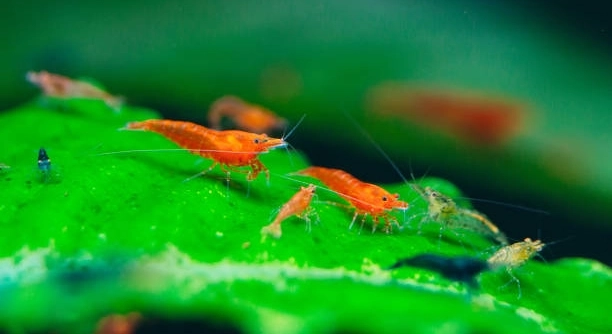
Have you ever watched your cherry shrimp explore their tank, slipping into small spaces as they form gentle routines that make their world feel calm and familiar while choosing spots that suit their quiet nature.
Cherry shrimp often reuse the same hiding places because these spots offer consistent security and predictable conditions. Their behavior reflects an instinct to minimize stress by returning to familiar shelters that provide safety, comfort, and protection within the aquarium ecosystem.
As you learn about their habits, you will notice how their choices shape a calm space that helps them thrive.
Why Cherry Shrimp Choose Certain Spots
Cherry shrimp choose hiding spots for simple reasons that feel easy to understand once you spend time watching them move around their tank. They settle into calm areas where they feel safe, and these spaces give them a sense of comfort that helps them stay active and relaxed. Many of their choices come from instinct, which guides them toward places that protect them from bright light or sudden movement. When you offer plants, driftwood, or small caves, they quickly learn which spots feel the most secure. Over time, they return to these locations as part of their routine, creating a pattern that makes their behavior predictable and soothing to observe. I like how this makes the tank feel steady, since their habits bring a quiet rhythm to the space. Understanding this helps you support them better and gives you a closer look at how they decide where to settle each.
These steady habits help create a calm atmosphere in the tank, making it easier for you to notice changes that may show stress or comfort. Watching their patterns can guide you when adjusting plants or decorations that support their natural hiding behavior and keep their routine steady and their behavior predictable.
In some tanks, shrimp rely on familiar spaces because these areas stay stable even when the rest of the environment shifts. When you maintain soft lighting and gentle water flow, they feel more confident exploring while still returning to their preferred spots. This behavior becomes clearer when the tank is well planted, since plants offer shelter that feels natural and safe. I enjoy seeing how they move in and out of the same areas with ease, creating a pattern that feels steady and warm. Supporting this behavior helps them stay calm, which makes the tank feel peaceful for you.
How Tank Conditions Shape Their Behavior
Tank conditions influence how often shrimp return to the same hiding spots, since stability helps them feel secure. When water parameters remain steady, they relax and move with gentle confidence, choosing safe spaces that support their natural need for calm shelter that keeps their routine steady and their behavior predictable.
Creating a stable tank encourages cherry shrimp to form consistent hiding habits, which makes their behavior easier to understand and support. When the water quality stays within a gentle range, they settle into their preferred spots without hesitation, returning to them throughout the day. Adding plants, moss, and textured surfaces gives them options that feel natural and comforting. These features allow them to slip into shaded areas where they can rest calmly while still staying aware of their surroundings. Soft lighting helps reduce stress, since harsh or sudden brightness can make them retreat more quickly than usual. A balanced flow is also important because strong currents may push them out of the spaces they enjoy most. I like seeing how they respond when the tank feels safe, since their movements become smooth and slow in a way that feels peaceful. When you maintain consistency, they trust their environment more easily and continue using the same hiding places without interruption. Observing this pattern gives you helpful clues whenever something changes, making it easier to adjust the layout or conditions before they feel stressed. By shaping a calm space, you help them thrive while keeping the tank inviting and soft to watch.
How Cherry Shrimp React to New Hiding Spots
Cherry shrimp explore new hiding spots slowly because they rely on familiar spaces for comfort. When something changes in the tank, they take their time adjusting, testing each new option before fully accepting it into their routine and returning with calm, steady movements.
When you introduce new plants or decorations, shrimp often inspect them with gentle curiosity. They slide along surfaces, checking texture and shadows until they feel safe enough to settle inside. I like watching this quiet process because it shows how selective they can be. They keep comparing new spaces with their preferred ones, choosing places that offer calm shelter without too much light or movement. Sometimes they switch back and forth for a few days while deciding where they feel most secure. This helps you understand how sensitive they are to changes in their environment.
Once they accept a new hiding place, it becomes part of their daily routine. They move through it confidently, resting inside or grazing nearby. Stability encourages this behavior, so keeping the tank clean and softly lit helps them feel secure faster. If a spot becomes too bright, crowded, or exposed, they may stop using it and return to older hiding places instead. I find it helpful to watch these shifts because they show when something in the tank needs adjusting. Their choices reveal a lot about how comfortable they feel at any moment.
Why Some Shrimp Share the Same Spaces
Some shrimp share hiding spots because these areas offer the most stability and gentle cover. When a space feels safe, multiple shrimp may gather there without stress, especially if there is enough room for everyone to rest comfortably.
Shared spaces usually form in areas with thick plants, moss, or driftwood that soften movement and light. These spots stay calm even when the rest of the tank feels busy. Shrimp group together when the environment feels steady, gathering in shaded corners or tucked spaces that protect them from sudden changes. I enjoy seeing this because it shows how relaxed they are. When conditions shift, they may spread out more, searching for places that feel equally safe. Keeping a balanced tank supports these shared habits, encouraging calm behavior and helping them maintain familiar routines.
How Shrimp Behavior Changes During Molting
Shrimp hide more often during molting because their bodies feel vulnerable. They choose tight, shaded spaces where they can stay still without being disturbed. I notice they rarely leave these spots until their new shell feels strong and comfortable again.
After molting, they continue using the same hiding places for a short time. This helps them regain confidence while their body adjusts. Their movements stay slow and gentle, and they prefer quiet corners where the light stays soft and steady.
How Tank Layout Affects Their Choices
Tank layout strongly influences which hiding places shrimp prefer, since they depend on structure and shade to feel safe. Thick plants, textured wood, and narrow spaces encourage them to settle into calm routines. When these features are placed throughout the tank, they spread out naturally instead of crowding in one area. I like arranging plants in layers so the shaded spots feel balanced. This makes it easier for shrimp to explore while still having places to retreat. When the layout stays consistent, they form predictable patterns that show how secure they feel in their environment.
When Shrimp Avoid Certain Hiding Spots
Shrimp avoid hiding places that feel too bright, busy, or exposed. If the lighting becomes harsh or the tank layout shifts, they leave these areas and settle somewhere calmer, giving you clues about what may need adjusting.
FAQ
Why do my cherry shrimp keep returning to the same hiding spot?
Cherry shrimp repeat hiding patterns because familiar spaces help them feel secure. When a spot offers soft light, steady cover, and gentle surroundings, they build trust in that area. I see this often, especially in tanks with thick plants or textured wood. Shrimp enjoy routine, so once they find a safe location, they return to it throughout the day. This behavior also helps them avoid stress because they know exactly what to expect inside the space. When their environment stays stable, these habits become even stronger.
Why do some shrimp avoid certain hiding places?
Shrimp avoid areas that feel too bright, exposed, or busy. If lighting shifts or decorations move, they might decide a spot no longer feels safe. They rely heavily on shade and stillness, so any sudden change can push them away from a place they once liked. I have noticed that even small adjustments to plants or water flow can change their behavior. When they avoid a hiding spot, it usually means something in the tank is off balance. Watching these shifts can help you understand when lighting, layout, or flow needs correction.
Do cherry shrimp hide more when they are stressed?
Shrimp hide more when something in the tank makes them uncomfortable. Sudden movement, loud vibrations, or unstable water parameters push them deeper into coverage. They retreat into small corners until the environment feels calm again. I’ve seen shrimp stay hidden longer after water changes or when the filter flow becomes too strong. Their hiding habits reflect how safe they feel, so increased hiding is often a sign to check the tank. Once stability returns, they usually resume their normal wandering.
Why do shrimp share hiding spots?
Shrimp sometimes group together because the spot offers steady protection. When several shrimp gather in the same area, it usually means the location has perfect shade, gentle textures, and a peaceful flow. I enjoy watching these clusters because they show the shrimp feel relaxed and comfortable. Grouping can also happen in tanks with fewer hiding spaces, so adding more plants or structures helps spread them out. When they feel they have enough options, shared spaces become less frequent unless the spot is especially desirable.
Do cherry shrimp change hiding spots as they grow?
Shrimp often adjust their hiding preferences as they mature. Young shrimp prefer tighter spaces that offer complete coverage, while adults explore wider openings and more open shelters. I notice smaller shrimp staying deeper in moss or between rocks, while adults move into broader shaded areas. As they grow, their confidence changes, and they rely on different textures and shapes to feel secure. Adjusting the tank with mixed sizes of hiding spots helps support shrimp at every stage.
Why do shrimp hide more after molting?
Shrimp hide more after molting because their new exoskeleton feels soft and delicate. They retreat into quiet corners to protect themselves until their shell hardens. I see them staying completely still for hours, sometimes longer. They avoid open areas during this time because they cannot defend themselves and feel more sensitive to light and movement. Once their shell strengthens, they slowly return to their normal patterns. Providing plenty of shaded spaces helps them feel safe throughout molting.
How can I encourage shrimp to use new hiding places?
You can encourage shrimp to use new hiding spots by placing them in shaded areas with soft textures. Shrimp respond well to plants, moss, and wood because these materials feel natural. I’ve found that keeping lighting gentle makes them explore new spaces more confidently. Avoid moving decorations too often because this disrupts their routine and may make them ignore new additions. When the environment stays calm, shrimp accept new hiding areas more quickly. Balancing layout, flow, and lighting helps them feel secure as they adapt to changes.
Final Thoughts
Caring for cherry shrimp becomes easier when you understand how their hiding habits reflect their comfort and security. Their small routines may seem simple, but each choice they make connects to the environment you create for them. When the tank offers calm lighting, steady water conditions, and plenty of covered spaces, they settle into patterns that feel gentle and predictable. I try to pay attention to these patterns because they reveal what helps them feel safe. Watching them return to familiar spots throughout the day shows how much they rely on structure and routine. This gentle behavior gives the tank a peaceful atmosphere that becomes more noticeable the longer you observe them. It is comforting to see how their habits slowly develop as they learn which areas feel most supportive, and this understanding creates a stronger connection between the care you give and the behavior they show.
Their hiding choices also remind you how sensitive shrimp can be to small changes. A shift in lighting, a move in decorations, or a sudden change in water flow can cause them to adjust their habits right away. I like noticing these small details because they help me understand when something in the tank needs attention. When shrimp avoid certain places or hide more often than usual, it usually means they are responding to something that feels different or uncomfortable. These signals can guide you before the situation becomes stressful for them. Keeping the tank stable allows them to relax, and their behavior becomes calmer and easier to predict. When you provide a variety of hiding options, they can choose what feels best without being forced into one spot. This balance makes the tank feel steady for them and for you.
Their quiet nature and gentle movement show how much they rely on small, steady comforts rather than big changes. Giving them room to explore, rest, and return to familiar spaces builds a tank environment that supports their natural behavior. I think this is what makes keeping cherry shrimp so enjoyable. Their habits reflect peaceful living, and watching them adjust, settle, and explore brings a soft rhythm to the tank. When you understand what shapes their choices, it becomes easier to create an environment where they feel protected and calm. This awareness turns simple care into thoughtful care, where every choice you make supports their well being. Over time, these gentle routines become part of the tank’s personality, making it a soothing place to observe and appreciate.

Hello,
If you enjoy the content that we create, please consider saying a "Thank You!" by leaving a tip.
Every little bit helps us continue crafting quality advice that supports the health, happiness, and well-being of pets around the world, for pets of all shapes, sizes, and species.
We really appreciate the kindness and support that you show us!