
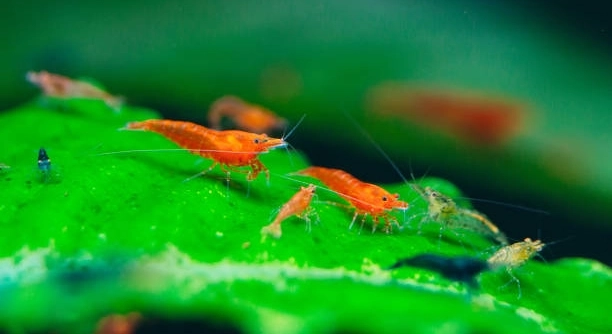
Do you ever find yourself wondering how to care for cherry shrimp in aquariums with minimal lighting? These tiny creatures add color and life, but low light can make you question if they will truly thrive.
Cherry shrimp can survive in low-light conditions, provided their environment meets essential requirements such as stable water parameters, adequate nutrition, and occasional algae growth. While growth and breeding may slow, their overall health can remain stable under these conditions.
Understanding the factors that influence their well-being helps ensure your shrimp remain healthy and vibrant even in less illuminated tanks.
Understanding Low Light Conditions
Low light in aquariums is often defined as having minimal direct or artificial illumination. Cherry shrimp can adapt to these conditions, but adjustments are necessary to keep them healthy. Plants and algae grow slower, which affects the shrimp’s natural grazing habits. You may notice a decrease in activity initially, but shrimp usually acclimate over time. Tank placement is crucial, as indirect sunlight or a dim LED can support survival. Avoid placing them in complete darkness for extended periods. Maintaining water quality becomes even more important in low-light setups since less plant growth means fewer natural filters. Feeding schedules may need minor adjustments to compensate for slower algae production. Observation is key to detect early signs of stress or malnutrition. With careful management, shrimp can live comfortably, though reproduction might slow. Choosing hardy plant species and monitoring the ecosystem closely ensures their well-being in these dim conditions.
Low light can be managed effectively with stable water conditions and thoughtful tank design.
Shrimp rely on available algae, biofilm, and supplemental food. Adding small amounts of blanched vegetables or commercial shrimp food helps maintain their energy. Even in dim tanks, they explore and interact with decorations, benefiting from hiding spots. Regular partial water changes reduce toxins and support their immune system. Observing behavior helps detect problems early. Adjusting light gradually prevents stress. Low-light plants like Java moss or Anubias provide shelter and food surfaces. Avoid overfeeding, as waste accumulation can harm them. Patience is necessary, as growth may be slower but health remains stable.
Choosing Plants for Low Light
Low-light plants provide both shelter and grazing surfaces for shrimp.
Plants like Java fern, Anubias, and mosses thrive in dim conditions, creating a natural environment. They grow slowly but consistently, supporting biofilm formation. Proper substrate and occasional fertilization enhance plant health. Using these plants reduces stress and encourages natural behavior, allowing shrimp to explore safely while finding food and shelter. Careful selection ensures a balanced ecosystem.
Adding plants improves water quality by absorbing excess nutrients and offering hiding spaces. Their slow growth matches low-light conditions, so algae do not overwhelm the tank. These plants also help maintain oxygen levels. Positioning them thoughtfully prevents overcrowding and ensures shrimp have open swimming areas. Regular trimming prevents decaying leaves from polluting water. Over time, plants stabilize the tank’s microenvironment, supporting both shrimp health and reproductive potential. Observing plant growth guides adjustments in lighting and feeding. Combining multiple plant species creates visual interest and functional habitats. Consistent care helps maintain a thriving tank with minimal light.
Would you like me to continue with the next section in the same format?
Feeding Cherry Shrimp in Low Light
Feeding needs change slightly in low-light tanks. Algae and biofilm grow slower, so supplemental food becomes more important. Small portions prevent overfeeding and water quality issues.
Providing a mix of high-quality shrimp pellets and blanched vegetables ensures nutrition. Feeding once a day in small amounts encourages foraging behavior without polluting the tank. Observing how much is consumed in a few hours helps adjust portions. Overfeeding can lead to ammonia spikes, which are harmful. Low-light conditions slow natural algae growth, so food supplementation supports growth and energy levels.
Occasional treats like daphnia or spirulina flakes stimulate activity and provide extra nutrients. Maintaining a consistent feeding schedule helps shrimp adapt, even in dim environments. Using sinking food ensures they reach the bottom and reduce waste accumulation. Rotating food types prevents dietary deficiencies. Monitoring leftovers after feeding prevents water contamination, which is especially important in low-light tanks with slower plant filtration. A balanced approach keeps shrimp healthy and vibrant while supporting natural behaviors in subdued conditions.
Monitoring Water Quality
Maintaining water stability is critical in low-light tanks. Regular testing prevents sudden changes in parameters.
Ammonia, nitrite, and nitrate levels must stay within safe ranges. Low-light setups reduce plant filtration, so partial water changes become essential. Observing shrimp behavior helps detect early signs of stress, such as lethargy or unusual hiding.
Temperature stability is equally important. Cherry shrimp prefer slightly cooler, consistent water rather than sudden fluctuations. Using a reliable thermometer and heater prevents shocks that could weaken immunity. Low light slows algae growth, reducing natural filtration, so frequent monitoring ensures balance. Adjusting water parameters gradually prevents stress and supports molting and reproduction. Filtration efficiency must be checked regularly to avoid debris accumulation. Keeping the substrate clean, combined with careful feeding, reduces waste buildup and maintains healthy microbial populations. Consistency in care is more important than strong lighting for shrimp thriving in dim conditions.
Lighting Duration
Cherry shrimp benefit from a consistent light schedule, even in low-light setups. About 6 to 8 hours of gentle illumination is enough to support plant growth and biofilm development without stressing the shrimp.
Too much light can encourage algae overgrowth, which can harm water quality. Keeping a steady schedule with a timer helps maintain balance, allowing shrimp to establish a routine for feeding and activity. Gradual changes in lighting prevent stress and maintain natural behavior patterns. Consistency is more important than intensity for shrimp health.
Tank Decorations
Decorations provide hiding spaces and grazing surfaces. Rocks, driftwood, and low-light plants create secure spots for shrimp to explore and feel safe.
Carefully arranged decor ensures open swimming areas while offering protection during molting. Using porous materials can also support beneficial bacteria growth.
Algae Control
Low-light tanks still develop some algae, which shrimp can feed on. Monitoring and occasional manual removal prevent excessive growth.
Maintaining balance between light, nutrients, and feeding helps keep algae levels manageable. Algae serve as food, but overgrowth can reduce water quality and hide shrimp from observation.
FAQ
Can cherry shrimp survive in complete darkness?
Cherry shrimp cannot survive in complete darkness for extended periods. They rely on low light to stimulate algae and biofilm growth, which are their primary food sources. Prolonged darkness can stress them, reduce activity, and affect molting. Minimal indirect light or a dim LED is sufficient for survival.
How often should I feed cherry shrimp in a low-light tank?
Feeding once a day with small portions is generally sufficient. Since algae growth is slower in low light, supplemental food is important. Use a mix of shrimp pellets and blanched vegetables, and remove uneaten food after a few hours to prevent water contamination.
Will low light affect cherry shrimp reproduction?
Low light can slow reproduction but does not stop it completely. Shrimp may take longer to breed, and juvenile growth may be slower. Maintaining stable water parameters and providing proper nutrition ensures reproduction continues at a reduced pace.
Which plants are best for low-light tanks?
Plants like Java moss, Anubias, and Java fern thrive in dim conditions. These slow-growing plants provide grazing surfaces and hiding spots while maintaining a balanced tank environment. They also support biofilm growth, which is essential for shrimp nutrition.
Do I need a filter in a low-light shrimp tank?
Yes, a filter is necessary even in low-light tanks. Low-light plants grow slowly and cannot filter the water as effectively. A gentle sponge filter is ideal as it provides water movement without stressing the shrimp or sucking them in.
Can low light cause health problems for cherry shrimp?
Low light alone is not harmful if other conditions are stable. Problems arise when water quality deteriorates or nutrition is insufficient. Monitoring ammonia, nitrite, and nitrate levels, along with consistent feeding, prevents health issues in dim tanks.
How do I prevent algae overgrowth in low-light tanks?
Even in low light, some algae will appear. Control it by avoiding excessive feeding, maintaining proper water changes, and limiting light duration to 6–8 hours daily. Shrimp will eat some algae naturally, but balance is key to avoid tank problems.
Is it necessary to supplement shrimp food in a planted low-light tank?
Yes, supplementation is usually necessary because slow-growing plants cannot produce enough biofilm for all shrimp. Adding blanched vegetables or commercial shrimp food ensures proper nutrition and keeps shrimp healthy and active.
Can cherry shrimp thrive in a low-light nano tank?
They can thrive in small tanks if water parameters are stable and feeding is consistent. Low-light nano tanks benefit from slow-growing plants and minimal disturbance, creating a secure and manageable environment for shrimp to live comfortably.
How do I know if my shrimp are stressed in low light?
Signs of stress include lethargy, hiding more than usual, color fading, or reduced feeding. Regular observation and maintaining stable conditions, such as temperature and water quality, help reduce stress and support healthy behavior.
Can low-light conditions affect molting?
Molting can slow down slightly in low light due to reduced activity and nutrition intake. Ensuring a balanced diet, adequate hiding spaces, and stable water parameters helps shrimp molt safely and continue growing normally.
Are there shrimp varieties better suited for low light?
Most common cherry shrimp strains adapt well to low light. Some selectively bred colors may be slightly more sensitive, but overall, Neocaridina davidi varieties are hardy and capable of surviving in dim environments with proper care.
Does low light affect shrimp color intensity?
Color may appear slightly muted under dim conditions but does not indicate poor health. Adequate nutrition and a clean tank maintain vibrant colors, even if lighting is low. Slow growth and reproduction are normal and not necessarily a sign of stress.
How do I maintain water quality in a low-light tank?
Perform regular partial water changes, test parameters frequently, and avoid overfeeding. Slow-growing plants provide minimal filtration, so consistent monitoring is essential. Using a gentle filter and keeping the substrate clean helps maintain a balanced ecosystem.
Can I use an LED in a low-light shrimp tank?
Yes, a dim LED or adjustable light works well. Set it for 6–8 hours daily to support plant growth and shrimp activity without encouraging excessive algae. Gradually adjust intensity if needed to match shrimp comfort.
Is CO2 supplementation necessary for low-light tanks?
No, CO2 is generally unnecessary. Low-light plants grow slowly and do not require additional carbon dioxide. Focus on stable water parameters and proper feeding to maintain shrimp health.
How long does it take for cherry shrimp to adapt to low light?
Shrimp usually adapt within a few days to a week. They may initially hide or reduce activity, but gradual acclimation allows normal feeding, grazing, and movement once they adjust to the environment.
Can low light affect shrimp lifespan?
Low light alone does not shorten lifespan. Healthy water conditions, adequate nutrition, and minimal stress are far more important. With proper care, shrimp can live their full life expectancy even in dim tanks.
How do I encourage algae growth in low-light tanks?
Encouraging slow, manageable algae growth can be done by adding small amounts of fish food or using nutrient-rich water. This supports shrimp grazing without overwhelming the tank. Balance is key to prevent water quality issues while providing natural food sources.
Are there signs of overfeeding in a low-light tank?
Yes, leftover food, cloudy water, and increased algae indicate overfeeding. Remove uneaten food promptly and reduce portion sizes. Even in low-light tanks, excess nutrients can degrade water quality and stress shrimp.
Can cherry shrimp live with fish in low-light tanks?
Yes, but choose small, peaceful species that won’t eat or harass shrimp. Avoid aggressive or large fish. The low-light environment can help shrimp feel secure, but hiding spaces remain important to reduce stress from tankmates.
How often should I trim plants in low-light tanks?
Slow-growing plants require minimal trimming, usually once every few months. Removing decaying leaves prevents water contamination. Proper trimming supports plant health and prevents buildup that could affect shrimp behavior and feeding opportunities.
Does low light affect shrimp behavior?
Behavior may be slightly less active at first, but shrimp adapt quickly. They will continue foraging, hiding, and exploring their environment. Stable water conditions, proper feeding, and secure hiding spots ensure normal activity even in dim tanks.
Can I use fertilizers in low-light tanks?
Yes, but sparingly. Low-light plants require minimal nutrients, so liquid or root fertilizers in small doses support plant growth without harming shrimp. Avoid high concentrations that could affect water quality or shrimp health.
Do cherry shrimp need a dark period at night?
Yes, providing a consistent dark period helps regulate natural cycles and stress levels. Use a timer to ensure 16–18 hours of darkness to maintain normal shrimp behavior and plant balance.
What is the best substrate for low-light shrimp tanks?
Fine gravel or sand works well, supporting plant roots and biofilm growth. Avoid substrates that release harmful chemicals. Darker substrates also enhance shrimp color visibility while maintaining a natural environment.
How do I acclimate shrimp to a new low-light tank?
Float the bag in the tank for 15–20 minutes to equalize temperature. Gradually mix small amounts of tank water into the bag before releasing shrimp. Slow acclimation reduces stress and supports smooth adaptation to their new dim environment.
Can shrimp survive temporary light outages?
Yes, brief light outages of a few hours are generally fine. They rely more on stable water conditions and food availability than continuous light. Prolonged darkness may slow feeding and molting but usually does not cause immediate harm.
Are cherry shrimp sensitive to light intensity changes?
Sudden increases in light can stress shrimp. Gradual adjustments over several days allow them to adapt without hiding excessively or losing color. Low and consistent lighting is best for long-term health.
Do I need to remove algae manually in low-light tanks?
Occasional removal is helpful if it accumulates excessively. Shrimp will consume some naturally, but cleaning prevents water quality issues. Gentle scrubbing or using a siphon during water changes maintains balance.
How do I prevent shrimp from hiding too much in low light?
Provide hiding spaces, stable water parameters, and gradual lighting schedules. Over time, shrimp become more confident and active, even with minimal light. Observation and patience are key to encouraging normal behavior.
Can cherry shrimp thrive in a low-light tank long-term?
Yes, with proper care, feeding, and water management. Slow plant growth and low algae levels are not limiting factors if nutrition and habitat conditions remain stable. Shrimp will live healthy, active lives in dim aquariums.
How do I support molting in low-light conditions?
Stable water parameters, sufficient food, and hiding spaces ensure safe molting. Shrimp may take slightly longer to molt in low light, but providing these essentials allows normal growth and development.
Is low light suitable for breeding shrimp?
Yes, breeding is possible, though slower. Stable conditions, sufficient food, and secure hiding areas for juveniles ensure successful reproduction over time. Low light does not prevent mating but may extend intervals between molts and hatching.
How do I maintain oxygen levels in a low-light tank?
Gentle filtration and occasional surface agitation help maintain oxygen. Low-light plants produce less oxygen, so ensuring adequate circulation prevents oxygen depletion and keeps shrimp healthy.
Are there risks of over-fertilization in low-light tanks?
Yes, too much fertilizer can harm shrimp and promote algae blooms. Use minimal doses suitable for slow-growing plants. Monitoring water quality prevents nutrient overload and keeps the ecosystem balanced.
Can I combine different shrimp colors in a low-light tank?
Yes, different color strains coexist well. Low light does not affect compatibility, but stable conditions and sufficient hiding spaces are essential to prevent stress and aggression.
Does low light affect shrimp lifespan?
No, lifespan is mainly influenced by water quality, nutrition, and stress. Proper care ensures shrimp live their full life expectancy, even in dimly lit tanks.
How do I encourage natural grazing behavior?
Provide algae-coated decorations, slow-growing plants, and occasional supplemental food. Shrimp will graze naturally, supporting health and maintaining a balanced tank ecosystem.
Can cherry shrimp survive in a low-light community tank?
Yes, if tankmates are peaceful and not predatory. Hiding spots are crucial to prevent stress. Low light helps shrimp feel secure but does not replace the need for proper nutrition and water management.
How often should I test water in a low-light tank?
Weekly testing for ammonia, nitrites, nitrates, and pH is recommended. Low-light tanks have slower plant filtration, so monitoring prevents sudden water quality issues that could affect shrimp health.
Are there signs of nutrient deficiency in low-light shrimp?
Signs include slow growth, pale color, or molting problems. Supplementing with balanced food and monitoring water parameters corrects deficiencies and ensures shrimp remain healthy.
Can cherry shrimp adapt to different low-light levels?
Yes, they are hardy and can adjust to varying dim conditions. Gradual changes in lighting intensity help them acclimate without stress, maintaining normal behavior and feeding patterns.
How do I prevent stress during lighting changes?
Introduce changes slowly, using timers and gradual intensity adjustments. Maintaining consistent feeding, water parameters, and hiding spaces reduces stress during light transitions.
Is it necessary to provide additional hiding spots in low-light tanks?
Yes, even in dim conditions, hiding spots reduce stress, protect molting shrimp, and encourage natural behavior. Driftwood, rocks, and plants serve as effective shelters.
Can I use floating plants in low-light shrimp tanks?
Yes, floating plants provide shade, reduce light intensity, and create additional grazing surfaces. They help stabilize water parameters and offer hiding spots for timid shrimp.
How do I prevent shrimp from escaping in low-light tanks?
Ensure lids or covers fit securely, as shrimp can climb tank edges. Low light reduces activity but does not prevent escape attempts. Regular monitoring prevents accidents.
Do I need to adjust feeding if shrimp reproduce?
Yes, increasing supplemental food slightly supports juveniles and breeding adults. Careful monitoring prevents overfeeding and maintains water quality while supporting healthy growth.
Can cherry shrimp tolerate fluctuations in light intensity?
Minor fluctuations are tolerable, but sudden drastic changes cause stress. Gradual adjustment allows them to adapt without affecting behavior, molting, or feeding patterns.
Does low light affect shrimp social behavior?
No, shrimp continue interacting, grazing, and establishing territories. Adequate hiding spots and stable conditions ensure normal social behavior even in subdued lighting.
How do I maintain a balanced ecosystem in low-light tanks?
Combine slow-growing plants, moderate feeding, and consistent water monitoring. Use a gentle filter, provide hiding spots, and prevent overfeeding to maintain stable conditions and support shrimp health.
Are there seasonal considerations for low-light shrimp tanks?
Indirect seasonal sunlight may slightly affect growth. Consistent artificial lighting ensures stability. Seasonal temperature changes should be managed to maintain optimal water conditions.
Can I breed multiple shrimp strains in low light?
Yes, but selective breeding may require monitoring to maintain desired colors. Low-light conditions do not prevent crossbreeding but slow growth and reproduction rates.
How long can shrimp survive without supplemental food in low light?
They can survive briefly on biofilm and algae, but long-term deprivation causes malnutrition. Regular feeding is necessary to maintain health and prevent stress.
Can I use natural substrates in low-light tanks?
Yes, fine sand or gravel provides grazing surfaces, supports plants, and maintains water stability. Avoid chemically treated materials that could harm shrimp.
Do shrimp need light to recognize food?
No, they rely on scent and tactile senses more than vision. Light helps plants grow but is not essential for detecting food.
How do I maintain a thriving low-light tank long-term?
Focus on water stability, nutrition, proper hiding spaces, and consistent care. Gradual adjustments in lighting, feeding, and plant management ensure shrimp remain healthy and active indefinitely.
Are low-light tanks harder to maintain than brightly lit ones?
Not necessarily. They require careful monitoring of water quality and feeding. Slow plant growth reduces maintenance but demands attention to nutrition and cleanliness.
How do I prevent nutrient imbalances in low-light tanks?
Use minimal fertilizers, feed shrimp appropriately, and monitor water parameters. Avoid overfeeding and excessive supplements that could destabilize water chemistry.
Can I combine shrimp with snails in low-light tanks?
Yes, peaceful snails coexist well and help clean surfaces. They support the ecosystem without competing significantly with shrimp for resources.
Do low-light conditions affect shrimp appetite?
Appetite may decrease slightly at first but stabilizes once shrimp acclimate. Supplemental feeding ensures adequate nutrition regardless of light levels.
How often should I clean decorations in low-light tanks?
Occasionally, to remove excess algae and detritus. Avoid harsh cleaning that removes beneficial biofilm, which is important for shrimp grazing and health.
Can cherry shrimp thrive solely on algae in low-light tanks?
Algae alone is insufficient in low-light tanks due to slow growth. Supplemental feeding ensures proper nutrition and supports molting, reproduction, and growth.
How do I prevent shrimp stress during water changes?
Perform gradual water changes with temperature-matched water. Avoid sudden parameter shifts and provide hiding spots to reduce stress during maintenance.
Are neon or blue cherry shrimp affected differently by low light?
All color strains adapt similarly. Some vibrant colors may appear slightly muted, but health and activity are not significantly impacted under low-light conditions.
How do I support molting juveniles in low light?
Provide fine food, hiding spots, and stable water. Juveniles are more vulnerable, so careful feeding and gradual environmental changes are crucial.
Can I keep a heavily planted low-light tank with shrimp?
Yes, but plant density should not restrict swimming space. Choose slow-growing species and maintain open areas to prevent overcrowding and stress.
Do cherry shrimp need periodic light boosts in low-light tanks?
Occasional short increases are acceptable but not necessary. Stable, consistent lighting supports health and growth without stressing shrimp or encouraging algae blooms.
Can I use fertilizers safe for shrimp in low-light tanks?
Yes, low-dose liquid fertilizers designed for shrimp tanks are safe. Use sparingly to avoid water quality issues and algae overgrowth.
Do cherry shrimp need different care in winter for low-light tanks?
Temperature fluctuations matter more than light. Ensure consistent warmth and stable water chemistry during colder months to maintain shrimp health.
Are there signs that low-light conditions are harming shrimp?
Lethargy, color fading, slow growth, or reduced molting can indicate stress. Address water quality, feeding, and habitat adjustments promptly.
How do I maintain long-term plant health in low-light tanks?
Use slow-growing species, minimal fertilization, and occasional trimming. Ensure sufficient substrate and gentle water flow to support root development and biofilm growth.
Can cherry shrimp live with low-light fish species?
Yes, peaceful, small fish coexist well. Hiding spaces remain important to protect shrimp and reduce stress in a dim environment.
Do low-light tanks require special heaters?
No, standard aquarium heaters are sufficient. Focus on stable temperatures and gradual adjustments rather than specialized equipment.
Can I keep shrimp in a low-light tank without live plants?
Yes, but hiding spaces and supplemental food become more critical. Decorations like driftwood and rocks replace plants as shelters.
How do I maintain water clarity in low-light tanks?
Regular partial water changes, gentle filtration, and controlled feeding prevent murky water. Algae may still appear but can be managed effectively.
Do cherry shrimp need air stones in low-light tanks?
Not necessarily. Gentle filtration provides adequate oxygen. Air stones are optional but can improve circulation if needed.
Are low-light shrimp tanks more prone to disease?
Not directly. Disease risk increases with poor water quality, overfeeding, or stress. Proper care maintains health regardless of light intensity.
Can I combine shrimp with other invertebrates in low-light tanks?
Yes, compatible snails and small shrimp species can coexist. Avoid aggressive species to prevent stress or predation.
How do I prevent overpopulation in low-light shrimp tanks?
Monitor breeding rates and provide sufficient food. If necessary, selectively remove or relocate juveniles to maintain a balanced population.
Can cherry shrimp thrive without added minerals in low-light tanks?
Minerals support shell development. Using a mineral-rich substrate or occasional supplementation helps maintain healthy exoskeletons, especially in soft water environments.
Do shrimp prefer shaded areas in low-light tanks?
Yes, shaded regions offer security. Even with low light, shrimp appreciate hiding spots for molting and resting, reducing stress and supporting normal behavior.
Are low-light tanks suitable for beginner shrimp keepers?
Yes, with proper guidance. Monitoring water parameters, feeding consistently, and providing hiding spaces ensures success, even for those new to shrimp keeping.
How do I maintain a clean substrate in low-light tanks?
Gentle siphoning during water changes removes detritus without disturbing
Cherry shrimp are resilient creatures that can adapt to low-light conditions when their basic needs are met. While low light slows plant growth and reduces natural algae availability, it does not prevent shrimp from living healthy and active lives. Providing a stable environment with proper water parameters, consistent temperature, and reliable feeding allows shrimp to thrive even in dimly lit tanks. Observing their behavior is essential, as shrimp may initially hide more or move less while acclimating to the lower light. Gradual adjustments and careful monitoring help them feel secure, encouraging normal activity and feeding patterns. By understanding how low light impacts their environment, you can create a balanced setup that supports both shrimp and plant health.
Nutrition plays a crucial role in low-light tanks because algae and biofilm grow more slowly. Supplementing their diet with high-quality shrimp pellets, blanched vegetables, or occasional protein-rich treats ensures they receive the energy and nutrients they need. Overfeeding should be avoided to prevent water quality issues, as low-light setups have less natural filtration from plants. Incorporating slow-growing plants like Java moss, Anubias, and Java fern provides both shelter and grazing surfaces, helping to maintain a natural balance in the tank. Hiding spaces are particularly important during molting periods, as shrimp are vulnerable at these times. Careful attention to feeding, water quality, and habitat structure supports shrimp health, reproduction, and vibrant coloration even in reduced light conditions.
Water quality remains the most critical factor for long-term success in low-light tanks. Regular testing for ammonia, nitrite, nitrate, and pH levels, along with partial water changes, prevents harmful spikes that can stress or harm shrimp. Using gentle filtration ensures circulation and oxygenation without disturbing the shrimp. Clean decorations and substrate help avoid waste buildup, while stable water temperature prevents stress and encourages normal behavior. Low-light setups require patience because growth, reproduction, and algae development occur more slowly, but consistent care results in a thriving aquarium. By focusing on stability, nutrition, and habitat quality, cherry shrimp can remain healthy, active, and colorful, proving that low light does not have to be a limitation for their care.

Hello,
If you enjoy the content that we create, please consider saying a "Thank You!" by leaving a tip.
Every little bit helps us continue crafting quality advice that supports the health, happiness, and well-being of pets around the world, for pets of all shapes, sizes, and species.
We really appreciate the kindness and support that you show us!