
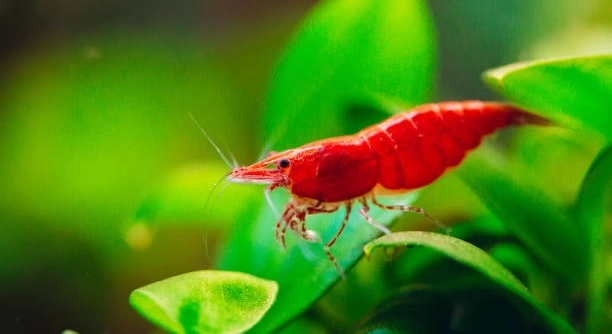
Are your shrimp always gathering in one corner of the tank, leaving the rest of the space strangely empty? This behavior can be puzzling, especially if you have set up the aquarium with care and regular maintenance. Observing shrimp can reveal small but telling signs.
Shrimp congregate in corners due to factors such as poor water quality, insufficient hiding spaces, stress from tank mates, improper temperature, lack of oxygen, inadequate feeding, or illness. Identifying the underlying cause is essential for promoting healthier, more natural shrimp behavior in aquariums.
Understanding why your shrimp behave this way can improve their well-being. The following explanations will help you create a more comfortable and balanced environment.
Poor Water Quality
Shrimp are highly sensitive to changes in water conditions. If ammonia, nitrite, or nitrate levels rise, they can become stressed and retreat to corners where movement is minimal. Hard water, improper pH, or sudden fluctuations can also cause this behavior. Regular testing and partial water changes help maintain stable conditions. Even small changes can affect shrimp, as their tiny bodies react quickly to toxins. Observing your tank daily allows you to catch problems early. Filtration plays a key role too. Overcrowded tanks or decaying food can worsen water quality, making corners a refuge. Maintaining a clean environment with stable parameters is essential. Even if the water looks clear, chemical imbalances can drive shrimp to gather. Providing gentle water flow and consistent temperature ensures they stay active throughout the tank. Proper care reduces stress, promoting healthy movement and natural behavior in shrimp.
Poor water conditions often lead to shrimp isolating themselves. Regular checks prevent prolonged stress.
Corners become hiding spots when toxins build up. Consistent maintenance, proper filtration, and attention to water chemistry ensure shrimp remain active and healthy, reducing stressful clustering and improving overall tank balance.
Lack of Hiding Spaces
Shrimp feel vulnerable without adequate shelters. Rocks, plants, and decorations provide places to hide, reducing stress and encouraging normal activity. Sparse tanks leave shrimp exposed, making corners the safest option. Hiding spaces mimic natural habitats, allowing shrimp to explore while feeling secure. Dense vegetation or driftwood can create layers of protection, giving shrimp options for retreat. Juvenile shrimp are particularly sensitive and require more coverage. Even adult shrimp benefit from vertical and horizontal hiding options. Without these, they may crowd together, increasing competition for space and food. Adding moss, small caves, and leaf litter encourages movement and reduces corner clustering. Hiding spots also support molting, giving shrimp a safe environment to shed shells without risk of attack. Proper arrangement balances open swimming areas with secure retreats. Observing how shrimp use these spaces can guide adjustments to tank layout. Regularly updating decorations prevents boredom and stress, fostering healthier social behavior.
Limited shelters force shrimp to corners. Adding varied hiding spaces improves activity and reduces tension.
When tanks provide sufficient hiding places, shrimp feel safe to explore. Incorporating plants, moss, and caves creates a dynamic environment that supports molting, reduces stress, and encourages natural interactions, preventing overcrowding in corners while keeping them engaged.
Stress from Tank Mates
Shrimp often gather in corners when they feel threatened by more aggressive fish or other tank inhabitants. Stress can come from chasing, nipping, or even constant movement around them. Providing calm tank companions reduces tension.
Aggressive or fast-moving fish make shrimp feel unsafe, prompting them to hide together. Even small disturbances, like frequent tapping on the glass or sudden lighting changes, can heighten anxiety. Stress affects feeding, molting, and overall health, making it essential to monitor tank interactions closely. Observing behavior over time helps identify which species or individuals cause the most tension. Adjusting stocking levels or adding more hiding spots can alleviate stress. Shrimp feel more secure when they have predictable surroundings and minimal threats. Peaceful companions, stable schedules, and gentle handling support a relaxed environment, encouraging shrimp to spread out and interact naturally rather than clustering defensively.
Crowding in corners signals consistent stress. Careful observation, gradual changes, and a secure tank layout can prevent anxiety-related behaviors and support healthy shrimp activity throughout the aquarium.
Improper Temperature
Shrimp are very sensitive to temperature fluctuations. Water that is too cold or too warm can make them sluggish or agitated, causing them to retreat to corners where movement is minimal.
Temperature outside the ideal range affects shrimp metabolism, immune function, and behavior. Consistent temperature helps shrimp feed, molt, and move normally. Sudden changes, such as turning heaters on or off abruptly, can cause stress. Even small differences across the tank can lead them to seek stable areas. Maintaining the recommended temperature for the shrimp species supports healthy growth and prevents clustering. Using a reliable heater and thermometer ensures stability. Monitoring daily, especially during seasonal changes, reduces the risk of stress-induced behaviors. Avoid placing tanks near drafts, vents, or windows to prevent fluctuations. A stable, controlled environment promotes active shrimp and reduces prolonged corner gatherings.
When water temperature is consistent, shrimp feel secure and remain active. Proper regulation prevents stress-related hiding and encourages normal, healthy behavior in all areas of the tank.
Lack of Oxygen
Shrimp cluster in corners when oxygen levels are low. Areas with better water flow and surface agitation provide more oxygen, so stagnant zones become their gathering spots.
Adding an air stone or increasing gentle water movement helps maintain oxygen levels. Shrimp thrive in well-oxygenated water and are more active when breathing is easy.
Inadequate Feeding
Shrimp may gather if food is scarce or not evenly distributed. Corners often contain leftover food or particles, attracting multiple individuals at once. Feeding consistently and ensuring food reaches all areas reduces this behavior.
Illness or Parasites
Shrimp with infections or parasites often isolate themselves. Clustering in corners can indicate weakness or discomfort. Observing signs such as discoloration, lethargy, or abnormal movements helps identify health problems. Early intervention improves survival and prevents spreading issues in the tank.
Overcrowding
Too many shrimp in a tank limits space and resources, causing them to cluster. Adequate tank size and balanced stocking levels are necessary to reduce stress and promote natural movement patterns.
Why do my shrimp always stay in one corner of the tank?
Shrimp tend to gather in corners when they feel stressed, unsafe, or uncomfortable. Common causes include poor water quality, insufficient hiding spaces, aggressive tank mates, low oxygen levels, and temperature fluctuations. Corners provide a sense of security and stability. Observing which corner they favor can give clues about specific issues, such as areas with less water flow, lower light, or debris. Regular maintenance, proper tank setup, and gentle handling can encourage them to explore the entire aquarium instead of clustering.
How can I tell if water quality is affecting my shrimp?
Water quality problems often show up as sluggish behavior, faded coloration, or crowding in one area. Test for ammonia, nitrites, nitrates, and pH levels frequently. Even if water appears clear, chemical imbalances can stress shrimp. Partial water changes, proper filtration, and avoiding overfeeding are crucial to maintain stable conditions. Pay attention to any sudden changes in behavior after cleaning or adding new decorations, as shrimp are sensitive to rapid shifts in water chemistry. Consistent monitoring prevents long-term stress and promotes healthy movement.
What is the best way to provide hiding spaces?
Shrimp need multiple hiding spots to feel secure, especially during molting. Rocks, caves, moss, and live plants are effective options. Dense vegetation offers vertical and horizontal coverage, while leaf litter provides natural retreats. Ensure hiding spaces are easily accessible without overcrowding the tank. Juvenile shrimp benefit from more cover than adults, but all shrimp use shelters to reduce stress. Rearranging decorations occasionally prevents boredom and encourages exploration. Observing which areas shrimp prefer can guide adjustments to the layout, creating a balanced environment for activity and security.
Can tank mates cause shrimp to hide?
Yes, aggressive or fast-moving fish make shrimp feel unsafe, pushing them into corners. Even minor chasing or nipping can trigger stress. Choose peaceful companions and avoid species known for harassment. Reducing disturbances like frequent tapping on the glass or sudden lighting changes also lowers stress. Providing additional hiding spots near open areas allows shrimp to feel secure while still moving around. Monitoring interactions over time helps identify problem tank mates. Maintaining a calm, predictable environment encourages natural behavior, making shrimp more likely to explore the tank instead of staying clustered in one area.
How does temperature affect shrimp behavior?
Shrimp are highly sensitive to temperature changes. Water that is too warm or too cold slows metabolism and makes them seek corners for stability. Sudden fluctuations, such as turning a heater on or off abruptly, can cause stress. Maintaining the ideal temperature range for your shrimp species supports normal feeding, molting, and movement. Avoid placing tanks near vents, windows, or drafty areas. Use a reliable heater and thermometer to monitor conditions consistently. When temperature is stable, shrimp feel secure, reducing clustering and promoting even distribution throughout the tank.
Could low oxygen make shrimp gather in corners?
Yes, stagnant water with poor oxygenation drives shrimp to areas where oxygen is slightly higher, often near corners with surface movement. Adding an air stone, gentle filter flow, or ensuring surface agitation can help. Proper aeration supports healthy breathing and encourages shrimp to move freely. Observe their activity after increasing oxygen to see improvement. Well-oxygenated water reduces stress, supports feeding, molting, and social interactions, and prevents prolonged corner gatherings. Maintaining consistent aeration is key to keeping shrimp active and evenly distributed.
When should I worry about illness or parasites?
Shrimp that isolate themselves while showing discoloration, lethargy, or abnormal movements may be sick or infected. Early detection is critical for treatment and preventing spread to other shrimp. Quarantining affected individuals, maintaining clean water, and consulting care guides or experts helps manage health issues. Regular observation of shrimp behavior and physical condition allows you to intervene promptly. Addressing infections early improves survival rates and reduces stress for the entire tank population. Healthy shrimp are active, spread throughout the aquarium, and engage with their environment.
Does overcrowding cause shrimp to cluster?
Overcrowding limits space and resources, prompting shrimp to gather in available corners. Adequate tank size and balanced stocking levels reduce stress and encourage natural activity. Too many shrimp can increase competition for food and hiding spaces, leading to prolonged clustering. Monitoring population density and providing sufficient open swimming areas and shelter improves movement and reduces tension. Adjusting numbers or adding larger tanks ensures shrimp can spread out, feed properly, and maintain overall well-being. Observing behavior over time helps maintain a balanced, comfortable environment.
How can I encourage shrimp to explore more of the tank?
Ensure water quality is stable, temperature and oxygen are consistent, and hiding spots are plentiful. Avoid aggressive tank mates and minimize disturbances. Evenly distribute food and create a varied, enriched environment. Regular observation and small adjustments encourage shrimp to move naturally, reducing corner gatherings and supporting healthier behavior throughout the aquarium.
Shrimp clustering in corners is a common behavior that often reflects their need for safety, comfort, and stability. Observing your shrimp closely can provide clear indications of what might be causing this behavior. Factors such as water quality, tank layout, temperature, oxygen levels, tank mates, and feeding routines all influence how shrimp move and interact with their environment. Even when the water looks clear and the tank appears well-maintained, small changes in chemical balance, temperature fluctuations, or insufficient hiding spaces can cause shrimp to retreat to corners. Understanding these signals allows you to take practical steps to improve their well-being. Regularly monitoring water parameters, checking for signs of stress or illness, and ensuring that the tank layout provides both open areas and secure shelters can make a noticeable difference in how active and confident your shrimp are. Small adjustments often result in shrimp exploring more of the tank and displaying healthier behavior patterns.
Maintaining a consistent routine is another important aspect of shrimp care. Sudden changes in feeding schedules, lighting, or water maintenance can increase stress levels, causing shrimp to cluster more frequently. Even minor disturbances, such as tapping on the glass or sudden changes in room temperature, may make shrimp retreat to the safest part of the tank. Providing a stable environment with gentle water flow and reliable temperature control encourages them to feel secure. Adding a variety of hiding spaces, including moss, plants, and small caves, ensures that shrimp have options when they feel threatened or need a place to molt. Peaceful tank companions further reduce stress and allow shrimp to move freely. Observing how shrimp respond to changes in their environment helps identify specific needs and allows for targeted adjustments to improve comfort and activity levels.
Overall, understanding shrimp behavior requires attention to detail and consistent care. Clustering in corners is rarely random; it is usually a response to environmental stressors or discomfort. By maintaining water quality, temperature stability, oxygen levels, proper feeding, and adequate shelter, you create conditions that support their natural behavior. Adjusting tank setup gradually and monitoring shrimp responses over time can prevent prolonged stress and promote healthier activity. Ensuring that shrimp have both safety and space encourages them to explore, feed, and molt naturally. These measures not only reduce corner clustering but also improve overall tank balance and shrimp health. By paying attention to these elements and responding carefully, your shrimp will be more active, comfortable, and visible throughout the aquarium, allowing you to enjoy a lively and thriving tank.

Hello,
If you enjoy the content that we create, please consider saying a "Thank You!" by leaving a tip.
Every little bit helps us continue crafting quality advice that supports the health, happiness, and well-being of pets around the world, for pets of all shapes, sizes, and species.
We really appreciate the kindness and support that you show us!