
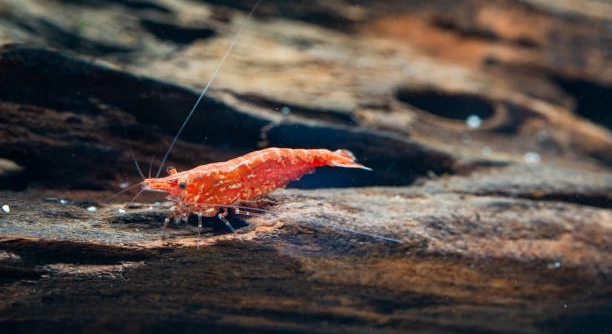
Have you ever noticed your cherry shrimp looking pale, even in a healthy tank? Their colors can fade quickly, leaving them dull and less lively. Bold colors show their well-being and proper care in a visible way.
Cherry shrimp require stable water conditions, proper nutrition, sufficient hiding spaces, consistent lighting, and minimal stress to display bold colors. Maintaining these factors supports pigmentation, health, and overall vibrancy, ensuring shrimp remain visually striking and active in their environment.
Knowing these key conditions will help you support your shrimp’s health while encouraging their natural colors to flourish fully in your aquarium.
Stable Water Parameters
Keeping water conditions steady is essential for cherry shrimp to show their best colors. Temperature, pH, and hardness should remain consistent. Sudden fluctuations can stress shrimp and cause fading. I have seen shrimp lose color overnight after a temperature spike. Regular testing helps catch changes early, and small, gradual adjustments are safer than large corrections. Using a heater and filter suited to your tank size makes maintaining stability easier. Water changes are necessary but should be done slowly to avoid shocking the shrimp. Consistent water quality also reduces disease risk, keeping shrimp active and vibrant. Observing their behavior is another key; lethargic shrimp often indicate water issues. By monitoring ammonia, nitrites, and nitrates, you can prevent problems before they affect coloration. Even a well-fed shrimp can look dull if the water is unstable. Establishing a routine for testing and maintenance can help you maintain the ideal environment for bold, healthy shrimp.
Maintaining stable water ensures shrimp stress is minimized and their colors remain vivid, supporting both health and visual appeal consistently.
Even small changes in water can affect pigmentation. For example, a slight pH swing may dull red tones or make patterns less noticeable. Regular checks and gentle adjustments preserve the vibrant look you want. Tank plants and gentle filtration can also stabilize water by absorbing toxins and reducing turbulence, which keeps shrimp comfortable. Avoid overcrowding since it increases waste and stress, which directly impacts color. By keeping the water parameters steady and predictable, you create an environment where cherry shrimp naturally thrive. Over time, stable conditions encourage strong growth, breeding, and long-lasting coloration. It’s remarkable how resilient shrimp can be when their water remains ideal. Observing them under consistent conditions makes it easier to notice changes and respond quickly, ensuring they stay bold and healthy. Small, careful steps make a big difference in maintaining their vibrant appearance and overall well-being.
Balanced Diet
Providing the right food is crucial for enhancing coloration. Shrimp need protein, algae, and specialized color-boosting foods. Feeding consistently without overfeeding prevents water quality issues and supports pigment development naturally.
A balanced diet with variety strengthens shrimp health and keeps their colors deep and vibrant, promoting longevity and activity.
High-quality commercial shrimp foods often include carotenoids, which enhance red and orange tones. Adding blanched vegetables or algae wafers can supplement nutrition and encourage natural foraging behavior. Avoid excessive protein, which can cloud water and stress shrimp. Rotating foods helps prevent nutrient deficiencies and maintains interest in feeding. Observing shrimp during feeding allows you to see which foods they prefer and which improve color most effectively. Combining proper nutrition with stable water conditions produces the most noticeable results, with shrimp gradually appearing brighter and more active. Over time, their shell colors become more pronounced, and patterns more defined. By paying attention to diet and ensuring variety, you create conditions where each shrimp reaches its full potential in both health and appearance. This approach also reduces the risk of disease while supporting growth and reproduction, giving your tank a vibrant, thriving population.
Hiding Spaces and Plants
Providing hiding spots reduces stress and encourages bold coloration. Shrimp feel secure with moss, plants, or small caves, which helps them display their natural patterns more vividly.
Dense plants and moss create layers for shrimp to explore and hide. This reduces stress and aggressive interactions, allowing shy shrimp to feel safe. Hiding spaces also serve as grazing areas for biofilm, which adds to their diet and overall health. I noticed my shrimp became more active and colorful once I added more moss and driftwood. Without proper hiding spaces, shrimp may retreat constantly, appearing dull and stressed. Over time, well-placed shelters encourage natural behavior, better feeding, and stronger pigmentation. Providing both tall plants and low cover ensures every shrimp has a secure spot.
Shrimp also use hiding spaces during molting. Vulnerable shrimp need safe areas to shed shells without being disturbed. This reduces stress and promotes faster recovery, which directly affects their color and activity levels.
Consistent Lighting
Consistent lighting supports bold colors and healthy growth. Shrimp exposed to steady light cycles retain pigment better and show natural patterns more clearly. Inconsistent or overly strong light can cause stress and fading.
Lighting affects shrimp metabolism and algae growth. Regular light cycles encourage natural behaviors, like grazing and exploration. Plants benefit from predictable light, producing algae and biofilm that shrimp feed on. I maintain a 10-12 hour light cycle, which keeps both shrimp and plants healthy. Strong direct light can make shrimp hide, reducing visible color. Soft, even lighting promotes vibrancy and reduces stress-related dulling. Adjusting intensity gradually is better than sudden changes. Consistent lighting also supports breeding by signaling stable day-night rhythms, encouraging shrimp to be more active. Over time, shrimp under stable lighting appear brighter and healthier, enhancing their overall visual appeal.
Minimal Stress
Reducing stress is essential for maintaining bold shrimp colors. Avoid sudden changes in water, overcrowding, or aggressive tankmates that may frighten them.
Regular observation helps identify stress signs early. Stress can cause shrimp to hide, lose color, or molt improperly, affecting overall health and vibrancy.
Compatible Tankmates
Choosing peaceful tankmates prevents bullying and allows shrimp to display natural colors. Aggressive or large fish can chase or harm them, causing constant stress. Keeping them with small, calm species ensures safety, proper feeding, and better visibility of their vibrant patterns.
Clean Tank
Regular cleaning keeps water safe and shrimp healthy. Removing excess food and debris prevents ammonia buildup, which can dull coloration and cause illness.
Stable Temperature
Maintaining a consistent tank temperature prevents stress and supports coloration. Sudden fluctuations can make shrimp retreat and lose pigment, while steady warmth encourages activity and boldness.
How often should I test my tank water for cherry shrimp?
Testing water at least once a week is ideal. Cherry shrimp are sensitive to ammonia, nitrite, and nitrate changes, and frequent monitoring prevents problems. I usually check pH, GH, KH, and temperature along with chemical levels to ensure everything stays stable. Small fluctuations are less stressful than sudden large swings.
What is the best diet to enhance cherry shrimp colors?
A varied diet works best. I use commercial shrimp pellets enriched with carotenoids to boost red and orange tones, and supplement with blanched vegetables like zucchini or spinach. Algae wafers and biofilm also support natural grazing and maintain vibrant colors. Rotating foods prevents nutrient gaps and keeps shrimp active.
How much hiding space is enough?
Hiding spots should cover at least half the tank. Moss, plants, and small caves provide shelter and grazing areas. I noticed my shrimp molt more safely and show better color when they have multiple secure spots. Dense plants also reduce stress and give timid shrimp confidence to explore.
Can tankmates affect shrimp coloration?
Yes, aggressive or larger fish stress shrimp, causing them to hide and fade. I keep my cherry shrimp with small, peaceful fish or a species-only tank to protect their colors and encourage natural behavior. Calm companions improve feeding opportunities and allow shrimp to display full patterns.
How long does it take for shrimp to regain bold colors?
It depends on water stability, diet, and stress levels. In my experience, visible improvements can occur in two to four weeks with proper care. Gradual changes are more realistic than expecting instant results. Consistency in maintenance is key for long-term vibrancy.
Does lighting intensity impact shrimp color?
Yes, proper lighting enhances natural pigmentation. Too bright or inconsistent lighting can make shrimp hide or lose color. I maintain a moderate, consistent light cycle of 10–12 hours per day, which supports both plant growth and shrimp activity without causing stress.
Is water temperature critical for color retention?
Stable temperature is very important. Sudden changes can trigger stress and fading, while consistent warmth encourages activity and brighter colors. I keep my tank within 72–78°F, which seems optimal for health and pigment development. Gradual adjustments are safer if changes are necessary.
Can stress cause permanent color loss?
Extended stress can lead to long-term fading if not addressed. Frequent hiding, aggressive tankmates, poor water conditions, or overfeeding contribute to dull colors. In my tank, improving shelter, water stability, and diet restored colors, showing that early intervention prevents permanent loss.
Do cherry shrimp require special water chemistry for bold colors?
Yes, they thrive in stable, slightly acidic to neutral water with moderate hardness. I maintain GH around 6–8 and KH near 3–5. Proper mineral balance supports shell health and pigmentation. Unstable chemistry can dull color even if feeding and lighting are optimal.
How do I know if my shrimp are stressed?
Signs include hiding constantly, reduced activity, molting problems, or faded colors. I check for these behaviors during daily observation. Early recognition allows me to adjust water, diet, or tankmates before stress causes long-term health or coloration issues.
Can overfeeding affect color?
Yes, excess food can foul water and increase ammonia, stressing shrimp and reducing pigment vibrancy. I feed small portions that shrimp can finish in a few hours and remove leftovers to maintain water quality. Balanced, controlled feeding supports health and bright colors.
Are supplements necessary for bold colors?
Supplements with carotenoids or minerals help enhance red, orange, and blue tones. I use them occasionally alongside a balanced diet of pellets, algae, and vegetables. Supplements are effective only if water quality and stress levels are managed properly.
How often should I clean the tank?
Partial water changes weekly or biweekly keep water stable and prevent waste buildup. I remove debris carefully to avoid stressing shrimp. A clean tank improves coloration, reduces disease risk, and supports overall shrimp activity and health.
Can plants influence shrimp color?
Yes, live plants provide shelter and natural biofilm for grazing, supporting both nutrition and safety. I include mosses, ferns, and low-growing plants, which help shrimp display natural patterns and maintain bold pigmentation. Healthy plants directly contribute to healthier, more colorful shrimp.
What is the ideal population density?
Avoid overcrowding. I keep 10–15 shrimp per 5 gallons, depending on tank size. Overpopulation increases stress, competition for food, and water quality problems, which all dull colors. A moderate population ensures each shrimp has space, hiding spots, and consistent food access, supporting their vibrancy and health.
How important is molting for color?
Molting is critical. Healthy, low-stress shrimp molt regularly, revealing brighter colors afterward. Providing hiding spaces during molting protects shrimp and reduces stress, ensuring colors return strong and vibrant. I always watch for molting patterns as an indicator of overall health and pigmentation.
Can I mix shrimp of different grades or colors?
Mixing grades can be done but may affect overall tank vibrancy. Higher-grade shrimp usually retain brighter colors. I keep similar grades together to ensure uniform patterns, though mixing is fine if care and water conditions remain optimal. Observing interactions helps prevent stress.
Does water flow affect shrimp color?
Moderate flow is ideal. Too strong can stress shrimp and cause hiding, while stagnant water reduces oxygen levels and biofilm growth. I maintain gentle circulation with a sponge filter, which supports both health and color development naturally.
Are there seasonal factors for color changes?
Color can fluctuate slightly with light cycles or temperature changes, but stable indoor tanks show consistent results. I maintain constant temperature, lighting, and feeding year-round, which minimizes seasonal fading and keeps shrimp bold throughout the year.
How long should I wait to see the full effect of care changes?
Visible improvements typically appear within a few weeks if water, diet, lighting, and stress are addressed. I track color progression weekly to ensure measures are effective. Patience and consistency are key to achieving and maintaining bold pigmentation in cherry shrimp.
Caring for cherry shrimp is simpler than it might seem, but it does require attention to a few key details. The first and most important factor is water stability. Consistent temperature, pH, and hardness create an environment where shrimp feel safe and comfortable. Even small changes in water can stress them, causing colors to fade or behavior to change. Regular testing and gentle adjustments prevent these problems, keeping shrimp healthy and vibrant. Over time, you begin to notice patterns in their behavior and color, which helps you identify if anything in the tank needs attention. A stable tank also reduces the risk of disease, so the shrimp are more likely to live longer and display their boldest colors consistently.
Nutrition is another crucial factor for maintaining bright, vivid shrimp. A varied diet with quality commercial pellets, algae, and fresh vegetables provides the vitamins and minerals they need. Certain foods, like those enriched with carotenoids, help enhance red and orange tones naturally. Overfeeding, however, can harm water quality and lead to dull coloration, so portion control is necessary. Rotating different food types ensures shrimp get balanced nutrition while encouraging natural foraging behavior. Observing them during feeding can give insight into their preferences and health. Over time, well-fed shrimp show improved shell color, more defined patterns, and increased activity, all of which are indicators of a thriving tank. Proper feeding, combined with water stability, forms the foundation for healthy and colorful shrimp.
Stress reduction is just as important as water quality and diet. Shrimp need hiding spaces and calm tankmates to feel secure. Dense plants, moss, and small caves create environments where they can molt safely and graze without feeling threatened. Aggressive or larger fish should be avoided, as constant stress can cause shrimp to hide and lose their color. Gentle lighting and moderate water flow also help maintain comfort and support natural behaviors. By paying attention to these factors consistently, you create a habitat where shrimp can express their natural colors fully. Over time, your cherry shrimp will not only appear brighter and healthier but will also display more active and confident behavior. Simple, consistent care results in bold, vibrant shrimp that are enjoyable to watch and maintain.

Hello,
If you enjoy the content that we create, please consider saying a "Thank You!" by leaving a tip.
Every little bit helps us continue crafting quality advice that supports the health, happiness, and well-being of pets around the world, for pets of all shapes, sizes, and species.
We really appreciate the kindness and support that you show us!