
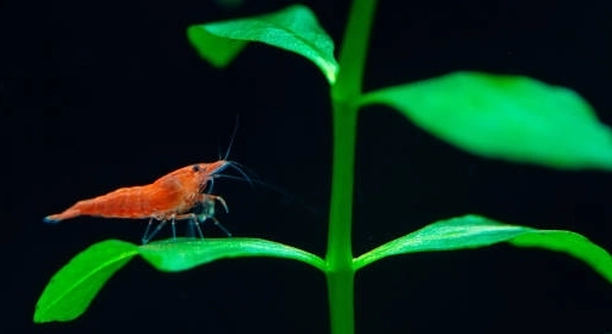
Cherry shrimp are delicate freshwater creatures often kept in home aquariums for their vibrant colors and peaceful nature. Their well-being depends on several factors, including water quality, temperature, and environment. Proper care ensures they thrive and display natural behaviors.
Cherry shrimp do respond to water current speed, but their sensitivity is moderate. Excessive flow can stress them and limit feeding opportunities, while gentle currents provide oxygenation and circulation without disrupting normal activity or habitat stability.
Maintaining the right balance in current can improve their health and allow shrimp to exhibit natural behaviors comfortably in your tank.
Understanding Cherry Shrimp and Water Currents
Cherry shrimp are small but highly active creatures. Their natural habitats typically have slow-moving streams or ponds with plenty of hiding spots. In an aquarium, water current plays a significant role in their daily behavior. Gentle flow helps circulate nutrients, oxygen, and food particles, keeping the environment healthy. Too strong a current, however, can push them into corners or under decorations, making feeding and movement difficult. It may also increase stress, leading to molting issues or reduced activity. Observing their behavior is key: if they cling to surfaces constantly or avoid open areas, the current may be too strong. Using a sponge filter or adjusting filter output can help maintain an ideal flow. Adding plants and moss provides both shelter and flow breaks, giving shrimp control over where and how they move in the tank. Proper balance encourages natural foraging and reduces stress over time.
Cherry shrimp prefer slow to moderate currents that allow them to explore and feed safely without constant resistance.
Providing an environment that mimics gentle streams ensures shrimp remain active, healthy, and visible. Flow adjustments can be simple but have a big impact on their behavior and overall tank harmony.
Signs Your Shrimp Are Struggling with Flow
If shrimp hide excessively, cling to plants, or show erratic swimming, the water current may be too strong. Stress can affect molting and reproduction.
Strong currents reduce feeding efficiency, as shrimp may struggle to reach food or avoid being swept into corners. Over time, constant stress can lead to decreased immunity and vulnerability to disease. Even if water parameters are perfect, unsuitable flow can undermine health. Adjusting filter placement, using baffles, or adding dense plant coverage can slow currents. Observe shrimp during feeding and throughout the day to ensure they are comfortable. Subtle changes, like slightly altering flow direction or creating sheltered zones, can significantly improve their behavior. Keeping current moderate while ensuring adequate oxygenation creates a stable environment that promotes natural activity, growth, and successful breeding. Balancing flow with hiding areas allows shrimp to feel secure and active, maintaining their vibrant colors and overall well-being in the aquarium.
Adjusting Aquarium Flow for Cherry Shrimp
Flow control can be managed through filter output adjustments, adding sponge filters, or placing baffles. Observation is essential to ensure shrimp can move freely without being pushed into decorations or corners. Moderate flow keeps water oxygenated without stressing the shrimp.
Adding plants, moss, and hiding spots allows shrimp to regulate their exposure to current. Fast-moving areas can be offset by dense vegetation or rock structures. Using sponge filters softens the flow while maintaining filtration. Positioning decorations strategically can create calm zones and prevent shrimp from being swept around. Small adjustments in filter placement or output can make a significant difference in shrimp activity, feeding, and comfort. Continuous monitoring ensures the current remains suitable as plants grow and tank conditions change.
Even subtle changes in water movement can influence shrimp behavior significantly. Observing their reactions after flow adjustments helps maintain a balance between circulation and comfort. Creating zones of varying flow allows shrimp to choose their preferred areas while staying active and healthy.
Feeding Behavior and Water Current
Strong currents can interfere with feeding, washing food away before shrimp have a chance to eat. Ensuring calm feeding zones is essential for proper nutrition.
Cherry shrimp rely on slow currents to access food efficiently. Leaf litter, sinking pellets, and biofilm-rich surfaces are easier for them to reach in gentle flow. If food drifts too quickly, shrimp may ignore it, leading to malnutrition or stress. Observing feeding habits and adjusting flow accordingly ensures shrimp get consistent access to nutrients. Combining slow-flow zones with areas of moderate circulation helps distribute oxygen while maintaining accessible feeding sites, supporting growth, molting, and natural behaviors.
Adjusting feeding locations and times can also reduce stress from water movement. Using localized feeding areas near plants or decorations allows shrimp to graze safely. Over time, shrimp learn to utilize calmer spots for foraging, making feeding more efficient. Proper flow management supports their digestive health and encourages natural interaction with the tank environment. Monitoring how food disperses and how shrimp respond can guide further adjustments to flow, creating a stable, stress-free habitat that promotes thriving shrimp populations.
Preferred Hiding Spots
Shrimp naturally seek shelter in plants, moss, and decorations. Providing multiple hiding spots helps them feel secure and reduces stress from water movement.
Rock caves, dense plants, and leaf litter create calm areas where shrimp can rest, molt safely, and escape strong currents without difficulty.
Monitoring Shrimp Behavior
Watching how shrimp interact with their environment reveals their comfort level. Active exploration, regular feeding, and molting indicate a suitable current and habitat conditions.
Seasonal Flow Adjustments
Flow requirements may change with temperature or plant growth. Adjusting filter output seasonally helps maintain optimal conditions for shrimp activity and overall health.
Common Flow Mistakes
Excessive currents or stagnant areas can harm shrimp. Balanced water movement ensures oxygenation, reduces debris buildup, and supports natural behaviors.
FAQ
How strong should the water current be for cherry shrimp?
Cherry shrimp thrive in slow to moderate currents. Too strong a flow can stress them, make feeding difficult, and interfere with molting. Gentle currents help distribute oxygen and nutrients without overwhelming the shrimp. Adjust filter output or use a sponge filter to maintain calm areas while still circulating water effectively. Observing shrimp behavior is the best way to confirm proper flow.
Can cherry shrimp survive in fast currents?
While cherry shrimp can endure brief exposure to stronger currents, prolonged fast water movement causes stress and limits their ability to forage. Constant strong currents can lead to injury, increased energy use, and reduced overall health. Creating sheltered zones with plants or rocks allows shrimp to escape stronger currents while still benefiting from water circulation.
Do cherry shrimp avoid certain areas because of water flow?
Yes, they often cluster in calmer regions of the tank. Areas with high flow may be avoided entirely, as shrimp prefer to conserve energy and stay in secure, stable zones. Adding moss, plants, or decorations can break up strong currents and encourage shrimp to explore more of the tank safely.
How can I reduce strong currents in my tank?
Using sponge filters, adjusting filter output, or adding flow baffles are effective methods. Dense plants, rocks, and driftwood also help create natural barriers, slowing water movement. Even minor adjustments in placement or output can create calmer zones for feeding, resting, and molting, improving shrimp comfort.
Does water current affect breeding?
Yes, flow plays a role in reproduction. Strong currents can disrupt egg development and make it harder for females to carry eggs safely. Moderate, gentle currents provide oxygenation while allowing shrimp to interact naturally, supporting healthy breeding behavior and survival of fry.
How do I know if the current is too strong?
Signs include shrimp clinging to surfaces constantly, hiding excessively, or avoiding open areas. Reduced feeding, erratic swimming, or delayed molting also indicate stress. Observing shrimp throughout the day and making incremental adjustments ensures currents remain suitable.
Can plants help manage water flow?
Absolutely. Plants like Java moss, Anubias, and floating plants reduce current in specific zones. They provide hiding spots, slow down water movement, and allow shrimp to forage safely. Strategically placing plants near filter outlets or open spaces balances circulation while maintaining calm areas.
Does tank size affect current management?
Yes, larger tanks may require stronger filtration for proper oxygenation and circulation, but this can increase flow stress on shrimp. Using multiple gentle filters, sponge filters, or diffusers spreads water movement evenly, reducing strong currents in specific areas while keeping water quality high.
Should I adjust flow as shrimp grow?
Juvenile shrimp are more sensitive to current than adults. Gentle flow is essential during early stages to reduce stress and prevent injuries. As shrimp mature, they tolerate slightly stronger currents, but maintaining calm zones remains important for feeding and molting.
How does current impact molting?
Molting is a vulnerable period for shrimp. Strong currents can dislodge or injure soft-bodied shrimp. Calm areas with minimal flow give them a safe environment to shed and harden, reducing mortality and stress during this critical process.
Can I measure the current speed?
Yes, using small flow meters or observing water movement on lightweight objects can give an estimate. However, shrimp behavior remains the most reliable indicator of whether the current is appropriate. Adjusting flow based on observations ensures shrimp comfort.
Is it necessary to change current regularly?
Regular adjustment isn’t always needed unless tank conditions, plant growth, or shrimp behavior indicate issues. Slight changes can improve oxygenation or create calmer zones, but consistent, gentle flow is typically best for long-term shrimp health.
Do different shrimp species require different flow rates?
Yes, some species prefer slightly stronger currents or calmer conditions than cherry shrimp. Researching species-specific needs and observing behavior ensures each type remains healthy and active in a mixed or single-species tank.
How can I combine oxygenation and low stress?
Use gentle filtration, sponge filters, or diffusers to circulate water without creating high-velocity currents. Dense plants or decorations help break flow and allow shrimp to navigate the tank safely. Regular observation ensures shrimp remain active, feeding, and stress-free.
What are the most common mistakes with water flow?
Overestimating filter output, placing strong currents near open spaces, or neglecting hiding zones can stress shrimp. Conversely, stagnant water with no circulation can lead to low oxygen, debris buildup, and poor water quality. Balancing flow, shelter, and oxygenation is essential for healthy shrimp.
How long does it take for shrimp to adapt to flow changes?
Shrimp may adjust in a few hours to a couple of days. Gradual changes are best, as sudden increases or decreases in current can cause stress, reduce feeding, and lead to hiding or abnormal behavior. Monitoring ensures smooth adaptation.
Can flow affect water quality?
Yes, proper flow prevents debris accumulation and promotes oxygen distribution. Poor flow can lead to dead spots, algae buildup, and low oxygen areas, harming shrimp. Adjusting circulation while maintaining gentle currents ensures both water quality and shrimp comfort.
Does temperature interact with current needs?
Yes, warmer water holds less oxygen, so moderate currents help maintain oxygen levels without stressing shrimp. Cooler water may require slightly less circulation but still benefits from gentle flow for nutrient distribution and debris removal.
Are there signs of long-term stress from flow?
Shrimp may show faded colors, reduced molting, lower activity, or decreased reproduction. Consistent observation and adjusting flow appropriately help prevent chronic stress and maintain healthy, vibrant shrimp populations.
How often should I check shrimp behavior regarding flow?
Daily observation during feeding and general tank activity is ideal. Quick checks ensure shrimp remain comfortable, feeding well, and exploring their environment without struggling against water movement. Adjustments can be minor but have significant impacts.
Can current adjustments improve shrimp breeding success?
Yes, calm zones support egg development and fry survival. Balanced water movement ensures oxygenation without stressing adults, encouraging natural mating and higher survival rates of offspring. Observation and incremental flow adjustments optimize breeding conditions.
Do flow needs change with tank decorations?
Yes, adding or removing plants, rocks, or driftwood alters water patterns. After changes, monitor shrimp to ensure currents remain gentle and accessible zones for resting and feeding are maintained.
Are shrimp more active in certain flow conditions?
Cherry shrimp explore more and feed efficiently in moderate, gentle currents. Too strong or stagnant water reduces activity, causing hiding or lethargy. Providing varied flow zones encourages natural behavior while keeping shrimp comfortable and healthy.
How can I create a flow-friendly setup for multiple shrimp?
Use a combination of gentle filters, plants, moss, and decorations to create calm zones and moderate circulation. Spread hiding spots and feeding areas to reduce competition while maintaining water quality and comfort across the tank.
What should I do if shrimp are constantly hiding?
Check for strong currents, insufficient shelter, or water quality issues. Adjust filter output, add plants or decorations, and ensure calm feeding zones. Gradual improvements in flow and habitat design encourage shrimp to emerge and feed naturally.
How do I balance filtration and shrimp comfort?
Choose low-output or sponge filters, position outlets away from open areas, and create flow breaks with plants or decorations. Gentle circulation ensures oxygenation without causing stress, maintaining both water quality and shrimp well-being.
Can I use a heater to affect current tolerance?
Indirectly. Stable temperatures reduce stress and improve shrimp tolerance to moderate currents. Avoid strong temperature fluctuations, as stress combined with high flow can negatively impact behavior, molting, and overall health.
Are there visual cues for ideal flow?
Shrimp actively foraging, molting safely, and exploring the tank indicate suitable currents. Calm resting spots, minimal clinging to surfaces, and even distribution throughout the tank reflect a balanced flow environment.
How does flow affect algae and biofilm?
Moderate currents help distribute nutrients and promote biofilm growth, which shrimp feed on. Excessive flow may dislodge biofilm, while stagnant areas encourage unwanted algae, so balancing water movement supports both shrimp nutrition and tank health.
Can I measure shrimp stress related to flow?
Observe behavior: constant hiding, frantic swimming, or reduced feeding indicate stress. Over time, poor coloration and molting issues also signal discomfort. Behavioral cues are the most practical indicators for assessing flow suitability.
Do shrimp need different flow in planted vs. bare tanks?
Planted tanks naturally reduce flow and provide hiding spots, allowing slightly stronger filtration elsewhere. Bare tanks require careful adjustments with baffles or sponge filters to prevent excessive currents and ensure shrimp comfort.
How often should I adjust flow after changes in the tank?
Check shrimp behavior daily after plant growth, decoration changes, or filter modifications. Minor adjustments can be made gradually to maintain gentle, suitable currents without causing stress.
Is it better to have uniform or varied flow in the tank?
Varied flow is ideal. Calm zones allow feeding, resting, and molting, while moderate currents support oxygenation and debris movement. A balance of both promotes natural behaviors and overall health.
Can I rely solely on shrimp behavior to judge current?
Yes, their activity, feeding, and resting patterns provide the most accurate feedback. While tools can measure flow, observing shrimp ensures the environment meets their specific needs for comfort and survival.
Do shrimp prefer surface or bottom flow?
They generally stay near the bottom or within plants where currents are gentler. Surface currents mainly affect oxygen distribution but have less impact on shrimp comfort, as long as resting and feeding zones remain calm.
How do I adjust flow without stressing shrimp?
Make gradual changes, reposition filters, or add flow breaks. Observe shrimp reactions over several hours or days, ensuring they continue feeding and exploring naturally without being forced into hiding or clinging to surfaces.
Can shrimp tolerate sudden flow changes?
Sudden changes are stressful and may cause hiding, reduced feeding, or molting issues. Gradual adjustments are essential for maintaining a healthy, active shrimp population.
How do I create calm feeding zones?
Place food near dense plants, moss, or decorations where currents are minimal. This ensures shrimp can access food safely, reducing energy expenditure and stress while promoting natural grazing behaviors.
Does filter type affect shrimp comfort?
Yes, sponge filters are ideal for cherry shrimp. They provide gentle circulation, oxygenation, and debris removal without producing strong currents that can stress or injure shrimp.
How do I know if shrimp are overexerting themselves?
Signs include clinging to surfaces, constant swimming against flow, or avoidance of open areas. Adjusting current or providing more hiding spots helps reduce stress and energy expenditure.
Can flow changes trigger molting issues?
Yes, excessive currents can interfere with molting, causing injury or incomplete molts. Calm areas and gradual flow adjustments are essential for safe and successful molting cycles.
Does tank maintenance affect current needs?
Yes, water changes, cleaning, and plant trimming can temporarily alter flow. After maintenance, monitor shrimp behavior to ensure currents remain gentle and suitable for activity and feeding.
Are there tools to help manage shrimp-friendly flow?
Sponge filters, adjustable output filters, flow baffles, and strategic plant placement all help regulate water movement. Observation of shrimp ensures the setup meets their needs while maintaining water quality.
How long should shrimp rest in calm zones daily?
Shrimp naturally rotate between active exploration and resting. Calm zones allow safe molting, grazing, and energy recovery, supporting overall health and minimizing stress from water currents.
Can flow influence shrimp coloration?
Indirectly. Stress from strong currents may dull colors over time, while comfortable, moderate flow encourages normal behavior, feeding, and molting, helping maintain vibrant coloration.
Do shrimp benefit from aeration in addition to flow?
Yes, gentle aeration supports oxygen levels without creating strong currents. Combined with moderate filtration and calm zones, it enhances tank health while keeping shrimp stress-free.
How do I balance water changes with shrimp comfort?
Perform changes slowly, adjusting flow afterward if needed. Sudden increases in flow or temperature can stress shrimp, so maintaining gradual, gentle adjustments preserves comfort and stability.
Can shrimp tolerate temporary strong currents?
Short periods may be tolerated, but prolonged exposure is harmful. Provide areas of refuge and monitor behavior closely during any temporary flow changes.
What is the ideal balance between flow and shelter?
Create moderate circulation for oxygen and debris control while offering dense plants, moss, or decorations to allow shrimp to rest, feed, and molt safely without constant stress.
How often should I observe shrimp for flow adjustments?
Daily observation during feeding and activity ensures currents remain suitable. Look for natural movement, active foraging, and minimal hiding to confirm a healthy balance.
Can water flow affect disease susceptibility?
Yes, stress from strong currents can weaken immunity, while stagnant areas can harbor bacteria. Balanced flow reduces stress and promotes a clean, healthy environment for shrimp.
Do cherry shrimp prefer flowing or still water?
They prefer gentle currents. Too much flow causes stress, while still water may limit oxygen and nutrient distribution. A combination of calm zones and moderate circulation supports healthy activity and growth.
How do I create a low-stress tank environment?
Moderate flow, ample hiding spots, gentle filtration, and strategic plant placement all contribute. Observing shrimp behavior ensures adjustments maintain comfort, feeding, and natural activity patterns.
Can flow impact shrimp longevity?
Yes, appropriate currents support feeding, molting, and stress-free activity, directly influencing overall health and lifespan. Poorly managed flow can reduce longevity by causing stress, malnutrition, or injury.
How do I test flow before introducing shrimp?
Place lightweight objects or leaves in the tank to observe water movement. Adjust filters, baffles, or decorations to create gentle currents and calm zones suitable for shrimp before adding them.
Does flow need to change with stocking density?
Higher density may require moderate circulation for oxygen and nutrient distribution, but strong currents can stress crowded shrimp. Balance flow with calm zones to maintain comfort for all inhabitants.
Can shrimp help indicate flow issues?
Yes, their behavior reflects environmental conditions. Excessive hiding, avoidance of open areas, or reduced feeding indicates currents are too strong or uneven. Observing shrimp is a practical way to manage flow.
Are there natural ways to reduce flow?
Plants, moss, rocks, and driftwood create barriers, slowing currents. Strategic placement near filter outlets or open areas can produce calm zones without mechanical adjustments.
How do I know when to increase flow?
If debris accumulates, oxygen is low, or water circulation is poor, gentle increases in flow may be needed. Always monitor shrimp behavior to ensure changes do not cause stress.
Does water current affect fry differently than adults?
Fry are more sensitive to flow. Gentle currents are essential for survival, feeding, and energy conservation, while adults can tolerate slightly stronger water movement with adequate shelter.
Can uneven flow cause territorial behavior?
Yes, shrimp may compete for calm areas, especially in high-density tanks. Providing multiple sheltered zones and distributing flow evenly reduces stress and aggression.
How does substrate choice interact with flow?
Fine substrates can be disturbed by strong currents, creating debris clouds that stress shrimp. Dense plants or decorations help protect the substrate and reduce direct flow impact on shrimp.
Are there signs shrimp are comfortable with the current?
Active grazing, normal molting, even distribution, and minimal hiding indicate suitable flow. Shrimp explore freely without being forced into corners or clinging constantly to surfaces.
Can I simulate natural currents in a tank?
Yes, using gentle filter outlets, sponge filters, and strategic decoration placement can mimic natural stream flow. Varied zones allow shrimp to experience moderate currents safely while resting in calm areas.
Do cherry shrimp need flow adjustments at night?
They are less active at night, but maintaining gentle currents ensures oxygenation and waste circulation. Calmer zones allow resting without stress while supporting overall tank health.
How does plant density affect current distribution?
Dense plants slow water flow locally, creating calm areas for shrimp. Sparse vegetation allows faster movement. Combining both ensures oxygenation, debris removal, and accessible zones for feeding and resting.
Can over-filtering harm shrimp?
Yes, strong output can overwhelm shrimp, causing hiding, stress, and feeding issues. Low-output or sponge filters combined with flow breaks prevent over-filtering while maintaining water quality.
Do shrimp prefer horizontal or vertical flow?
They generally prefer horizontal flow at the bottom or within plants. Vertical flow can be stressful if strong, as it may push them against surfaces or limit normal movement.
How does flow affect tank cleaning?
Proper flow helps prevent debris buildup and stagnant zones, reducing maintenance. Excessive currents can scatter debris, while insufficient movement allows accumulation, both impacting shrimp health.
Can I use driftwood to manage flow?
Yes, driftwood acts as a barrier, slowing currents and providing resting zones. Placing it strategically near filter outlets or open areas helps create comfortable flow patterns for shrimp.
Is it necessary to measure current in shrimp tanks?
Not always. Observing shrimp behavior is usually sufficient, but measuring flow can guide adjustments and confirm gentle circulation without guesswork.
Can current changes trigger aggression?
Strong or uneven currents may increase competition for calm zones. Providing multiple sheltered areas and moderate flow minimizes stress-related conflicts.
Does water hardness interact with flow needs?
Indirectly. Hardness affects water density and oxygen levels slightly, but the main concern is maintaining gentle, moderate currents for shrimp comfort regardless of hardness.
How can I maintain flow consistency?
Regularly check filters, clean impellers, and adjust decorations as plants grow. Observing shrimp behavior ensures consistent currents remain suitable for activity, feeding, and molting.
Are there signs of chronic stress from poor flow?
Faded colors, reduced feeding, slow growth, and abnormal behavior indicate long-term stress. Adjusting currents and providing shelter helps restore normal activity and health.
How do I balance flow with tank aesthetics?
Use plants, moss, rocks, and driftwood strategically to slow currents while enhancing visual appeal. Combining function with aesthetics creates a comfortable and attractive environment for shrimp.
Do shrimp prefer steady or fluctuating currents?
Steady, gentle currents are preferred. Sudden fluctuations can cause stress, disrupt feeding, and interfere with molting. Consistent water movement maintains comfort and supports natural behavior.
Can I use a timer for filter output changes?
Yes, gradual adjustments over time can simulate natural flow variation. Ensure changes remain subtle to avoid stressing shrimp, and monitor behavior closely.
Does flow impact shrimp coloration during molting?
Stress from strong currents can affect coloration temporarily. Calm zones allow safe molting, supporting normal coloration, feeding, and behavior post-molt.
Can multiple filters improve flow management?
Yes, using two or more gentle filters spreads circulation evenly and reduces strong currents in any single area, creating balanced flow for shrimp comfort.
Do floating plants affect flow?
Floating plants slow surface currents and diffuse water movement. They provide shade, reduce stress, and help create calm zones beneath, supporting shrimp activity
Cherry shrimp are small, delicate creatures that respond directly to the environment around them. One of the most important factors in maintaining their health and comfort is water current. While they can tolerate mild flow, strong currents can quickly become a source of stress. Shrimp are naturally adapted to slow-moving streams or gentle pond environments, so creating similar conditions in an aquarium is essential. Providing calm zones where shrimp can rest, feed, and molt safely ensures they remain active and healthy. Observation is key: paying attention to how shrimp move, feed, and interact with their surroundings gives the most reliable indication of whether the water flow is appropriate.
Proper flow management is about finding balance. It is not necessary to eliminate currents completely, as moderate water movement is beneficial for oxygenation and circulation. Filters, sponge outputs, and strategic placement of plants and decorations can create an even flow that benefits both the shrimp and the overall tank environment. Dense vegetation, moss, and rocks break up strong currents, offering safe spaces while still allowing water to circulate. This balance prevents debris buildup, supports biofilm and algae growth for feeding, and reduces stress that can affect molting and reproduction. Adjusting filter output gradually and observing shrimp behavior ensures that the flow remains suitable over time, even as the tank matures and plants grow.
Creating a shrimp-friendly environment involves consistent care and attention to detail. Monitoring behavior, adjusting current, and providing adequate shelter all contribute to overall well-being. Calm zones, feeding areas, and moderate circulation work together to create a stable habitat that mimics natural conditions. Even small changes, such as repositioning decorations or trimming plants, can alter water movement significantly. By understanding how cherry shrimp interact with their environment and responding to their needs, it is possible to maintain an aquarium that supports growth, reproduction, and natural behavior. Consistent observation, careful adjustments, and thoughtful tank design ensure that shrimp remain healthy, active, and comfortable throughout their lives.

Hello,
If you enjoy the content that we create, please consider saying a "Thank You!" by leaving a tip.
Every little bit helps us continue crafting quality advice that supports the health, happiness, and well-being of pets around the world, for pets of all shapes, sizes, and species.
We really appreciate the kindness and support that you show us!