
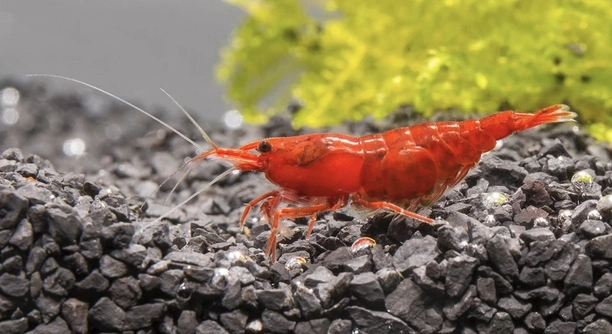
Are your cherry shrimp all clustering in one corner of the tank, leaving the rest of the space nearly empty? Observing this behavior can be concerning, especially when you are trying to maintain a balanced and healthy aquarium environment.
Cherry shrimp often gather in a single area due to water quality, temperature fluctuations, or stress factors. High ammonia, sudden changes in conditions, or overcrowding can cause them to seek shelter in one corner, minimizing exposure to perceived threats.
Understanding why this behavior occurs can help you create a healthier, more comfortable environment for your shrimp and improve their overall well-being.
Common Reasons Cherry Shrimp Gather in One Corner
Cherry shrimp often group together in one corner due to environmental factors or stress. Water quality plays a major role, as shrimp are highly sensitive to ammonia, nitrites, and nitrates. Even small fluctuations can drive them to seek areas where they feel safer. Temperature changes can also make shrimp cluster, as they prefer stable, moderate conditions. Overcrowding in the tank may lead to competition for food or hiding spots, encouraging shrimp to gather in corners. Additionally, inadequate hiding places or decorations can make them feel exposed, pushing them to congregate in the area that seems safest. Observing their behavior and tank conditions carefully is important. Poor circulation or a strong current may also cause shrimp to cling to one area. Regular testing, proper filtration, and consistent maintenance can reduce these issues. Understanding these factors allows you to make subtle adjustments that improve their comfort and distribution in the tank.
Shrimp often respond quickly to changes. A single adjustment in water conditions or decorations can disperse them across the tank.
Providing stable water parameters, hiding spots, and gentle currents encourages shrimp to explore and spread out. Patience and consistent care are essential for their comfort.
Stress Factors Affecting Behavior
Stress is a significant reason cherry shrimp cluster in one corner.
Predators, aggressive tank mates, or sudden environmental changes can trigger anxiety, causing shrimp to hide together. Maintaining calm, consistent conditions helps reduce this stress.
Stress in shrimp can result from both visible and subtle factors. Bright lighting, loud vibrations near the tank, or frequent disturbances can make them feel threatened. Even changes in water chemistry, like sudden pH shifts or temperature spikes, can increase their stress levels. Overfeeding or introducing new foods abruptly may also disrupt their routine and contribute to clustering. Providing plants, moss, or small hiding places gives shrimp a sense of security and reduces anxiety. Observing their behavior closely allows you to identify patterns and respond proactively. Reducing stress not only encourages shrimp to explore the tank but also supports their health, molting process, and breeding potential. By creating a calm, stable environment with minimal disturbances, you can help your shrimp feel safe and gradually encourage them to spread out naturally.
Water Quality and Tank Conditions
Poor water quality can make cherry shrimp gather in one corner. High ammonia, nitrites, or nitrates stress them, pushing them toward areas that feel safer or have slightly better conditions. Regular monitoring is essential.
Consistent water parameters are crucial for healthy shrimp behavior. Even small fluctuations in pH, temperature, or hardness can affect where shrimp feel comfortable. In tanks without proper filtration or water flow, corners may become refuge points. Maintaining clean water through partial water changes and testing helps ensure shrimp spread evenly. Adding plants or moss can improve oxygenation and give shrimp alternative spaces to explore, reducing crowding in one area.
Tank setup also plays a key role in shrimp distribution. Decorations, hiding spots, and plants encourage natural movement and exploration. Sparse or poorly arranged tanks leave shrimp feeling exposed. Gentle water currents and proper lighting support normal behavior. Observing shrimp responses to changes allows you to adjust conditions for better comfort and activity, preventing long-term clustering in corners.
Feeding Habits and Food Distribution
Uneven feeding often causes shrimp to cluster in one spot.
Shrimp tend to gather where food is most accessible. Placing food in the same area repeatedly can train them to stay there, leaving other parts of the tank underutilized.
Cherry shrimp are opportunistic feeders, and they quickly learn where food is located. If pellets or algae wafers are always placed in a corner, shrimp naturally congregate there, reinforcing the habit. Varying feeding locations encourages exploration and dispersal. Overfeeding can also create waste that affects water quality, leading shrimp to avoid other areas. Feeding smaller portions in multiple spots helps distribute activity throughout the tank. Observing their behavior during feeding allows adjustments to placement and portion size, ensuring shrimp remain healthy and active. Proper feeding routines balance nutrition while reducing crowding in one corner.
Lighting and Tank Environment
Bright or uneven lighting can make shrimp gather in shaded corners. They prefer gentle, diffused light, which helps them feel secure.
Adding plants or moss creates natural shaded areas. Shrimp use these spaces to hide and feel safe, reducing stress and encouraging natural movement throughout the tank.
Molting and Growth Stages
During molting, cherry shrimp often isolate themselves in one corner. This behavior helps protect their soft, vulnerable bodies from potential threats while they shed their exoskeleton. Proper hiding spots are essential to support this process.
Tankmates and Social Behavior
Aggressive or fast-moving tankmates can push shrimp into one corner. Observing interactions and providing calm companions helps maintain a balanced, stress-free environment.
FAQ
Why are my cherry shrimp staying in one corner even though water tests are normal?
Even if water parameters appear ideal, shrimp can still cluster due to subtle stressors. Slight drafts, uneven heating, or minor vibrations can make them feel unsafe. They also respond to tank layout, hiding spots, and lighting. Observing their environment carefully often reveals causes that tests alone cannot detect.
Can overcrowding make cherry shrimp gather in one corner?
Yes. When too many shrimp share limited space, they compete for food and hiding spots. Clustering in one area gives them a sense of safety. Ensuring adequate space, decorations, and plants reduces this behavior and allows shrimp to spread naturally throughout the tank.
Does tank temperature affect shrimp distribution?
Cherry shrimp prefer stable, moderate temperatures. Sudden changes or cold spots in the tank can push them into corners with more comfortable conditions. Using a reliable heater and monitoring temperature across different tank zones helps maintain even distribution and reduces stress.
Could lighting be causing my shrimp to cluster?
Bright or uneven lighting often drives shrimp to shaded corners. They seek areas with lower light intensity to feel secure. Adding floating plants, moss, or decorations creates shaded regions, encouraging shrimp to explore the tank without feeling exposed.
How does molting affect shrimp behavior?
During molting, shrimp are vulnerable and often isolate themselves in corners. They hide to protect their soft exoskeletons from potential threats. Providing ample plants, moss, or small decorations allows them safe molting spaces and reduces stress on other shrimp in the tank.
Can tankmates influence clustering behavior?
Aggressive or fast-moving tankmates can make shrimp feel threatened, causing them to congregate in one area. Observing social interactions and choosing calm, compatible species helps create a stable environment where shrimp feel safe to move freely.
Does feeding location impact clustering?
Yes. Shrimp quickly learn where food is consistently placed. Feeding in the same corner repeatedly encourages them to stay there. Distributing food in multiple areas promotes exploration, reduces crowding, and supports more balanced tank activity.
Are decorations and hiding spots important for distribution?
Absolutely. Sparse tanks leave shrimp feeling exposed, while plants, moss, and small decorations provide security. These hiding spots help shrimp feel comfortable exploring different areas, reducing clustering and improving their overall health and activity levels.
Can sudden changes in water chemistry affect shrimp behavior?
Even minor fluctuations in pH, hardness, or other parameters can cause shrimp to gather in safer areas. Gradual adjustments and consistent maintenance prevent sudden stress and encourage shrimp to spread evenly across the tank.
How long does it take for shrimp to stop clustering?
It depends on the underlying cause. Once environmental factors, stress, and feeding habits are addressed, shrimp typically start exploring within a few days to a couple of weeks. Consistency and careful observation are key to promoting even distribution.
What can I do if my shrimp continue clustering despite ideal conditions?
Check for subtle stressors like vibrations, drafts, or bright lighting. Add more plants or decorations, vary feeding locations, and monitor tankmate interactions. Sometimes shrimp need time to adjust, and patience combined with gradual improvements usually resolves persistent clustering.
Cherry shrimp clustering in one corner of a tank is a common observation, and it usually signals that the shrimp are responding to their environment. Many factors can influence this behavior, including water quality, temperature fluctuations, lighting, tank layout, and social dynamics with other tankmates. Observing the shrimp closely can provide valuable insight into their needs. Even if water tests show normal readings, subtle changes in temperature or minor disturbances in the tank can still cause them to seek a safer area. Shrimp are naturally cautious and will gravitate toward spaces that feel secure. By identifying these factors, it becomes easier to create a balanced and comfortable environment for them.
Water quality is one of the most important aspects of maintaining healthy shrimp. High ammonia, nitrites, or nitrates can stress them, pushing them toward a corner that seems safer. Regular testing, partial water changes, and proper filtration are essential to maintain stable conditions. Tank layout and decorations also play a key role. Adding plants, moss, and hiding spots encourages shrimp to explore and reduces clustering. Feeding habits can influence their behavior as well. Shrimp quickly learn where food is consistently placed, so distributing food in multiple areas can encourage more even movement throughout the tank. By addressing these factors thoughtfully, clustering behavior can often be reduced.
Stress is another critical factor to consider. Tankmates, vibrations, bright lighting, and sudden environmental changes can make shrimp feel threatened. Providing a calm, stable environment helps reduce this stress and supports natural behavior. During molting or vulnerable growth stages, shrimp often isolate themselves temporarily, and this is normal. Patience and careful observation are important to ensure they have sufficient hiding spaces and feel secure. Over time, with consistent care and a stable environment, shrimp usually begin to spread more evenly across the tank. Focusing on water quality, proper tank setup, thoughtful feeding practices, and minimizing stress will help your shrimp remain healthy, active, and comfortable, creating a balanced environment that supports their natural behavior.

Hello,
If you enjoy the content that we create, please consider saying a "Thank You!" by leaving a tip.
Every little bit helps us continue crafting quality advice that supports the health, happiness, and well-being of pets around the world, for pets of all shapes, sizes, and species.
We really appreciate the kindness and support that you show us!