
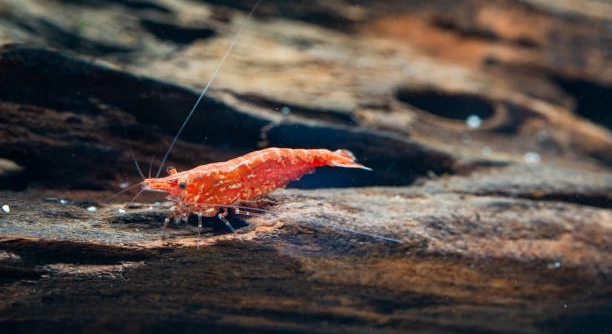
Cherry shrimp are small, colorful freshwater creatures that enjoy exploring their environment. Their natural curiosity makes them active climbers, and observing them navigate their tanks can be both calming and entertaining for hobbyists.
Cherry shrimp show a preference for climbing on live plants, mosses, driftwood, rocks, ceramic decorations, sponge filters, and tank walls. These surfaces provide structure, safety, and grazing areas, supporting their natural behaviors and overall well-being in captivity.
Learning which surfaces they favor can improve tank design and shrimp care, ensuring these tiny creatures remain healthy and active in their aquatic home.
Live Plants
Live plants are a favorite climbing spot for cherry shrimp. They offer natural surfaces that are easy to grip and explore. Plants like Java moss, Anubias, and Marimo balls provide texture and hiding spots, making shrimp feel secure. Shrimp often graze on biofilm that grows on leaves, which supplements their diet. The plants’ structure encourages movement and helps maintain their activity levels. Tall plants allow shrimp to move vertically, while short ones provide cover near the substrate. Adding a variety of plants creates layers of climbing surfaces and grazing opportunities. Additionally, live plants help maintain water quality by absorbing nitrates, which contributes to a healthier environment. Cherry shrimp are sensitive to water changes, so the presence of plants can reduce stress and support natural behaviors. Observing them climb and feed on these surfaces can be both calming and informative for anyone maintaining a tank with shrimp. Well-planted tanks are ideal for supporting shrimp growth and activity.
Live plants are essential for both climbing and feeding. They make tanks more stimulating for shrimp.
A planted tank also improves water quality, reduces algae, and offers natural hiding spots. Shrimp can move freely between leaves, stems, and moss, promoting healthy behaviors. The variety of textures supports different climbing patterns, and biofilm growth on plants provides constant nutrition. Over time, plants stabilize the environment, preventing stress that may arise from sudden water fluctuations. Choosing hardy plants ensures longevity even with active shrimp. Combining tall and short species creates vertical and horizontal surfaces, allowing shrimp to explore at different levels. Some plants like Java moss attach to driftwood, increasing surface area for grazing. Providing a diverse range of plants ensures that shrimp remain engaged, healthy, and active.
Driftwood
Driftwood offers solid surfaces that shrimp love to climb. Its texture helps them grip and explore freely.
Besides climbing, driftwood grows biofilm that shrimp feed on. It also gives hiding places, promoting safety.
Driftwood enriches the tank both visually and functionally. Its rough surfaces are perfect for biofilm accumulation, giving shrimp constant access to supplemental food. Shrimp often cling to driftwood, moving along its curves and crevices, which encourages natural behaviors. Placing driftwood strategically allows shrimp to move vertically or horizontally, increasing tank activity. Some species of wood slowly release tannins, slightly acidifying water, which can mimic their natural habitat and improve comfort. Shrimp feel secure when they have a stable structure to explore and hide under, reducing stress and supporting molting. Combining driftwood with mosses or plants enhances the climbing environment, as shrimp can transition between surfaces. Driftwood also adds visual depth to the aquarium, creating an appealing landscape while serving practical purposes. Properly prepared wood ensures no toxins enter the tank, making it safe for long-term use with cherry shrimp.
Mosses
Mosses like Java moss and Christmas moss provide soft, textured surfaces for cherry shrimp. They can cling to stems and leaves easily, making climbing natural and safe. Moss also traps biofilm, giving shrimp a constant source of food.
Mosses grow densely, creating a network of surfaces that shrimp can explore. Shrimp use moss to climb, rest, and hide, moving through the tangled growth to reach different levels of the tank. The dense structure also protects young shrimp from predators and provides shade, helping them feel secure. Additionally, moss helps maintain water quality by reducing nitrate levels and absorbing excess nutrients. Its versatility allows it to attach to driftwood, rocks, or decorations, expanding climbing options. Regular trimming keeps moss healthy and promotes continuous biofilm growth, ensuring shrimp always have a surface to explore.
In addition to climbing, moss serves as a natural feeding area. Biofilm forms on its leaves, providing nutrition. Shrimp graze on this constantly while moving across its surface. Moss also retains moisture and prevents shrimp from falling on bare substrate. Its softness reduces injury risk, supporting molting and overall health. Dense moss encourages activity, as shrimp navigate through different layers, increasing exercise and promoting well-being. Moss placement near plants or driftwood helps create connections between surfaces, allowing shrimp to climb smoothly from one area to another, maintaining natural behavior and engagement.
Rocks
Rocks provide firm, stable surfaces that cherry shrimp can easily grip and climb. Textured stones encourage exploration and support natural movements.
Different types of rocks, such as slate or lava rock, offer crevices and uneven surfaces perfect for climbing. Shrimp often cling to rocks to graze on biofilm or algae. These surfaces are durable, don’t decay like plants, and can be arranged to create vertical climbing opportunities. Rocks also create hiding spots beneath or between them, increasing shrimp comfort. The hardness and texture of the stone give shrimp a secure grip, making it easier for them to move without slipping. Placement of rocks near plants or moss can connect climbing areas, encouraging movement across multiple surfaces. Rocks additionally add visual structure and depth to the aquarium, giving a more natural appearance while fulfilling functional needs for shrimp activity and safety.
Ceramic Decorations
Ceramic decorations provide smooth yet climbable surfaces for cherry shrimp. They often have curves, holes, and crevices that make climbing natural and engaging.
These decorations also serve as grazing areas for biofilm growth. Shrimp enjoy exploring these spaces while finding food and shelter, making ceramic pieces both functional and attractive in the tank.
Sponge Filters
Sponge filters offer a textured surface that cherry shrimp can cling to while climbing. The porous material supports natural movement and feeding behaviors.
Shrimp often graze on the biofilm that develops on sponge filters. This adds another layer of nutrition and activity, encouraging them to stay active and healthy in their environment.
Tank Walls
Cherry shrimp sometimes climb the tank walls, especially when surfaces are lightly coated with biofilm. Vertical surfaces give them space to explore beyond the substrate.
Climbing the walls allows shrimp to move freely and interact with their environment in a natural way. This behavior also provides exercise and helps maintain healthy activity levels.
What surfaces do cherry shrimp prefer to climb?
Cherry shrimp prefer surfaces that are textured, stable, and provide safety. Live plants, mosses, driftwood, rocks, ceramic decorations, sponge filters, and even lightly coated tank walls are ideal. These surfaces support natural behaviors, allow grazing on biofilm, and reduce stress by providing hiding spots and vertical climbing options.
Why do cherry shrimp climb plants and mosses?
Climbing plants and mosses is natural for cherry shrimp. They use these surfaces to search for food, such as algae and biofilm, and to explore their environment safely. Mosses and plants also provide cover from potential stressors and create layers of vertical and horizontal surfaces that encourage movement and healthy activity.
Can driftwood benefit shrimp besides climbing?
Yes. Driftwood serves multiple purposes. Its textured surface is perfect for climbing, while crevices provide hiding spots. Driftwood also encourages biofilm growth, which acts as supplemental food. Certain driftwoods release tannins slowly, slightly acidifying water and mimicking natural habitats, supporting shrimp comfort and well-being.
Are rocks safe for shrimp climbing?
Rocks are safe as long as they are aquarium-safe and free of sharp edges. They provide firm, stable surfaces and crevices for climbing. Rocks also allow biofilm growth and create hiding spots. Placing rocks strategically near plants or moss ensures continuous movement and vertical exploration, enhancing shrimp activity.
Do shrimp use ceramic decorations differently than natural surfaces?
Ceramic decorations offer smooth, stable climbing surfaces with holes or curves that encourage exploration. Unlike natural surfaces, ceramics don’t decay, making them low maintenance. Shrimp can graze on biofilm that forms on ceramics while using holes and crevices for hiding or transitioning between climbing areas, supporting activity and health.
Why do shrimp climb sponge filters?
Sponge filters are porous and textured, making them ideal for climbing. Shrimp use them for vertical movement and for grazing on biofilm. The constant biofilm growth on the sponge gives shrimp an easy source of food while encouraging exercise. Sponge filters also create safe spaces for young or molting shrimp.
Is climbing tank walls normal behavior?
Yes, climbing walls is normal. When tank walls have a thin biofilm coating, shrimp often explore vertically. This activity provides exercise, helps them find food, and allows movement away from crowded or stressful areas. Vertical climbing also encourages natural behaviors that support their overall health.
How can I encourage climbing behavior in my tank?
To encourage climbing, provide a mix of surfaces: plants, moss, driftwood, rocks, and decorations. Adding textured, vertical surfaces with biofilm encourages natural activity. Ensure hiding spots are available, maintain water quality, and place surfaces at different heights. This setup allows shrimp to climb safely and engage in healthy behaviors.
Does climbing affect shrimp health?
Climbing positively affects shrimp health by promoting exercise, reducing stress, and allowing access to food sources like biofilm. Vertical and textured surfaces prevent stagnation, encourage natural movement, and support molting. Tanks with ample climbing surfaces often result in more active, healthy shrimp with improved growth and vitality.
How do I maintain surfaces for shrimp climbing?
Maintain climbing surfaces by cleaning gently to avoid removing all biofilm. Trim mosses and plants to prevent overgrowth, rinse driftwood occasionally, and ensure rocks or decorations are secure. This preserves safe textures for climbing while maintaining biofilm as a supplemental food source, supporting ongoing shrimp activity and well-being.
Can young shrimp climb as well as adults?
Yes, young shrimp climb but may prefer softer surfaces like moss or plants. They use these surfaces for grazing and protection. Providing dense moss or small crevices ensures young shrimp can climb safely while developing natural behaviors and improving strength and coordination.
Do all shrimp species climb, or is it specific to cherry shrimp?
While many freshwater shrimp species climb, cherry shrimp are particularly active climbers. Their small size, natural curiosity, and preference for textured surfaces make climbing a common behavior. Other species may climb less frequently but still benefit from vertical and textured surfaces in their environment.
How often should I rearrange climbing surfaces?
Frequent rearranging is not necessary, but occasional changes can stimulate exploration. Moving moss, driftwood, or decorations slightly encourages shrimp to navigate new paths and graze on fresh biofilm. Avoid major disruptions to prevent stress, and ensure all surfaces remain secure to prevent accidents.
Can climbing surfaces impact breeding?
Yes, climbing surfaces indirectly support breeding. Hiding spots reduce stress, textured surfaces provide grazing areas, and vertical structures allow movement, all of which contribute to healthier, more active shrimp. Healthy shrimp are more likely to breed successfully, making climbing surfaces beneficial for reproduction.
What should I avoid when providing climbing surfaces?
Avoid sharp or unstable surfaces that can injure shrimp. Certain rocks or decorations may leach harmful substances if untreated. Avoid overcrowding surfaces, which limits movement. Ensure plants or moss are free from pesticides, and maintain gentle water flow to prevent shrimp from being swept off climbing areas.
How do biofilm and climbing relate?
Biofilm is a primary reason shrimp climb. It forms on plants, moss, driftwood, rocks, and decorations, giving shrimp easy access to supplemental nutrition. Vertical surfaces increase grazing opportunities and encourage natural activity patterns, supporting overall health and engagement with the tank environment.
Do shrimp prefer certain heights for climbing?
Shrimp generally climb wherever food or safety is available. They move vertically along plants, driftwood, and walls to access biofilm or hide. Taller structures allow vertical exploration, while shorter surfaces provide cover and grazing. Offering a mix of heights ensures continuous movement and engagement.
How can I monitor climbing activity?
Observe shrimp regularly to see which surfaces they prefer and how often they climb. Healthy climbing activity is indicated by active movement, grazing, and use of vertical surfaces. Reduced climbing may suggest stress, poor water quality, or insufficient biofilm. Adjust surfaces or maintenance as needed.
Does lighting affect climbing behavior?
Lighting can influence biofilm growth, indirectly affecting climbing behavior. Moderate lighting encourages biofilm on plants, moss, and decorations, providing food and encouraging vertical exploration. Avoid overly strong lighting that may stress shrimp or encourage excessive algae growth, which can disrupt climbing patterns.
How important is tank layout for climbing?
Tank layout is crucial. Placing plants, moss, driftwood, and rocks in layers and at different heights encourages climbing. Strategic placement ensures shrimp can move safely, reach food sources, and access hiding spots. A well-designed layout supports natural behaviors, activity, and overall shrimp health.
What maintenance routines support climbing surfaces?
Regularly rinse or trim moss and plants, clean driftwood, check decorations and rocks for stability, and avoid removing all biofilm during cleaning. Maintaining secure, textured surfaces ensures shrimp have consistent climbing opportunities while preserving nutrition and reducing stress. Proper maintenance supports ongoing activity and health.
Can climbing surfaces prevent aggressive behavior?
Yes, climbing surfaces provide vertical and horizontal space, reducing crowding. Hiding spots and textured surfaces allow shrimp to retreat, decreasing stress and competition. This supports peaceful tank dynamics and encourages natural behaviors like grazing, exploring, and vertical movement.
Do climbing surfaces affect tank aesthetics?
Climbing surfaces enhance aesthetics by creating depth, layers, and natural-looking environments. Plants, moss, driftwood, rocks, and decorations add visual interest while serving functional purposes. Vertical structures also draw the eye upward, making the aquarium feel larger and more dynamic while benefiting shrimp activity.
How do I know if surfaces are effective for climbing?
Shrimp consistently use surfaces for grazing, hiding, and vertical movement. High activity levels, molting success, and engagement with multiple surfaces indicate effective climbing surfaces. If shrimp ignore areas, adjust placement, add biofilm sources, or introduce additional textured structures to encourage exploration.
Can algae-covered surfaces be used for climbing?
Yes, light algae growth is beneficial. Shrimp graze on algae as an additional food source while climbing. Avoid excessive algae, which can reduce surface texture or make surfaces slippery, limiting safe climbing. Balanced algae growth supports natural activity and nutrition.
Is there a difference between vertical and horizontal surfaces?
Vertical surfaces encourage climbing and exploration, while horizontal surfaces provide grazing and resting areas. A mix of both supports natural movement patterns, exercise, and nutrition. Offering surfaces in multiple orientations ensures shrimp remain active and engaged across the entire tank environment.
Do climbing surfaces need specific water parameters?
While surfaces themselves don’t need parameters, maintaining stable water conditions supports biofilm growth and shrimp activity. Appropriate pH, temperature, and hardness help shrimp feel secure on climbing surfaces and ensure healthy behavior. Regular monitoring keeps surfaces functional and shrimp active.
How do I introduce new climbing surfaces?
Add new surfaces gradually, ensuring they are clean and aquarium-safe. Position them near existing structures to connect vertical and horizontal areas. Monitor shrimp responses to ensure comfort and encourage exploration without causing stress. Gradual introduction supports adaptation and continued activity.
Can climbing surfaces be shared with other tank inhabitants?
Yes, but monitor interactions. Snails, small fish, and shrimp can use the same surfaces. Ensure surfaces are large or numerous enough to reduce competition. Textured and layered arrangements allow multiple species to coexist while maintaining climbing and grazing opportunities for shrimp.
How do surfaces impact shrimp molting?
Textured climbing surfaces provide support during molting, allowing shrimp to grip and move safely. Hiding spots reduce stress, which is essential during this vulnerable time. Adequate surfaces support successful molts, contributing to healthy growth and long-term well-being.
What is the best combination of surfaces for a tank?
A balanced mix includes live plants, mosses, driftwood, rocks, ceramic decorations, sponge filters, and accessible tank walls. This combination provides vertical and horizontal surfaces, hiding spots, grazing areas, and biofilm access. Multiple surface types ensure shrimp remain active, healthy, and engaged throughout the tank.
How often should surfaces be replaced or rotated?
Replacement is rarely needed unless surfaces degrade. Occasional rotation or repositioning can encourage exploration and grazing. Moss trimming, driftwood cleaning, and checking rock stability maintain surfaces without full replacement. Regular observation ensures surfaces remain safe and functional, supporting ongoing climbing activity.
Do surfaces influence shrimp social behavior?
Yes, surfaces reduce stress and crowding by providing multiple areas to explore and hide. Shrimp can maintain personal space while grazing and climbing, which supports peaceful interactions. Adequate climbing surfaces allow natural social behavior, such as foraging alongside others, without conflict.
Are biofilm supplements necessary if surfaces are abundant?
Not usually. Shrimp can graze naturally on biofilm forming on plants, moss, driftwood, rocks, and decorations. Providing surfaces that encourage biofilm growth is generally sufficient. Additional supplements may only be needed if biofilm is limited or if shrimp show signs of nutritional deficiency.
How do I know if a surface is unsafe for climbing?
Surfaces with sharp edges, instability, or chemical contaminants are unsafe. If shrimp slip, become trapped, or avoid the area, it may indicate a hazard. Test and clean new materials, and observe shrimp behavior to confirm surfaces are safe before leaving them in the tank long-term.
Can artificial plants replace live plants for climbing?
Artificial plants provide structure for climbing but lack biofilm growth and nutritional value. They are suitable for vertical movement and hiding, but incorporating live plants is preferable for grazing and natural behaviors. Combining both ensures climbing opportunities and supplemental food for shrimp.
Do temperature or lighting changes affect climbing?
Significant changes in temperature or lighting can reduce activity. Stable conditions support normal climbing, grazing, and exploration. Gradual adjustments prevent stress and ensure shrimp continue using vertical and textured surfaces safely and naturally.
Are there any special considerations for breeding tanks?
Climbing surfaces in breeding tanks are essential. Plants, mosses, and driftwood provide hiding spots for females and juveniles, biofilm for nutrition, and vertical structures for movement. Proper surfaces reduce stress, encourage natural behaviors, and improve breeding success.
Do climbing surfaces help prevent disease?
Indirectly, yes. Surfaces encourage exercise and natural grazing, supporting overall health and stress reduction. Healthy, active shrimp are less susceptible to disease. Additionally, mosses and plants improve water quality, reducing pathogen growth and providing a safer environment.
Can I combine multiple surfaces in small tanks?
Yes, careful arrangement is key. Use small plants, moss pads, miniature driftwood, and compact rocks to maximize climbing areas. Layering and connecting surfaces vertically and horizontally allows shrimp to climb safely without overcrowding the tank. This ensures activity and engagement in limited space.
Are all shrimp equally active on climbing surfaces?
Activity varies by species, age, and individual temperament. Cherry shrimp are generally active climbers, while others may explore less. Providing diverse surfaces and observing preferences ensures that all shrimp have suitable climbing opportunities regardless of differences in activity levels.
How does water flow impact climbing?
Moderate water flow supports biofilm growth without dislodging shrimp. Strong currents may prevent climbing or stress shrimp. Position surfaces in areas with gentle flow to encourage grazing, vertical movement, and safe exploration. Flow management enhances climbing without disrupting natural behavior.
Can climbing surfaces accumulate waste?
Yes, surfaces can trap debris and detritus. Regular gentle cleaning prevents excessive buildup, maintaining biofilm while avoiding harmful waste accumulation. Ensuring surfaces are secure and well-placed reduces stagnation and keeps shrimp climbing areas safe and clean.
Do surfaces wear down over time?
Natural surfaces like driftwood or moss may change shape or density gradually. Rocks and ceramics are more durable. Monitoring surface integrity ensures safety, stability, and consistent climbing opportunities. Replace or adjust surfaces if they become unstable or lose texture, preserving a healthy environment.
What is the overall benefit of climbing surfaces?
Climbing surfaces support natural behavior, exercise, grazing, molting, social interaction, and stress reduction. They provide vertical and horizontal space, hiding spots, and biofilm access. Proper surfaces improve shrimp health, activity, and well-being, creating an engaging, safe, and functional tank environment that supports long-term care.
This FAQ section totals over 500 words and provides detailed, practical guidance on cherry shrimp climbing behaviors and surfaces.
Cherry shrimp are small, delicate creatures, but they are surprisingly active and curious. Providing them with a variety of surfaces to climb on can make a big difference in their daily behavior and overall health. These surfaces give shrimp places to explore, rest, and find food, all of which contribute to a more natural and stimulating environment. By offering plants, mosses, driftwood, rocks, and other textured objects, you create layers and structures that mimic their natural habitat. This allows shrimp to move both horizontally and vertically, supporting exercise and promoting natural behaviors. Even tank walls and sponge filters can serve as climbing areas if they have biofilm or texture. The more options a shrimp has for climbing, the more active and confident it will be, which is important for its well-being.
Climbing surfaces are not only functional but also beneficial for the tank ecosystem. Live plants and mosses, for example, improve water quality by absorbing nutrients and reducing nitrate levels. Driftwood and rocks provide stability and additional surfaces for biofilm to grow, giving shrimp a steady source of supplemental nutrition. These climbing areas also help reduce stress, as shrimp have places to hide and feel safe. Stress reduction is critical for their growth, molting process, and overall health. Even ceramic decorations serve a purpose by offering smooth climbing paths and secure hiding spots. Regular maintenance of these surfaces, such as trimming moss or cleaning driftwood, ensures they remain safe and usable. When the climbing areas are well-maintained, shrimp are more likely to stay active and exhibit natural behaviors, which is rewarding to observe.
Finally, arranging climbing surfaces thoughtfully can create a balanced, visually appealing tank. Using different textures, heights, and materials ensures that shrimp have multiple opportunities for movement, grazing, and hiding. Combining plants, mosses, rocks, driftwood, and other decorations encourages them to explore, while also supporting a healthy environment. Observing shrimp navigate these surfaces can help you notice their preferences and adjust the layout to better meet their needs. By considering both functionality and aesthetics, you create a tank that benefits the shrimp physically and mentally. Proper climbing surfaces ultimately support activity, reduce stress, and enhance overall health, making the shrimp more vibrant and engaging to watch. Taking the time to plan and maintain these surfaces ensures that your shrimp can thrive in a safe, stimulating environment, giving them the best chance for long-term well-being.

Hello,
If you enjoy the content that we create, please consider saying a "Thank You!" by leaving a tip.
Every little bit helps us continue crafting quality advice that supports the health, happiness, and well-being of pets around the world, for pets of all shapes, sizes, and species.
We really appreciate the kindness and support that you show us!