
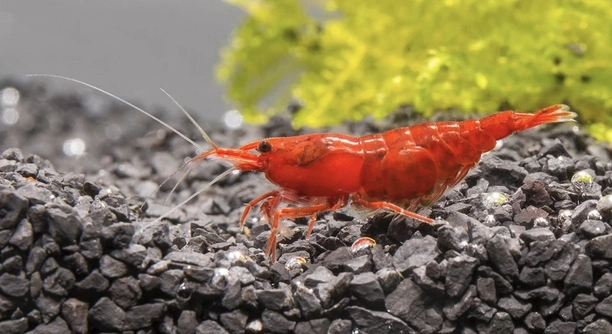
Do you enjoy keeping cherry shrimp but find yourself unsure about their feeding schedule? Caring for these tiny aquatic creatures requires attention to detail, especially when it comes to how often they need food to stay healthy.
Cherry shrimp can survive without food for short periods, typically up to a week, depending on water quality and existing biofilm. Extended periods without feeding may lead to stress, weakened immune systems, and slower growth, so regular feeding is recommended.
Understanding how long cherry shrimp can safely go without food helps maintain a stable and healthy aquarium. Learning these care details ensures your shrimp thrive in their environment.
How Long Cherry Shrimp Can Go Without Food
Cherry shrimp are small but surprisingly resilient creatures. Under normal conditions, they can survive without direct feeding for several days. Their primary source of nutrients in this situation comes from biofilm, algae, and other microorganisms naturally present in the tank. This makes them more adaptable than many other freshwater species. However, survival depends on the aquarium environment, including temperature, water quality, and the presence of plants or hiding spots. Warmer water can increase metabolism, causing shrimp to use energy faster, while cooler water slows it down. Stress from sudden changes or overcrowding may reduce their ability to cope without food. Observing their behavior and body condition is important. Shrimp that stop moving much, lose color, or appear thin may need more frequent feeding or adjustments to tank care. Providing a consistent, moderate feeding schedule helps maintain their health and reduces the risk of disease.
Even though they can manage a few days, extended fasting weakens their immune system and slows growth.
By understanding their limits, you can plan feeding routines that fit your schedule while keeping your shrimp healthy. Consistency in food availability ensures strong, active shrimp that reproduce successfully. Keeping natural food sources present in the tank also reduces the risk of stress and malnutrition. Even during short absences, they can sustain themselves if the environment is balanced. Supplementing with algae wafers or finely crushed shrimp food occasionally ensures nutrition. Monitoring tank conditions and shrimp activity gives insight into whether adjustments are needed. Some shrimp prefer grazing throughout the day, while others feed in bursts. Overfeeding should be avoided, as leftover food can affect water quality. Clean water and hiding spaces are essential. Combining good tank maintenance with careful feeding supports shrimp growth, reproduction, and overall well-being. Attention to detail ensures your cherry shrimp thrive without constant intervention.
Signs Your Cherry Shrimp Needs More Food
Shrimp that appear pale, inactive, or hiding excessively may not be getting enough nutrition.
Monitoring their behavior is key to preventing health problems. Inadequate feeding can lead to weakened immunity, slower growth, and increased vulnerability to disease. Providing balanced meals and maintaining natural food sources in the tank helps support healthy, active shrimp. Recognizing subtle changes in color, movement, or appetite allows for early intervention. Some shrimp may nibble on plants or decorations when food is scarce. Adding supplemental foods like algae wafers, blanched vegetables, or specialized shrimp pellets ensures nutrients are available without overfeeding. A consistent feeding schedule, combined with observation, helps you respond to their needs effectively. Adjusting feeding amounts based on shrimp population and activity levels prevents both starvation and water quality issues. Even small changes in behavior can indicate the need for dietary adjustments. Keeping the tank environment stable, with clean water and sufficient hiding spots, reinforces their overall health. Paying attention to these signs allows shrimp to thrive, reproduce, and maintain vibrant coloration over time.
Feeding Frequency for Cherry Shrimp
Cherry shrimp do best with small, frequent feedings rather than one large meal. Overfeeding can harm water quality and stress the shrimp.
A regular feeding schedule of one to two times per day is generally sufficient. Use only a small amount of food they can consume within a few hours. This prevents leftover food from decomposing and affecting water chemistry. Cherry shrimp graze naturally on biofilm, algae, and plant matter, so supplemental feeding should complement what is already present in the tank. Observing how much food is eaten each day helps adjust portion sizes accurately. The goal is to provide enough nutrients without overloading the system. Over time, shrimp will develop routines and feeding behavior patterns. Paying attention to their activity levels and appearance helps you determine if adjustments are needed. Consistency ensures they stay healthy, active, and maintain proper coloration.
It is important to balance natural grazing with supplemental foods to maintain shrimp vitality and growth.
Maintaining this balance reduces stress and promotes breeding. Shrimp that receive appropriate amounts of food are more active and display vibrant colors. They will explore the tank and interact with their environment more readily. Insufficient feeding can slow growth and weaken immunity, while excessive feeding risks ammonia spikes, algae blooms, and water quality problems. Offering a variety of foods, including algae wafers, blanched vegetables, and specialized shrimp pellets, provides essential nutrients. Regular observation ensures that the shrimp consume the food and that leftover pieces do not accumulate. By keeping feeding amounts small and frequent, tank conditions remain stable. Over time, this careful approach results in a thriving shrimp population with healthy reproduction rates and minimal stress.
Alternative Food Sources in the Tank
Natural biofilm, algae, and plant debris provide important nutrition for cherry shrimp.
Supplementing these sources with small portions of specialized foods supports growth and health. Algae wafers, blanched vegetables, or finely crushed shrimp pellets are effective additions. These foods provide essential proteins, vitamins, and minerals not always available from natural grazing alone. Offering variety ensures shrimp receive a balanced diet and reduces competition for limited resources. Some shrimp may prefer grazing on moss, driftwood surfaces, or aquarium plants, so maintaining these natural elements enhances feeding opportunities. Monitoring how quickly food is consumed helps prevent overfeeding and water quality issues. Keeping the tank environment balanced allows shrimp to thrive with minimal intervention. Supplementary foods should complement, not replace, natural nutrition sources. Observing shrimp behavior and body condition provides insight into their nutritional status. This combination of natural and supplemental feeding promotes overall vitality, coloration, and reproductive success.
Fasting and Molting
Molting requires extra energy, so cherry shrimp should not go long without food during this process. Proper nutrition supports shell regeneration and overall health.
A lack of food during molting can slow growth and increase vulnerability to stress or disease, affecting survival rates.
Signs of Starvation
Shrimp that are losing color, appear thin, or hide constantly may not be getting enough food. These indicators signal the need for immediate dietary adjustments to prevent health decline.
Emergency Feeding Tips
If shrimp show signs of starvation, provide small amounts of easily digestible food like algae wafers or blanched vegetables. Feed in short intervals to avoid overloading the tank.
Maintaining Tank Balance
Overfeeding can harm water quality, so it’s important to remove uneaten food promptly. Regular cleaning and monitoring help maintain a safe environment for shrimp.
FAQ
How long can cherry shrimp go without food?
Cherry shrimp can generally survive without direct feeding for up to a week, depending on tank conditions. They feed on biofilm, algae, and microorganisms in the water, which helps them sustain energy. Water temperature, population density, and stress levels can affect how long they last without supplemental food.
What happens if cherry shrimp don’t eat for several days?
If shrimp go too long without food, they may become weak, lose color, and show reduced activity. Prolonged lack of nutrition weakens their immune system, slows growth, and increases vulnerability to disease. Regular feeding or providing natural grazing surfaces prevents these problems.
Can cherry shrimp survive on algae alone?
Algae and biofilm are essential parts of a shrimp’s diet, but relying solely on them is not enough for optimal health. Supplemental foods like algae wafers, blanched vegetables, or specialized shrimp pellets provide extra protein, vitamins, and minerals that support growth and reproduction.
How often should I feed my cherry shrimp?
Feeding small amounts once or twice a day is ideal. Cherry shrimp graze naturally, so frequent, moderate feedings work better than large meals. Observing how much they consume helps prevent overfeeding, which can harm water quality.
What are signs of underfeeding in cherry shrimp?
Pale coloration, inactivity, hiding, and visible weight loss are common signs. Shrimp may also begin to nibble excessively on plants or decorations. Immediate adjustment to feeding, while maintaining water balance, is necessary to restore health.
What types of food are safe for cherry shrimp?
Safe options include algae wafers, blanched vegetables like zucchini or spinach, and finely crushed shrimp pellets. These provide balanced nutrition without overloading the tank. Avoid overfeeding, as decaying food can increase ammonia and nitrite levels.
Can cherry shrimp fast during molting?
Molting requires energy, so fasting is risky during this time. Shrimp need nutrition to regenerate shells and maintain overall health. Providing small, frequent feedings supports molting and reduces stress.
Is it safe to leave shrimp without food over a vacation?
Short absences of a few days are generally safe if the tank has biofilm, algae, and live plants. For longer periods, automated feeders or leaving small amounts of supplemental food can prevent malnutrition. Monitoring water quality is crucial during these times.
Can cherry shrimp eat plant debris in the tank?
Yes, cherry shrimp naturally graze on decaying plant matter and biofilm. This contributes to their diet and keeps the tank cleaner. Supplementary foods should complement, not replace, natural grazing to ensure proper nutrition.
How do I know if I’m overfeeding my shrimp?
Leftover food after several hours, cloudy water, or algae blooms are signs of overfeeding. Shrimp will eat what they need, so carefully measuring portions and observing consumption prevents water quality issues and maintains a healthy environment.
Can cherry shrimp survive longer without food if water conditions are perfect?
Good water quality supports survival, but it does not replace nutrition. While they may last slightly longer, lack of food will eventually lead to stress, weakened immunity, and slower growth. Both feeding and tank maintenance are essential for their wellbeing.
How can I encourage shrimp to eat supplemental food?
Place small amounts of food in multiple areas of the tank and observe their feeding behavior. Introducing a variety of foods, including wafers and vegetables, can encourage even the shy shrimp to graze regularly. Avoid overcrowding food to prevent decay.
Do baby cherry shrimp need more frequent feeding?
Yes, baby shrimp grow quickly and require more frequent access to food. Fine, powdered foods or infusoria are suitable. Ensuring that young shrimp can find and consume food helps improve survival rates and supports proper development.
Can cherry shrimp go without food indefinitely?
No, even though they are hardy, cherry shrimp cannot survive indefinitely without nutrition. They require a combination of natural grazing and supplemental feeding to maintain health, growth, and reproduction. Prolonged fasting will eventually lead to mortality.
What should I do if my shrimp stop eating?
Check water parameters, tank temperature, and stress factors like overcrowding or aggressive tankmates. Provide fresh food options, clean the tank, and ensure algae or biofilm is available. Persistent refusal to eat may indicate illness, which should be addressed promptly.
Is there a difference in fasting tolerance between adult and juvenile shrimp?
Juvenile shrimp have higher metabolic rates and are more sensitive to food deprivation. Adults can tolerate slightly longer periods without food due to slower metabolism and stored energy reserves. Both still need consistent nutrition for overall health.
How does temperature affect feeding needs?
Higher temperatures increase metabolism, causing shrimp to use energy faster and require more frequent feedings. Cooler water slows their metabolism, reducing immediate food needs. Monitoring water conditions helps adjust feeding schedules appropriately.
Can I rely on biofilm and algae if I have a planted tank?
Yes, live plants encourage biofilm growth, providing a continuous natural food source. However, supplemental feeding is still important to meet all nutritional requirements, especially for protein and vitamins needed for growth and reproduction.
Are there any signs that shrimp are eating too much?
Excess uneaten food, cloudy water, or sudden algae growth may indicate overfeeding. Shrimp rarely overconsume intentionally, so careful measurement and observation prevent water quality problems and support long-term health.
What is the best approach to feeding during vacations or absences?
Leave small portions of long-lasting foods or use an automatic feeder for consistent supply. Ensure the tank has sufficient natural food like biofilm and algae. Avoid overfeeding before leaving, as decomposing food can harm water quality in your absence.
How do I balance natural and supplemental food?
Supplemental food should complement the biofilm, algae, and plant matter in the tank. Offer small portions, monitor consumption, and adjust based on shrimp activity. Maintaining this balance supports health, growth, and proper coloration without compromising water quality.
How quickly should cherry shrimp consume their food?
Food should generally be eaten within a few hours. If leftovers remain, reduce portion sizes. Prompt consumption ensures shrimp get nutrients without causing water contamination, helping maintain a stable and healthy tank environment.
Are some shrimp more aggressive eaters than others?
Yes, dominant shrimp may consume more, leaving less for smaller or timid individuals. Distributing food in multiple areas helps all shrimp access nutrients fairly and prevents malnutrition in shy or smaller shrimp.
Does fasting affect shrimp reproduction?
Extended fasting can reduce breeding activity, slow development of eggs, and weaken reproductive success. Providing consistent nutrition supports healthy reproduction and ensures offspring survival. Monitoring food availability is key for maintaining breeding populations.
Can shrimp survive if I forget to feed them for a day?
Yes, missing a single feeding is usually not harmful if the tank has algae and biofilm. Observing them afterward ensures they resume normal eating behavior. Regular schedules are still recommended for long-term health.
How do I introduce new food to picky shrimp?
Offer small amounts and vary textures or types, like wafers, vegetables, or pellets. Place food near their natural grazing areas. Gradual introduction encourages shrimp to accept new options without causing stress or overfeeding.
What is the most important factor in keeping shrimp fed and healthy?
Consistency, portion control, and observation are key. Combine natural grazing with supplemental foods, maintain clean water, and monitor shrimp behavior to adjust feeding. This approach ensures proper growth, coloration, and overall wellbeing in the tank.
How can I tell if my feeding routine is working?
Active shrimp with vibrant colors, regular molting, and steady growth indicate a successful routine. Adjust portion sizes, food types, or frequency if shrimp show inactivity, paleness, or signs of malnutrition. Regular observation helps refine feeding practices effectively.
Can shrimp survive on frozen or dried foods alone?
Frozen and dried foods can provide nutrients but should complement live or fresh options. Relying solely on these foods may not provide all necessary vitamins and proteins. A balanced diet combining multiple sources is essential for long-term health.
Do shrimp require protein-rich food?
Yes, protein supports growth, molting, and reproduction. Algae, biofilm, and supplemental foods like shrimp pellets or blanched vegetables supply necessary proteins in manageable amounts, preventing deficiencies without overfeeding.
Can shrimp eat human food?
Most human foods are not suitable. Avoid processed or seasoned foods. Safe options include plain blanched vegetables. Feeding inappropriate items can harm water quality and shrimp health, so it’s best to stick to shrimp-specific foods.
How does tank population affect feeding?
Higher populations increase competition for food. Small, frequent portions and spreading food in multiple areas ensures all shrimp have access, preventing malnutrition and stress among tank inhabitants. Proper planning avoids overcrowding issues.
What is the role of live plants in feeding shrimp?
Live plants encourage biofilm growth and provide grazing surfaces. They supply natural nutrition and shelter, reducing stress. Combining plants with supplemental feeding ensures shrimp receive complete nutrients for health and reproduction.
Can overfeeding lead to shrimp death?
Yes, decomposing food increases ammonia and nitrite levels, which can be fatal. Careful portioning, monitoring, and tank maintenance prevent water quality issues and protect shrimp from harm.
How often should I check if shrimp are eating enough?
Daily observation is ideal. Watch their behavior, coloration, and growth. Adjust feeding as needed to maintain health, avoid overfeeding, and ensure water quality stays stable.
Are some types of algae better for shrimp?
Yes, soft green algae and biofilm are preferred. They are easier to graze on and digest, providing essential nutrients without overwhelming the tank or water parameters.
Do shrimp need variety in their diet?
Yes, variety supports growth, molting, reproduction, and vibrant coloration. Combining natural grazing with supplemental foods like wafers and vegetables ensures they receive all necessary nutrients.
How do I prevent shrimp from starving if I travel frequently?
Use automatic feeders, leave small portions of long-lasting foods, and maintain live plants for natural grazing. Avoid overfeeding before leaving to protect water quality. Monitoring tank conditions before departure ensures a safe environment.
What should I do if some shrimp eat more than others?
Distribute food across different areas of the tank, use multiple feeding points, and observe to ensure shy shrimp get access. Adjust portions based on consumption to maintain proper nutrition for all individuals.
Is fasting ever beneficial for shrimp?
Short-term fasting is not harmful if the tank has natural grazing surfaces. It may help reduce leftover food buildup but should not replace regular feeding or compromise nutrition.
How does fasting affect shrimp behavior?
Shrimp may become less active, hide more, or graze more aggressively on biofilm and plants. Observing changes helps determine when supplemental feeding is needed to maintain health.
Can shrimp adapt to irregular feeding schedules?
They can tolerate occasional skipped feedings if natural food is present, but consistent schedules support growth, molting, reproduction, and overall wellbeing. Irregular feeding may cause stress over time.
Are there signs that shrimp are not getting enough protein?
Slow growth, poor molting, and reduced reproductive activity indicate protein deficiency. Providing protein-rich foods like shrimp pellets, algae wafers, or certain vegetables helps maintain proper health.
Can shrimp survive on tank leftovers from fish?
Shrimp may scavenge uneaten fish food, but it may not provide balanced nutrition. Supplementary feeding ensures essential vitamins, minerals, and proteins are available for optimal health and reproduction.
Does water quality affect how long shrimp can go without food?
Yes, poor water quality increases stress and energy use, reducing survival time without food. Clean water and stable conditions allow shrimp to cope better during short periods of fasting.
How do I know if shrimp are getting enough nutrients from biofilm alone?
Observation is key. Active shrimp with good coloration and molting regularly indicate adequate nutrition. If shrimp show weakness or color loss, supplemental feeding is necessary to meet dietary requirements.
Are certain shrimp more resilient to fasting?
Adults are generally more resilient than juveniles due to lower metabolic rates and energy reserves. However, all shrimp require consistent nutrition to maintain health, coloration, and reproductive ability.
Can I feed too many different types of food at once?
Yes, excessive variety can lead to leftover food and water quality problems. Introduce small amounts of one or two types, observe consumption, and adjust as needed to prevent overfeeding and maintain balance.
Does fasting affect shrimp coloration?
Extended lack of food can dull colors. Consistent feeding with a balanced diet, including supplemental protein and vitamins, maintains vibrant coloration and overall health.
How do I safely reintroduce food after a fasting period?
Start with small, easily digestible portions like algae wafers or blanched vegetables. Observe shrimp behavior and gradually resume normal feeding while monitoring water quality to prevent leftover food accumulation.
Can shrimp survive on frozen foods only?
Frozen foods provide nutrients but lack some elements found in fresh plants and biofilm. Combining frozen options with natural grazing ensures complete nutrition.
What is the best way to feed a heavily planted tank?
Scatter small portions of supplemental food near plants and moss, allowing shrimp to graze naturally. Maintain balance to prevent decay and water quality issues.
Do shrimp need fiber in their diet?
Yes, fiber from plant matter supports digestion and gut health. Blanched vegetables and natural biofilm provide necessary fiber alongside proteins and vitamins.
How do I monitor shrimp feeding without disturbing the tank?
Observe from outside the tank, noting activity, grazing behavior, and leftover food. Adjust feeding based on these observations without frequent handling.
Is it necessary to remove all uneaten food immediately?
Yes, to prevent ammonia spikes and maintain water quality. Small amounts left temporarily are fine, but consistent removal ensures a safe environment.
Can shrimp go without food if the tank is heavily stocked with algae?
Heavily stocked algae provides temporary nutrition, but supplemental feeding ensures a balanced diet with protein, vitamins, and minerals for optimal health and reproduction.
Do different shrimp species have different fasting tolerances?
Yes, cherry shrimp are hardy, but other species may require more frequent feeding or be less tolerant of fasting. Understanding species-specific needs ensures proper care.
How do I know when to increase feeding?
Signs include increased activity, healthy molting, reproduction, and rapid consumption of food. Gradually increase portions while monitoring water quality to avoid overfeeding.
What is the safest supplemental food for beginners?
Algae wafers and blanched vegetables are simple, safe options. They provide balanced nutrition and are easy to portion, reducing the risk of overfeeding or water contamination.
Can fasting trigger disease in shrimp?
Prolonged lack of food weakens immunity, making shrimp more susceptible to bacterial, fungal, or parasitic infections. Consistent nutrition is critical for disease prevention.
How do I balance feeding between adults and juveniles?
Provide fine, small portions for juveniles and standard portions for adults. Multiple feeding spots ensure equal access and prevent dominant adults from consuming all food.
Are cherry shrimp sensitive to sudden changes in feeding?
Yes, sudden deprivation or overfeeding can stress them. Gradual adjustments help maintain stability and reduce health risks.
Does the type of water affect shrimp’s ability to survive fasting?
Stable, clean water with appropriate parameters supports energy conservation during short fasting periods. Poor water quality increases stress and reduces tolerance to lack of food.
Can shrimp survive on leftover food from snails?
They may eat leftovers, but nutritional content is inconsistent. Supplemental feeding ensures a balanced diet for growth, molting, and reproduction.
What is the minimum feeding frequency for healthy shrimp?
Once daily small portions are generally sufficient if natural grazing is present. More frequent feeding supports growth and reproduction, especially for juveniles.
How important is observation in feeding routines?
Observation allows adjustment of portion size, frequency, and food type. Monitoring behavior, coloration, and leftover food ensures shrimp remain healthy and water quality stays stable.
Can fasting affect shrimp social behavior?
Yes, hunger may increase competition or aggression. Providing multiple feeding points and small portions reduces stress and ensures all shrimp access nutrition.
Do shrimp require vitamins in their diet?
Yes, vitamins from algae, vegetables, or specialized pellets support molting, reproduction, and overall health. A balanced diet prevents deficiencies and maintains vibrant coloration.
Can stress affect how long shrimp can survive without food?
Stress from poor water quality, overcrowding, or aggressive tankmates increases energy use, reducing their ability to tolerate fasting. Minimizing stress improves survival during short periods without food.
What are signs that supplemental feeding is effective?
Shrimp remain active, show good coloration, molt regularly, and reproduce. Uneaten food is minimal, indicating correct portioning and acceptance of the diet.
How do I prevent picky eating in shrimp?
Offer a variety of small portions, scatter food in different areas, and combine natural grazing with supplemental options. Gradual introduction encourages acceptance without overfeeding.
Are frozen or live foods better for shrimp?
Both have benefits. Frozen foods are convenient and safe, while live foods encourage natural foraging behavior. Combining options ensures complete nutrition and variety.
Does tank size affect feeding needs?
Larger tanks with more shrimp require careful portioning and distribution to prevent overfeeding in one area and starvation in another. Observation ensures even feeding.
Can shrimp survive without plants if fed regularly?
Yes, but plants provide biofilm, grazing surfaces, and shelter. A planted tank enhances nutrition and reduces stress, complementing regular feeding.
Do shrimp need calcium for molting?
Yes, calcium supports exoskeleton development. Supplementation through specialized foods or minerals helps prevent molting issues and supports healthy growth.
How do I safely adjust feeding schedules?
Change portions or frequency gradually. Observe shrimp behavior, water quality, and leftover food to maintain balance and avoid stress or water contamination.
Is fasting ever recommended for tank maintenance?
Short periods can reduce leftover food accumulation, but prolonged fasting is not recommended. Maintain balance between natural grazing and supplemental feeding for health.
What should I do if some shrimp ignore the food?
Check for dominance or stress factors. Distribute food to multiple areas, offer a variety of foods, and observe to ensure all shrimp access nutrients.
Can shrimp survive on only plant-based foods?
Plant-based foods provide fiber and some nutrients but lack sufficient protein. Combining with supplemental protein sources ensures proper growth, molting, and reproduction.
Do shrimp need iron or other minerals?
Yes, minerals like iron support molting, reproduction, and overall health. Blanched vegetables, biofilm, and specialized pellets provide these nutrients.
How can I tell if fasting harmed my shrimp?
Signs include inactivity, color loss, poor molting, and reduced appetite. Immediate supplemental feeding and water checks help recovery.
Is it okay to leave food overnight?
Small amounts are fine, but large leftovers can decay and affect water quality. Monitor consumption to prevent contamination and maintain a safe environment.
**
Cherry shrimp are small but delicate creatures that require consistent care to thrive. Understanding their feeding habits is key to maintaining a healthy aquarium. While they can survive short periods without food, relying solely on natural biofilm and algae is not enough for long-term health. Supplementing their diet with small portions of algae wafers, blanched vegetables, or specialized shrimp pellets ensures they receive the nutrients they need to grow, molt properly, and reproduce. Regular observation of their behavior, color, and activity levels helps identify when adjustments in feeding are necessary. Overfeeding can be just as harmful as underfeeding, as excess food can lead to poor water quality and stress, so it is important to find a balance that works for your tank.
Maintaining proper feeding routines also supports their overall wellbeing. Cherry shrimp graze naturally throughout the day, so providing small, frequent meals rather than one large serving is ideal. This approach not only prevents leftover food from decaying but also encourages consistent activity and growth. Juvenile shrimp require more frequent access to food compared to adults, and their higher metabolic rate means they are more sensitive to fasting. Adults can tolerate slightly longer periods without supplemental food, but a steady supply of natural grazing surfaces or occasional supplemental meals ensures they maintain energy levels and coloration. Observing shrimp during feeding time allows you to see which individuals are eating and which may need more attention, especially in tanks with higher populations where competition for food can occur.
Proper feeding and tank management work hand in hand to create a stable environment. Clean water, healthy plants, and a balanced diet contribute to shrimp survival, growth, and reproduction. Even during short absences, such as vacations, having natural food sources and possibly using small portions of long-lasting supplemental foods can help maintain health. Stress, poor water quality, or sudden changes in feeding schedules can impact their ability to survive without food, so attention to these factors is essential. By combining careful feeding, monitoring, and tank maintenance, cherry shrimp can live active and healthy lives while reproducing successfully. Following these practices ensures a thriving aquarium where shrimp remain vibrant, energetic, and resilient.

Hello,
If you enjoy the content that we create, please consider saying a "Thank You!" by leaving a tip.
Every little bit helps us continue crafting quality advice that supports the health, happiness, and well-being of pets around the world, for pets of all shapes, sizes, and species.
We really appreciate the kindness and support that you show us!