
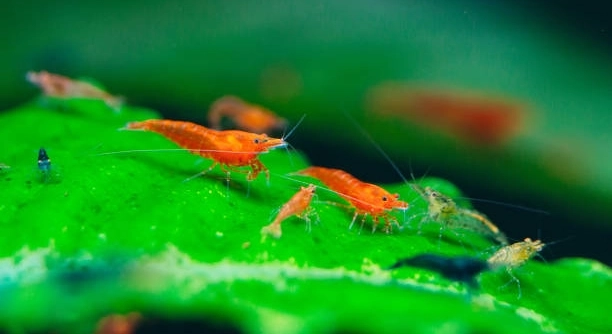
Are your cherry shrimp suddenly swimming toward the surface more than usual? Observing this behavior can be worrying, especially when you are unsure if it signals stress or a change in their environment. Understanding these patterns is important.
Cherry shrimp swimming upward is often caused by poor water quality, insufficient oxygen levels, or sudden environmental changes. These conditions can lead to stress or respiratory difficulties, prompting the shrimp to move toward the water’s surface in search of better conditions.
Recognizing these signs early can help maintain a healthy aquarium and prevent further issues with your shrimp’s well-being and activity levels.
Low Oxygen Levels
Low oxygen in the tank is a common reason cherry shrimp swim upward. When oxygen levels drop, shrimp instinctively move closer to the water surface, where oxygen is more plentiful. Poor water circulation, overcrowding, or insufficient aeration can all reduce oxygen availability. I noticed in my own tank that adding a small air stone made a big difference. Bubbles create movement on the water’s surface, allowing oxygen to mix evenly. Plants can also help oxygenate the water during daylight hours, but relying solely on them may not be enough. Checking oxygen levels with a test kit or observing fish and shrimp behavior is a good way to gauge if your tank needs adjustment. Regular water changes are another simple method to maintain oxygen balance.
Even a small drop in oxygen can make shrimp uncomfortable, causing them to seek better conditions near the surface.
Maintaining steady oxygen levels is crucial for shrimp health. Adding aeration devices, keeping the tank appropriately stocked, and monitoring water flow all contribute to creating a safe, stable environment. This prevents frequent surface swimming caused by stress and ensures shrimp stay active and healthy.
Poor Water Quality
Shrimp are very sensitive to changes in water parameters, including ammonia, nitrite, and nitrate levels.
High levels of toxins can force shrimp to move upward in search of cleaner water. Even small fluctuations in pH, temperature, or hardness can stress them. Testing water regularly helps detect these issues before they become severe. Removing uneaten food and debris is essential to prevent harmful buildups. In my experience, a tank that appears clean may still have rising nitrates, which subtle testing can catch. Avoid overfeeding and maintain a regular water change schedule to keep water parameters stable. Proper filtration also helps remove impurities and keeps the water well-balanced. Observing your shrimp’s behavior after water changes can indicate if conditions are improving. Consistency is key; sudden swings can be more stressful than slightly higher but stable parameters. By paying attention to water quality daily, you can prevent many health issues and keep your cherry shrimp swimming comfortably throughout the tank.
High Water Temperature
High water temperature reduces oxygen levels and stresses shrimp, making them swim near the surface. Even a few degrees above their preferred range can trigger this behavior.
I noticed in my tank that during hot summer days, cherry shrimp stayed close to the top. Warm water holds less oxygen, so they instinctively search for areas with more air contact. Using a thermometer helps monitor changes, and adding a small fan or adjusting room temperature can stabilize conditions. Rapid temperature shifts are especially harmful, so gradual changes are better. Maintaining a steady environment ensures shrimp stay comfortable and active.
Shrimp metabolism also increases with temperature, causing them to need more oxygen and feel stressed if it is insufficient. This can make them appear restless, swimming near the surface frequently. Consistent monitoring of both temperature and oxygen prevents repeated episodes of surface swimming. Even small adjustments, like moving the tank away from direct sunlight, can improve their behavior and overall health. Over time, a stable, cooler environment reduces stress and helps shrimp feed, molt, and reproduce normally.
Poor Filtration
Poor filtration allows debris and toxins to accumulate, which stresses shrimp and causes upward swimming. Maintaining a clean filter ensures better water quality.
Filters remove waste and prevent buildup of harmful chemicals, which directly affects shrimp health. In my tank, a slow or clogged filter made shrimp hover near the surface as they tried to escape the poor conditions. Regular maintenance, including rinsing filter media in tank water and checking for clogs, keeps water moving and clean. Proper filtration also stabilizes water currents and distributes oxygen evenly, reducing stress-related surface swimming.
Even a filter that seems adequate may not handle heavy bioloads. Observing shrimp behavior after cleaning the filter often shows immediate improvement. Choosing the right filter type for your tank size and population is important. Combining regular water changes with consistent filter upkeep creates a stable environment that keeps shrimp active, healthy, and less likely to cluster at the surface. A well-maintained filter ensures both cleanliness and proper circulation, supporting shrimp survival long-term.
Overcrowding
Overcrowding in the tank can stress cherry shrimp, causing them to swim upward in search of space. Too many shrimp in a small area reduces oxygen and increases competition for resources.
I noticed my shrimp became restless when the tank was crowded. Adding more space or reducing the population immediately improved their behavior and activity.
Low pH Levels
Shrimp are sensitive to acidic water, and low pH can make them uncomfortable. Water that is too acidic affects their gill function, prompting them to seek the surface for relief. Adjusting pH gradually with buffering agents or natural materials can restore balance and reduce stress.
Insufficient Hiding Spots
Shrimp feel exposed without enough hiding spots. Lack of shelters can cause them to swim near the surface to avoid stress from constant exposure or perceived threats.
Providing moss, plants, or decorations encourages natural behavior, reduces stress, and helps shrimp feel safe in the tank.
Why are my cherry shrimp swimming at the surface all the time?
Cherry shrimp often swim at the surface when they experience stress or discomfort in the tank. Common reasons include low oxygen, poor water quality, high temperature, or insufficient hiding spots. I noticed this behavior myself when I added new shrimp too quickly without checking water parameters. Ensuring consistent water quality, adding plants, and maintaining proper aeration usually solves the issue.
Can poor water quality really make shrimp swim upward?
Yes, water quality directly affects shrimp health. Ammonia, nitrites, or high nitrates can irritate shrimp and make them search for cleaner water near the surface. In my tank, even small changes in pH caused noticeable stress. Regular water testing, partial water changes, and cleaning uneaten food help maintain safe conditions. A stable, clean tank keeps shrimp active and prevents constant surface swimming.
Does temperature influence shrimp behavior?
High water temperatures lower oxygen levels and speed up shrimp metabolism, making them restless. I observed that during summer, shrimp swam near the surface more frequently. Using a thermometer to monitor tank temperature and making gradual adjustments helps stabilize their behavior. Avoid sudden temperature swings, and keep the tank away from direct sunlight for consistent conditions.
Can low oxygen cause this behavior?
Yes, low oxygen levels are one of the main reasons shrimp swim upward. Even a healthy-looking tank may have pockets of low oxygen if circulation is poor. Adding an air stone or adjusting filter flow improves oxygen distribution. Observing shrimp activity can reveal oxygen issues before they become serious, and proper aeration keeps them comfortable and reduces stress.
Do shrimp need hiding places to feel secure?
Shrimp rely on plants, moss, or decorations to feel safe. Without adequate shelters, they may swim near the surface to avoid feeling exposed. I added moss and small caves to my tank, which immediately reduced their surface swimming. Hiding spots also support molting and breeding, giving shrimp confidence and encouraging normal behavior throughout the tank.
Can overcrowding affect shrimp behavior?
Overcrowding increases competition for oxygen and food, which stresses shrimp and leads them to swim near the surface. I experienced this when I introduced too many shrimp at once. Reducing population density or enlarging the tank ensures each shrimp has enough space. Proper stocking levels prevent constant surface activity and promote healthier, calmer shrimp.
How can I improve shrimp behavior quickly?
Addressing water quality, oxygen levels, temperature, and hiding spots usually helps shrimp return to normal behavior. I found that small, consistent changes worked better than drastic adjustments. Regular water testing, proper filtration, and gradual environmental corrections create a stable tank. Observing shrimp daily allows early intervention, keeping them active and reducing surface swimming.
Are there long-term effects if I ignore this behavior?
Yes, chronic stress from poor water quality, low oxygen, or overcrowding can weaken shrimp, affect molting, and reduce lifespan. In my experience, consistent monitoring and maintenance prevented serious health issues. Ensuring a balanced, clean, and stable environment supports shrimp well-being and keeps them swimming naturally throughout the tank.
Can plants help reduce surface swimming?
Live plants provide oxygen, hiding spots, and water stabilization. In my tank, adding moss and floating plants reduced surface swimming almost immediately. Plants also absorb excess nutrients, which improves water quality. A planted tank creates a healthier, calmer environment for shrimp, encouraging normal behavior and less time spent near the surface.
How often should I check water parameters?
I check water parameters at least once a week, focusing on pH, ammonia, nitrite, nitrate, and temperature. Frequent testing helps catch small issues before they stress shrimp. Keeping a record of readings allows me to notice trends and prevent repeated surface swimming caused by fluctuating conditions. Consistency is key for long-term shrimp health.
Keeping cherry shrimp healthy and happy requires attention to their environment, and observing their behavior is a key part of care. When shrimp swim toward the surface, it often signals an underlying issue. Common causes include low oxygen, poor water quality, high temperature, insufficient hiding spots, or overcrowding. Each factor can affect shrimp differently, but all can make them uncomfortable or stressed. By paying attention to these signs, you can act before problems escalate. I noticed in my own tank that small changes, like improving aeration or adjusting water parameters, made a big difference in how active and calm my shrimp became. Observing behavior daily is an easy way to understand their needs and respond quickly.
Proper tank maintenance is essential to prevent surface swimming and maintain overall shrimp health. Regular water testing, partial water changes, and monitoring temperature and pH levels help create a stable environment. Filtration plays a major role in keeping the water clean and circulating oxygen evenly. Overcrowding should be avoided because too many shrimp in a small tank can reduce oxygen levels and increase stress. Providing hiding places, such as plants, moss, or small decorations, allows shrimp to feel secure and reduces their need to seek comfort at the surface. Even small adjustments, like moving the tank out of direct sunlight or adding a gentle bubbler, can significantly improve their well-being.
Consistency is the most important factor in shrimp care. Sudden changes in water parameters, temperature, or tank population can stress shrimp and lead to unusual behaviors, including surface swimming. By monitoring their environment and making gradual improvements, shrimp are more likely to stay healthy, feed normally, and reproduce successfully. I learned that creating a stable, balanced tank not only prevents unwanted behaviors but also enhances their natural activity. Paying attention to water quality, oxygen levels, tank setup, and population density ensures that your cherry shrimp thrive. With patience and consistent care, you can maintain a healthy tank where shrimp swim calmly throughout their habitat, displaying natural behavior rather than surfacing out of stress or discomfort.

Hello,
If you enjoy the content that we create, please consider saying a "Thank You!" by leaving a tip.
Every little bit helps us continue crafting quality advice that supports the health, happiness, and well-being of pets around the world, for pets of all shapes, sizes, and species.
We really appreciate the kindness and support that you show us!