
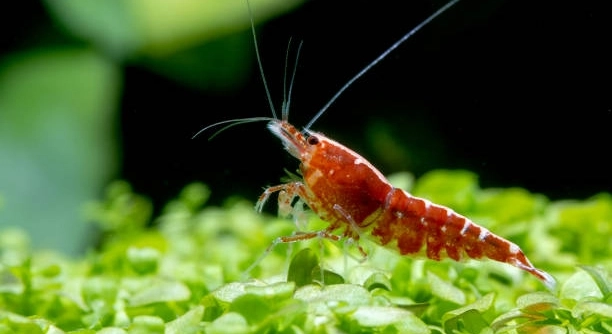
Have you ever noticed your cherry shrimp acting differently just before you change their water? Many shrimp owners observe subtle shifts in movement and behavior during these times. These small creatures respond to changes in their environment in unique ways.
Cherry shrimp can sense an impending water change primarily through chemical and environmental cues. Variations in water temperature, pH levels, and minor disturbances in their habitat signal the upcoming change, prompting behavioral adjustments such as hiding, clustering, or increased activity.
Recognizing these signs can help maintain a healthier aquarium. Observing your shrimp’s behavior offers insight into their comfort and the water’s stability.
How Cherry Shrimp Detect Changes in Water
Cherry shrimp are highly sensitive to the environment around them. They can detect small shifts in temperature, chemical composition, and water movement. Even minor changes in pH or dissolved oxygen levels can alert them that something in their tank is different. Shrimp rely on their antennae to sense these variations, allowing them to respond before the water is fully changed. Observing their behavior, you may notice them hiding in plants, clustering in corners, or moving more actively than usual. These reactions are natural and indicate that they are adjusting to signals in the water. Maintaining consistency in water parameters reduces stress for your shrimp. Even slight disturbances, like tapping the glass or adding decorations, can cause noticeable reactions. Understanding how they sense these changes can help you plan water maintenance more effectively and support their wellbeing. Their sensitivity is an advantage for detecting even minor shifts.
Shrimp detect water changes primarily through chemical signals. Their reactions are subtle but noticeable if you watch carefully.
By paying attention to how cherry shrimp behave before a water change, you can adjust maintenance routines to minimize stress. For instance, gradually introducing fresh water instead of large sudden changes helps them acclimate. Monitoring temperature, pH, and water hardness ensures a stable environment. Over time, observing these patterns will allow you to anticipate when a water change may affect their behavior. Using gentle filtration and consistent feeding routines also keeps the tank stable, reducing sudden shocks. Understanding these cues strengthens your ability to care for them. It also allows you to recognize when stress levels are high and take action promptly. Behavioral signals, combined with regular water testing, create a reliable system for maintaining their health. These shrimp respond more positively when changes are predictable and gradual, which helps them thrive. Overall, paying attention to environmental cues enhances both the health of your shrimp and the condition of the tank.
Preparing for a Water Change
A gradual water change is less stressful for shrimp. Small, consistent adjustments help them adapt.
Before performing a water change, test the water thoroughly. Measure pH, temperature, and other key parameters to ensure the new water matches the tank closely. Prepare the water by removing chlorine or chloramines and adjusting temperature if needed. Slowly introduce the fresh water, using a method like drip acclimation, so shrimp can adjust without sudden shock. Observe their behavior closely during this time; signs of stress may include frantic swimming, hiding, or clinging to surfaces. Feeding lightly beforehand can help keep them occupied. Cleaning the substrate and gently removing debris prevents additional stress. After the water change, monitor them for several hours to confirm they are calm and returning to normal activity. Over time, following these steps will make water changes predictable and safe, creating a stable environment where cherry shrimp can thrive, grow, and maintain vibrant coloration. Consistency and attention to detail are key in supporting their health and minimizing disruption.
Behavioral Changes Before Water Changes
Cherry shrimp often hide when a water change is approaching. They may cluster in plants or decorations, moving less than usual. Increased antenna movement or sudden bursts of swimming are also signs they are sensing a shift in their environment.
Observing these behaviors can help you understand how sensitive shrimp are to water quality. They react to small variations in temperature, pH, or chemical composition. Even vibrations from nearby activity can trigger subtle movements. Hiding, clustering, or cautious swimming indicates that they are detecting changes and preparing for the shift. Paying attention to these signals allows you to make adjustments slowly and reduce stress. Gradual acclimation and careful observation ensure shrimp remain healthy. Their natural instincts make them surprisingly aware of even minor disturbances in the tank.
Over time, you may notice patterns in their behavior before every water change. Some shrimp become more active for a short period, exploring the tank and testing water conditions. Others retreat to sheltered areas until conditions stabilize. Recognizing these patterns helps you plan water maintenance around their natural responses. Adjusting water parameters slowly and monitoring reactions ensures that shrimp remain comfortable. Small, consistent changes reduce stress, prevent illness, and support normal feeding and activity. Observing behavior closely can also reveal problems like ammonia spikes or temperature fluctuations, allowing quick intervention.
Tips for a Smooth Water Change
Gradually adjusting water conditions keeps shrimp calm. Sudden shifts in temperature or chemistry increase stress levels.
Start by testing your new water for temperature, pH, and hardness to match the tank. Use a drip or slow pour method to introduce fresh water. Avoid large, sudden changes, which can shock the shrimp. Keeping decorations and plants stable prevents unnecessary movement that may disturb them. Feeding lightly before the change helps keep shrimp occupied. Monitor their behavior closely during and after the process, looking for signs of stress or discomfort. These steps create a safe, predictable routine for regular maintenance.
Consistency is key to maintaining a healthy tank. Regular water changes at predictable intervals help shrimp adjust without stress. Gradually acclimating shrimp to new water prevents shock and keeps activity levels stable. Observing behavior before, during, and after the change helps detect potential issues early. Maintaining stable parameters like temperature, pH, and dissolved oxygen supports growth and vibrant coloration. Even minor disturbances can trigger hiding or frantic movement, so gentle handling is essential. Small, careful adjustments make shrimp feel secure, ensuring long-term health and well-being. Over time, these habits create a calm, balanced environment where shrimp thrive naturally.
Signs of Stress in Cherry Shrimp
Shrimp may flick their tails rapidly or cling to surfaces when stressed. Hiding in dense plants or decorations is also common.
Loss of color or reduced feeding can indicate prolonged stress. These subtle changes signal that water conditions or environmental factors may need attention.
Adjusting Water Parameters Gradually
Matching temperature, pH, and hardness between new and existing water prevents shock. Slowly introducing water in small increments allows shrimp to acclimate safely. Monitoring behavior during this process helps identify if further adjustments are needed, ensuring their comfort and reducing stress-related reactions.
Maintaining a Stable Tank
Consistent feeding, gentle filtration, and predictable water changes help keep shrimp calm. Stability in the environment supports overall health and normal behavior.
FAQ
How do I know if my cherry shrimp can sense a water change?
Shrimp display subtle behavioral shifts before a water change. You may notice them hiding more, moving cautiously, or flicking their antennae frequently. Some shrimp cluster in sheltered areas or stop feeding temporarily. These actions indicate they are responding to changes in water chemistry or movement in the tank. Observing these patterns over time helps you anticipate their reactions and adjust water changes to reduce stress.
How much water should I change at once?
A small, gradual water change of 10–20% is safest for cherry shrimp. Larger changes can shock them, especially if temperature, pH, or mineral levels differ between old and new water. Performing smaller, frequent changes keeps the environment stable and allows shrimp to adapt naturally.
Should I feed my shrimp before a water change?
Feeding lightly before a water change can help keep shrimp occupied, reducing stress from the disturbance. Avoid overfeeding, which could cause water quality issues. Light feeding helps them focus on eating instead of reacting to minor changes, making the process smoother for both shrimp and aquarist.
Can cherry shrimp sense water chemistry changes?
Yes, shrimp have highly sensitive antennae that detect chemical and temperature differences. Changes in pH, ammonia, or dissolved oxygen levels trigger behavioral responses. Even small shifts in water hardness or nitrate levels can prompt hiding, clustering, or unusual swimming, allowing shrimp to respond before conditions become harmful.
How long does it take shrimp to adjust after a water change?
Most shrimp stabilize within a few hours, but some may take up to a day, depending on the size of the change and their sensitivity. Monitoring behavior is key; active, feeding shrimp indicate they are comfortable, while prolonged hiding or erratic swimming may signal stress. Gradual acclimation speeds up adjustment.
Are all cherry shrimp equally sensitive to water changes?
Individual shrimp vary in sensitivity. Some are bold and explore the tank immediately, while others hide until conditions stabilize. Stress tolerance also depends on age, health, and tank stability. Observing behavior across your colony helps identify which shrimp may need extra care during water changes.
What can I do if shrimp seem stressed after a water change?
Check water parameters immediately and compare them to previous levels. Correct any large deviations in temperature, pH, or hardness. Ensure filtration is gentle and avoid unnecessary disturbances. Minimal handling, light feeding, and observing their behavior will allow shrimp to recover naturally.
Do decorations or plants affect their behavior during changes?
Yes, shrimp often hide or cling to plants and decorations when sensing changes. Dense foliage or shelters give them a sense of security, helping reduce stress during water changes. Arranging the tank with plenty of hiding spots supports calmer behavior and smoother acclimation during maintenance.
Can I train shrimp to get used to water changes?
While not traditional training, shrimp adapt to consistent routines. Performing water changes at the same interval and method reduces stress over time. Gradual adjustments help them anticipate changes, making them less reactive and maintaining stable activity levels throughout the process.
Is there a way to make water changes completely stress-free?
Complete stress elimination isn’t realistic, but minimizing shock is possible. Matching water parameters, using slow addition methods, and providing hiding spots all reduce stress. Observing shrimp behavior and keeping the tank stable ensures water changes are as safe and calm as possible, supporting long-term health.
How often should water changes be done for cherry shrimp?
Regular water changes depend on tank size, bioload, and filtration, but 10–20% weekly is common. Consistency is more important than volume. Predictable routines reduce stress, keep water chemistry stable, and allow shrimp to maintain healthy activity, coloration, and feeding behavior.
Can stress from water changes affect shrimp health long-term?
Repeated or sudden stress can weaken immune systems, reduce breeding, and cause molting issues. Gradual water changes, stable parameters, and minimal disturbance help prevent long-term health problems. Observing behavior and responding quickly to stress signs keeps shrimp thriving over time.
Do shrimp communicate stress to each other?
While shrimp don’t communicate like mammals, stressed individuals may influence others nearby. When one shrimp hides or becomes more active, others may mirror the behavior. Maintaining a calm environment and consistent water quality reduces the spread of stress throughout the colony.
Is water temperature the most important factor during changes?
Temperature is critical because shrimp are sensitive to sudden fluctuations. Even small differences can trigger hiding, frantic swimming, or reduced feeding. Matching new water temperature to tank conditions before introducing it minimizes shock and supports smooth acclimation.
How can I observe shrimp without stressing them further?
Use gentle lighting and avoid tapping the glass. Watch from a distance and note movement, hiding, or feeding patterns. Observing over time provides insight into their reactions to water changes while keeping them calm, ensuring accurate assessment of stress levels.
Cherry shrimp are small, sensitive creatures that respond quickly to changes in their environment. Water changes, even minor ones, can cause noticeable shifts in their behavior. Many shrimp will hide, move cautiously, or cluster in certain areas of the tank when they sense the water is different. Their antennae pick up changes in temperature, pH, and chemical composition, which helps them react before the new water is fully introduced. Observing these subtle behaviors can help you understand how aware they are of their surroundings. Paying attention to shrimp behavior is an important part of maintaining a healthy tank. When you notice changes in movement, feeding, or hiding patterns, it often signals that they are adjusting to their environment. Responding to these signs can help prevent stress and support their overall well-being.
Maintaining consistent water parameters is key to minimizing stress for cherry shrimp. Gradual water changes are much safer than large, sudden adjustments. Matching the temperature, pH, and hardness of the new water to the existing tank water allows shrimp to acclimate naturally. Using slow addition methods, like drip acclimation, can make a noticeable difference in their comfort. Providing hiding spots, plants, and decorations also reduces stress, giving them areas to retreat during maintenance. Regular observation helps identify potential issues early, whether it is water chemistry fluctuations or signs of illness. Keeping the tank environment stable allows shrimp to feed, explore, and molt normally. Over time, consistent care and gradual adjustments create a predictable routine that reduces fear and helps shrimp thrive in their habitat.
Understanding how cherry shrimp sense water changes can improve the overall health of your aquarium. By recognizing their behavioral cues, you can adjust water maintenance practices to be safer and less stressful. Careful planning, attention to water parameters, and monitoring their responses support long-term health. Even minor disturbances can be noticed by these sensitive creatures, so gentle handling and consistency are essential. Following these practices ensures that shrimp remain active, healthy, and well-adjusted to their environment. Observing their behavior not only helps with water changes but also gives insight into the overall condition of your tank. A stable, consistent environment benefits both shrimp and the entire aquatic ecosystem, allowing them to flourish naturally over time.

Hello,
If you enjoy the content that we create, please consider saying a "Thank You!" by leaving a tip.
Every little bit helps us continue crafting quality advice that supports the health, happiness, and well-being of pets around the world, for pets of all shapes, sizes, and species.
We really appreciate the kindness and support that you show us!