
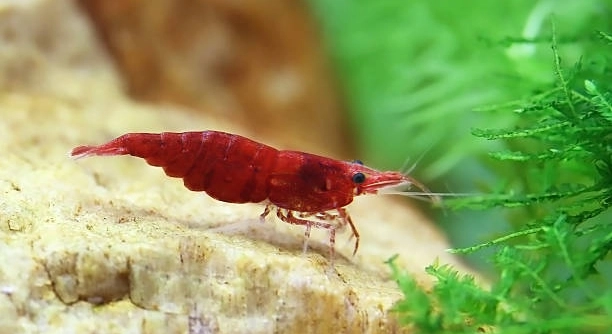
Do you ever find yourself staring at your shrimp tank, noticing tiny changes but unsure if they matter? Keeping a shrimp tank balanced takes attention, and small signs of trouble can easily go unnoticed until they worsen.
Shrimp tank imbalance is often indicated by changes in water parameters, unusual shrimp behavior, or visible deterioration of plants and substrate. Identifying these warning signs early allows for timely intervention, preventing stress, disease, or mass shrimp loss in the habitat.
Even minor shifts in tank conditions can have big effects on shrimp health. Recognizing these early signs will help you maintain a thriving, balanced environment.
Cloudy or Discolored Water
When the water in your shrimp tank turns cloudy or develops an unusual color, it is a clear sign that the ecosystem is out of balance. Cloudiness often results from excess waste, leftover food, or bacterial blooms. While a slight haze can occur naturally after feeding, persistent discoloration signals an underlying problem. Overfeeding is a common contributor, as uneaten food decays and releases nutrients that promote algae and bacterial growth. Poor filtration can also exacerbate the issue, preventing proper water circulation and removal of debris. Monitoring water parameters like ammonia, nitrite, and nitrate levels is essential, as chemical imbalances often accompany discoloration. Regular partial water changes can help restore clarity, but it is important to identify the root cause to prevent recurrence. Observing your shrimp’s behavior alongside water conditions provides additional clues. Sudden lethargy, hiding, or unusual swimming patterns often appear when water quality declines, emphasizing the need for timely intervention.
Cloudy water reduces oxygen levels, stressing shrimp and affecting their molting cycles. Immediate action is necessary.
Maintaining a clean tank involves routine care, including siphoning the substrate, avoiding overfeeding, and ensuring the filter is functioning correctly. Algae growth should be controlled manually or with live plants that absorb excess nutrients. Testing water weekly helps detect small imbalances before they escalate. Proper tank maintenance fosters a stable environment where shrimp can thrive, molt successfully, and reproduce. Clear water also allows for better observation of shrimp health, making it easier to notice changes in color, behavior, or growth. Combining preventive measures with responsive care ensures long-term tank balance and reduces the likelihood of sudden water issues.
Sudden Shrimp Deaths
Sudden shrimp deaths often indicate a serious imbalance that needs immediate attention.
Rapid shrimp loss is frequently linked to water parameter spikes, such as ammonia, nitrite, or pH changes. These chemicals are highly toxic in even small amounts and can kill sensitive shrimp quickly. Temperature fluctuations also contribute, as shrimp require stable conditions to thrive. Contaminants from cleaning agents, fertilizers, or new decorations may introduce toxins. Disease or parasitic infections may be present but are often exacerbated by poor water quality. Observing patterns in deaths, such as which species or ages are affected first, helps identify specific triggers.
Addressing sudden deaths requires testing and correcting water chemistry, performing partial water changes, and removing any decaying matter. Ensuring proper filtration and avoiding overcrowding are key preventive steps. Maintaining consistent feeding habits reduces stress and prevents water contamination. Quarantining new shrimp or plants can minimize the risk of introducing pathogens. A balanced diet with occasional supplements supports immunity and overall health. Shrimp are delicate, and small mistakes can have immediate consequences. Regular monitoring and prompt intervention create a safer habitat. Observing shrimp behavior, molting frequency, and coloration provides early warning signs. Recovery may take several days, and patience is essential while stabilizing conditions. Reestablishing a balanced tank ensures surviving shrimp can thrive without ongoing stress, reducing future mortality.
Excessive Algae Growth
Algae growth is natural, but when it overtakes the tank, it signals an imbalance. Too many nutrients, excessive light, or infrequent water changes often cause it. Controlling algae is crucial to maintain water quality and protect shrimp health.
Excessive algae can cover plants, decorations, and substrate, reducing swimming space and limiting access to food. It competes with shrimp for oxygen at night and can trap debris, increasing waste buildup. High nutrient levels, particularly nitrates and phosphates, fuel rapid algae growth. Overfeeding or decaying plant matter worsens the problem, and insufficient filtration can allow particles to accumulate. Regular cleaning, partial water changes, and balancing feeding practices help keep algae under control. Live plants can absorb nutrients, outcompeting algae naturally. Light exposure should be moderated, ideally no more than 8–10 hours daily.
Manual removal is necessary when algae grows too fast. Using algae-eating shrimp species or snails can help maintain balance. Avoid chemicals that may harm shrimp. Testing water regularly ensures nutrient levels remain appropriate. Rotating decorations and gently scrubbing surfaces prevents buildup. Adjusting lighting duration and intensity helps prevent recurrence. Patience is required, as overgrowth rarely disappears instantly. Consistent care and observation allow shrimp to flourish while algae stays manageable, maintaining a healthy tank environment for all inhabitants.
Unusual Shrimp Behavior
Shrimp behaving oddly, such as hiding constantly or swimming erratically, indicates stress or poor water conditions. Behavior changes often precede visible health problems.
Erratic or lethargic behavior can result from chemical imbalances, sudden temperature changes, or overcrowding. Stress weakens immunity, making shrimp more susceptible to disease and molting issues. Rapid movement, twitching, or hanging at the water surface often signals low oxygen or high toxins like ammonia. Conversely, hiding for extended periods may indicate predation risk, incompatible tankmates, or poor water quality. Monitoring shrimp closely helps detect subtle early warning signs, allowing intervention before conditions worsen.
Observing shrimp during feeding, molting, and resting periods provides insight into their overall well-being. Sudden changes in activity or coloration are significant indicators. Maintaining stable water parameters, sufficient hiding places, and gentle water flow reduces stress. Avoid sudden changes in temperature or water chemistry, and ensure proper diet to support health. Overcrowding or aggressive tankmates can worsen behavioral issues, so tank population management is important. Corrective measures may include partial water changes, aeration adjustments, or habitat restructuring. Consistency and patience are essential for restoring normal behavior.
Foul Odors
A strong, unpleasant smell coming from the tank usually indicates decaying food or waste buildup. Ignoring it can harm shrimp health and worsen water conditions quickly.
Regular cleaning, removing uneaten food, and performing partial water changes prevent foul odors. Proper filtration also keeps water fresh and balanced.
Molting Issues
Shrimp that struggle to molt or have incomplete molts often face stress or poor water quality. Inadequate calcium levels, sudden temperature shifts, and high ammonia or nitrite can interfere with molting. Molting is a critical process for growth and overall health, so monitoring water parameters is essential. Ensuring a stable environment, providing minerals, and maintaining clean water can reduce molting problems. Overcrowding and aggression from tankmates can also cause stress, making shrimp more vulnerable during molting periods. Observing shrimp during and after molting helps detect problems early and adjust conditions to support proper development.
Plant Decay
Dying or rotting plants release nutrients that disrupt water balance. Removing decaying leaves promptly prevents excess waste buildup and maintains a stable tank environment.
FAQ
What causes shrimp tank imbalance?
Shrimp tank imbalance usually stems from water parameter fluctuations, overfeeding, insufficient filtration, or decaying plant matter. High levels of ammonia, nitrite, or nitrate can stress shrimp and harm their health. Inconsistent temperature, overcrowding, and sudden chemical changes also contribute. Maintaining clean water and proper conditions prevents most issues.
How can I tell if water quality is poor?
Signs of poor water quality include cloudy or discolored water, foul odors, and algae overgrowth. Shrimp may become lethargic, hide excessively, or show erratic swimming. Testing ammonia, nitrite, nitrate, pH, and temperature regularly provides clear insights into water health.
Why are my shrimp dying suddenly?
Sudden shrimp deaths often result from chemical spikes, temperature changes, or contaminants. Even minor shifts in ammonia, nitrite, or pH can be lethal. Diseases may worsen under poor water conditions. Prompt water testing, partial changes, and removing decaying matter help prevent further losses.
How can I control algae growth?
Algae thrive on excess nutrients, light, and poor filtration. Reducing feeding, performing partial water changes, and balancing lighting duration help control it. Live plants can absorb nutrients, and manual removal prevents it from overtaking the tank. Certain shrimp or snails may also help keep algae in check.
Why are my shrimp behaving strangely?
Odd behavior like hiding, erratic swimming, or lethargy signals stress from poor water conditions, temperature changes, overcrowding, or aggressive tankmates. Monitoring shrimp activity during feeding and resting provides early warning signs. Stable water, proper diet, and sufficient hiding places support normal behavior.
What should I do if shrimp have molting problems?
Molting issues often occur due to low calcium, unstable water parameters, or stress. Ensure consistent temperature, clean water, and mineral supplementation. Avoid overcrowding and reduce aggression from tankmates. Observing shrimp during molting helps detect problems early and adjust conditions to support proper growth.
How do decaying plants affect my shrimp tank?
Rotting leaves release excess nutrients, increasing ammonia and promoting algae growth. This disrupts water balance and can stress shrimp. Removing decayed plant matter promptly, maintaining clean substrate, and monitoring water chemistry keeps the environment healthy. Healthy plants also provide hiding spots and natural filtration.
Can overfeeding harm my shrimp?
Yes, overfeeding leads to leftover food decaying in the tank, increasing ammonia and nitrate levels. Excess nutrients fuel algae and bacterial blooms, harming shrimp. Feeding small amounts and removing uneaten food ensures a balanced environment and reduces stress on shrimp.
How often should I test water parameters?
Weekly testing of ammonia, nitrite, nitrate, pH, and temperature is recommended. More frequent checks are needed after adding new shrimp, plants, or decorations. Regular testing helps detect small imbalances before they escalate into serious problems.
What is the best way to maintain a balanced shrimp tank?
Consistency is key. Feed carefully, remove uneaten food, perform partial water changes, and keep a stable temperature. Proper filtration, live plants, and monitoring water parameters help sustain balance. Observing shrimp behavior and molting ensures early detection of potential problems. A stable, clean environment supports long-term shrimp health and thriving growth.
How do I know if my shrimp tank is recovering?
Signs of recovery include clear water, reduced algae growth, active shrimp, regular molting, and normal behavior. Shrimp will explore freely, feed consistently, and show natural coloration. Maintaining consistent care and monitoring parameters confirms ongoing stability and helps prevent future imbalances.
Can I prevent future tank imbalances?
Yes, prevention involves routine maintenance, careful feeding, stable water parameters, and observing shrimp behavior. Quarantining new additions, controlling algae, and avoiding overcrowding reduces stress. Long-term vigilance ensures a healthy tank, thriving shrimp, and fewer sudden issues, making your tank easier to manage overall.
What should I do if problems persist despite corrections?
Persistent issues may indicate underlying contamination, disease, or incompatible tankmates. Conduct a full tank assessment, review water chemistry, and consider quarantining shrimp. Consulting experienced hobbyists or resources can provide additional strategies to restore balance and support shrimp recovery.
Final Thoughts
Maintaining a shrimp tank requires attention to detail, patience, and regular care. Even minor changes in water parameters or tank conditions can have a significant impact on shrimp health. Consistency is key, from feeding appropriate amounts to performing routine partial water changes. Monitoring water quality through regular testing helps detect small imbalances before they escalate. Observing shrimp behavior, activity levels, and molting patterns provides valuable insight into overall tank health. A balanced tank promotes shrimp growth, coloration, and natural behavior, while a neglected tank can quickly become stressful for its inhabitants. Paying close attention to water clarity, algae growth, and plant health ensures that the environment remains stable and safe.
Small mistakes, such as overfeeding or improper filtration, can create a chain reaction that affects the entire ecosystem. Excess nutrients from leftover food or decaying plants fuel algae blooms and bacterial spikes. Poor water circulation or insufficient filtration can worsen these problems by allowing debris and toxins to accumulate. Even with proper care, sudden changes in temperature or water chemistry may cause stress and impact shrimp health. Understanding how these factors interact helps prevent serious issues. Providing live plants, adequate hiding spaces, and stable environmental conditions creates a supportive habitat where shrimp can thrive. Regularly checking water parameters and removing waste helps maintain clarity and balance, keeping shrimp active and healthy.
Maintaining a shrimp tank is a combination of routine care, observation, and timely intervention. Paying attention to early warning signs such as cloudy water, unusual shrimp behavior, or decaying plants allows hobbyists to correct issues before they become severe. Algae control, proper feeding, and maintaining appropriate water chemistry are essential steps in sustaining a healthy ecosystem. While challenges may arise, consistent care and careful monitoring make it possible to enjoy a thriving shrimp tank. A balanced environment not only ensures the well-being of your shrimp but also enhances the overall aesthetic and enjoyment of the tank. With steady attention and small, thoughtful adjustments, a shrimp tank can remain healthy, vibrant, and rewarding over the long term.

Hello,
If you enjoy the content that we create, please consider saying a "Thank You!" by leaving a tip.
Every little bit helps us continue crafting quality advice that supports the health, happiness, and well-being of pets around the world, for pets of all shapes, sizes, and species.
We really appreciate the kindness and support that you show us!