
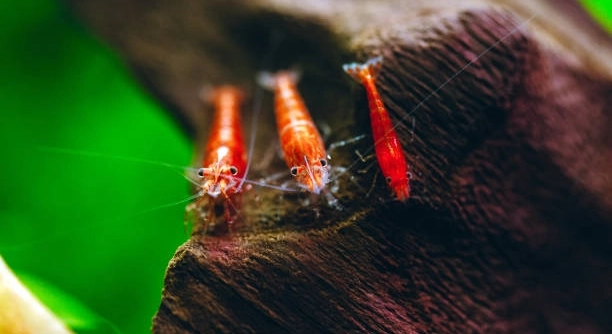
Do you ever notice your cherry shrimp moving quietly around their tank, sometimes clustering in little groups near plants or decorations? Watching them interact can make you wonder about their natural instincts and comfort in numbers.
Cherry shrimp show a clear preference for staying in groups, especially when faced with open spaces or potential threats. Grouping behavior provides a sense of security and reduces stress, which is crucial for their overall health and activity levels.
Observing their behavior closely can reveal patterns that help you create a more comfortable and enriching tank environment for them.
How Cherry Shrimp Use Hiding Spots
Cherry shrimp are naturally cautious creatures. In my experience, they spend most of their time near plants, rocks, or other decorations where they feel safe. Even in a well-planted tank, I noticed they often form small clusters in the corners or around dense foliage. These hiding spots give them a sense of security, especially when there are sudden movements or changes in light. Juvenile shrimp, in particular, are more likely to stay completely hidden until they grow larger. Providing enough shelters helps reduce stress, which makes them more active when they do emerge. I usually add moss, small caves, and floating plants so they have options. Over time, I realized the shrimp seem to coordinate their movements, often leaving and returning to hiding spots together. This behavior shows how important the environment is for their comfort and survival instincts.
Hiding in groups helps them feel safer and reduces the chance of panic when something changes in the tank.
Observing this behavior over several weeks revealed a consistent pattern. Even when the tank was calm, shrimp would gather near thick moss or behind stones. They rarely stayed alone for long, and those that ventured out first often returned quickly if others remained hidden. This tendency shows a social aspect tied to survival instincts rather than purely feeding needs. By arranging multiple hiding spots, I noticed they explored more confidently and interacted more. Without these secure areas, shrimp tend to stay in one corner, limiting their activity and natural behavior. Creating a balanced tank with plants, caves, and floating cover encourages them to move more freely while still feeling protected. Watching them coordinate their hiding and foraging made me appreciate how delicate and thoughtful their behavior is. Providing these options ensures they remain healthy, active, and less stressed over time.
Benefits of Group Hiding
Group hiding reduces stress and promotes natural behavior, helping shrimp feel secure and confident in their environment.
Shrimp that stay in groups while hiding are less likely to show signs of stress, such as hiding constantly or avoiding food. When I arranged my tank with multiple clusters of plants and small caves, I noticed they would move together more often. This behavior makes monitoring health easier because stressed shrimp tend to become lethargic or show changes in color. Additionally, group hiding helps them molt safely. When they shed their exoskeleton, being near others in a protected space reduces the risk of attacks or disturbances. I also observed that shrimp seem to communicate subtly through movement, as they often follow each other when leaving hiding spots to feed. This social pattern improves overall activity, encouraging them to graze and explore while remaining alert. Overall, creating a tank that supports group hiding not only makes them feel secure but also encourages natural behaviors that improve growth, color, and vitality.
Observing Group Behavior
I noticed that cherry shrimp often move in small clusters, especially near plants or decorations. Even when food is available, they rarely venture out alone. Their movement seems coordinated, with some shrimp acting as guides while others follow closely.
Tracking their activity over several weeks showed a clear pattern of group cohesion. When one shrimp explored a new area, others cautiously followed after a short delay. This behavior suggests a natural instinct to stay close for safety, especially in unfamiliar spaces. Juveniles were the most cautious, rarely leaving the cover of moss or dense plants. Adults maintained the pattern but were slightly bolder. Even during feeding times, the shrimp often returned to their original hiding spots once they felt exposed. I arranged the tank to mimic this behavior with multiple hiding clusters, giving them options for secure exploration. Their coordinated movement shows a strong social instinct tied to survival rather than just feeding needs.
Watching their group behavior also revealed subtle communication signals. Shrimp often pause, flick their antennae, or move slightly in response to others, indicating awareness of each other’s actions. These tiny signals help maintain cohesion and alert the group to potential threats. Over time, I noticed that shrimp rarely stray far from the cluster, even if food is plentiful. This pattern highlights the importance of providing multiple hiding areas to allow natural movement and social interaction. It also made me more attentive to their comfort and the balance of open space versus cover. Properly arranged, the tank encourages healthy, active shrimp while respecting their natural instincts.
Benefits of Group Cohesion
Group cohesion helps reduce stress, increase feeding efficiency, and improve overall health for cherry shrimp. Staying together provides security and supports natural behavior patterns.
Shrimp that remain in groups are less likely to hide constantly or avoid food. I observed that clusters tend to share areas with optimal shelter and grazing space. When one shrimp finds food, others join quickly, which increases overall feeding efficiency. This collective movement also protects vulnerable shrimp, especially juveniles, during molting or in exposed areas. Over time, the tank seemed more balanced, with shrimp moving confidently between hiding spots and feeding zones. Group cohesion encourages natural activity, reduces stress-related behaviors, and supports growth and coloration. Ensuring multiple clusters and hiding spaces allows shrimp to maintain social bonds and safely explore their environment. Proper arrangement of plants, rocks, and caves enhances this effect, creating a comfortable and stimulating habitat that promotes health and vitality for all shrimp in the tank.
Tank Setup for Comfort
Adding plants, moss, and small hiding spots makes shrimp feel secure. I noticed they immediately gravitate toward dense areas, especially after any sudden movements or light changes.
Spacing decorations evenly allows them to explore safely without feeling exposed. Multiple clusters encourage natural group movement and reduce stress.
Feeding and Group Behavior
Cherry shrimp often feed in small groups near hiding areas. When I scatter food, some shrimp emerge first, followed by others, keeping the group close. This behavior ensures even feeding and reduces risk, especially for younger shrimp. Coordinating feeding with hiding spots supports natural instincts and activity.
Signs of Stress
Shrimp that avoid group hiding or stay isolated often show stress. Pale colors, sluggish movement, and constant hiding indicate discomfort or insecurity in the tank.
Maintaining a Balanced Tank
Regular cleaning, stable temperature, and proper plant care help maintain a balanced environment. Healthy conditions encourage shrimp to move confidently while keeping their natural grouping behavior intact.
How many cherry shrimp should I keep together?
Cherry shrimp feel most secure in groups of at least five to ten. I found that smaller numbers often stay hidden and rarely explore, which limits their natural behavior. Larger groups encourage movement, social interaction, and more confident feeding. Keeping too many in a small tank can cause overcrowding, so balance is important. Multiple hiding spots help even larger groups feel safe without stressing each other. Juveniles especially benefit from group presence, as they learn to navigate the tank by following older shrimp.
Do cherry shrimp prefer certain types of hiding spots?
Yes, they favor dense plants, moss, and small caves. In my tank, floating plants also provided cover that made them feel safe while exploring. Shrimp tend to return to the same preferred spots repeatedly, showing strong site fidelity. Smooth rocks, driftwood, and aquarium decorations with crevices are ideal. I noticed that they rarely hide under plain, bare surfaces, even if there is shade. Providing variety ensures they can choose according to size, age, and comfort level. This variety also encourages natural behavior, such as grazing and climbing.
Will cherry shrimp leave hiding spots for food?
They do, but cautiously. I scatter food near their preferred clusters, and usually, a few brave adults emerge first, with the rest following slowly. Juveniles take longer to leave cover and often wait until a group moves together. This behavior reduces stress and risk, mimicking their natural instincts in the wild. I also observed that spacing food near multiple hiding spots encourages more movement and prevents dominant shrimp from monopolizing feeding areas. Their cautious but coordinated feeding shows their reliance on safety in numbers.
Can group hiding prevent stress and illness?
Absolutely. Shrimp that remain in secure groups are less likely to develop stress-related behaviors such as color fading, lethargy, or excessive hiding. I noticed that shrimp in tanks with plenty of hiding spots and companions had stronger coloration, molted safely, and were more active. Stress weakens immunity, so supporting natural hiding instincts indirectly improves overall health. Ensuring environmental stability, like maintaining water parameters and avoiding sudden disturbances, works together with group hiding to promote longevity and vitality.
Do cherry shrimp interact while hiding in groups?
Yes, subtle interactions occur. I observed antennae touches, small nudges, and coordinated movement when one shrimp decided to leave a hiding spot. These tiny signals help the group stay connected and aware of potential threats. Even without direct physical contact, their behavior is synchronized, suggesting an instinctual social awareness. Juveniles often mimic older shrimp, learning how to move safely and locate food. Providing multiple hiding clusters encourages these interactions naturally, supporting both social and survival instincts.
How does tank size affect group hiding?
Tank size greatly influences their behavior. In smaller tanks, shrimp may feel cramped and overly cautious, leading to excessive hiding. Larger tanks allow multiple clusters of hiding spots, letting them explore safely and form dynamic social groups. In my experience, spacing plants, moss, and decorations evenly encourages exploration and natural coordination. Overcrowding should be avoided, as it can increase stress despite group hiding. Adjusting the number of shrimp to tank size ensures comfort, allowing them to express instinctive behaviors fully while staying secure.
Should hiding spots be changed frequently?
Not frequently, but occasional adjustments help maintain activity. I keep the main clusters in place for consistency, but adding a new moss patch or small cave every few weeks encourages exploration. Sudden, large changes can stress shrimp, but small updates refresh their environment. Observing which spots are most used helps me decide where to place new shelters, ensuring that every shrimp has access to safe areas while stimulating natural behavior. Changing spots gradually maintains comfort while keeping their environment engaging.
Do cherry shrimp prefer to hide with their own kind only?
Yes, they usually group with other cherry shrimp. In my tank, they rarely interact closely with snails or other small fish while hiding. Group hiding is instinctual and tied to survival, so their coordination and following behavior are mostly species-specific. Adding other shrimp varieties may influence their social patterns slightly, but cherry shrimp typically stick together. This preference ensures better communication, safer molting, and coordinated feeding, all of which are enhanced when they are with their own kind.
How long do cherry shrimp spend hiding daily?
It depends on age, tank conditions, and perceived safety. I noticed juveniles spend the majority of daylight hours hiding, while adults emerge more frequently. After feeding or disturbances, most shrimp return to hiding spots for rest or security. Hiding is a natural rhythm that varies with light, tank activity, and social dynamics. Proper tank setup with adequate hiding areas ensures shrimp can regulate their exposure safely, maintaining health and reducing stress without limiting natural exploration.
Does lighting affect group hiding?
Yes, light intensity and duration influence hiding behavior. I found that shrimp prefer low to moderate lighting near dense plants or shaded areas. Bright light causes them to cluster more tightly or stay completely hidden. Using adjustable lighting and providing shaded zones allows them to control their exposure naturally. Consistent light schedules help them establish routines, balancing activity and rest. Properly managed lighting ensures they feel secure while supporting feeding, exploration, and group cohesion throughout the day.
Cherry shrimp are fascinating little creatures, and observing their behavior has taught me a lot about how important hiding in groups is for their comfort and safety. They are naturally cautious, and being in a cluster near plants or decorations helps them feel secure. I noticed that when the tank has multiple hiding spots, they are more confident and active. Even shy or juvenile shrimp will venture out when they see others moving first. Providing dense plants, moss, and small caves allows each shrimp to choose a place that suits its size and personality. Over time, these options encourage natural behaviors, like grazing, climbing, and coordinating movements with others. Without enough hiding places, shrimp often stay in one corner, limiting their activity and sometimes even losing their vibrant coloration. A well-arranged tank balances open spaces for exploration with secure clusters for safety.
Group hiding is more than just a comfort mechanism; it directly affects the health and well-being of cherry shrimp. I observed that shrimp in small groups or tanks with minimal cover often showed stress behaviors, such as remaining completely hidden, moving slowly, or showing duller colors. In contrast, those with access to multiple hiding clusters moved more confidently, molted safely, and interacted with others in subtle ways. They use tiny signals like antennae touches and small nudges to coordinate movement, which demonstrates their instinctual awareness of each other. Juvenile shrimp, in particular, learn from older shrimp how to safely explore and find food. Proper tank setup, stable water conditions, and a balanced number of shrimp per tank all contribute to supporting this group behavior. By respecting their instincts, it’s possible to create an environment that keeps them healthy, active, and vibrant.
Watching cherry shrimp form groups and coordinate hiding behavior also shows how social their instincts are, even in such tiny creatures. They rarely act alone for long, and their movements are carefully timed with the group. Providing them with options to hide and explore encourages more natural activity and reduces stress-related problems. I found that even small adjustments, like adding a moss patch or rearranging a small cave, increased their confidence and engagement with the environment. Group hiding supports not only their sense of security but also their ability to feed efficiently and interact safely during molting. By understanding and observing these patterns, it’s easier to create a tank environment that aligns with their instincts. In the end, cherry shrimp thrive when they have both companions and secure spaces, and paying attention to their behavior can make caring for them both simple and rewarding.

Hello,
If you enjoy the content that we create, please consider saying a "Thank You!" by leaving a tip.
Every little bit helps us continue crafting quality advice that supports the health, happiness, and well-being of pets around the world, for pets of all shapes, sizes, and species.
We really appreciate the kindness and support that you show us!