
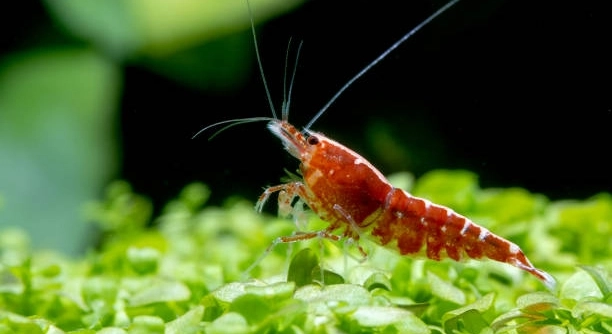
Shrimp are fascinating creatures with delicate exoskeletons that need to be shed for growth. Observing their behavior before molting reveals subtle changes that signal this important transformation. These small shifts can tell us a lot about their needs.
Before shrimp molt, they exhibit predictable behaviors such as hiding, reducing activity, and adjusting their diet. These actions help minimize stress, protect their soft bodies, and ensure a successful molt, which is crucial for growth and overall health.
Recognizing these behaviors allows shrimp keepers to provide the right environment and care during this vulnerable period. Proper observation can support their wellbeing and smooth the molting process.
Hiding in Tight Spaces
Shrimp instinctively seek out secluded areas before they molt. Hiding provides safety as their soft new exoskeleton leaves them vulnerable to predators and even tank mates. You may notice them tucked under rocks, plants, or ornaments more often than usual. During this time, they minimize movement and avoid open spaces, which reduces stress and potential injury. Observing this behavior is important because it signals that a molt is imminent. Their color may also slightly change, becoming paler or more translucent. Offering ample hiding spots in your tank can make this period less stressful for them. Many shrimp keepers notice that creating small caves or dense plant areas helps shrimp molt successfully. It’s also common for them to remain in these spaces for several hours or even a full day before shedding. These behaviors are natural and indicate healthy molting cycles.
Providing secure hiding areas ensures shrimp feel safe and reduces the risk of molting complications.
Shrimp will often rotate between hiding spots while adjusting their body for molting. This cautious movement helps align their new exoskeleton properly and prevents damage. During this period, they may lightly scrape surfaces or test textures with their antennae. The combination of seclusion and careful movement is critical for a smooth molt. Ensuring the tank is stable, with minimal disturbances, supports this behavior. Observing these small actions gives insight into the shrimp’s readiness and overall health. Overcrowded tanks or sudden environmental changes can disrupt this process, so maintaining calm surroundings is essential.
Reduced Eating
Shrimp frequently decrease their food intake before molting.
As their bodies prepare for shedding, digestive activity slows down. They may ignore regular feeding times or leave uneaten food in the tank. This reduction helps conserve energy for the molt and minimizes stress on their soft exoskeleton. Some shrimp may only nibble lightly or focus on algae, avoiding heavier meals. Understanding this change prevents overfeeding and helps maintain water quality. It’s also an indication that the shrimp is entering a critical phase where careful observation and tank management are necessary to support successful molting.
Monitoring feeding patterns provides valuable information about shrimp health. Reduced eating signals the need for patience and careful care. During this stage, it’s important to avoid sudden water changes or adding new tank mates, as these stressors could interfere with molting. Maintaining a clean tank with stable parameters and offering nutritious but easily digestible food can support the shrimp’s recovery after the molt. Over time, keeping track of these patterns allows for better planning of feeding schedules and tank maintenance, ensuring the shrimp continue to thrive and molt without complications.
Color Changes
Shrimp often exhibit subtle color changes before molting. Their bodies may appear paler, more translucent, or slightly dull. This shift reflects the softening of their exoskeleton and the preparation for shedding. Observing these changes can help determine the timing of their molt and overall health.
The fading of color is caused by a reduction in pigment visibility as the old exoskeleton loosens. During this period, shrimp may also show slight translucence, particularly along the edges of their body and tail. This change is natural and temporary, usually reversing once the molt is complete. Color shifts are often accompanied by other behaviors like hiding or reduced activity. Noticing these subtle cues allows you to anticipate molting and provide optimal care, such as maintaining stable water conditions and reducing disturbances in the tank.
Some shrimp may also develop faint patterns or streaks during this stage, highlighting structural changes beneath the old exoskeleton. These patterns are harmless and indicate the progression of molting. Observing this behavior alongside hiding and reduced eating gives a clearer picture of when a molt is imminent. Ensuring plenty of safe spaces and minimal tank stress supports the shrimp during this vulnerable period. Once molting is complete, colors typically return to normal, often appearing brighter and more vivid, signaling healthy growth and successful shedding.
Resting Periods
Shrimp tend to rest more frequently as molting approaches.
Resting allows energy to be conserved for the complex molting process. During this time, shrimp reduce movement and remain stationary in safe areas. This behavior is crucial for a successful molt and minimizes the risk of injury. Frequent rest periods may last several hours and are often interspersed with short exploratory movements. These moments of inactivity are natural and should not be mistaken for illness.
Extended resting also helps shrimp regulate their internal processes and prepare for exoskeleton shedding. The energy saved supports muscle control and body flexibility during the molt. Resting may occur at different times of day, with some shrimp showing longer periods of inactivity in the morning or evening. Observing these patterns alongside changes in hiding, eating, and color provides a comprehensive understanding of molting readiness. Providing a calm, stable environment ensures shrimp can rest without interruptions, which is vital for completing a successful molt and emerging with a healthy new exoskeleton.
Antennae Movement
Shrimp often move their antennae more deliberately before molting. This behavior helps them sense their surroundings while remaining cautious. They test surfaces and gauge space to ensure safety during the vulnerable shedding process.
Increased antennae activity also assists in detecting nearby tank mates or disturbances. By carefully waving and tapping, shrimp can navigate tight spaces and avoid risks while preparing to molt.
Cling to Surfaces
Shrimp frequently cling to plants, rocks, or decorations before molting. This grip provides stability and prevents slipping while their old exoskeleton loosens. Maintaining a secure hold is essential to complete a smooth molt without injury.
Slight Shaking
Shrimp may exhibit subtle shaking or trembling before molting. This motion helps loosen the old exoskeleton and prepares the body for shedding. It is a normal, temporary behavior and indicates the shrimp is nearing the molting stage.
Reduced Social Interaction
Shrimp often reduce interaction with tank mates as molting approaches. They may avoid others or isolate themselves in small spaces, prioritizing safety and minimizing stress during this delicate period.
FAQ
Why is my shrimp hiding more than usual?
Shrimp hide before molting to protect themselves while their exoskeleton softens. This is a natural survival instinct. Providing plenty of plants, rocks, or other shelters ensures they feel safe and reduces stress. Hiding behavior typically increases a few hours to a full day before the molt occurs.
Why has my shrimp stopped eating?
A decrease in food intake is common prior to molting. Shrimp slow digestion to conserve energy for the shedding process. They may nibble lightly or ignore food altogether. Avoid overfeeding during this time, as leftover food can degrade water quality and add unnecessary stress.
How can I tell when my shrimp is about to molt?
Look for hiding, color changes, reduced activity, and increased antennae movement. Pale or slightly translucent coloration is a strong indicator. Resting frequently and clinging to surfaces are additional signs that a molt is imminent. Observing these behaviors together gives a clear picture.
What should I do to support shrimp during molting?
Maintain stable water conditions and avoid sudden changes. Ensure there are secure hiding spots and minimal disturbances in the tank. Providing a clean environment with appropriate nutrition before the molt helps them recover quickly. Avoid handling or moving them during this sensitive time.
Can shrimp molt more than once in a week?
Juvenile shrimp molt more frequently as they grow, sometimes multiple times a week. Adults molt less often, typically every few weeks. Frequent molting in adults may indicate stress, poor water conditions, or overfeeding, so monitoring water quality and tank stability is important.
Is it normal for shrimp to be pale after molting?
Yes, newly molted shrimp often appear paler and more translucent. Their new exoskeleton is soft and gradually hardens over hours to days. During this period, color will intensify, and patterns may become more vivid as the shell strengthens.
Why do shrimp shake before molting?
Subtle shaking helps loosen the old exoskeleton and positions the body for a smooth molt. This behavior is temporary and normal. Shaking is often paired with clinging to surfaces and minimal movement to ensure the process is completed safely.
How long does the molting process take?
The active shedding can take a few minutes to several hours depending on the shrimp species and size. Complete recovery, including hardening of the new exoskeleton, may take 24–48 hours. Stable water conditions and minimal stress improve the success of this process.
Can other shrimp harm a molting shrimp?
Yes, other shrimp or tank mates may nip at the soft exoskeleton. Providing hiding spaces reduces interactions and protects vulnerable shrimp. Some aggression is natural but can be minimized with sufficient shelter and a balanced tank population.
Should I remove uneaten food during molting?
Yes, removing excess food helps maintain water quality. Molting shrimp are less active and may not eat, so leftover food can decay and create stress. Keeping the tank clean ensures a safer environment for delicate shrimp.
Why do some shrimp hide for longer periods than others?
Individual shrimp have different comfort levels and stress responses. Some may remain hidden for hours, others for an entire day. The amount of hiding depends on species, tank conditions, and perceived safety. Observing patterns over time helps predict their behavior before molting.
How do water conditions affect molting?
Stable water parameters are critical. Sudden changes in temperature, pH, or hardness can stress shrimp and complicate molting. Consistent maintenance and careful monitoring of water quality support healthy molts and reduce the risk of incomplete shedding or deformities.
Is reduced social interaction normal before molting?
Yes, shrimp often isolate themselves to avoid potential threats. Limited interaction with tank mates minimizes risk and allows focus on preparing for the molt. Providing small hiding areas ensures shrimp can safely retreat without disrupting the tank’s dynamics.
What is the best diet to support molting?
A diet rich in calcium and essential nutrients strengthens the new exoskeleton. Algae, specialized shrimp food, and occasional vegetable supplements provide minerals necessary for growth. Proper nutrition before and after molting promotes successful shedding and healthy recovery.
How can I help a shrimp that seems stuck during molting?
Intervention is risky, but ensuring excellent water quality, hiding spaces, and minimal disturbance improves chances. Some stuck molts resolve naturally, while stress or rough surfaces can complicate recovery. Handling should be avoided unless absolutely necessary, as it may cause injury.
Molting is one of the most critical processes in a shrimp’s life. Observing their behavior before a molt can provide valuable insight into their health and well-being. Shrimp display several consistent behaviors, including hiding, reduced eating, and subtle color changes. These actions are natural and serve to protect them during a vulnerable period. By paying attention to these behaviors, shrimp keepers can ensure that their pets are supported with the right environment and minimal stress. Proper observation helps prevent accidents or issues during the molt, such as incomplete shedding or injuries caused by tank mates or rough surfaces. Providing a calm, stable environment is one of the simplest ways to support shrimp during this delicate phase.
Stable water conditions are essential for successful molting. Changes in temperature, pH, or water hardness can create stress, making it harder for shrimp to shed their exoskeletons properly. Clean water, consistent filtration, and careful monitoring of parameters are crucial during this time. Adequate hiding spaces such as plants, rocks, and decorations also reduce stress and allow shrimp to move safely. Even small changes in the tank, like rearranging decorations or adding new shrimp, can impact their comfort and safety. Keeping track of shrimp behavior and anticipating a molt allows you to maintain an environment that minimizes risk and encourages healthy growth. Nutrition plays a role as well, particularly for younger shrimp that molt more frequently. Providing a balanced diet with sufficient minerals and calcium helps ensure that their new exoskeleton develops strong and healthy, supporting overall longevity and vitality.
Patience is one of the most important qualities a shrimp keeper can have. Shrimp may hide for extended periods, reduce food intake, or exhibit subtle movements that indicate a molt is approaching. These behaviors are not a cause for concern when observed in context. Each shrimp is slightly different, and timing can vary based on age, species, and tank conditions. Paying attention to small details, such as increased antennae movement or clinging to surfaces, allows you to predict and respond to their needs. Understanding these behaviors and providing proper care ensures that shrimp can molt safely and continue to grow without complications. In the end, observing and supporting shrimp during molting not only promotes their health but also deepens your understanding of their natural habits, making tank management more effective and rewarding over time.

Hello,
If you enjoy the content that we create, please consider saying a "Thank You!" by leaving a tip.
Every little bit helps us continue crafting quality advice that supports the health, happiness, and well-being of pets around the world, for pets of all shapes, sizes, and species.
We really appreciate the kindness and support that you show us!