
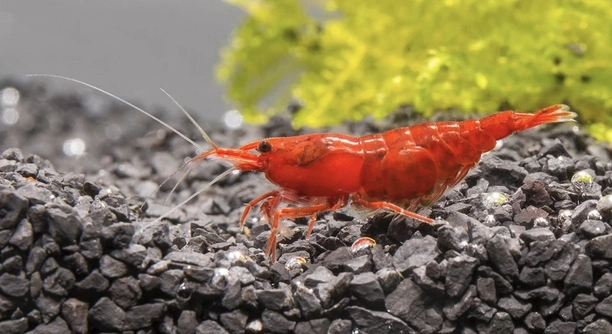
Are your cherry shrimp showing new colors, leaving you unsure if the change is temporary or lasting? Observing these small creatures can be fascinating, especially when their vibrant hues shift before your eyes. Changes in color often catch attention.
Cherry shrimp color changes are not always permanent. Variations can result from diet, water quality, age, genetics, or stress. While some color shifts stabilize over time, others may reverse, depending on environmental and physiological conditions affecting the shrimp.
Understanding the reasons behind these changes can help you manage your tank and maintain the shrimp’s health and appearance effectively. Observing the factors influencing their coloration is essential for long-term care.
Factors Affecting Cherry Shrimp Color Changes
Cherry shrimp can change color due to a mix of environmental, dietary, and genetic factors. Water parameters like pH, temperature, and hardness play a strong role. Poor water quality can stress shrimp, causing fading or dulling of their colors. Diet is equally important; foods rich in carotenoids, such as algae and shrimp-specific flakes, promote vibrant reds and oranges. Genetics also influence color potential. Even within the same tank, some shrimp may naturally display deeper reds while others remain paler. Age affects coloration as well. Younger shrimp often show lighter, more translucent bodies, while adults develop their full color intensity. Stress, including frequent handling or aggressive tank mates, can cause temporary color loss. Monitoring these factors ensures shrimp maintain their desired hues and overall health. Regular tank maintenance, balanced feeding, and gentle handling help keep their colors stable over time. Observing these influences makes it easier to manage changes effectively.
Color changes in cherry shrimp are often gradual and reversible. Adjusting diet and environment can restore natural hues.
Maintaining optimal conditions is key. A stable, clean environment prevents stress-related color fading. Consistent feeding with carotenoid-rich foods enhances red pigmentation, while avoiding sudden water changes minimizes shock. Selecting shrimp with strong genetic color lines ensures more vibrant offspring. Regular observation helps detect early signs of fading, allowing timely adjustments. Even minor tweaks, like adding natural plant cover, can make shrimp feel secure, improving coloration. Over time, shrimp adapt, and stable conditions help maintain consistent coloring. Paying attention to both physical and behavioral changes allows better care. This approach ensures your shrimp remain healthy and visually striking, creating an attractive, lively tank. Simple steps such as careful monitoring, gentle handling, and high-quality nutrition can make a significant difference in preserving their natural colors. By understanding these factors, you can enjoy a tank of cherry shrimp with lasting vibrancy and vitality.
Permanent vs Temporary Color Changes
Temporary color changes are common in cherry shrimp. Shifts in water conditions, stress, or diet can cause fading, which often returns once conditions improve.
Permanent changes occur when genetics or long-term environmental factors influence pigmentation. Some shrimp may never regain full color if stress persists or their genetic line produces paler individuals. High-quality care, stable water parameters, and proper nutrition improve the likelihood of maintaining vibrant colors. Avoiding chronic stressors and maintaining a balanced diet helps shrimp reach their genetic potential. Observation over weeks is necessary to determine whether a change is temporary or lasting. In some cases, a shrimp that appears dull may gradually develop brighter hues as it matures, especially when provided with optimal food and environment. Tracking water parameters and feeding routines closely ensures you can identify patterns and respond quickly to fading. Consistent care allows shrimp to display their best colors, while poor management can lead to irreversible fading. Keeping a journal of changes helps understand trends and make informed adjustments for long-term tank health.
Improving Cherry Shrimp Color
Providing a balanced diet rich in carotenoids directly impacts the red intensity of cherry shrimp. Foods like algae wafers, spirulina, and shrimp-specific flakes help enhance their natural hues and maintain consistent coloration over time.
Diet is a powerful tool for influencing shrimp color. Including a variety of natural and commercial foods ensures they receive enough pigments to bring out deep reds and oranges. Overfeeding should be avoided, as leftover food can affect water quality, indirectly stressing shrimp and dulling their colors. Live or frozen foods such as daphnia or brine shrimp add nutrients and help promote healthy pigmentation. Combining different food sources ensures shrimp get both variety and essential vitamins, supporting their overall health. A steady feeding routine maintains stability in both growth and color, reducing fluctuations caused by sudden dietary changes. Watching shrimp responses to new foods can guide adjustments for optimal coloration results.
Consistency in feeding and water quality produces noticeable results over weeks. Shrimp gradually develop richer tones and maintain their brightness longer. Observing their behavior and appearance helps track which diet combinations work best.
Tank Conditions and Their Impact
Stable water parameters reduce stress and preserve shrimp color. Avoid large fluctuations in temperature, pH, and hardness to maintain vibrant pigmentation.
Water quality directly affects color intensity. Frequent water changes, proper filtration, and avoiding overcrowding help reduce stress, which prevents fading. Natural plant cover offers hiding spots, making shrimp feel secure and more likely to display their true colors. Monitoring ammonia, nitrite, and nitrate levels is essential. Maintaining temperature around 22-26°C and slightly acidic to neutral pH supports both health and coloration. Hardness adjustments may be necessary for certain strains to reach their color potential. Observing shrimp during and after water changes ensures they adapt without stress. A calm environment allows them to feed and molt properly, which further enhances pigmentation. Tank mates should be chosen carefully to avoid aggression. Proper lighting also influences visibility and perceived vibrancy, making colors appear more pronounced. Simple, consistent care in tank management can significantly improve and stabilize cherry shrimp coloration over time.
Stress and Its Effects on Color
Stress causes cherry shrimp to lose vibrancy quickly. Aggressive tank mates, overcrowding, and sudden environmental changes can all trigger fading and dulling of their colors.
Reducing stress improves coloration. Providing hiding spots, maintaining stable water conditions, and avoiding frequent handling allow shrimp to regain and display their natural hues over time.
Molting and Color Changes
Molting temporarily affects color. Shrimp often appear paler before shedding their exoskeleton and regain brightness afterward. Proper nutrition and stable conditions support healthy molting cycles.
Genetics and Color Potential
Genetics determine how intense a shrimp’s coloration can become. Some lines naturally produce deeper reds, while others remain lighter despite optimal care. Understanding genetic limits helps set realistic expectations for color outcomes.
Observation and Monitoring
Regular observation is key. Tracking color changes and environmental conditions allows adjustments that support shrimp health and maintain vibrant coloration.
FAQ
Why are my cherry shrimp losing color suddenly?
Sudden color loss is usually linked to stress or changes in water conditions. Even minor fluctuations in temperature, pH, or hardness can cause shrimp to appear pale. Overcrowding or aggressive tank mates also increase stress, leading to fading. Checking water parameters and ensuring a calm environment often helps shrimp regain color.
Can diet really change my shrimp’s color?
Yes, diet plays a major role. Foods high in carotenoids, like spirulina, algae wafers, and shrimp-specific flakes, enhance red and orange tones. Live or frozen foods like daphnia or brine shrimp also provide pigments. A varied, balanced diet supports natural coloration over time.
Do all cherry shrimp change color in the same way?
No, genetics influence how shrimp develop color. Some strains naturally display deep reds, while others remain lighter. Environmental factors affect all shrimp, but genetic limits determine the maximum intensity of their hues.
How long does it take for color changes to become permanent?
Color changes are usually gradual. Temporary fading can reverse in weeks with stable conditions and proper nutrition. Permanent changes generally result from genetics or long-term stress. Observing shrimp over several molting cycles helps determine if color shifts are lasting.
Does molting affect shrimp color?
Yes, shrimp often appear pale before molting and regain brightness afterward. Proper nutrition and a stable environment help ensure successful molts and recovery of full coloration. Frequent stress during molting can cause prolonged dullness.
Can stress make shrimp revert to a lighter color permanently?
Chronic stress can have lasting effects. While short-term stress causes temporary fading, continuous exposure to poor water quality, aggression, or improper handling may prevent shrimp from regaining full intensity. Minimizing stress is key for maintaining their colors.
Will adding plants help improve color?
Plants create natural hiding spots, which reduce stress and allow shrimp to feel secure. A calm environment encourages feeding, proper molting, and natural coloration, making reds and oranges more vivid. Dense plant coverage can make a noticeable difference over time.
Is it normal for young shrimp to be pale?
Yes, juvenile shrimp often appear lighter and more translucent. As they grow and molt, their full coloration develops. Diet, water quality, and genetics influence how quickly they reach their adult hues.
How do I know if a color change is permanent or temporary?
Temporary changes often coincide with stress, water fluctuations, or dietary shifts. Permanent changes are usually linked to genetics or long-term environmental conditions. Monitoring water parameters, feeding routines, and shrimp behavior over several weeks helps distinguish the two.
Do tank mates affect shrimp coloration?
Yes, aggressive or larger fish can stress shrimp, causing fading. Peaceful, compatible tank mates minimize stress, allowing shrimp to display their true colors. Observing interactions is important to ensure shrimp feel safe and maintain vibrant hues.
Can lighting influence how colors appear?
Lighting does not change actual pigmentation but affects visibility. Proper lighting enhances red and orange tones, making colors appear richer. Overly dim or harsh lighting may make shrimp look paler than they are, even if health and nutrition are optimal.
Is it possible to improve color once it has faded?
Yes, improving diet, stabilizing water parameters, reducing stress, and providing proper tank conditions can help shrimp regain vibrancy. Results may take weeks, but consistent care often restores natural colors in most individuals.
Are some shrimp naturally unable to develop deep colors?
Genetics set the limits for color potential. Even with perfect care, certain shrimp lines will not achieve deep reds or bright hues. Recognizing genetic limits helps manage expectations while still maintaining healthy, happy shrimp.
Does water hardness affect shrimp color?
Yes, hardness influences overall health and pigment expression. Soft water may make colors appear dull, while stable, slightly hard water can support brighter coloration. Consistency in water parameters is more important than exact hardness levels.
Can stress from frequent handling affect coloration?
Repeated handling causes temporary fading. Shrimp may retreat or lose color until they feel secure again. Minimizing handling preserves natural pigmentation and reduces overall stress.
Is fading always a sign of illness?
Not always. Fading often relates to stress, diet, or molting rather than disease. However, if color loss is accompanied by lethargy, unusual swimming, or lack of appetite, illness should be considered and water quality tested.
How does age influence shrimp color?
Young shrimp are lighter and develop full color gradually. Older shrimp may fade slightly with age or during periods of stress, but maintaining proper care helps retain intensity as much as possible.
Can introducing new shrimp affect existing ones’ color?
Yes, new shrimp can create temporary stress due to competition or territorial behavior. Existing shrimp may fade briefly until they adapt. Providing plenty of hiding spots and space reduces color loss during introductions.
Are color changes reversible?
Many color changes are reversible with proper care. Temporary fading caused by stress, diet, or water fluctuations often improves over weeks once conditions stabilize. Permanent changes usually stem from genetics or long-term environmental issues.
Does seasonal change affect coloration?
Seasonal changes can influence water temperature and light cycles, which may temporarily alter shrimp color. Maintaining stable indoor tank conditions helps minimize seasonal impacts and keeps colors consistent.
How important is water clarity for color?
Clear water improves visibility and helps colors appear more vibrant. Murky or dirty water can make shrimp look dull even if pigmentation is healthy. Regular maintenance is essential for both health and aesthetic appearance.
Can adding supplements help maintain color?
Certain supplements, like carotenoid-rich powders, support pigment expression. Using them alongside a balanced diet and stable tank conditions enhances natural coloration and prevents fading over time.
How do I prevent long-term fading?
Consistent water quality, balanced diet, minimal stress, proper lighting, and observing shrimp behavior prevent fading. Long-term care ensures they display their natural colors throughout life.
Is it normal for some shrimp to never show bright red colors?
Yes, genetics determine maximum pigmentation. Some shrimp remain lighter regardless of diet or environment. Understanding this helps set realistic expectations while keeping them healthy and thriving.
How often should I monitor shrimp for color changes?
Weekly observation is sufficient. Track feeding behavior, water parameters, and interactions to detect early signs of fading or stress. Regular monitoring ensures timely adjustments to maintain vibrant coloration.
Can stress from poor filtration affect shrimp color?
Yes, inadequate filtration can create unstable water conditions, stressing shrimp and causing fading. Proper filtration ensures clean, stable water, supporting both health and color expression.
Do shrimp show color differences based on location in the tank?
Shrimp in shaded areas or near plants may appear darker or lighter depending on lighting. Positioning can affect perception but does not change actual pigmentation.
Are there signs that color changes are diet-related?
Yes, shrimp may lose red tones if carotenoid intake is low. Introducing pigment-rich foods often restores intensity within a few weeks. Observing changes after dietary adjustments confirms the effect.
Can shrimp recover from permanent fading?
Permanent fading due to genetics cannot be reversed, but most stress-related or diet-related color changes can improve with proper care. Maintaining ideal conditions maximizes overall coloration potential.
How long should I wait to see improvements after making changes?
Color restoration usually occurs gradually over weeks or across several molts. Patience and consistent care are crucial for observing measurable improvements.
Does tank size impact shrimp coloration?
Smaller, overcrowded tanks increase stress and can lead to fading. Providing adequate space and hiding spots reduces stress and supports vibrant color expression.
How do I balance multiple factors to maintain color?
Focus on stable water parameters, a balanced diet, minimal stress, proper lighting, and observation. Addressing all factors together ensures shrimp maintain healthy, vivid colors.
Can water additives improve coloration?
Certain additives with minerals or pigments may support color expression, but they cannot replace a balanced diet or stable environment. Proper care remains the most effective method.
Do stress signs always include fading?
Fading is common but not the only sign. Shrimp may also hide, stop feeding, or show unusual behavior. Combining observation with water testing helps identify stress causes.
How important is consistency in shrimp care for color maintenance?
Consistency is critical. Regular feeding, stable water conditions, and minimal stress help shrimp retain their natural colors. Sudden changes are more likely to trigger fading and behavioral issues.
What role does lighting duration play in coloration?
Proper lighting duration ensures shrimp are visible and supports natural rhythms. Excessive light can stress shrimp, while too little may make colors appear dull. Balance is key for maintaining optimal appearance.
Can shading or decor affect perceived color?
Yes, plants, rocks, and decorations create shadows that can change how colors appear. Vibrancy is often enhanced by placing shrimp in well-lit, calm areas.
Is it possible for shrimp to over-pigment?
Shrimp cannot over-pigment naturally. Pigmentation levels are limited by genetics and diet. Proper care supports maximum expression without risk of over-saturation.
How does water temperature influence color?
Stable temperature supports metabolism and coloration. Sudden drops or spikes can stress shrimp, causing temporary fading. Keeping a consistent range prevents unnecessary color fluctuations.
Are some water parameters more critical than others for color?
pH, hardness, and temperature directly affect stress and pigmentation. Stability is more important than exact numbers, as sudden changes have a larger impact than slight deviations within ideal ranges.
Can stress from breeding affect color?
Yes, breeding cycles and competition can temporarily reduce vibrancy. Ensuring sufficient hiding spots and space minimizes stress and helps maintain coloration.
How do I know when color change is diet versus stress?
Diet-related changes respond to new pigment-rich foods within weeks. Stress-related fading improves when environmental conditions stabilize. Observing both factors together helps identify the primary cause.
Should I separate shrimp during stressful periods to preserve color?
Providing temporary shelter or reducing tank density helps stressed shrimp regain color. Complete separation is rarely necessary unless aggression is severe.
Can supplements replace a proper diet for color maintenance?
Supplements support pigment expression but cannot fully replace a balanced diet. High-quality food is essential for long-term coloration and health.
Do shrimp display different colors at night?
Shrimp may appear darker or less vibrant at night due to lighting. True pigmentation remains the same and is more visible during daylight or proper tank illumination.
Is color loss always gradual?
Often, yes. Gradual fading occurs with stress or dietary changes. Sudden drastic fading may indicate acute stress or water issues requiring immediate attention.
Can repeated stress cycles permanently dull shrimp color?
Yes, repeated or prolonged stress may prevent full color recovery, even with improved care. Minimizing stress is key to preserving their natural appearance.
How do I encourage gradual color improvement?
Maintain stable water conditions, provide a varied diet with pigments, reduce stress, and allow proper molting cycles. Gradual improvements are more sustainable than rapid interventions.
Does shrimp behavior indicate potential color changes?
Yes, hiding, reduced feeding, or erratic swimming often precedes fading. Observing behavior allows early intervention before noticeable color loss occurs.
Are some shrimp strains more sensitive to environmental changes?
Yes, certain strains show color fluctuations more readily under stress or dietary changes. Awareness of strain sensitivity helps in setting realistic care expectations.
Is it worth investing in premium shrimp food for color?
Yes, high-quality shrimp food ensures sufficient pigments, vitamins, and nutrients, supporting vibrant coloration and overall health. Cost is offset by better appearance and shrimp longevity.
Can shrimp adapt to minor water changes without losing color?
Gradual, small adjustments are tolerated better than sudden changes. Proper acclimation reduces stress and helps shrimp maintain color.
Do shrimp show individual color differences even in the same tank?
Yes, genetics, age, and social interactions create variations. Even with identical conditions, some shrimp naturally display deeper or lighter tones.
Can shading help stressed shrimp regain color?
Providing shaded areas reduces stress by giving shrimp secure spots to hide. Feeling safe encourages natural feeding and molting, which supports brighter coloration.
How long should I monitor color changes before adjusting care?
Observe for several weeks, ideally across multiple molting cycles. Tracking gradual changes helps distinguish temporary fading from permanent shifts and guides effective interventions.
Are water additives safe for long-term color maintenance?
Most mineral or pigment supplements are safe if used as directed. They should complement a stable diet and environment rather than replace them.
Does tank cleaning affect shrimp color?
Regular, gentle cleaning maintains water quality without stressing shrimp. Avoiding drastic changes during cleaning preserves natural pigmentation and overall health.
Can adult shrimp recover from prolonged fading?
Yes, if the cause is environmental or dietary. Genetics limit maximum intensity, but most shrimp regain significant vibrancy with proper care over time.
Do seasonal water temperature swings impact long-term color?
Minor seasonal swings may cause temporary fading. Maintaining indoor tank stability reduces long-term impact on pigmentation and shrimp health.
Are there visual signs of diet-related fading besides paleness?
Shrimp may appear less vibrant overall, with muted reds and oranges. Observing feeding response and recovery after dietary changes confirms if pigments were lacking.
How much does tank size influence color retention?
Adequate space reduces stress and competition, supporting vibrant coloration. Overcrowding often leads to fading, even with perfect diet and water conditions.
Can improper lighting permanently affect color?
Lighting mainly affects perceived color. Poor lighting does not permanently alter pigmentation but may make shrimp appear duller over time. Correct lighting improves visual vibrancy.
Do shrimp need a varied diet for long-term coloration?
Yes, variety ensures all necessary pigments and nutrients are available, promoting sustainable, vivid coloration and supporting overall health.
How often should I adjust diet to maintain color?
Regular feeding with a balanced mix of foods is sufficient. Adjustments are only necessary if shrimp show fading or if water conditions change.
Does stress from molting cycles reduce color intensity?
Temporary dullness occurs during pre-molt. Proper care allows shrimp to regain full color after shedding, ensuring minimal long-term impact.
Can tank decorations influence stress-related fading?
Yes, hiding spots from plants or ornaments reduce stress and support bright coloration by allowing shrimp to feel secure while feeding and molting.
Is it normal for older shrimp to gradually fade?
Yes, age-related fading occurs in some shrimp. Maintaining optimal care slows the process, helping them retain as much vibrancy as possible.
Can repeated breeding cycles permanently dull color?
Repeated cycles may temporarily reduce intensity. With proper nutrition, hiding spots, and water quality, shrimp often regain color between cycles.
Does water movement affect color?
Strong currents can stress shrimp, causing fading. Gentle filtration and moderate water flow support healthy pigmentation.
Are shrimp color differences more noticeable in groups or individually?
Individual differences are always present, but group contrast can make variations more visible. Genetics and environmental factors influence each shrimp differently.
How important is patience in observing color changes?
Patience is essential. Gradual changes take time to manifest, and consistent care is more effective than quick fixes for maintaining vibrant coloration.
Can stress from predators or shadows affect color?
Yes, perceived threats can cause fading. Providing secure areas minimizes stress and encourages shrimp to show true coloration.
Is it normal for shrimp to show temporary color spikes?
Yes, after feeding, molting, or low stress periods, shrimp may appear brighter. These spikes often stabilize with continued care and stable conditions.
Do shrimp revert color after diet improvements?
Yes, introducing pigment-rich foods often restores reds and oranges. Recovery can take a few weeks but is usually noticeable with consistent feeding.
Does shading or lighting color temperature affect perceived vibrancy?
Yes, warm light enhances reds, while cool light may mute them. Adjusting lighting improves perceived coloration without changing actual pigmentation.
Can long-term stress prevent shrimp from reaching full color potential?
Yes, chronic stress reduces intensity. Consistent care, hiding spots, and stable conditions maximize natural color expression over time.
Are shrimp coloration changes reversible after environmental correction?
Most stress or diet-related changes are reversible. Genetics or age-related fading are permanent, but proper care ensures shrimp regain as much vibrancy as possible.
Does tank size impact long-term coloration stability?
Larger, less crowded tanks reduce stress and support consistent coloration. Overcrowding or small tanks increase stress, leading to prolonged fading despite good care.
Is it normal for some shrimp to never reach deep red hues?
Yes, genetics limit maximum pigmentation. Even with optimal conditions, certain shrimp lines remain lighter or more translucent.
Can water temperature fluctuations affect color during molting?
Yes, sudden temperature changes can stress shrimp, causing paleness before and after molting. Stable conditions help maintain consistent coloration.
Do shrimp ever display color differences based on behavior?
Yes, shy or hiding shrimp may appear paler, while active shrimp in open areas often show more vivid colors. Behavioral observation helps assess true pigmentation.
How do I track gradual improvements in color?
Observe weekly, note changes after feeding or water adjustments, and compare across molting cycles. Gradual improvement confirms successful interventions.
Can supplements accelerate color recovery?
Supplements with pigments may speed recovery slightly, but consistent diet, water stability, and stress reduction are far more important for lasting results.
Is it normal for shrimp to fade after aggressive interactions?
Yes, brief pale periods occur after conflict. Recovery happens once shrimp feel secure again and stress levels decrease.
How often should I check water parameters for color maintenance?
Weekly monitoring of pH, hardness, temperature, and nitrates ensures stable conditions, reducing fading and supporting long-term vibrancy.
Can shrimp adapt to minor environmental changes without losing color?
Yes, gradual adjustments are tolerated. Sudden, large changes trigger fading, but slow adaptation allows shrimp to maintain pigmentation.
Do some shrimp strains show more dramatic color changes?
Yes, certain strains are more sensitive to diet or stress, making changes more noticeable than others under similar conditions.
Can stress from cleaning affect coloration?
Occasional, gentle cleaning is fine. Abrupt, aggressive cleaning or large water changes can temporarily stress shrimp and cause fading.
Is it normal for shrimp color to fluctuate daily?
Minor fluctuations occur due to activity, lighting, or molting stages. These are temporary and usually stabilize under consistent conditions.
Can temperature and pH combined cause color loss?
Yes, interacting changes in water chemistry and temperature increase stress, leading to fading. Maintaining both within safe ranges supports stable coloration.
Do shrimp ever regain color after relocation?
Yes, given stable water, hiding spots, and proper feeding, shrimp can recover coloration even after being moved to a new tank.
Can color fade indicate early health issues?
Sometimes. If fading occurs with lethargy, lack of appetite, or unusual behavior, water quality or disease should be investigated.
Does consistent light-dark cycles help maintain color?
Yes, predictable lighting
Maintaining the color of cherry shrimp requires attention to multiple factors. Their coloration is influenced by genetics, diet, water quality, and stress levels. Genetics set the limits for how vibrant a shrimp can become. Even with perfect care, some shrimp naturally display lighter tones. Understanding these limits helps set realistic expectations and avoids unnecessary concern when colors appear less intense. While environmental and dietary improvements can enhance pigment expression, the baseline color is determined by heredity. Accepting this helps focus on providing consistent care rather than attempting to force dramatic changes that may not be possible.
Diet is one of the most effective ways to support coloration. Foods rich in carotenoids, like algae flakes, spirulina, and specialized shrimp foods, provide the pigments that enhance red and orange tones. Adding live or frozen foods, such as brine shrimp or daphnia, introduces additional nutrients that support both health and vibrant pigmentation. Consistency in feeding is important; sudden dietary changes can stress shrimp and temporarily dull their colors. Overfeeding should be avoided, as uneaten food can affect water quality, which in turn impacts shrimp appearance. By combining a balanced diet with stable water conditions, shrimp gradually develop brighter colors over multiple molting cycles. Observing their response to dietary adjustments allows you to fine-tune feeding habits for the best results.
Water quality and stress management are equally important for maintaining color. Stable water parameters, including temperature, pH, and hardness, reduce stress and support overall health. Overcrowding, aggressive tank mates, or sudden environmental changes can cause fading or temporary loss of vibrancy. Providing hiding spots through plants or decorations allows shrimp to feel secure, encouraging natural feeding and molting behaviors. Molting is another period where shrimp may appear paler, but proper nutrition and calm conditions ensure they regain full color afterward. Regular monitoring of water quality, feeding routines, and shrimp behavior is necessary to detect issues early. Small, consistent steps in care—like gentle water changes, careful handling, and a balanced diet—help shrimp display their natural coloration while maintaining health and longevity.

Hello,
If you enjoy the content that we create, please consider saying a "Thank You!" by leaving a tip.
Every little bit helps us continue crafting quality advice that supports the health, happiness, and well-being of pets around the world, for pets of all shapes, sizes, and species.
We really appreciate the kindness and support that you show us!