
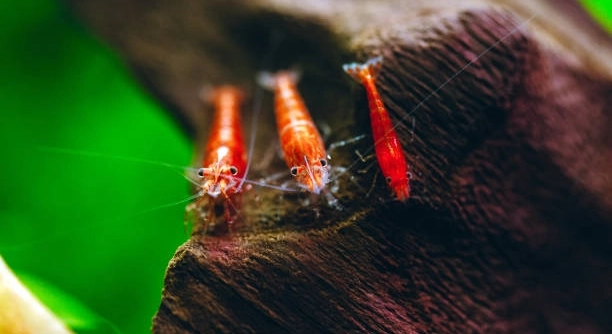
Introducing a new group of shrimp to your tank can be an exciting experience, but it also comes with responsibilities. Ensuring a smooth transition requires preparation, careful observation, and understanding the specific needs of your aquatic pets.
Before adding a shrimp group, it is crucial to assess water parameters, tank size, and compatibility among species. Proper quarantine procedures, monitoring for stress, and gradual acclimation help prevent disease outbreaks and maintain overall colony health.
Following these checks will make the introduction safer and more successful, supporting a healthy and harmonious environment for your shrimp community.
Check Water Parameters First
Shrimp are very sensitive to changes in water conditions. Before introducing a new group, test the tank for ammonia, nitrites, nitrates, pH, and temperature. Stable water conditions prevent stress and reduce the risk of illness. Even small fluctuations can affect their molting cycles and overall activity. Adjust levels gradually if needed, as sudden changes can shock the shrimp. It is also important to ensure that hardness and mineral content match the species’ requirements. Using a reliable test kit gives a clearer picture of the tank’s environment. Observing current shrimp behavior can indicate if water conditions are suitable. If older shrimp appear lethargic or hide frequently, it may signal issues that need correction before adding new individuals. Proper filtration and regular water changes help maintain a healthy balance. Taking these steps will increase the chances of a successful introduction and keep your shrimp thriving.
Monitoring water after changes is just as important as testing initially.
Consistently stable water fosters molting, reproduction, and natural behavior, creating a reliable environment for both new and established shrimp populations. Regular observation allows for quick intervention if problems arise, keeping your shrimp healthy and active.
Quarantine New Shrimp
Isolating new shrimp before adding them to the main tank reduces disease transmission risks.
A quarantine period of at least two weeks helps identify health issues such as parasites or bacterial infections. Keeping new shrimp in a separate tank allows careful monitoring of behavior, feeding, and molting. During this time, it is easier to treat any signs of illness without affecting established shrimp. Quarantine tanks should replicate the main tank’s water parameters closely to reduce stress. Feeding should be consistent, and regular water changes maintain cleanliness. Observing for color changes, lethargy, or unusual activity gives early warning signs. Quarantine also helps new shrimp acclimate gradually to the water chemistry and temperature, making their eventual transfer smoother. After the period, if shrimp show no signs of illness, they can be slowly introduced. This precaution not only protects your current colony but also improves survival rates for newcomers, ensuring a healthy, balanced tank.
Assess Tank Size and Space
Shrimp need enough room to move freely and establish territories. Overcrowding leads to stress, aggression, and higher disease risk.
A properly sized tank supports a healthy shrimp population by giving each individual space to feed, molt, and hide. Smaller tanks with too many shrimp can quickly accumulate waste, affecting water quality. Plants, decorations, and hiding spots further influence available space. Dense vegetation offers security but can also reduce swimming areas if overcrowded. When planning a new group, calculate shrimp density based on tank volume and existing inhabitants. Ensuring sufficient space helps maintain natural behavior and reduces competition, allowing shrimp to thrive and reproduce. Regular observation of activity levels can indicate whether the tank meets their needs or requires adjustments.
Providing both open swimming areas and adequate hiding spots creates balance, letting shrimp explore and retreat comfortably while supporting overall health and social stability.
Compatibility Among Species
Different shrimp species vary in temperament, size, and water requirements, which affects compatibility. Stress or predation can occur if mismatched species are introduced.
Researching each species’ ideal water parameters, diet, and behavior is essential before grouping. Mixing aggressive or significantly larger shrimp with smaller, more timid species may lead to constant hiding or injury. Even species that seem peaceful can display territorial behavior during molting or feeding. Observing existing shrimp interactions helps determine which newcomers will integrate smoothly. Gradual introduction, monitoring for signs of stress, and maintaining plenty of hiding spots are key strategies for ensuring harmony. Understanding social hierarchies and species-specific needs reduces conflict and improves survival. Proper planning minimizes losses and supports a balanced, active tank.
When species are compatible, shrimp display natural behaviors, including feeding, exploring, and breeding. Balanced grouping encourages a vibrant, thriving tank environment that benefits all inhabitants.
Gradual Acclimation
Sudden changes in water conditions can shock shrimp. Slowly acclimating them helps reduce stress and improves survival rates.
Floating the bag in the tank and gradually mixing tank water over a period of time allows shrimp to adjust to temperature and chemistry differences safely.
Observe Behavior Closely
Watch for signs of stress or illness during the first days after introduction. Lethargy, hiding, or unusual swimming indicate adjustment issues. Monitoring ensures problems are caught early and allows timely intervention to protect the entire colony.
Maintain Proper Filtration
A good filter keeps water clean and stable. Efficient filtration removes debris and prevents harmful chemical buildup, supporting shrimp health and reducing the risk of disease.
Provide Hiding Spots
Shrimp need places to hide, especially during molting. Rocks, plants, and decorations offer security and reduce stress, encouraging natural behavior and survival.
FAQ
How long should I quarantine new shrimp?
Quarantining shrimp for at least two weeks is recommended. This period allows you to observe for diseases, parasites, or abnormal behavior without risking the health of your main tank. Water conditions in the quarantine tank should closely match the main tank to reduce stress.
Can I mix different shrimp species?
Yes, but only if their water requirements, temperament, and size are compatible. Some species are more aggressive or territorial, which can stress or harm smaller or timid shrimp. Proper research and gradual introduction are essential. Provide hiding spots to reduce conflict and encourage natural behaviors.
How do I acclimate shrimp to a new tank?
Float the bag containing shrimp in the tank for 15–20 minutes to match temperatures. Slowly add small amounts of tank water over 1–2 hours to help them adjust to water chemistry. This gradual acclimation reduces stress and improves survival.
What are common signs of stress in shrimp?
Lethargy, excessive hiding, loss of color, or reduced feeding are clear signs. Molting issues, such as difficulty shedding exoskeletons, also indicate stress. Address water parameters, tank mates, and hiding spots immediately if these signs appear.
How often should I check water parameters?
Test key parameters like ammonia, nitrite, nitrate, pH, and temperature at least once a week. More frequent checks may be necessary when introducing new shrimp. Consistent monitoring prevents sudden changes that can harm shrimp.
What type of filter is best for a shrimp tank?
Sponge filters or gentle filters that don’t create strong currents are ideal. They remove debris and support beneficial bacteria while minimizing the risk of shrimp being sucked into the intake. Regular cleaning ensures efficiency without harming shrimp.
How many shrimp can I keep in a tank?
Stocking depends on tank size and available space. Overcrowding increases stress, disease risk, and competition for food. Provide enough room for swimming and hiding. A general guideline is one shrimp per two liters of water, but adjust based on tank setup.
Do shrimp need hiding spots?
Yes. Plants, rocks, and decorations provide security during molting and reduce stress. Hiding spots also encourage natural behavior and can improve breeding success. A mix of open swimming space and secure shelters is ideal.
Can I feed shrimp the same food as fish?
Shrimp need specialized food rich in minerals and protein for healthy growth and molting. While they may nibble on leftover fish food, rely on shrimp-specific pellets, algae wafers, or blanched vegetables to meet nutritional needs.
How do I know when shrimp are ready to breed?
Healthy, well-fed shrimp with stable water conditions often show pre-breeding behaviors like bright coloration, active swimming, and females carrying eggs under their abdomen. Providing hiding spots and varied diet encourages successful breeding.
What should I do if a shrimp dies?
Remove dead shrimp immediately to prevent water contamination and disease spread. Check water parameters and observe remaining shrimp for signs of stress or illness. Adjust feeding, filtration, and tank maintenance as needed to maintain a healthy environment.
Can shrimp live with other tank inhabitants?
Compatibility depends on size, temperament, and diet. Small, non-aggressive fish often coexist peacefully. Larger or predatory fish may harm or eat shrimp. Providing hiding spots and observing interactions is essential when mixing species.
How important is water stability for shrimp?
Water stability is crucial. Sudden changes in temperature, pH, or hardness can stress shrimp, affect molting, and increase mortality. Maintain consistent conditions and avoid abrupt adjustments to ensure health and longevity.
Do I need to remove shrimp during tank cleaning?
Generally, shrimp do not need removal if you clean carefully. Avoid strong currents, sudden water changes, or disturbing substrate too aggressively. Partial water changes and gentle cleaning protect shrimp and maintain water quality.
How do I prevent disease in a shrimp tank?
Quarantine new shrimp, maintain stable water parameters, and provide a balanced diet. Avoid overfeeding, overcrowding, and mixing incompatible species. Regular observation helps detect issues early, allowing prompt treatment and minimizing losses.
Can I use tap water for a shrimp tank?
Tap water can be used if treated with a dechlorinator and adjusted for pH, hardness, and temperature. Shrimp are sensitive to chlorine, chloramine, and sudden chemical changes. Testing and adjusting water ensures a safe environment for all inhabitants.
What is the best way to introduce a new shrimp group?
After quarantine and acclimation, gently release shrimp into the tank. Introduce them gradually to reduce stress and monitor for aggression. Ensure plenty of hiding spots, stable water conditions, and proper feeding to support a smooth transition.
How often should I feed my shrimp?
Feed small amounts once or twice daily. Remove uneaten food after a few hours to prevent water quality issues. A balanced diet with variety supports growth, molting, and breeding.
Can shrimp survive in low-tech tanks?
Yes, shrimp can thrive in low-tech setups with stable water, regular feeding, and proper care. Avoid drastic changes, monitor water parameters, and provide hiding spots to maintain health in a simpler environment.
How do I encourage natural behavior in shrimp?
Provide plants, rocks, and substrate for hiding and exploration. Maintain clean water and a balanced diet. Observing their interactions and adjusting the tank setup promotes activity, feeding, and breeding naturally.
What is the ideal temperature for most freshwater shrimp?
Most shrimp thrive between 72–78°F (22–26°C), depending on species. Stable temperatures prevent stress and support molting, feeding, and reproduction. Avoid sudden shifts, as shrimp are sensitive to thermal fluctuations.
How can I tell if water is safe for shrimp?
Regularly test for ammonia, nitrites, nitrates, pH, and hardness. Stable readings within species-specific ranges indicate a safe environment. Observing shrimp behavior also helps detect potential issues early.
What should I do if shrimp molt frequently?
Frequent molting is normal during growth but can signal stress if extreme. Ensure proper minerals, stable water conditions, and hiding spots. Removing molted exoskeletons prevents water contamination and maintains cleanliness.
Are live plants necessary for shrimp tanks?
Live plants provide hiding spots, improve water quality, and supply biofilm for grazing. While not strictly required, they greatly benefit shrimp health, reproduction, and natural behavior. A mix of plants and decorations is ideal.
How do I manage algae in a shrimp tank?
Algae is a natural food source but should be controlled. Maintain proper lighting, nutrient balance, and water changes. Shrimp will graze on algae, but overgrowth can indicate imbalance in tank care.
Can shrimp eat leftovers from other tank inhabitants?
They may nibble on leftover fish food or detritus, but it should not replace a proper shrimp diet. Nutrient-rich food ensures healthy growth, molting, and reproduction.
What is the best way to transport shrimp?
Use a bag with adequate water and oxygen, minimize temperature fluctuations, and avoid sudden movements. Upon arrival, acclimate shrimp gradually to the tank to reduce stress.
How do I tell if a shrimp is male or female?
Females are usually larger with a curved underbelly and may carry eggs. Males are smaller and slimmer. Observing behavior and physical differences helps identify breeding potential and manage populations effectively.
Can I keep shrimp in a community tank?
Yes, with careful selection of tank mates. Non-aggressive, small species work best. Avoid predatory fish and provide hiding spots to ensure safety and minimize stress.
How often should I change water in a shrimp tank?
Partial water changes of 10–20% weekly or biweekly maintain water quality. Frequent changes prevent harmful buildup and support stable conditions, which are critical for shrimp health and molting.
Do shrimp need supplements or minerals?
Mineral supplements support healthy exoskeleton formation and successful molting. Use products suitable for shrimp, following dosage instructions. Balanced diet and water parameters reduce deficiencies naturally.
What should I do if shrimp are not eating?
Check water quality, temperature, and tank mates. Offer fresh food and observe feeding behavior. Stress, illness, or unsuitable diet may cause refusal to eat, which requires quick intervention.
How do I prevent shrimp from escaping the tank?
Use a secure lid and ensure openings are small enough to prevent shrimp from climbing out. Shrimp are surprisingly agile and can escape if given a chance.
Can shrimp survive in slightly acidic or alkaline water?
Most shrimp tolerate mild variations, but extreme pH levels can be harmful. Adjust gradually and monitor behavior to ensure a safe environment. Matching species-specific requirements improves survival and health.
Is it normal for shrimp to hide constantly?
Occasional hiding is normal, especially during molting or when stressed. Persistent hiding may indicate poor water quality, aggression, or illness. Providing secure spots reduces stress and encourages natural activity.
How do I know if shrimp are healthy?
Healthy shrimp are active, eat regularly, molt successfully, and maintain bright coloration. Lethargy, discoloration, or abnormal behavior signals potential issues requiring attention.
Can shrimp survive in a bare tank without decorations?
They can, but hiding spots and substrate improve molting safety, reduce stress, and support natural behavior. Even a simple setup benefits shrimp wellbeing and reproduction.
How do I introduce multiple groups at once?
Stagger introductions, maintain stable water parameters, and monitor for stress. Ensure enough space and hiding spots. Gradual acclimation reduces aggression and improves survival.
What is the lifespan of most freshwater shrimp?
Most live 1–3 years depending on species and care. Proper diet, water stability, and safe tank conditions extend their lifespan and encourage successful breeding.
How can I tell if shrimp are stressed from tank mates?
Signs include hiding, reduced feeding, or aggression. Observe interactions, provide hiding spaces, and consider separating incompatible species to reduce stress.
Can shrimp survive without live plants?
Yes, but live plants improve water quality, provide food, and offer hiding spaces. They support natural behaviors and healthier, more active shrimp populations.
How do I prevent sudden deaths in a shrimp tank?
Maintain stable water, quarantine new arrivals, avoid overcrowding, and provide proper nutrition. Regular observation and maintenance reduce stress, disease, and mortality.
What is the best substrate for shrimp tanks?
Fine gravel, sand, or specialized shrimp substrates that buffer pH are ideal. They allow grazing, molting safety, and support plant growth, enhancing shrimp health and tank stability.
Can shrimp tolerate slightly high nitrate levels?
High nitrates are harmful over time, affecting health and breeding. Keep nitrates below species-specific limits through water changes and proper filtration. Regular testing ensures safe conditions.
How do I encourage breeding in shrimp?
Provide stable water, balanced diet, hiding spots, and compatible mates. Healthy adults in stress-free conditions with proper nutrition are more likely to reproduce successfully.
Is it necessary to separate molting shrimp?
Not always, but hiding spots are essential. Vulnerable shrimp can be targeted during molting. Providing safe shelters reduces risk without requiring separation.
What is the ideal tank size for a beginner shrimp keeper?
A 10–20 gallon tank is manageable for beginners. It provides stable water conditions, enough space for shrimp, and easier maintenance, supporting healthy growth and breeding.
Can shrimp live with snails or other invertebrates?
Yes, most small snails are compatible. They help clean the tank without harming shrimp. Avoid larger or aggressive invertebrates that may attack them.
How do I know when water changes are needed?
Cloudy water, high nitrates, or leftover food buildup signal a water change. Routine partial changes maintain stability and reduce stress for shrimp.
What is the effect of sudden temperature drops on shrimp?
Sudden drops can shock shrimp, slow metabolism, and increase mortality risk. Gradual adjustments are crucial to prevent stress and maintain health.
How do I prevent algae overgrowth while keeping shrimp fed?
Balance lighting, nutrients, and regular water changes. Shrimp will graze on algae, but proper tank management prevents excessive growth and maintains a clean environment.
Can shrimp survive with minimal feeding?
They need regular food for growth, molting, and reproduction. While they graze on biofilm and algae, insufficient nutrition can cause stress and health issues.
Is it normal for shrimp to hide after introduction?
Yes, hiding during the first hours or days is common. They adjust to new surroundings, water chemistry, and other tank inhabitants before becoming more active.
How often should I clean decorations in a shrimp tank?
Clean lightly as needed to remove debris without disturbing beneficial biofilm. Gentle rinsing maintains water quality and supports natural grazing for shrimp.
Can shrimp live in slightly hard or soft water?
Most shrimp tolerate moderate hardness variations, but extremes can cause stress. Match water hardness to species requirements and adjust gradually if needed.
How do I prevent shrimp from eating each other?
Maintain adequate space, hiding spots, and compatible species. Cannibalism is rare but may occur during molting or overcrowding. Proper care minimizes this risk.
Can I use tap water without treatment?
No. Tap water must be treated to remove chlorine or chloramine. Untreated water can harm shrimp and disrupt the tank ecosystem.
What is the best temperature range for breeding shrimp?
Most breed best between 72–78°F (22–26°C). Stable temperatures encourage mating behavior, egg development, and healthy offspring.
How long does it take for shrimp to adjust to a new tank?
Adjustment can take several hours to a few days, depending on water stability and tank conditions. Gradual acclimation reduces stress and ensures survival.
Are all shrimp compatible with all freshwater fish?
No. Compatibility depends on size, temperament, and feeding behavior. Small, non-aggressive fish are safest. Avoid predatory species.
How do I tell if shrimp are molting correctly?
Shrimp should shed their exoskeleton completely and recover quickly. Difficulty or incomplete molting may indicate stress, poor water conditions, or nutritional deficiencies.
Can I keep multiple shrimp colors together?
Yes, as long as species are compatible. Different colors generally do not affect behavior, but maintain proper care for all shrimp types.
How do I prevent shrimp from dying suddenly after introduction?
Ensure proper acclimation, stable water, compatible tank mates, and adequate hiding spots. Monitoring closely during the first days is critical for survival.
Can shrimp live without substrate?
They can survive but benefit from substrate for grazing, molting, and hiding. Substrate supports biofilm growth, enhancing nutrition and natural behavior.
How do I identify sick shrimp?
Signs include lethargy, discoloration, abnormal swimming, or not eating. Molting problems or visible parasites also indicate illness. Prompt action prevents spread to other shrimp.
Is it necessary to provide live plants for breeding?
Not required, but live plants improve water quality, offer hiding spots, and provide surfaces for egg attachment, supporting successful reproduction.
Can shrimp survive in low-light tanks?
Yes. While they may graze on algae, shrimp do not require intense light. Low-light setups can reduce algae overgrowth and stress.
How do I prevent shrimp from dying during transport?
Use adequate water volume, oxygen, and stable temperature. Minimize movement and acclimate gradually upon arrival to reduce stress and increase survival.
Can shrimp live with other invertebrates like crabs or crayfish?
Generally no. Crabs and crayfish can attack or eat shrimp. Only small, peaceful invertebrates are safe companions.
How do I encourage shrimp to explore the tank?
Provide hiding spots, varied substrate, and a safe environment. Gradual acclimation and consistent feeding encourage natural activity and reduce stress.
What is the ideal pH for most freshwater shrimp?
Most thrive between 6.5 and 7.5, depending on species. Stable pH supports molting, reproduction, and general health. Sudden shifts should be avoided.
Can shrimp live in slightly salty water?
Some species tolerate mild brackish conditions, but most freshwater shrimp cannot. Always check species requirements before adding salt.
How do I know if shrimp are stressed by water quality?
Signs include hiding, poor feeding, color fading, or molting issues. Regular testing and observation help prevent stress-related problems.
Is it safe to keep shrimp with bettas or gouramis?
Small, peaceful shrimp may survive with calm bettas or gouramis. Aggressive individuals can stress or eat shrimp. Observing behavior and providing hiding spots is essential.
How do I prevent shrimp from dying after molting?
Provide hiding spots, stable water, and sufficient minerals. Removing uneaten food and maintaining cleanliness reduces stress and supports successful molting.
Can I feed shrimp frozen or dried foods?
Yes, as long as they are nutrient-rich. Offer variety with pellets, algae wafers, or blanched vegetables for balanced nutrition.
How do I keep shrimp active in the tank?
Maintain stable water, proper temperature, regular feeding, and sufficient hiding spots. Observing behavior and providing enrichment encourages exploration and activity.
Do shrimp need aeration?
Indirect aeration from gentle filtration or sponge filters is sufficient. Oxygen levels must be stable, but strong currents are harmful.
Can shrimp survive in uncycled tanks?
No. A mature, cycled tank with stable water chemistry is essential for shrimp survival. Introducing them into uncycled tanks leads to high mortality.
How do I prevent shrimp from dying due to water changes?
Perform gradual, partial water changes. Avoid sudden shifts in temperature, pH, or chemistry. Monitor shrimp for stress during and after changes.
What is the best diet for shrimp?
A balanced diet with protein, minerals, and biofilm supports growth, molting, and reproduction. Offer shrimp-specific pellets, algae wafers, and blanched vegetables.
How do I tell if shrimp are breeding successfully?
Females carrying eggs and visible juveniles indicate successful breeding. Observing molting and feeding behaviors also helps track reproductive health.
Can shrimp survive with low mineral content in water?
Low minerals can cause molting issues and weak exoskeletons. Use supplements or mineral-rich substrates to maintain proper levels.
How do I prevent shrimp from fighting?
Provide enough space, hiding spots, and compatible species. Overcrowding or mismatched species increases aggression. Proper care reduces conflicts.
Is it necessary to remove uneaten food?
Yes. Uneaten food decomposes and affects water quality, increasing ammonia and nitrate levels. Removing leftovers maintains a healthy environment.
Can shrimp live with African dwarf frogs?
Yes, they are generally compatible. Provide hiding spots and monitor interactions to ensure shrimp safety.
How do I keep shrimp alive during vacations?
Use automatic feeders or feed sparingly, maintain stable water, and ensure filtration runs properly
Introducing a new group of shrimp to your tank can be a rewarding experience when done carefully. Paying attention to water parameters, tank size, and species compatibility is crucial for their survival and wellbeing. Proper preparation before the introduction helps reduce stress, prevent disease, and supports natural behavior. Taking the time to quarantine new shrimp, acclimate them gradually, and provide hiding spots creates a safer environment for both newcomers and existing shrimp. Observing behavior closely during the first days allows you to catch any issues early, whether it’s stress, illness, or aggression. A little patience and careful monitoring go a long way in maintaining a healthy and active shrimp colony.
Maintaining stable water conditions is one of the most important steps for shrimp care. Parameters like temperature, pH, hardness, ammonia, nitrites, and nitrates must be kept within species-specific ranges. Regular testing and adjustments, along with efficient filtration and partial water changes, ensure that water quality remains consistent. Shrimp are highly sensitive to sudden changes, so even small fluctuations can impact molting, feeding, and reproduction. Proper feeding, including specialized shrimp pellets, algae wafers, and occasional vegetables, supports their health and encourages natural behaviors. Providing both open swimming space and hiding areas further reduces stress and allows shrimp to explore, feed, and molt safely. Combining these practices creates a balanced and thriving tank where shrimp can live long, healthy lives.
Introducing shrimp may seem simple at first, but attention to detail is what ensures success. Each step, from quarantine to acclimation to monitoring, has a significant impact on the outcome. Overcrowding, incompatible species, or poor water management can lead to stress, disease, or mortality. On the other hand, careful planning, observation, and maintenance help shrimp settle in comfortably and display natural behaviors. Watching them explore, feed, and reproduce can be satisfying, and a well-kept tank provides a stable environment for future groups. Consistency, patience, and commitment to their needs make a visible difference in shrimp health and longevity. Taking these final precautions ensures that your shrimp community remains balanced, safe, and active for months to come.

Hello,
If you enjoy the content that we create, please consider saying a "Thank You!" by leaving a tip.
Every little bit helps us continue crafting quality advice that supports the health, happiness, and well-being of pets around the world, for pets of all shapes, sizes, and species.
We really appreciate the kindness and support that you show us!