
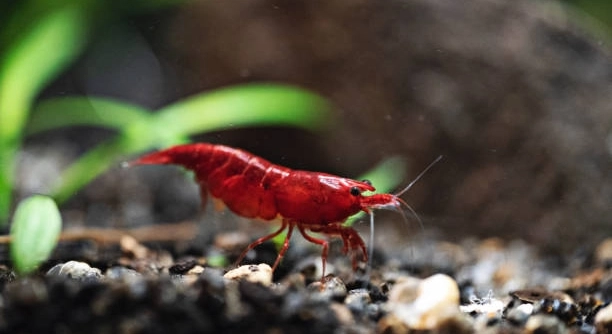
Do your cherry shrimp sometimes seem to pick at the bare walls of your tank, leaving little marks or trails behind? Observing them in action can be both fascinating and slightly puzzling for aquarium enthusiasts. Their behavior often draws attention quickly.
Cherry shrimp pick at bare tank walls primarily due to a lack of natural surfaces to graze on. This activity is typically related to their instinctive feeding behavior, searching for biofilm, algae, or other micro-organisms necessary for proper nutrition.
Understanding this behavior can help improve tank conditions and ensure your shrimp remain healthy and active in their aquatic environment. Proper care and observation are essential for their well-being.
Why Cherry Shrimp Pick at Bare Tank Walls
Cherry shrimp often pick at bare tank walls because they instinctively search for food in their environment. In nature, they graze on biofilm, algae, and microscopic organisms that grow on surfaces. A bare tank limits these natural food sources, so shrimp will explore glass and decorations to find sustenance. This behavior is normal and usually not harmful unless it becomes excessive. When a tank lacks sufficient surfaces like plants, rocks, or driftwood, shrimp may focus more on the walls. Stress or poor water conditions can also amplify this behavior. Observing your shrimp carefully can help determine if this is just normal grazing or a sign of an underlying issue. Adding natural surfaces and maintaining clean, balanced water often reduces wall-picking. Over time, creating a richer environment allows shrimp to thrive, graze appropriately, and display natural behaviors without unnecessary stress. Their activity becomes more purposeful and less focused on empty glass.
Providing additional surfaces in the tank helps shrimp access more natural food sources.
Maintaining a well-decorated tank with plants and driftwood not only offers grazing opportunities but also contributes to water stability and shrimp comfort. Mosses, small plants, and porous decorations encourage biofilm growth, giving shrimp plenty of areas to explore. Regular monitoring ensures they are feeding well and prevents potential overgrowth on glass, which can cause cleaning challenges. A balanced environment leads to healthier shrimp and more natural behavior patterns.
How to Reduce Wall-Picking Behavior
Adding live plants and textured decorations can significantly decrease wall-picking behavior in cherry shrimp.
Providing ample surfaces encourages natural grazing, keeping shrimp occupied. Biofilm growth on plants and rocks allows shrimp to feed where they feel safe. Leafy plants and mosses are particularly effective, creating a more natural habitat. Shrimp appreciate hiding spots, which also reduce stress-related wall-picking. Regularly feeding them a balanced diet ensures they are not driven to search excessively for nutrients. Observing their behavior after changes helps confirm improvements. Consistent water parameters and proper tank maintenance further support healthier, more content shrimp. The combination of environmental enrichment, steady nutrition, and stable water conditions fosters natural grazing behavior while keeping your tank visually appealing and balanced. Over time, shrimp will spend more time on plants and decorations, and less on empty glass surfaces.
Providing textured surfaces, feeding adequately, and monitoring water quality can transform your tank. These measures reduce stress, encourage natural behaviors, and allow shrimp to graze efficiently on suitable surfaces, rather than bare walls. Consistent care ensures shrimp remain healthy, active, and visually engaging. By focusing on environmental enrichment and nutrition, wall-picking behavior can be minimized without harsh intervention. This approach benefits the shrimp and helps maintain a cleaner, well-managed aquarium. Proper tank planning and gradual adjustments make shrimp feel secure, promoting consistent feeding on natural surfaces. Over time, observing their grazing patterns becomes satisfying, as shrimp interact with the tank in ways that mimic their natural habitats.
Common Environmental Factors
Water quality is a key factor in cherry shrimp behavior. Poor water conditions can stress shrimp, causing them to pick at walls more frequently. Maintaining stable parameters helps reduce this activity.
Unstable water conditions, such as fluctuating pH, high ammonia, or nitrite levels, can make shrimp anxious. Stress often triggers abnormal behaviors, including wall-picking. Providing a properly cycled tank, regular water changes, and monitoring chemical levels keeps shrimp healthy and reduces stress-related behaviors. A well-maintained tank allows shrimp to focus on natural grazing instead of searching for food in inappropriate areas. Adding plants and decorations further stabilizes their environment, giving them places to explore and feed comfortably.
Lighting and temperature also influence shrimp activity. Too intense lighting can increase algae growth, which may attract shrimp to walls excessively. Conversely, low light limits biofilm growth, leaving fewer natural feeding areas. Maintaining consistent temperature and gentle lighting supports normal behavior. Proper circulation ensures nutrients reach all surfaces, encouraging grazing in intended areas rather than bare walls. Observing shrimp over time helps identify which environmental adjustments work best, allowing you to create a more stable and comfortable tank for their natural behaviors.
Feeding Habits and Wall-Picking
Inadequate or irregular feeding often drives shrimp to pick at bare surfaces more frequently.
Cherry shrimp need a balanced diet of algae, biofilm, and occasional supplemental foods. When their diet lacks variety or consistency, they instinctively search for nutrients on walls and decorations. Regular feeding schedules and high-quality foods help reduce this behavior. Supplementing with blanched vegetables or specialized shrimp food encourages grazing on proper surfaces rather than glass.
Overfeeding can also be a concern, as uneaten food can decay and alter water quality, creating stress and reinforcing wall-picking behavior. Observing how shrimp interact with provided foods helps determine correct portion sizes. Incorporating natural grazing areas, such as mosses and plants, ensures they can access food throughout the tank. By combining proper feeding routines with environmental enrichment, shrimp maintain healthy nutrition while minimizing the urge to pick at bare tank walls. Consistency and attention to shrimp habits are key to supporting natural behavior patterns.
Tank Decorations and Surfaces
Adding plants, mosses, and textured decorations gives shrimp natural surfaces to graze on, reducing wall-picking. Bare glass offers little stimulation, so decorations help satisfy their feeding instincts.
Rough or porous surfaces encourage biofilm growth, providing a reliable food source. Driftwood, rocks, and live plants create hiding spots and grazing areas simultaneously, making shrimp feel secure while exploring the tank.
The Role of Biofilm
Biofilm is a primary food source for cherry shrimp. It forms naturally on surfaces like plants, rocks, and tank walls, but bare glass produces less, prompting wall-picking. Maintaining a tank that promotes biofilm growth helps satisfy shrimp’s dietary needs while encouraging natural grazing behavior.
Observing Behavioral Patterns
Careful observation of shrimp behavior reveals how environmental factors influence wall-picking. Tracking when and where they pick helps identify stressors, dietary gaps, or inadequate surfaces, allowing adjustments that support healthier, more natural activity patterns.
FAQ
Why do my cherry shrimp only pick at certain spots on the tank walls?
Cherry shrimp tend to focus on areas where biofilm or microscopic algae are most present. Irregular light exposure or slight residue on glass can create patches that attract shrimp more than completely clean surfaces. This behavior is normal and reflects their natural feeding instincts.
Can wall-picking harm my shrimp?
In most cases, wall-picking is harmless. Shrimp are simply grazing and not causing injury to themselves. However, excessive stress from poor water conditions or lack of hiding spots can worsen the behavior and potentially impact their health over time.
Will adding more plants reduce wall-picking?
Yes, adding live plants, moss, and textured decorations provides more natural surfaces for grazing. These surfaces encourage shrimp to focus on areas rich in biofilm instead of empty glass, promoting natural feeding behavior and reducing stress.
Does water quality affect wall-picking?
Absolutely. Unstable water parameters such as fluctuating pH, high ammonia, or nitrites can stress shrimp, making them more likely to pick at walls. Maintaining stable water conditions through regular testing, proper filtration, and consistent water changes helps reduce this behavior.
Is feeding frequency related to wall-picking?
Yes, feeding habits play a role. Irregular or insufficient feeding can push shrimp to search for food on walls. Providing small, consistent meals with a mix of shrimp-specific foods and blanched vegetables keeps them nourished and less focused on bare surfaces.
Can the type of tank surface influence this behavior?
Definitely. Smooth, bare glass offers minimal grazing opportunities, while textured surfaces like driftwood, rocks, or rough decorations promote biofilm growth. Shrimp are naturally drawn to areas where they can find micro-organisms to eat, so the right surfaces can significantly reduce wall-picking.
Does tank lighting impact wall-picking?
Lighting affects algae and biofilm growth. Too much light can increase algae on glass, attracting shrimp excessively, while too little light reduces natural grazing areas. Balanced lighting supports biofilm growth on plants and decorations, encouraging shrimp to graze in healthier, more natural locations.
Can stress increase wall-picking?
Yes, stress from overcrowding, sudden water changes, or aggressive tank mates can trigger abnormal behaviors, including wall-picking. Providing hiding spots, maintaining water quality, and keeping an appropriate shrimp-to-tank ratio reduces stress and promotes natural grazing patterns.
How long does it take for shrimp to stop picking at bare walls after changes?
Behavioral changes can take several days to a few weeks. Once additional surfaces, stable water, and proper feeding are established, shrimp gradually shift their focus from bare walls to more suitable grazing areas. Patience is essential to observe noticeable improvement.
Are certain cherry shrimp more prone to wall-picking than others?
Yes, younger shrimp and more active individuals often explore more and pick at walls frequently. Older or less active shrimp may graze primarily on plants and decorations. Individual variation is normal and should be considered when observing tank behavior.
Is wall-picking a sign of illness?
Not typically. Wall-picking is usually a normal feeding behavior. However, if shrimp show other symptoms such as lethargy, discoloration, or unusual swimming patterns, it may indicate health issues that need attention alongside observing their grazing behavior.
Can using algae wafers or supplemental foods help?
Supplemental foods can help, especially if natural biofilm is insufficient. Algae wafers, blanched vegetables, and specialized shrimp foods provide nutrients and encourage grazing in appropriate areas, helping reduce excessive wall-picking while keeping shrimp healthy.
How do I monitor biofilm growth effectively?
Check plants, decorations, and porous surfaces regularly for a thin layer of biofilm. Avoid over-cleaning, as this layer is essential for feeding. Maintaining gentle water flow and balanced lighting encourages biofilm to develop naturally where shrimp can access it.
Does tank size influence wall-picking behavior?
Smaller tanks may increase wall-picking if there are fewer surfaces for grazing. Larger tanks with more decorations, plants, and hiding spots allow shrimp to spread out, graze naturally, and reduce stress, leading to less frequent wall-picking.
Can seasonal changes affect shrimp behavior?
Temperature and light variations can influence biofilm growth and shrimp activity. Stable, consistent environmental conditions help maintain regular grazing behavior. Sudden changes in temperature or light can temporarily increase wall-picking as shrimp adjust to altered conditions.
Is it normal for shrimp to graze at night?
Yes, cherry shrimp are naturally more active during low-light periods. Nighttime grazing on plants, decorations, and tank walls is common and part of their natural feeding pattern. Providing safe hiding spots allows them to explore and feed comfortably at night.
Should I be concerned if my shrimp pick at walls daily?
Daily grazing on walls is often normal if food sources are limited or surfaces are smooth. Concern arises only if wall-picking is paired with signs of stress or poor health. Ensuring proper feeding, decorations, and water quality keeps shrimp content and reduces the need for constant wall-picking.
Can other tank inhabitants affect shrimp wall-picking?
Yes, fish or larger tank mates may stress shrimp, causing more frequent wall-picking. Providing hiding spaces and maintaining a peaceful environment allows shrimp to focus on natural grazing rather than stress-induced behavior.
Do shrimp prefer certain surfaces over others?
Yes, porous or textured surfaces such as driftwood, rocks, and moss are preferred because biofilm grows more readily. Smooth glass or bare plastic provides little interest, prompting shrimp to explore these areas when other surfaces are limited.
How can I balance feeding and grazing to reduce wall-picking?
Offer a mix of regular feedings and encourage natural grazing on plants and decorations. This combination ensures shrimp receive adequate nutrition while satisfying their instinctive need to forage. Gradually, wall-picking decreases as shrimp focus on richer, more suitable surfaces.
Can water current influence wall-picking?
Yes, strong currents may discourage shrimp from grazing on certain surfaces, while gentle flow distributes nutrients and encourages biofilm growth. Adjusting circulation helps shrimp access feeding areas comfortably and reduces stress-related wall-picking.
How often should I check my shrimp tank for behavioral changes?
Daily observation helps identify shifts in grazing behavior, stress, or health issues. Regular monitoring ensures environmental adjustments, feeding routines, and tank conditions support shrimp well-being and reduce wall-picking tendencies.
Is wall-picking behavior the same across all shrimp species?
No, some species are more active grazers than others. Cherry shrimp display frequent wall-picking when surfaces are limited, while other species may focus more on plants, rocks, or sediment. Understanding species-specific behavior helps manage tanks effectively.
Can cleaning the tank too often trigger wall-picking?
Excessive cleaning removes biofilm and reduces natural grazing areas. Shrimp may pick at bare surfaces more when their usual feeding grounds are disrupted. Gentle cleaning and maintaining some biofilm on decorations support natural grazing behavior without over-stressing shrimp.
Does the number of shrimp in a tank affect wall-picking?
Yes, overcrowded tanks increase competition for food and grazing surfaces, potentially increasing wall-picking. Proper stocking density and providing enough surfaces help distribute feeding opportunities and reduce stress-induced behaviors.
Are there signs that wall-picking is excessive or abnormal?
Excessive or obsessive wall-picking accompanied by lethargy, loss of appetite, or discoloration may indicate stress or poor conditions. If these signs appear, evaluate water quality, feeding, and tank environment to address potential issues promptly.
Can seasonal algae blooms reduce wall-picking?
Algae growth can provide temporary grazing opportunities on glass, reducing wall-picking. However, relying solely on algae is not sufficient. Maintaining a balanced tank with plants and supplemental foods ensures consistent nutrition and healthier grazing patterns year-round.
Do juvenile shrimp pick at walls more than adults?
Yes, younger shrimp are often more exploratory and graze widely, including bare surfaces. Adults typically focus on plants, mosses, and textured decorations, making juvenile wall-picking a normal part of development rather than a concern.
Can wall-picking indicate nutritional deficiencies?
Possibly. If shrimp lack essential nutrients, they may search more aggressively for food on surfaces. Ensuring a balanced diet with shrimp-specific foods and natural grazing areas minimizes nutrient-driven wall-picking.
How can I encourage shrimp to graze on decorations instead of glass?
Provide moss, live plants, and textured driftwood to attract grazing. Supplement with blanched vegetables or algae wafers placed on these surfaces to redirect feeding from bare walls to more natural areas. Over time, shrimp learn to focus on enriched surfaces.
Does tank age affect wall-picking?
New tanks often have less established biofilm, leading to increased wall-picking. Older, mature tanks provide more natural grazing surfaces. Gradually adding decorations and plants in new tanks helps shrimp adapt and reduces excessive wall-picking.
Can seasonal temperature changes influence grazing patterns?
Yes, temperature shifts can alter metabolism and activity. Stable temperatures support regular grazing on plants and decorations, while fluctuations may temporarily increase wall-picking as shrimp adjust. Consistent heating or cooling helps maintain predictable feeding behavior.
Is wall-picking more common in tanks with strong water flow?
Strong currents can make it difficult for shrimp to graze on some surfaces, causing them to seek calmer areas, including walls. Moderate water flow promotes biofilm growth while allowing shrimp safe access to preferred grazing areas.
Can stress from molting affect wall-picking?
During molting, shrimp are more vulnerable and may pick at surfaces more frequently. Providing hiding spots and minimizing disturbances reduces stress and supports healthier grazing and molting cycles.
Are there visual cues that shrimp prefer certain surfaces?
Yes, shrimp are attracted to surfaces with visible biofilm or micro-organisms. Porous or textured decorations often appear more inviting, encouraging grazing on natural surfaces rather than bare glass.
Can changing tank mates reduce wall-picking?
Aggressive or fast-moving tank mates can stress shrimp, prompting more wall-picking. Choosing peaceful species and providing hiding spots allows shrimp to graze comfortably without excessive stress-induced behavior.
Does wall-picking indicate boredom?
Partly. Limited surfaces or sparse decorations can leave shrimp with little to explore, leading them to pick at walls. Adding plants, moss, and textured decorations keeps shrimp engaged in natural feeding and exploration.
How long should I wait after tank adjustments to see improvement?
Shrimp usually adjust within days to a few weeks after adding decorations, plants, or adjusting feeding. Patience is key, as they gradually focus on enriched surfaces and reduce wall-picking behavior naturally.
Can excessive light or dark periods impact grazing?
Yes, irregular light cycles can affect algae growth and shrimp activity. Maintaining a balanced photoperiod supports biofilm formation on plants and decorations, encouraging grazing in natural areas rather than bare walls.
Are shrimp more likely to pick at walls in planted or unplanted tanks?
Unplanted tanks with fewer surfaces often lead to increased wall-picking. Planted tanks provide natural grazing surfaces and hiding spots, reducing stress and encouraging shrimp to feed on appropriate areas rather than glass.
Does water hardness influence wall-picking behavior?
Water hardness affects biofilm growth and overall shrimp health. Soft or very hard water may influence grazing habits indirectly. Maintaining appropriate hardness levels supports both biofilm development and natural shrimp activity patterns, reducing wall-picking.
Is it normal for shrimp to alternate between walls and decorations?
Yes, shrimp often explore multiple surfaces for feeding. Alternating between decorations, plants, and walls reflects natural grazing behavior, especially in tanks where biofilm availability varies across surfaces.
Can adding driftwood or rocks alone reduce wall-picking?
Yes, providing textured surfaces encourages biofilm growth and natural grazing. Combined with plants, these additions give shrimp varied areas to explore and feed, reducing focus on bare tank walls.
How important is consistency in tank maintenance?
Regular water changes, stable feeding routines, and consistent monitoring reduce stress and maintain biofilm growth. Predictable conditions allow shrimp to establish natural grazing patterns, minimizing wall-picking and supporting overall health.
Can behavioral observation help prevent wall-picking problems?
Observing shrimp daily allows early detection of stress, feeding issues, or environmental gaps. Timely interventions, like adding decorations or adjusting feeding, prevent excessive wall-picking and ensure a healthier, more natural tank environment.
Does tank placement or room conditions affect wall-picking?
External factors like room temperature, sunlight exposure, and vibration can influence shrimp stress levels. Minimizing disturbances and maintaining consistent room conditions helps shrimp feel secure and reduces wall-picking behavior.
Are there long-term effects of wall-picking?
Occasional wall-picking is harmless, but chronic stress from poor conditions can impact growth, molting, and overall health. Maintaining proper feeding, environmental enrichment, and stable water conditions ensures long-term well-being and reduces persistent wall-picking.
Can seasonal feeding adjustments help reduce wall-picking?
Yes, altering feeding amounts slightly based on seasonal activity ensures shrimp receive enough nutrition. Increased feeding in warmer months when metabolism rises can prevent excessive wall-picking due to hunger, while maintaining balance year-round supports healthy grazing.
How do I know if shrimp are getting enough natural food?
Monitor grazing patterns on plants and decorations. If shrimp still spend significant time on bare walls, additional biofilm-promoting surfaces or supplemental feeding may be needed to ensure adequate nutrition.
Are certain shrimp colors or strains more prone to wall-picking?
Some strains, especially more active or younger ones, may explore walls more often. This behavior is typically linked to individual activity levels rather than color or genetics alone.
Can introducing more shrimp affect wall-picking?
Adding more shrimp increases competition for grazing surfaces, which may temporarily increase wall-picking. Ensuring enough decorations, plants, and hiding spots balances feeding opportunities and reduces stress-driven behavior.
Does water temperature directly influence wall-picking?
Temperature affects metabolism and activity levels. Warmer water can increase grazing activity, including wall-picking, while cooler water may slow activity. Maintaining a stable temperature appropriate for cherry shrimp helps regulate natural feeding behavior.
Can using feeding blocks or tablets help redirect grazing?
Yes, placing algae wafers or shrimp-specific feeding blocks on plants or decorations encourages grazing on proper surfaces. This reduces time spent picking at bare walls while supporting a balanced diet and natural feeding instincts.
How does tank cleaning frequency impact grazing?
Frequent cleaning removes biofilm, prompting shrimp to pick at bare walls. Gentle cleaning and leaving some surfaces with natural biofilm support proper grazing while keeping the tank healthy.
Can wall-picking indicate overpopulation?
Overcrowded tanks can increase stress and competition, leading to more wall-picking. Maintaining an appropriate shrimp density and providing sufficient surfaces for grazing minimizes stress and reduces excessive wall-picking.
Are there visual signs that shrimp prefer new surfaces?
Shrimp often explore newly added moss, plants, or textured decorations first. This behavior reflects attraction to biofilm-rich or textured surfaces over bare glass. Providing new surfaces encourages proper grazing behavior.
Can water flow adjustments reduce wall-picking?
Gentle circulation distributes nutrients and encourages biofilm growth on appropriate surfaces. Strong currents may push shrimp toward walls, while balanced flow promotes grazing on plants and decorations.
Do shrimp change their grazing habits over time?
Yes, as biofilm establishes and decorations mature, shrimp gradually focus on richer surfaces. Initial wall-picking often decreases as they adapt to improved tank conditions and discover more natural grazing areas.
Can adding live moss alone be enough to stop wall-picking?
Live moss provides excellent grazing surfaces, but combining it with other decorations and supplemental feeding ensures sufficient food availability and habitat complexity, reducing wall-picking more effectively than moss alone.
Is it normal for shrimp to graze more during certain times of the day?
Yes, cherry shrimp are more active during low-light periods or at night. Grazing behavior shifts naturally, and they may spend less time on walls when activity and biofilm availability align with their instincts.
Can introducing floating plants help?
Floating plants provide shade and reduce light intensity, indirectly controlling algae growth on glass. This helps redirect shrimp to biofilm-rich surfaces on plants and decorations, minimizing wall-picking.
Does tank substrate affect wall-picking?
Porous substrates encourage biofilm growth and grazing on the tank bottom. Smooth or inert substrates offer fewer opportunities, which may lead shrimp to pick at walls. Choosing the right substrate supports natural feeding behavior.
How long does it take for shrimp to adjust to a new tank setup?
Shrimp generally adapt within one to three weeks. Gradual introduction of decorations, plants, and stable feeding routines helps them shift grazing from bare walls to enriched surfaces naturally.
Can using natural foods like blanched vegetables reduce wall-picking?
Yes, supplementing with blanched vegetables provides additional nutrients and encourages grazing on appropriate surfaces. This reduces the need for shrimp to pick at bare walls to satisfy dietary needs.
Is wall-picking more common in younger tanks?
Yes, new tanks lack established biofilm and plant growth, prompting shrimp to explore glass more. As biofilm develops and decorations mature, wall-picking typically decreases.
Does frequent observation influence shrimp behavior?
Observation itself does not harm shrimp but helps identify triggers for wall-picking. Adjustments based on careful monitoring improve tank conditions and reduce excessive wall-picking over time.
Can tank vibrations or noise affect wall-picking?
Yes, frequent vibrations or loud sounds may stress shrimp, increasing wall-picking. Placing tanks in stable, low-disturbance areas helps shrimp feel secure and focus on natural grazing behavior.
Are some feeding supplements more effective than others?
Specialized shrimp foods rich in nutrients and promoting biofilm growth are more effective in reducing wall-picking than generic fish flakes. Combining these with natural grazing areas ensures balanced nutrition and healthy behavior.
Can occasional wall-picking be completely eliminated?
Not entirely, as it is a natural grazing behavior. The goal is to reduce excessive or stress-induced wall-picking by providing appropriate surfaces, proper feeding, and stable water conditions.
Does water chemistry stability outweigh feeding in reducing wall-picking?
Both are important, but stable water chemistry ensures shrimp remain healthy and less stressed, which indirectly reduces wall-picking. Adequate feeding complements this by meeting nutritional needs without over-reliance on bare surfaces.
Can adding hiding places influence grazing location?
Yes, hiding places reduce stress and encourage shrimp to graze on decorations rather than exposed walls. Secure areas allow shrimp to explore and feed naturally, minimizing wall-picking.
Is biofilm development faster in certain tank conditions?
Yes, stable lighting, gentle water flow, and adequate nutrients promote quicker biofilm formation on decorations and plants, providing preferred grazing surfaces for shrimp and reducing wall-picking.
Do shrimp graze more after molting?
Yes, post-molt shrimp often increase grazing to replenish nutrients and support shell hardening. Providing accessible biofilm and supplemental food on decorations helps reduce unnecessary wall-picking during this time.
Can tank size changes impact wall-picking?
Smaller tanks with fewer surfaces may see more wall-picking. Increasing decorations, plants
Cherry shrimp picking at bare tank walls is a behavior many aquarium keepers notice at some point. It is usually a natural part of their feeding habits rather than a sign of serious trouble. In the wild, shrimp graze on biofilm, algae, and other microscopic organisms found on rocks, plants, and other surfaces. A bare tank limits these natural grazing areas, prompting shrimp to explore glass and smooth surfaces. While this can be concerning at first, it is often a sign that your shrimp are actively searching for food. Understanding this behavior helps you make simple adjustments that improve their environment and overall health.
Providing more surfaces for grazing is one of the most effective ways to address wall-picking. Live plants, mosses, driftwood, and rocks encourage biofilm growth, giving shrimp areas to feed naturally. Textured and porous surfaces are particularly effective because they hold biofilm better than smooth glass. Regularly supplementing their diet with high-quality shrimp food and occasional blanched vegetables ensures they get all the nutrients they need. Maintaining a balanced feeding routine helps reduce stress-driven wall-picking while supporting proper growth and molting. It is also important to observe shrimp behavior regularly so you can notice changes and address potential issues early.
Water quality and tank conditions play a key role in shrimp behavior. Stable water parameters, gentle filtration, and consistent temperature create a secure environment where shrimp can graze without unnecessary stress. Overcrowding or the presence of aggressive tank mates can increase wall-picking due to stress. Regular monitoring of water chemistry and tank maintenance ensures biofilm can develop naturally and shrimp remain healthy. With these adjustments, wall-picking usually decreases as shrimp shift their focus to decorations and plants. By providing the right environment, food, and care, you support your cherry shrimp’s natural behavior while maintaining a visually appealing and healthy tank.

Hello,
If you enjoy the content that we create, please consider saying a "Thank You!" by leaving a tip.
Every little bit helps us continue crafting quality advice that supports the health, happiness, and well-being of pets around the world, for pets of all shapes, sizes, and species.
We really appreciate the kindness and support that you show us!