
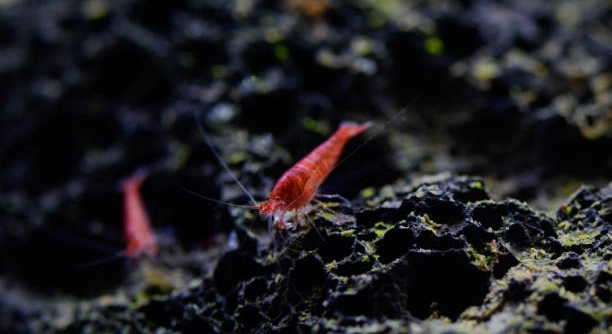
Caring for cherry shrimp can be very rewarding, but beginners often face small challenges that can affect their shrimp’s well-being. Even tiny mistakes in their environment or diet can cause stress or health issues for these delicate creatures.
Many common beginner errors, such as improper water parameters, overfeeding, inadequate hiding spots, and sudden environmental changes, can significantly upset cherry shrimp. Maintaining stable conditions, careful feeding routines, and proper tank setup are essential to their overall health and longevity.
Learning to avoid these mistakes early on will help your shrimp thrive and create a calm, balanced aquarium environment for them to grow safely.
Incorrect Water Parameters
Cherry shrimp are very sensitive to changes in water conditions. Beginners often overlook the importance of stable temperature, pH, and hardness levels. Fluctuations in these parameters can stress shrimp, reduce their immune response, and even lead to death. Regular testing is essential to ensure conditions remain safe. Young shrimp are particularly vulnerable, and even minor shifts in water chemistry can affect their molting process. Using a reliable water test kit helps track pH, ammonia, nitrite, and nitrate levels. Temperature swings should also be minimized, ideally kept within the recommended range of 72–78°F. Slow adjustments are better than sudden changes, which can shock your shrimp. Keeping water clean and consistent supports healthy breeding and vibrant coloration. Avoid adding chemicals or treatments without careful research, as some can harm shrimp or disrupt beneficial bacteria. Monitoring water quality daily, even for a few minutes, can prevent long-term problems and create a stable, thriving environment for your shrimp population.
Maintaining proper water parameters ensures your shrimp remain healthy and stress-free. Stability in their environment is key to thriving shrimp.
Careful attention to water chemistry will also improve survival rates for baby shrimp. Providing consistent conditions allows them to grow normally, molt safely, and develop strong coloration. Regular monitoring prevents silent stress that can accumulate unnoticed, reducing disease risks. Over time, this routine builds a dependable environment where shrimp can reproduce and feed without issues. Avoiding sudden changes in pH, hardness, or temperature ensures that even sensitive species like cherry shrimp remain active and healthy. By investing in water quality early, you save effort and frustration later. The shrimp’s behavior and appearance will reflect these efforts, showing vibrant color and active movement. Consistent water maintenance is the foundation of a successful shrimp tank and supports a balanced ecosystem for plants, shrimp, and beneficial bacteria to thrive together.
Overfeeding
Overfeeding is a common mistake that quickly affects water quality and shrimp health. Uneaten food decomposes, raising ammonia and nitrate levels. Shrimp only need small amounts of food each day, and feeding should be adjusted to their consumption rate. Observing how much they eat helps prevent excess, which can lead to cloudy water, algae growth, and potential disease outbreaks. Using slow-sinking foods designed for shrimp can reduce waste, and removing leftover food after a few hours keeps the tank clean. Overfeeding also affects shrimp behavior, causing stress and competition among tank mates. Balanced feeding, combined with regular water maintenance, is essential for maintaining a healthy environment.
Proper feeding routines keep water clean and shrimp active. Small, consistent portions are best for long-term health.
Feeding cherry shrimp properly supports their molting, reproduction, and overall vitality. Offering too much food overwhelms their digestive systems and increases harmful waste in the tank. Even healthy, high-quality food can harm water quality if portions are excessive. Observing shrimp during feeding helps gauge how much they actually need, allowing for gradual adjustments. Removing leftovers prevents ammonia spikes and keeps beneficial bacteria in balance. Overfeeding can also encourage algae growth, which competes with shrimp for nutrients. By feeding carefully and monitoring consumption, you create a safe, clean environment where shrimp remain energetic, colorful, and healthy. This routine minimizes stress and ensures that shrimp have sufficient nutrition without compromising water quality or tank stability.
Lack of Hiding Spots
Shrimp need places to hide, especially during molting. Without enough cover, they feel exposed, which increases stress and vulnerability to aggression from tank mates. Plants, moss, and decorations provide essential shelter.
Providing moss, live plants, or small caves allows shrimp to retreat safely. These spaces help reduce stress, especially for juveniles and molting adults. Hiding spots also encourage natural behavior, letting shrimp graze at their own pace without constant disturbance. Lack of cover can lead to aggressive encounters, increased mortality, and a stressed population. Even simple additions like leaf litter or ceramic tubes improve tank security, supporting shrimp health and comfort.
Hiding areas also support breeding and molting. Female shrimp carrying eggs feel safer in dense plant cover, reducing the risk of egg loss. Molting is a vulnerable time, and a secure environment allows shrimp to shed exoskeletons safely. Plants and moss provide surfaces for biofilm growth, an essential food source, which helps shrimp feed without venturing into open areas. Decorations and caves create microhabitats that maintain stable water conditions near them, which reduces stress and improves overall tank stability. Including a variety of hiding spots ensures shrimp feel secure, promoting natural activity, proper feeding, and higher survival rates.
Sudden Environmental Changes
Sudden changes in temperature, pH, or water hardness can shock shrimp, causing stress and potential death. Even minor shifts should be avoided to maintain a stable tank environment.
Gradual adjustments allow shrimp to acclimate safely. Rapid temperature fluctuations or pH swings affect metabolism, molting, and immune response. Stability in water chemistry is crucial for maintaining healthy shrimp populations, as they are highly sensitive to abrupt environmental differences.
Frequent water changes or introducing untreated tap water can create unexpected shifts. Acclimating new shrimp slowly prevents stress and mortality. When adding decorations or plants, rinse them and ensure they match tank parameters to avoid contamination. Sudden changes can also trigger erratic behavior, loss of appetite, or color fading. By monitoring water consistently and implementing slow adjustments, you minimize stress, support proper molting cycles, and ensure shrimp remain active and healthy. Maintaining a steady environment is essential for breeding success, long-term health, and overall well-being of cherry shrimp.
Overcrowding
Too many shrimp in one tank increases stress and competition for food. Overcrowding can lead to aggression, slower growth, and higher mortality rates.
Maintaining a proper shrimp-to-tank ratio ensures enough space for swimming, hiding, and feeding. Adequate space supports natural behavior and reduces health issues caused by stress or poor water quality.
Poor Tank Maintenance
Neglecting regular cleaning allows waste, uneaten food, and algae to build up. This deteriorates water quality, leading to stress and disease in shrimp. Frequent monitoring and partial water changes help maintain a safe and stable environment for them.
Incompatible Tank Mates
Aggressive or predatory tank mates pose a constant threat to cherry shrimp. Even passive fish may disturb shrimp if their behavior or size causes stress. Careful selection of compatible species ensures shrimp feel secure and reduces the risk of injury or death.
How often should I test my tank water for cherry shrimp?
Testing water regularly is critical because cherry shrimp are sensitive to changes in pH, ammonia, nitrites, and nitrates. Weekly testing is usually sufficient for a well-established tank, but during the first few weeks of setup, daily checks help catch issues early. Consistency prevents sudden changes that stress shrimp and affect molting. Using reliable test kits ensures accurate readings, helping you maintain stable water conditions. Always monitor temperature alongside chemical parameters, as fluctuations can affect water chemistry. Keeping a log of your test results also helps identify trends and prevents long-term problems before they impact shrimp health.
What should I feed cherry shrimp, and how much?
Cherry shrimp need a balanced diet that includes algae, biofilm, and high-quality commercial shrimp food. Small portions once or twice a day are enough. Overfeeding is a common mistake that quickly leads to poor water quality and stressed shrimp. Uneaten food decomposes, raising ammonia and nitrate levels. You can supplement their diet with blanched vegetables like zucchini or spinach occasionally, but avoid anything treated with pesticides or chemicals. Watching shrimp during feeding allows you to adjust the quantity and timing to prevent waste. Rotating food types also encourages healthy growth, proper molting, and vibrant coloration.
How do I acclimate new shrimp to my tank?
New shrimp should be acclimated slowly to avoid shock from differences in temperature, pH, and hardness. A drip acclimation method is ideal. Slowly introduce small amounts of tank water into the bag over one to two hours. Avoid adding shrimp directly to the tank water, which can stress them or cause sudden death. Monitor them during and after acclimation for any signs of stress or lethargy. Proper acclimation reduces mortality, helps shrimp adapt to the new environment, and ensures they start feeding and behaving normally. Patience during this process is essential for long-term health.
Why are my shrimp losing color or looking pale?
Pale shrimp often indicate stress, poor diet, or improper water parameters. Low-quality food lacking essential nutrients or insufficient biofilm can reduce their vibrancy. Water that is too hard, too soft, or unstable can also cause color loss. Monitoring pH, hardness, temperature, and ammonia levels helps identify the source of stress. Feeding a variety of foods rich in carotenoids, such as specialized shrimp flakes or vegetables, can improve coloration. Stress from overcrowding or aggressive tank mates may also lead to faded colors. Ensuring a calm, stable environment with proper nutrition restores their natural appearance.
How can I tell if my shrimp are molting properly?
Molting is a natural process where shrimp shed their exoskeleton to grow. Healthy molting occurs regularly, and the old shell is usually left intact in the tank. Shrimp may hide more during this period because they are vulnerable. Difficulty molting or incomplete molts can signal poor water quality, insufficient calcium, or stress. Adding calcium-rich supplements or ensuring stable water parameters supports successful molts. Observing behavior and checking for uneaten exoskeletons can help determine if molting is proceeding normally. Proper care during molting periods is crucial for growth, survival, and overall health.
Can cherry shrimp breed in a small tank?
Yes, cherry shrimp can breed in small tanks if water conditions are stable and there are plenty of hiding spots. Dense plants, moss, or decorations provide safe spaces for baby shrimp. Stable water parameters, regular feeding, and minimal stress encourage reproduction. Avoid overcrowding and aggressive tank mates, as these factors can hinder breeding. Female shrimp carrying eggs should feel secure, as stress may lead to dropped eggs. With proper care, small tanks can sustain a healthy, reproducing population while maintaining water quality and a balanced environment.
What do I do if my shrimp show signs of disease or unusual behavior?
Observe affected shrimp carefully to identify symptoms such as lethargy, color changes, or unusual swimming patterns. Poor water quality is often the root cause, so testing and correcting water parameters is the first step. Quarantining sick shrimp can prevent the spread of disease. Avoid using chemicals without thorough research, as many treatments harm shrimp. Maintaining a clean, stable environment, providing high-quality food, and reducing stress improve recovery chances. Early detection and consistent care increase survival rates and minimize long-term impacts on your shrimp population.
Is it necessary to add live plants to a shrimp tank?
Live plants are highly beneficial but not strictly necessary. They improve water quality, provide hiding spots, and support biofilm growth, which shrimp feed on. Plants also reduce stress by giving shrimp cover and stabilizing environmental conditions. Mosses, floating plants, and dense foliage create a more natural environment, encouraging natural behaviors like grazing and hiding. Even small amounts of live plants can make a noticeable difference in shrimp health and activity. Proper care for plants, along with water maintenance, ensures a balanced ecosystem that supports shrimp growth, reproduction, and long-term survival.
How many shrimp should I keep in one tank?
Maintaining the right number of shrimp is crucial to prevent overcrowding. Too many shrimp lead to competition for food, stress, and higher waste production. A general guideline is one shrimp per gallon of water for beginners. Adjustments may be needed based on tank setup, filtration, and plant density. Adequate space allows shrimp to hide, feed, and grow properly. Overcrowding increases the risk of disease and molting problems, while understocking may reduce breeding success. Monitoring behavior and tank conditions helps maintain a balanced population that thrives in a safe environment.
How can I prevent algae overgrowth in a shrimp tank?
Algae can grow quickly if lighting, nutrients, and water parameters are not balanced. Regular water changes, controlled feeding, and proper filtration help prevent excess algae. Live plants compete with algae for nutrients, slowing its growth. Cherry shrimp eat some algae naturally, but overgrowth can harm water quality and reduce hiding spots. Limiting light duration to 6–8 hours daily, avoiding excess fertilizers, and maintaining clean surfaces prevent algae from taking over. Balanced care ensures shrimp have access to biofilm and clean tank conditions while keeping algae under control.
Cherry shrimp are small, delicate creatures that thrive in carefully maintained environments. Their health and happiness depend heavily on stable water conditions, proper feeding, and adequate shelter. Beginners often underestimate how sensitive these shrimp are, and small mistakes can quickly lead to stress or health issues. Keeping water parameters consistent, including temperature, pH, and hardness, is essential. Sudden changes, even minor ones, can shock shrimp, affecting their molting, behavior, and immune system. Regular water testing, partial water changes, and careful acclimation of new shrimp help maintain stability. Attention to these details reduces the likelihood of disease, improves survival rates, and allows shrimp to display natural behaviors. Over time, maintaining a calm, predictable environment becomes routine and greatly benefits both adult and juvenile shrimp.
Feeding is another area that requires careful attention. Cherry shrimp need a diet rich in nutrients but should never be overfed. Overfeeding can quickly compromise water quality, leading to increased ammonia and nitrate levels, which can stress or harm shrimp. Feeding small amounts at consistent intervals ensures that shrimp consume the food before it decomposes. A combination of high-quality shrimp food, occasional blanched vegetables, and natural biofilm provides the nutrients they need for growth, molting, and reproduction. Observing shrimp during feeding allows for adjustments in portion size and timing, helping prevent waste and maintaining a cleaner, healthier tank. Balanced feeding supports vibrant coloration and healthy behavior, while overfeeding can contribute to algae growth and an unstable environment. Establishing a careful feeding routine early is one of the most effective ways to ensure long-term success.
Creating an environment that supports natural behavior is just as important as water quality and feeding. Cherry shrimp need hiding spots, plants, and moss to feel secure, particularly during molting or when carrying eggs. Providing these shelters reduces stress and encourages healthy activity. Tank mates should be chosen carefully to avoid aggression or predation. Overcrowding should be avoided, as it increases competition and stress. Regular maintenance, including removing uneaten food and cleaning surfaces, ensures a stable and safe habitat. By focusing on these areas—water quality, feeding, shelter, and tank population—you can cultivate a thriving shrimp tank. Consistent attention, patience, and observation allow cherry shrimp to grow, reproduce, and display their natural behaviors, creating a balanced and rewarding aquatic environment for years to come.

Hello,
If you enjoy the content that we create, please consider saying a "Thank You!" by leaving a tip.
Every little bit helps us continue crafting quality advice that supports the health, happiness, and well-being of pets around the world, for pets of all shapes, sizes, and species.
We really appreciate the kindness and support that you show us!