
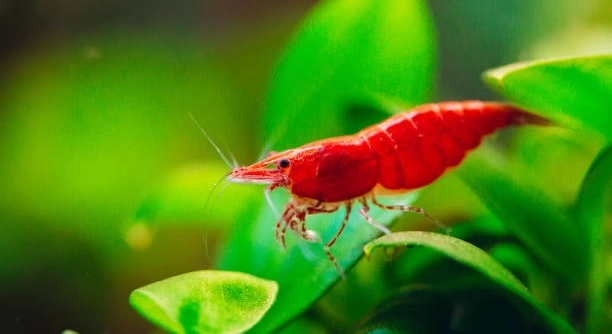
Cherry shrimp are small, colorful creatures that bring life to any aquarium. They are often active, but sometimes they retreat and hide, leaving owners wondering about their behavior and comfort in the tank environment.
Cherry shrimp hide primarily due to stress, environmental changes, or perceived threats. Factors such as poor water quality, aggressive tank mates, insufficient hiding spots, sudden lighting changes, and improper feeding routines can all trigger this natural avoidance behavior.
Understanding why your shrimp retreat can help you improve their habitat. Paying attention to these details ensures a healthier and more comfortable environment for them.
Water Quality Issues
Poor water quality is one of the main reasons cherry shrimp hide. They are very sensitive to changes in ammonia, nitrite, and nitrate levels. Even small fluctuations can make them retreat into hiding spots. Chlorine and other chemicals in tap water can also stress shrimp, causing them to become less active. Regular testing and water changes are essential to keep levels safe and stable. Temperature swings can also disturb their comfort, as cherry shrimp prefer a steady range between 68°F and 78°F. pH levels that are too high or low may make them uncomfortable, forcing them to hide. Using a reliable water conditioner and monitoring water hardness can reduce stress. Additionally, freshly added water should be at the same temperature as the tank to prevent shock. Maintaining proper filtration and avoiding overfeeding are also key steps in keeping water clean and shrimp visible, active, and healthy.
Maintaining proper water conditions ensures cherry shrimp feel safe and remain active in their environment.
Monitoring water quality carefully helps prevent hiding behavior and supports their overall health and growth, making your tank a safer space.
Lack of Hiding Places
Cherry shrimp naturally seek cover when they feel exposed or threatened. Without enough plants, rocks, or decorations, they may spend most of their time out of sight. Hiding spots provide them with a sense of security, which encourages natural behavior like grazing and exploring. Dense moss, caves, and small driftwood pieces offer excellent protection while also enhancing the tank’s aesthetics. Providing vertical and horizontal layers of shelter allows shrimp to feel safe at any level. Even if the tank seems empty, creating small nooks can drastically reduce hiding. Shrimp also molt regularly, and safe spaces are critical during this vulnerable time. Observing them frequently in a well-decorated tank will show more active, confident behavior. Overcrowding can reduce available hiding spots, so balance decorations with shrimp population. Properly arranged habitats make shrimp less stressed, more social, and easier to observe, improving the overall tank experience.
Creating sufficient hiding areas makes a significant difference in shrimp comfort and activity.
By adding moss, rocks, and small caves, you can reduce stress, support molting, and encourage natural behavior while maintaining a visually appealing tank.
Sudden Lighting Changes
Sudden bright lights can startle cherry shrimp and make them hide. They prefer dim, consistent lighting that mimics natural conditions. Fluctuations can cause stress, especially if the tank lacks shaded areas.
Unexpected lighting shifts can disrupt their routine and behavior. Cherry shrimp rely on consistent light cycles to regulate activity. Bright overhead lights, camera flashes, or even turning on a room light suddenly can trigger hiding. Providing floating plants or shaded zones helps them feel secure while still allowing some light for plant growth. Gradual transitions, like using a timer for aquarium lights, can reduce stress and keep shrimp active. Observing their reactions to light changes helps identify the right intensity and duration.
Shrimp use light cues for feeding and molting. Abrupt changes can interfere with these natural processes, causing more hiding. Maintaining stable lighting conditions improves overall health, encourages grazing, and supports normal social behavior within the tank.
Aggressive Tank Mates
Aggressive fish or other inhabitants can intimidate cherry shrimp and force them into hiding. Even mild nipping or chasing creates stress. Dense plant cover can offer protection.
Aggressive or large tank mates make shrimp feel unsafe. Shrimp are small and vulnerable, and any perceived threat can trigger hiding. Fish that are territorial or curious may chase them, making them retreat for long periods. Providing separate zones or heavily planted areas reduces interactions and creates a safer environment. Observing shrimp behavior around different species can guide tank compatibility. Some shrimp remain hidden for hours if neighbors are too aggressive, which can affect feeding and molting. Ensuring enough escape routes and hiding spots allows shrimp to coexist with other tank inhabitants without constant stress.
Choosing compatible species and arranging the tank strategically is essential. Avoiding aggressive neighbors ensures shrimp feel secure, encouraging regular activity, feeding, and healthy growth.
Overfeeding
Overfeeding can make cherry shrimp hide. Leftover food decomposes and pollutes the water, creating stress.
Too much food can lead to poor water quality, which makes shrimp retreat. Feeding only what they can eat in a few hours keeps them healthy and visible.
Molting Stress
Molting is a vulnerable time for cherry shrimp. During this process, they may hide to avoid predators and reduce stress. Providing safe hiding spots is essential to support successful molts and healthy growth.
Temperature Fluctuations
Sudden changes in water temperature can shock shrimp. Keeping a stable range prevents stress and reduces hiding.
Why do my cherry shrimp hide all the time?
Cherry shrimp hide constantly when they feel stressed or unsafe. Common causes include poor water quality, aggressive tank mates, and lack of hiding spaces. Even small changes in temperature, pH, or ammonia levels can make them retreat. They need a stable, comfortable environment with plenty of plants and decorations to feel secure. Overcrowding or sudden disturbances also trigger hiding. Shrimp naturally seek cover during molting or when they sense movement outside the tank, so consistent care and observation are key to reducing hiding behavior.
How can I make my cherry shrimp feel safe?
Providing plenty of hiding spots is essential. Moss, caves, and driftwood create secure areas where shrimp can retreat if they feel threatened. Maintaining clean water with stable temperature and pH also helps reduce stress. Avoid placing them with aggressive fish that may chase or nip at them. Feeding on a regular schedule and avoiding sudden environmental changes encourages normal activity. Even subtle things like bright overhead lighting or loud vibrations can scare them, so a calm, well-planted tank gives them confidence to explore freely.
Is it normal for cherry shrimp to hide after molting?
Yes, hiding after molting is normal. Shrimp are soft and vulnerable after shedding their old shell. They often stay in secure areas until their new exoskeleton hardens. Providing ample cover, like moss or small caves, is important during this period. Stress or disturbance during molting can cause injury or slow recovery. Observing them from a distance while ensuring their hiding areas remain undisturbed helps them molt safely and reduces risk of stress-related health issues.
Can water quality affect my shrimp’s behavior?
Absolutely. Cherry shrimp are highly sensitive to ammonia, nitrite, and nitrate levels. Even slight imbalances can make them retreat. Chlorine, heavy metals, or sudden pH changes also cause stress. Regular testing, water changes, and proper filtration maintain a stable environment. Consistency is key, as sudden fluctuations often trigger hiding, reduced feeding, and even illness. Monitoring water carefully ensures shrimp feel safe and encourages normal, active behavior.
Why do shrimp hide more at certain times of the day?
Cherry shrimp are sensitive to light and activity levels. Bright lights, sudden room movements, or tank disturbances can cause them to retreat. They may be more active during dimmer periods or at night, following natural instincts. Providing shaded areas and consistent lighting schedules helps them feel secure and reduces hiding. Observing their daily patterns allows you to adjust light intensity and placement, supporting a calm environment where shrimp can move freely and feed without stress.
Will aggressive tank mates make my shrimp hide permanently?
Aggressive or large fish often intimidate shrimp. Persistent chasing or nipping can cause shrimp to stay hidden for extended periods, impacting feeding and molting. Ensuring compatible species and providing dense plant cover allows shrimp to coexist safely. Even small signs of stress, like frequent hiding, indicate adjustments are needed in tank setup. By giving them escape routes and reducing aggression, shrimp gradually regain confidence to explore and interact with their environment.
How do I encourage shy shrimp to come out?
Patience and a safe environment are essential. Gradually adjusting lighting, keeping water stable, and reducing disturbances helps shrimp feel secure. Adding more hiding spots or rearranging plants can create new, comfortable areas. Feeding them consistently encourages exploration. Avoid sudden changes or excessive handling, as this increases stress. Over time, shrimp will become more active and visible as they grow accustomed to the tank conditions and feel protected.
Can stress from overfeeding or poor cleaning make them hide?
Yes. Excess food decomposes, polluting water, while infrequent cleaning allows waste buildup. Both lead to stress, making shrimp retreat. Feeding small amounts that they can consume quickly and performing regular water maintenance prevents hiding caused by poor conditions. Clean, well-maintained tanks support activity, molting, and normal behavior.
How long is it normal for shrimp to stay hidden?
The duration varies depending on stress levels, water conditions, and tank mates. After molting, a few hours to a day is typical. Stress from aggressive neighbors or poor water can extend hiding for several days. Consistent care, stable conditions, and safe hiding spaces shorten this period and encourage shrimp to resume normal activity.
Does tank size affect hiding behavior?
Smaller or overcrowded tanks increase stress, leading to more hiding. Limited space and few escape routes make shrimp feel vulnerable. A properly sized tank with sufficient decorations, plants, and open areas allows shrimp to balance safety with exploration. Proper tank design reduces hiding behavior and encourages healthy activity patterns.
This FAQ covers common concerns and solutions to help understand and manage cherry shrimp hiding behavior effectively, supporting their health and comfort in the aquarium.
Cherry shrimp are small, delicate creatures that bring color and life to an aquarium. They can be fun to watch, but their tendency to hide can be puzzling. Hiding is usually a natural response to stress or discomfort, and it often signals that their environment needs attention. Factors such as water quality, temperature, lighting, and tank mates play a significant role in how comfortable they feel. Even subtle changes can make them retreat, and understanding these influences helps keep them healthy and active. Paying close attention to their habitat ensures they have the conditions they need to thrive.
Maintaining a stable and clean environment is one of the most important steps in reducing hiding behavior. Regular water testing, proper filtration, and controlled feeding prevent stress caused by poor water quality. Providing safe spaces with plants, moss, and decorations allows shrimp to feel secure while still being able to explore. Gradual lighting changes and avoiding sudden disturbances can help them adjust comfortably to their surroundings. Choosing compatible tank mates ensures they are not constantly chased or intimidated. Simple adjustments like these can make a noticeable difference in how visible and active your shrimp are. Observing their daily patterns and adjusting care routines accordingly encourages natural behavior and supports molting and feeding habits.
Cherry shrimp also respond to personal care and consistent routines. Feeding them at regular times, avoiding overfeeding, and keeping the tank calm encourages them to be more confident. Understanding their behavior requires patience and observation, as each shrimp may react differently to environmental changes. Over time, creating a safe, stable, and enriching environment will reduce hiding and allow shrimp to display their natural activity. Small details, like providing shaded areas or arranging plants thoughtfully, contribute to their sense of security. By paying attention to these factors, shrimp can live longer, healthier lives while adding beauty and movement to your tank. Consistency and careful monitoring make all the difference in supporting their comfort and overall well-being.

Hello,
If you enjoy the content that we create, please consider saying a "Thank You!" by leaving a tip.
Every little bit helps us continue crafting quality advice that supports the health, happiness, and well-being of pets around the world, for pets of all shapes, sizes, and species.
We really appreciate the kindness and support that you show us!