
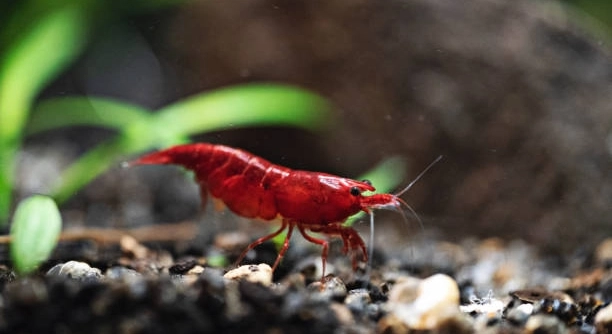
Are your cherry shrimp often clinging to the glass of your aquarium, seemingly without purpose? Many shrimp owners notice this behavior and find it both intriguing and slightly puzzling when observing their aquatic pets.
Cherry shrimp often remain stationary on glass surfaces due to algae grazing, water flow preferences, and resting behavior. This activity allows them to feed efficiently while conserving energy, maintaining stability, and avoiding strong currents that could stress their delicate bodies.
Understanding why shrimp behave this way can help improve tank conditions and shrimp health, offering a clearer view of their daily routines and needs.
Reasons Cherry Shrimp Stick to the Glass
Cherry shrimp often cling to the glass for feeding and resting. The surfaces of aquariums provide a thin layer of biofilm and algae, which they graze on continuously. This behavior is natural and part of their foraging routine, allowing them to obtain nutrients without expending excessive energy. Glass surfaces are smooth and vertical, offering a stable area where shrimp can attach using their small claws. Water flow also plays a role. Shrimp may avoid strong currents in other areas, choosing glass as a calm zone. Additionally, being stationary helps them conserve energy, particularly when water parameters fluctuate slightly. Observing shrimp on glass can also indicate comfort in their environment, showing they feel safe and secure. Many hobbyists notice shrimp gather near plants or decorations too, but the glass remains a prime resting and feeding spot. Understanding this helps maintain a healthier, stress-free aquarium for these delicate creatures.
Shrimp cling to glass primarily for grazing, stability, and comfort. It is a natural behavior influenced by environment and food availability.
Recognizing these habits helps you create an ideal habitat. Ensuring surfaces are clean yet have sufficient algae growth allows shrimp to feed naturally. Water flow should be balanced so shrimp are not constantly battling currents. Observation of their stationary moments provides insight into their well-being, signaling that they feel secure and stress-free. Adjusting lighting, temperature, and hiding spaces can further support their natural behaviors. Glass surfaces, plants, and decorations collectively create areas for shrimp to feed, rest, and explore safely, improving both longevity and activity levels.
Environmental Factors Affecting Glass Behavior
Water flow and filtration directly impact shrimp movement. Strong currents may push them toward calmer surfaces like glass, where they can rest without struggle.
Water quality, temperature, and pH influence shrimp comfort, affecting their choice of resting spots. When parameters are stable, shrimp are more likely to explore freely, though glass remains a preferred location for grazing. Insufficient food or biofilm on decorations may increase their time on glass. Additionally, lighting intensity affects activity; too bright can make them hide, while moderate light encourages grazing. Maintaining a balanced environment ensures shrimp can exhibit natural behaviors safely. Observing their preferences helps identify necessary tank adjustments. Providing multiple surfaces and plants for grazing allows shrimp to alternate areas while staying healthy and active. By monitoring these factors, owners can create a supportive habitat, ensuring shrimp remain engaged, stress-free, and nourished throughout their lives.
Feeding Habits and Glass Interaction
Cherry shrimp spend a lot of time on glass because it provides a steady source of food. Algae and biofilm form naturally on aquarium glass, allowing shrimp to graze efficiently. This surface supports constant feeding without needing to search the tank extensively.
Providing a varied diet enhances their grazing activity. While algae on glass is a primary food source, supplementing with shrimp pellets or blanched vegetables ensures proper nutrition. Shrimp scrape surfaces carefully with their tiny claws, consuming microorganisms and plant matter that settle on the glass. Feeding patterns can be influenced by light and water flow, with shrimp favoring calmer areas to feed. Glass surfaces offer a predictable location for consistent feeding, reducing stress and helping maintain healthy growth and activity levels.
Regular observation of glass-grazing shrimp can reveal their feeding preferences and overall health. By monitoring how often they stay on glass and what surfaces they target, you can adjust tank maintenance and food placement. Providing multiple grazing surfaces, such as decorations or driftwood, reduces competition and supports natural behavior. The glass remains an important area for nutrition and rest, but supplementing their environment ensures shrimp are getting all essential nutrients and staying active.
Stress and Safety Considerations
Shrimp cling to glass when seeking safety from strong currents, predators, or sudden disturbances. Glass surfaces offer a calm, stable refuge.
Stress in shrimp can result from rapid changes in water quality, temperature fluctuations, or overly aggressive tankmates. When stressed, shrimp may remain stationary on glass, avoiding open water or decorations where they feel exposed. Providing hiding spaces and maintaining stable water parameters reduces stress and encourages natural activity. Observing shrimp on glass regularly helps identify potential environmental issues early. Ensuring gentle water flow, appropriate lighting, and low-disturbance areas improves their comfort, allowing them to feed and rest safely.
Glass surfaces act as both feeding grounds and safe zones. Shrimp use these areas strategically, balancing their need to graze with the need to feel secure. In tanks with higher water movement or larger, more active tankmates, glass becomes a preferred location to conserve energy while remaining alert. Stress indicators, such as lethargy or clumping together, often appear here first. Maintaining multiple calm areas, adjusting water flow, and providing plants or ornaments help shrimp feel safe while allowing them to explore freely. Recognizing glass behavior as a response to environmental factors ensures their well-being is supported and reduces stress-related health issues over time.
Resting Behavior on Glass
Cherry shrimp often use glass surfaces as resting spots between active periods. The smooth surface allows them to remain stationary without expending unnecessary energy.
Resting on glass also provides a vantage point to observe surroundings. Shrimp can stay alert while minimizing movement, which is important for conserving energy and staying safe in the tank.
Seasonal and Daily Activity Patterns
Shrimp activity can vary with light cycles, temperature changes, and seasonal patterns. During cooler periods or low light, shrimp tend to stay longer on glass surfaces. These patterns reflect their natural rhythms, helping them conserve energy while still accessing food sources like algae and biofilm.
Cleaning and Maintenance Impact
Frequent cleaning of aquarium glass can influence shrimp behavior. Removing too much biofilm reduces grazing opportunities, causing shrimp to explore other surfaces or remain stationary in search of food.
Observing Health Indicators
Time spent on glass can indicate overall shrimp health. Changes in behavior, such as prolonged inactivity, may signal stress, poor water quality, or illness, making monitoring their glass activity a useful habit.
Why do cherry shrimp stay on the glass so often?
Cherry shrimp stay on glass primarily to feed on algae and biofilm. These surfaces provide a consistent and easily accessible food source. The vertical glass allows them to cling safely without struggling against strong water currents. This behavior also helps them conserve energy while remaining alert to their surroundings.
Is it normal for them to remain stationary for hours?
Yes, it is normal. Stationary periods on glass are part of their resting and feeding routines. Shrimp alternate between grazing, exploring, and resting. Extended inactivity on glass can indicate that the environment is comfortable and stress-free, as they feel safe and do not need to seek shelter elsewhere.
Does water flow affect their glass activity?
Water flow significantly influences shrimp behavior. Strong currents may push them to calmer surfaces, such as glass, where they can rest and feed. Gentle, balanced flow allows them to move freely throughout the tank. Observing how much time they spend on glass can indicate whether water flow needs adjustment.
Can glass behavior indicate stress or illness?
Yes. While normal grazing involves glass surfaces, prolonged inactivity or clumping may suggest stress, poor water quality, or illness. Changes in behavior, color, or movement patterns should be monitored closely. Maintaining stable parameters, proper food, and safe tankmates reduces stress and supports natural glass activity.
Should I worry if my shrimp rarely leave the glass?
Not always. Some shrimp simply prefer grazing or resting on glass, especially if food sources are abundant there. However, consistently avoiding other areas may indicate issues with tank conditions, such as water quality, lighting, or strong currents. Observation helps determine whether intervention is needed.
Does feeding affect how often they cling to glass?
Yes, feeding patterns influence glass activity. Shrimp often gather on glass when algae or biofilm is plentiful. Supplementing with pellets or blanched vegetables encourages activity in other areas, but glass remains a primary feeding surface. Providing multiple grazing spots reduces competition and promotes natural behaviors.
Can tank decorations reduce glass-sticking behavior?
Decorations, plants, and driftwood offer alternative surfaces for grazing and resting. Adding these can encourage shrimp to spread throughout the tank instead of clustering on glass. However, glass will still remain a preferred area for many shrimp, especially during low light or calm water conditions.
Is it safe to scrape algae off the glass?
Light scraping is fine but should be done carefully. Removing all biofilm can reduce natural grazing spots and may cause shrimp to search for food elsewhere, increasing stress. Maintaining a thin layer of algae supports natural feeding while keeping the tank clean.
How do light and temperature influence glass behavior?
Shrimp prefer moderate light and stable temperatures. Bright light can make them hide, while low light encourages grazing. Cooler temperatures may reduce activity, increasing time on glass. Monitoring lighting schedules and temperature ensures shrimp remain active, feeding, and using all areas of the tank naturally.
Do all cherry shrimp behave the same way on glass?
Behavior varies by individual shrimp, age, and tank conditions. Some remain on glass more often, while others explore decorations or plants. Observing each shrimp helps assess health, feeding efficiency, and environmental comfort, ensuring the tank supports all activity patterns appropriately.
How can I encourage shrimp to explore more than the glass?
Providing varied surfaces, moderate water flow, and multiple hiding spots encourages exploration. Supplementing with food in different areas can draw them off the glass. Observing movement and adjusting conditions ensures shrimp remain healthy, active, and stress-free while using the full tank environment.
What is the significance of molting on glass?
Shrimp often molt on glass due to its stability and smooth surface. Molting is a vulnerable time, and staying on glass allows them to safely shed their exoskeleton without risk of being disturbed. Ensuring safe, calm areas supports successful molts and overall shrimp health.
Can glass-sticking behavior indicate reproduction readiness?
Yes. Female shrimp may remain on glass or near surfaces during molting or when ready to breed. Males often patrol nearby areas. Observing these patterns can help anticipate reproductive behavior and manage tank conditions for successful shrimp care.
How often should I monitor glass activity?
Regular observation is important. Daily checks help track feeding habits, health, and stress indicators. Monitoring allows timely adjustments to water flow, food, and tank conditions, supporting natural behaviors and ensuring shrimp thrive in a stable environment.
Does cleaning the tank disturb their glass activity?
Major cleaning can temporarily reduce glass activity. Shrimp may retreat or explore less until biofilm and algae return. Performing gentle, partial cleanings maintains grazing surfaces and minimizes stress, helping shrimp return to their normal glass-stationary behavior quickly.
Are there specific signs that glass-staying behavior is problematic?
Extended inactivity, discoloration, or lethargy may indicate problems. Consistent clumping or avoidance of other areas could reflect poor water quality, disease, or stress. Observing patterns alongside water testing and environmental checks helps ensure shrimp health remains optimal.
Can tankmates influence glass behavior?
Yes. Aggressive or fast-moving tankmates may push shrimp toward calmer surfaces like glass for safety. Choosing peaceful companions and providing sufficient hiding spots reduces stress and allows shrimp to exhibit natural behaviors freely, including grazing, resting, and exploring multiple areas of the tank.
Is glass behavior affected by age or size?
Younger or smaller shrimp may cling to glass more frequently to avoid currents and reduce risk from other tankmates. Older or larger shrimp may explore more. Recognizing these differences helps manage tank conditions to support shrimp of all ages and sizes safely.
How do I balance cleaning and maintaining natural grazing areas?
Partial cleanings, light scraping, and rotating feeding locations maintain algae and biofilm without letting buildup overwhelm the tank. This balance ensures shrimp have safe surfaces to graze, rest, and molt while keeping water quality stable and supporting overall health.
Can glass activity be used to assess tank conditions?
Yes. Frequent or unusual stationary behavior on glass can indicate flow issues, stress, or insufficient grazing surfaces. Observing patterns over time provides insight into environmental balance, allowing timely adjustments to water quality, lighting, and decorations to maintain shrimp health and activity.
How do I support natural glass-stationary behavior safely?
Provide stable water parameters, moderate lighting, balanced flow, and multiple surfaces for grazing and hiding. Observing shrimp regularly helps identify any changes in health or behavior. Supporting natural tendencies ensures shrimp remain active, healthy, and stress-free while utilizing the glass safely and effectively.
What role does biofilm play in glass-stationary behavior?
Biofilm serves as a primary food source and encourages shrimp to remain on glass. It contains essential microorganisms, allowing continuous grazing without extensive movement. Maintaining a thin layer of biofilm supports nutrition and natural behaviors, while excessive cleaning or algae removal can disrupt feeding patterns and stress shrimp.
Are there seasonal changes in glass-stationary behavior?
Yes. Seasonal variations in temperature, light, or feeding availability can alter activity. Shrimp may spend more time on glass during cooler periods or when algae growth increases. Understanding these patterns helps in adjusting tank care to ensure shrimp remain healthy and exhibit natural behaviors year-round.
How long should shrimp typically stay on glass in a healthy tank?
Time spent on glass varies, but frequent short periods for grazing and resting are normal. Extended inactivity may signal stress or poor conditions. Observing patterns alongside feeding, activity, and health indicators ensures glass-stationary behavior remains a positive and natural part of shrimp life.
Does glass type or aquarium material affect shrimp behavior?
Smooth glass or acrylic surfaces are preferred because they provide stability for grazing and resting. Rough or textured surfaces may discourage clinging, altering feeding and resting patterns. Choosing appropriate tank materials supports shrimp comfort and allows natural behaviors, including glass-stationary activity, to occur safely.
How can I tell if my shrimp are happy with their glass surfaces?
Active grazing, molting, and routine resting on glass indicate comfort. Shrimp exploring other areas while still using glass for feeding and safety shows a balanced and stress-free environment. Observing these behaviors regularly helps ensure shrimp remain healthy and content in their habitat.
What are the most common mistakes affecting glass behavior?
Over-cleaning, strong water currents, poor water quality, or insufficient hiding spaces can disrupt normal glass-stationary activity. Neglecting observation may allow subtle stress signs to go unnoticed. Maintaining a balanced environment ensures shrimp continue to graze, rest, and molt naturally on glass surfaces safely.
How do I encourage natural, healthy glass activity?
Provide balanced water flow, stable parameters, light moderation, multiple grazing areas, and gentle tankmates. Regular observation and partial maintenance support natural behavior. Allowing a thin layer of algae or biofilm ensures shrimp can feed and rest on glass comfortably while maintaining overall health and activity levels.
Observing cherry shrimp on the glass can tell a lot about their daily behavior and overall well-being. Many shrimp spend time clinging to smooth surfaces because it provides both a feeding area and a safe resting spot. The glass collects a thin layer of algae and biofilm, which serves as a natural food source. Grazing in this way is energy-efficient, allowing shrimp to feed without constantly moving through the tank. For shrimp owners, noticing these moments on glass can offer reassurance that the environment is stable and comfortable. When shrimp remain on the glass, it usually reflects normal behavior rather than a sign of a problem, as long as other factors like water quality and tankmates are appropriate.
Several environmental aspects influence why shrimp spend time on glass. Water flow is a key factor, as strong currents can push them toward calmer areas like the glass. Temperature and light cycles also affect activity levels, with shrimp often grazing during moderate light and resting when temperatures are cooler. Tank decorations and plants provide alternative surfaces, but many shrimp still prefer glass due to its stability and accessibility. Observing glass-stationary behavior over time helps identify patterns in feeding, resting, and general health. Minor changes, such as prolonged inactivity or clumping together, may indicate stress, illness, or water quality issues. Maintaining consistent water parameters, balanced flow, and sufficient grazing surfaces supports shrimp comfort while reducing stress and promoting natural behaviors.
Supporting healthy glass behavior also involves monitoring nutrition and habitat conditions. While natural biofilm provides primary grazing material, supplementing with shrimp pellets or blanched vegetables ensures adequate nutrition. Regular but gentle cleaning of the glass helps maintain feeding surfaces without removing all algae, which would force shrimp to search for food elsewhere and could increase stress. Observing their habits during feeding, molting, or resting provides insight into their needs and preferences. Understanding why shrimp cling to glass and recognizing their natural tendencies allows for better tank management and promotes longevity. When shrimp can feed, rest, and explore safely, glass-stationary behavior becomes a sign of a well-maintained, healthy aquarium rather than a cause for concern. This balance ensures shrimp remain active, stress-free, and thriving in their environment.

Hello,
If you enjoy the content that we create, please consider saying a "Thank You!" by leaving a tip.
Every little bit helps us continue crafting quality advice that supports the health, happiness, and well-being of pets around the world, for pets of all shapes, sizes, and species.
We really appreciate the kindness and support that you show us!