
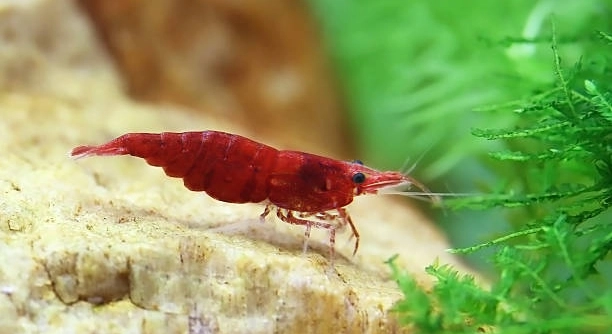
Are your cherry shrimp constantly clinging to the driftwood in your aquarium? Many shrimp owners notice this behavior and wonder if it is normal or a sign of stress. Observing them carefully can reveal subtle patterns.
Cherry shrimp are often found on driftwood because it provides a natural surface for grazing on biofilm and algae. Driftwood also offers shelter and a sense of security, which reduces stress and encourages regular feeding and activity.
Learning why they favor this spot can help maintain a balanced tank environment and support your shrimp’s overall well-being and comfort.
Understanding Cherry Shrimp Behavior
Cherry shrimp naturally seek surfaces where they can graze, and driftwood offers an ideal texture for this activity. The rough surface allows them to scrape off algae, biofilm, and other microorganisms that form naturally in the tank. They feel safer clinging to objects rather than swimming in open water. This behavior is also influenced by their molting cycle. Before and after molting, shrimp prefer sheltered spots to minimize exposure to potential stressors. Driftwood provides both physical security and a place to hide while their new exoskeleton hardens. Additionally, tannins released from driftwood can slightly lower pH and create a more comfortable environment, simulating their natural habitat. Many hobbyists notice that shrimp spend hours on the driftwood daily, moving along its contours and picking at surfaces. This is completely normal and indicates that your shrimp are actively feeding and exploring their environment in a way that promotes their health.
Their frequent use of driftwood is a positive sign of activity and well-being.
Ensuring that your driftwood is properly prepared and placed will encourage natural shrimp behavior. Rinse and soak new wood to remove contaminants, and position it to create both open areas and hiding spots. Driftwood should be large enough to provide multiple surfaces for grazing but not overcrowd the tank. Pairing it with live plants enhances security and feeding options, giving shrimp more choices for movement. Observing their habits can guide adjustments in tank setup, such as water flow and temperature, to maintain comfort. Recognizing these patterns also allows hobbyists to monitor for unusual behaviors that may indicate stress or disease. Providing an environment with adequate surfaces, hiding spaces, and stable water conditions ensures your shrimp thrive, showing vibrant colors and active feeding patterns. Simple attention to these details significantly improves shrimp health and reduces stress-related behavior, keeping your tank balanced.
Driftwood Placement Tips
Placing driftwood near plants or other decorations gives shrimp varied surfaces and shelter options. It prevents overcrowding while maintaining natural grazing spots.
When arranging driftwood, consider the shrimp’s need for security and movement. Position pieces so they create small caves or overhangs while leaving open swimming areas. Avoid placing wood directly under strong currents, which can stress the shrimp and reduce their time spent grazing. The size and shape of each piece should complement the tank layout, providing vertical and horizontal surfaces for exploration. Cleaning driftwood regularly prevents algae buildup from reaching excessive levels, while still maintaining biofilm for shrimp to feed on. Observing shrimp preferences helps refine placement. Some may favor one side or certain textures, guiding minor adjustments. Combining driftwood with live plants, mosses, and rocks creates a varied environment that encourages natural behaviors. Over time, this careful arrangement supports shrimp health, color, and activity, making the aquarium both functional and visually appealing while keeping shrimp engaged and comfortable.
Water Quality Considerations
Poor water quality can stress cherry shrimp, making them cling to driftwood more often. Ammonia, nitrite, and nitrate levels should be monitored carefully. Stable pH and temperature also play a crucial role in keeping shrimp active and comfortable in the tank environment.
Maintaining clean water helps shrimp feed freely and reduces the need for hiding. Regular water changes prevent toxin buildup and keep the biofilm on driftwood healthy for grazing. Using a gentle filter ensures adequate circulation without creating strong currents that might force shrimp to cling tightly to surfaces. Testing water parameters weekly provides early detection of imbalances, while adjusting feeding routines prevents excess waste. Clean, stable conditions directly support natural shrimp behaviors, including their preference for driftwood as both a food source and shelter.
Shrimp are sensitive to fluctuations in water hardness and mineral content. Soft, slightly acidic water often encourages natural behavior, while hard or fluctuating water can make them cling more defensively to objects. Observing shrimp movement after water changes or parameter adjustments can help track their comfort levels. Supplementing minerals, such as calcium for molting, ensures they remain healthy. Driftwood use becomes less about stress and more about feeding when the water environment consistently supports their needs. Consistency in water maintenance significantly reduces abnormal clinginess and promotes overall vitality.
Feeding and Nutrition
Overfeeding or underfeeding can influence where shrimp spend their time, often keeping them near driftwood surfaces. Balanced, moderate feeding encourages natural movement and exploration.
Shrimp require a mix of algae, biofilm, and supplemental foods like flakes or pellets. Feeding too much can cause uneaten food to decay, lowering water quality and encouraging shrimp to hide more. Offering food in small portions allows shrimp to graze actively without disturbing the tank balance. Rotating foods, including blanched vegetables or specialized shrimp foods, ensures proper nutrition. Observing shrimp while feeding shows which areas they prefer and helps adjust placement of food or driftwood. Maintaining a consistent feeding schedule supports health, molting cycles, and activity levels, allowing shrimp to use driftwood naturally for grazing rather than shelter alone.
Tank Decoration and Layout
Adding more hiding spots besides driftwood reduces shrimp clustering in one area. Plants, rocks, and moss provide additional surfaces for grazing and shelter.
Varying tank decor encourages shrimp to explore and move throughout the aquarium. Overcrowding driftwood can limit their natural activity and make them appear less active elsewhere.
Lighting Effects
Bright lighting can stress cherry shrimp, pushing them toward shaded driftwood areas. Moderate lighting helps balance their activity.
Adjusting the light cycle to mimic natural day and night patterns reduces stress. Using floating plants or moss creates shaded areas without limiting visibility.
Molting and Growth
Shrimp cling to driftwood during molting for safety. Soft surfaces protect them while their exoskeleton hardens.
Monitoring shrimp during molting ensures they have enough hiding spots. Providing minerals in water supports healthy growth and reduces molting complications.
FAQ
Why are my cherry shrimp always on the driftwood?
Cherry shrimp naturally cling to driftwood because it provides a safe surface for grazing on algae and biofilm. The texture allows them to feed efficiently, and the wood gives a sense of security. Driftwood also releases tannins that slightly lower pH, creating a comfortable environment similar to their natural habitat.
Is it normal for shrimp to spend most of their time on driftwood?
Yes, it is completely normal. Shrimp use driftwood as both a food source and a shelter. Their preference for this area indicates they are feeding actively and feel safe. Spending long periods on driftwood is a natural, healthy behavior and not usually a cause for concern.
Can water quality affect where shrimp spend their time?
Absolutely. Poor water conditions, such as high ammonia, nitrites, or fluctuating pH, can stress shrimp, causing them to cling more to driftwood or hiding spots. Maintaining stable water parameters, performing regular water changes, and using a gentle filter encourages shrimp to explore freely rather than remain in one area.
Do shrimp use driftwood differently during molting?
Yes, driftwood provides a protective surface during molting. Shrimp are vulnerable when shedding their exoskeleton, and the rough surface of the wood offers both traction and shelter while their new exoskeleton hardens. Ensuring multiple hiding spots reduces stress during this critical period.
Does lighting affect shrimp behavior on driftwood?
Lighting can influence where shrimp spend time. Bright lights may push them toward shaded areas of driftwood. Using moderate lighting or floating plants helps balance their activity, allowing shrimp to move naturally without hiding excessively.
Can feeding routines change how often shrimp cling to driftwood?
Yes, feeding plays a significant role. Overfeeding can reduce water quality and increase stress, while underfeeding encourages them to stay on driftwood searching for food. Providing small, consistent portions of shrimp-specific food and vegetables encourages grazing across the tank, keeping their behavior balanced.
Should I add more driftwood or decorations?
Adding more hiding spots and surfaces like rocks, plants, and moss helps distribute shrimp activity. Overcrowding with driftwood can limit movement, while a balanced layout allows shrimp to graze and explore naturally. Observing shrimp preferences can guide placement for optimal activity.
Does driftwood type matter for cherry shrimp?
Yes, type and texture matter. Smooth driftwood may not provide enough grip, while rough wood supports grazing and shelter. Ensure wood is properly soaked and safe for aquariums. Certain woods, like Malaysian driftwood, release beneficial tannins and help maintain stable water conditions.
Can stress make shrimp cling more to driftwood?
Stress increases clinginess. Factors like strong currents, sudden water changes, or aggressive tank mates can push shrimp to stay on driftwood for safety. Observing stress signals and adjusting tank conditions ensures shrimp remain comfortable and active.
How do I know if my shrimp are healthy while on driftwood?
Healthy shrimp are active, show vibrant colors, and graze regularly. They move along the driftwood, explore the tank, and molt without difficulty. Limp, discolored, or inactive shrimp may indicate stress or poor water conditions, requiring attention to parameters and nutrition.
Can driftwood alone provide enough food for shrimp?
Driftwood supports grazing through biofilm and algae but does not replace supplemental feeding. Providing shrimp-specific food, blanched vegetables, or algae wafers ensures complete nutrition, supporting molting, growth, and vibrant colors.
Is it okay if shrimp ignore the open tank areas?
Yes, this behavior is common. Driftwood offers both safety and feeding opportunities. Shrimp may prefer it over open swimming areas, particularly when lighting is bright or water flow is strong. Ensuring varied decor encourages balanced movement throughout the tank.
How often should I clean driftwood without disturbing shrimp?
Driftwood can be gently rinsed or lightly scrubbed during water changes to prevent excessive algae buildup. Avoid harsh cleaning, as biofilm is a primary food source. Observation helps maintain cleanliness while preserving the natural habitat shrimp rely on.
Can I combine driftwood with moss or plants?
Yes, combining driftwood with moss, java ferns, or other plants enhances surfaces for grazing and provides additional shelter. This combination reduces stress, encourages natural movement, and allows shrimp to utilize the entire tank environment.
Do all cherry shrimp behave the same way on driftwood?
Behavior varies by individual shrimp and tank conditions. Some may cling more frequently due to stress, molting cycles, or feeding preferences. Observing patterns helps adjust tank layout, lighting, and feeding routines to support the needs of all shrimp.
What signs indicate driftwood is helping shrimp thrive?
Active grazing, bright coloration, frequent molting, and exploration around the wood indicate that driftwood supports shrimp health. Shrimp that appear relaxed, move freely, and maintain natural behaviors are thriving in a properly maintained tank with adequate driftwood surfaces.
How can I encourage shrimp to explore beyond driftwood?
Providing additional surfaces like rocks, plants, and moss encourages exploration. Adjusting lighting, water flow, and feeding locations helps balance shrimp activity, preventing overreliance on a single surface while maintaining comfort and safety.
Is tannin release from driftwood beneficial for shrimp?
Yes, tannins help slightly lower pH and soften water, creating conditions similar to natural habitats. This supports molting, stress reduction, and overall health. Observing shrimp response ensures water chemistry remains within safe limits.
Can multiple shrimp species share the same driftwood?
Yes, compatible species can share driftwood, but behavior and grazing patterns may differ. Ensure all species have sufficient surfaces and hiding spots to reduce competition and stress, keeping the environment balanced for all inhabitants.
Does tank size affect driftwood use?
Smaller tanks may lead to more frequent driftwood use due to limited space, while larger tanks allow exploration. Adjusting driftwood placement and providing multiple surfaces ensures shrimp can graze and hide without overcrowding any single area.
How long does it take for shrimp to adjust to new driftwood?
Shrimp usually adapt within a few days to a week. They begin exploring, grazing, and molting on the new surface once it is water-conditioned and biofilm has formed. Monitoring activity confirms their comfort and adjustment.
Can driftwood reduce shrimp stress naturally?
Yes, driftwood provides a secure environment that reduces exposure to stressors like strong currents, bright lights, and open spaces. Its presence encourages natural grazing and hiding, promoting health, activity, and overall well-being in the aquarium.
Final Thoughts
Cherry shrimp naturally spend a lot of time on driftwood because it serves several important purposes. Driftwood provides a safe surface for grazing, allowing shrimp to feed on biofilm, algae, and other microorganisms that grow on it. Its rough texture makes it easier for shrimp to cling and move around without expending too much energy. The wood also gives a sense of security, reducing stress by offering a sheltered area where shrimp can rest, hide, and molt. Observing your shrimp using driftwood frequently is a positive indicator that they are healthy, comfortable, and actively exploring their environment. The driftwood’s position, size, and type can all influence how often shrimp use it, so it is important to consider these factors when setting up or rearranging the aquarium.
Maintaining proper water conditions is equally important for encouraging natural shrimp behavior. Stable parameters, including pH, temperature, and water hardness, reduce stress and prevent excessive clinginess to driftwood. Regular water changes and gentle filtration help maintain clean, stable water that supports biofilm growth and overall shrimp health. Feeding routines also affect how shrimp use driftwood. Overfeeding can reduce water quality and increase stress, while underfeeding may make them cling to the wood in search of food. Providing balanced nutrition with shrimp-specific food, blanched vegetables, and occasional algae wafers encourages grazing across multiple surfaces. Lighting and tank layout play a role as well. Moderate lighting and varied decorations, including moss, rocks, and plants, create a safe and stimulating environment, promoting natural activity rather than forcing shrimp to remain in one area.
Driftwood is more than just a decoration in a shrimp tank. It contributes to their overall well-being, supporting molting, feeding, and stress reduction. By observing shrimp behavior, you can determine whether they are healthy, active, and comfortable. Small adjustments to driftwood placement, water conditions, feeding, and lighting can have a significant impact on their activity levels and overall vitality. Combining driftwood with other natural elements enhances the tank’s environment, providing multiple surfaces for grazing and hiding. When properly maintained, driftwood becomes a reliable tool for creating a balanced, natural habitat. Paying attention to these details ensures your cherry shrimp thrive, displaying vibrant colors, active movement, and regular molting. Overall, understanding their behavior on driftwood helps you provide a comfortable and stimulating environment that supports both health and natural instincts.

Hello,
If you enjoy the content that we create, please consider saying a "Thank You!" by leaving a tip.
Every little bit helps us continue crafting quality advice that supports the health, happiness, and well-being of pets around the world, for pets of all shapes, sizes, and species.
We really appreciate the kindness and support that you show us!