
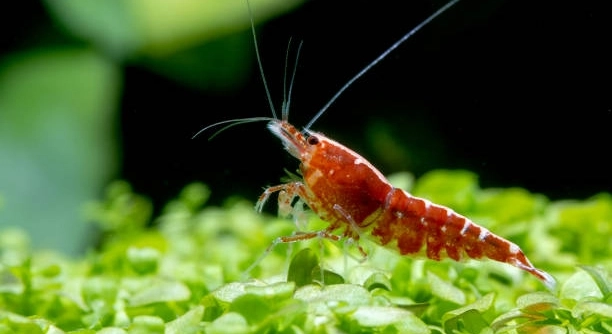
Have you ever noticed your cherry shrimp moving differently under bright aquarium lights? These tiny creatures are sensitive to changes in their environment, and lighting can play a significant role in their daily behavior. Observing them closely can reveal patterns.
Cherry shrimp can adjust to LED lighting over time if the transition is gradual and the intensity is moderated. Sudden or excessively bright illumination can cause stress, while steady, consistent light helps maintain normal activity and feeding behaviors.
Understanding how lighting impacts shrimp is important for maintaining a healthy aquarium. Adjusting light correctly can improve their well-being and overall environment in subtle but meaningful ways.
How Cherry Shrimp React to LED Light
Cherry shrimp are small and delicate, and their reaction to LED lighting can vary. When introduced to new light, they often hide or move cautiously around the tank. Their natural instinct is to avoid bright spots, which can make it seem like they are stressed. Over time, most shrimp begin to explore more as they acclimate, but sudden changes in intensity or duration may trigger consistent hiding or inactivity. Tank setup also plays a role: plants, hiding spots, and decorations give shrimp places to retreat while adjusting to light. Observing their movements can help determine if the lighting is too strong or just right. Adjusting the light gradually over several days or weeks allows their eyes and behavior to adapt. Consistency in light cycles also helps maintain normal feeding and molting habits, keeping shrimp healthy.
Gradual increases in light intensity reduce stress and allow shrimp to become accustomed to LEDs without sudden behavioral changes.
Monitoring light reactions ensures the tank remains a safe and comfortable habitat, supporting the shrimp’s natural behaviors while preventing long-term stress. Proper lighting promotes visibility without overwhelming them, creating a balanced environment where shrimp can thrive.
Tips for Adjusting LED Lighting
Start with dim lighting and slowly increase brightness over several days. Monitor shrimp behavior closely during this period.
Introducing LED lighting should be a careful process. Sudden bright light can cause shrimp to hide constantly, reducing feeding and interaction. Start with shorter light periods at low intensity and lengthen duration gradually. Adding floating plants or shaded areas can help reduce exposure while they adjust. Observing their behavior each day provides insight into whether the current setup is comfortable or needs modification. LED lights generate less heat, so they won’t harm water temperature, but brightness and spectrum are crucial. If shrimp are active and feeding normally, the light level is suitable. Consistent light cycles, around 8 to 10 hours daily, help maintain their internal rhythm. Avoid frequent changes in timing or intensity, as this can lead to stress or molting issues. A steady approach ensures that the aquarium remains a stable environment, supporting shrimp health and natural activity patterns.
Common Signs of Light Stress
Shrimp may hide constantly, stay near the tank bottom, or reduce activity when LED lighting is too strong. Their coloration can also fade slightly as a stress response, making it easier to spot adjustments needed in lighting setup.
Shrimp that are stressed by light often show changes in behavior quickly. They may stop eating or move less, avoiding open spaces in the tank. Molting can also be delayed, which impacts growth and overall health. Keeping track of these behaviors daily helps identify whether lighting adjustments are necessary. Providing shaded areas or plants allows shrimp to control their exposure and regain normal activity. LED lights should be set gradually to prevent sudden stress and help shrimp maintain regular feeding and interaction with the environment.
Even subtle differences in light intensity can affect shrimp behavior. A slight dimming or repositioning of LEDs can encourage more movement and feeding, while bright, direct lighting without cover can cause prolonged hiding. Observation is key to ensuring shrimp remain comfortable, and small adjustments often yield noticeable improvements in activity and coloration. Monitoring both duration and brightness allows for an environment that supports shrimp health without unnecessary stress, helping maintain a balanced aquarium ecosystem.
Adjusting Light Gradually
Start with shorter light periods and increase by one hour each day until reaching the desired duration. This gives shrimp time to adapt.
Gradual adjustment of LED lighting prevents sudden stress reactions. Begin with lower intensity and shorter periods, allowing shrimp to explore the tank while still feeling safe. Observe behavior carefully and extend light exposure only when shrimp appear active and comfortable. Floating plants or decorations provide shaded areas that help reduce direct exposure and create natural retreat spots. Over time, shrimp learn the lighting pattern and adjust their activity accordingly. Avoid sudden changes in timing or intensity, as this can disrupt feeding schedules, molting, and normal movement. Patience during this adjustment phase is essential to maintain healthy, stress-free shrimp.
Monitoring behavior during these changes is crucial. Signs of comfort include normal swimming, feeding, and interaction with the tank environment. If shrimp continue hiding or show unusual activity, reduce brightness or provide additional cover. A gradual, patient approach ensures the shrimp adapt naturally to LED lighting, preserving their health and promoting consistent daily behavior. Consistent observation helps identify the optimal balance of light intensity, duration, and shaded areas, making the aquarium environment stable and supportive for long-term shrimp wellbeing.
Choosing the Right LED Spectrum
Shrimp are more comfortable under lights that mimic natural daylight. Avoid overly blue or harsh white LEDs that may cause stress.
Red or soft white LEDs tend to be easier on shrimp. These colors create a calming environment and reduce hiding behavior, supporting normal feeding and activity patterns.
Placement of LED Lights
Position LEDs so they illuminate the tank evenly but avoid direct exposure on shrimp hiding areas. Using floating plants or decorations can diffuse light, giving shrimp shaded spots. This allows them to control their exposure naturally while still benefiting from the overall illumination for growth and observation.
Observing Behavioral Changes
Pay attention to shrimp movement, feeding habits, and interaction with their environment. Changes in activity often indicate how well they are adjusting to LED lighting. Consistent observation ensures lighting remains suitable and prevents long-term stress.
Using Dimmers and Timers
Dimmers and timers help control light intensity and duration, making adjustment gradual and consistent. They allow for smoother transitions and reduce sudden changes that could stress shrimp.
FAQ
Can cherry shrimp see LED lights clearly?
Cherry shrimp have simple eyes that detect changes in light intensity rather than fine details. LED lights are visible to them, and sudden changes can startle them. Gradual adjustments help shrimp adapt, while consistent light cycles reduce stress and encourage normal feeding and movement.
How long does it take for shrimp to adjust to new LED lighting?
Adjustment time varies but usually takes several days to a couple of weeks. Shrimp need time to explore and acclimate. Starting with lower intensity and gradually increasing brightness helps them adapt without hiding excessively or reducing feeding behavior. Observation during this period is important to ensure comfort.
Is direct LED light harmful to cherry shrimp?
Direct, intense LED light can cause stress, leading to hiding, reduced activity, or faded coloration. Providing shaded areas, plants, or decorations allows shrimp to escape strong illumination while still benefiting from light for tank visibility and algae growth.
Can LED lights affect shrimp molting?
Yes, stress from bright or sudden lighting changes can delay molting. Stable, moderate lighting helps maintain a consistent environment that supports healthy growth and regular molting cycles. Gradual transitions and shaded areas prevent interruptions in this natural process.
What is the ideal light duration for cherry shrimp?
Around 8 to 10 hours of light per day is generally sufficient. Too long can stress shrimp, while too short may affect their activity and algae growth. Using timers ensures consistent cycles, which helps shrimp develop regular behaviors and reduces sudden exposure stress.
Do LED colors matter for shrimp comfort?
Yes, soft white or red-toned LEDs are easier on shrimp eyes and reduce hiding behavior. Harsh blue or overly bright white lights can increase stress. A balanced spectrum that mimics natural daylight encourages normal activity while keeping the tank visually appealing.
Can shrimp get used to brighter LEDs over time?
Gradual increases in intensity allow shrimp to adjust safely. Sudden bright lights can cause persistent hiding or feeding reduction. Using dimmers or slowly raising intensity gives shrimp time to acclimate while minimizing stress-related behaviors.
Should I turn off LEDs at night?
Yes, a dark period is necessary for shrimp to rest. Leaving LEDs on all night can disturb natural behavior, reduce molting efficiency, and increase stress. A timer can help maintain consistent day-night cycles without manual intervention.
Are there signs that indicate LEDs are too bright?
Shrimp hiding constantly, reduced feeding, slower movement, or paler coloration are common signs of overexposure. Adjusting light intensity, duration, or adding shaded areas can help shrimp feel comfortable again.
Can plants help shrimp adjust to LED lights?
Plants provide shade and hiding spots, which allow shrimp to control light exposure naturally. Floating or tall plants reduce direct brightness and create a safer environment, promoting normal feeding and activity. This also enhances the overall tank ecosystem while keeping shrimp stress-free.
Is it better to use one LED fixture or multiple lights?
Multiple fixtures allow for even light distribution and reduce harsh spots. This prevents overexposure in certain areas, helping shrimp explore the tank freely while still providing adequate light for plants and tank visibility. Even distribution also supports algae control naturally.
Can sudden light changes cause long-term effects on shrimp?
Yes, abrupt changes can cause stress, disrupt feeding and molting, and reduce coloration over time. Gradual adjustments and consistent light cycles help maintain health and normal behavior, preventing long-term negative effects on shrimp well-being.
How often should LED intensity be checked?
Weekly observation is sufficient for most setups. Watch for hiding, feeding changes, or molting delays. If these occur, adjust intensity or reposition lights. Regular monitoring ensures the aquarium remains stable and shrimp continue thriving without unnecessary stress.
Are timers really necessary for cherry shrimp?
Timers are highly recommended. They provide consistent light cycles, prevent overexposure, and reduce stress caused by irregular lighting. Automated control also allows for precise gradual increases or decreases in light intensity, aiding smooth acclimation for shrimp.
Can LED lighting influence shrimp breeding?
Proper, stable lighting encourages normal activity and feeding, which supports breeding. Stressful or inconsistent light can reduce mating behavior and egg survival. Balanced, moderate light combined with shaded areas helps create optimal conditions for reproduction while keeping adults healthy.
Do all shrimp species react the same to LED lights?
Reactions vary by species. While cherry shrimp are moderately sensitive, other dwarf shrimp may respond differently to intensity or spectrum. Observing each species individually and adjusting light accordingly ensures comfort and maintains healthy activity and feeding patterns.
Is it safe to use very bright LEDs for aesthetic purposes?
Extremely bright LEDs may enhance tank appearance but can stress shrimp. If bright lights are preferred, ensure shaded areas exist and gradual acclimation is followed. Balancing aesthetics with shrimp welfare is crucial to maintain health and natural behavior.
Can LEDs replace natural sunlight for shrimp tanks?
Yes, LEDs can provide sufficient light for shrimp and plants without the risks of direct sunlight, such as temperature spikes or algae overgrowth. Proper spectrum, intensity, and duration mimic daylight effectively, supporting normal shrimp activity and tank health.
How do I know if my shrimp are thriving under LEDs?
Active swimming, regular feeding, healthy coloration, normal molting, and exploration of the tank indicate shrimp are comfortable. Lack of stress behaviors, such as hiding or inactivity, shows the LED setup is appropriate and supports long-term health.
Are there any other tips for keeping shrimp comfortable under LED lights?
Introduce lighting gradually, provide shaded areas, use timers, monitor behavior, and choose appropriate spectra. Combining these strategies ensures shrimp can adjust naturally, remain healthy, and maintain normal daily activities without unnecessary stress.
Cherry shrimp are small, delicate creatures that require careful attention to their environment. One of the most important factors in their tank is lighting. LED lights are popular because they are energy-efficient and easy to control, but they can also be intense for tiny shrimp. Adjusting the light gradually, using dimmers, or providing shaded areas helps shrimp adapt without stress. When shrimp feel comfortable, they move more, eat regularly, and interact with the tank naturally. Paying attention to their behavior under different lighting conditions gives valuable insight into how well they are adjusting. Even small changes, like repositioning a light or adding a floating plant, can make a big difference in their comfort and overall health.
Maintaining a consistent light schedule is just as important as light intensity. Shrimp benefit from predictable day and night cycles, generally around 8 to 10 hours of light each day. Using timers ensures that light exposure is steady and reduces sudden changes that could startle them. Bright, direct LEDs can cause stress if left on too long, while too little light may affect their activity and algae growth in the tank. Watching for signs like hiding, slower movement, or faded coloration helps identify whether the current lighting is appropriate. Providing options for shrimp to retreat from light, such as decorations or tall plants, allows them to control their exposure naturally. This simple adjustment not only reduces stress but also encourages feeding, exploration, and normal molting behavior.
Choosing the right LED spectrum also contributes to shrimp well-being. Soft white or red-tinted lights tend to be easier on their eyes, while overly blue or harsh white lights may trigger hiding and inactivity. Gradual transitions in brightness and duration, combined with adequate shaded areas, support their ability to acclimate to the tank environment. Regular observation is key: healthy shrimp display normal activity, feed consistently, and maintain vibrant coloration. By managing lighting carefully, shrimp can thrive under LED setups, and the aquarium becomes a stable, comfortable space for them to live. Consistency, patience, and attention to their responses make all the difference in creating a balanced environment that promotes long-term health and natural behavior.

Hello,
If you enjoy the content that we create, please consider saying a "Thank You!" by leaving a tip.
Every little bit helps us continue crafting quality advice that supports the health, happiness, and well-being of pets around the world, for pets of all shapes, sizes, and species.
We really appreciate the kindness and support that you show us!