
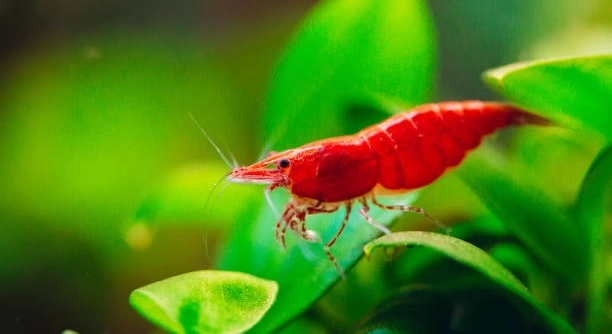
Do you ever notice your cherry shrimp behaving differently or hiding more than usual in their tank? Observing small changes in their environment can reveal larger issues that may affect their health and well-being.
Maintaining a healthy cherry shrimp tank requires consistent monitoring of water quality, temperature, and cleanliness. Indicators such as algae overgrowth, cloudy water, dead shrimp, or unusual behavior often signal that the tank needs adjustments or a thorough change.
Understanding these warning signs will help you provide a safe and comfortable habitat. Paying attention to the details ensures your shrimp thrive for the long term.
Cloudy or Discolored Water
Cloudy or discolored water is one of the first signs that your cherry shrimp tank may need attention. Water clarity is essential for shrimp health because poor water conditions can stress them and encourage bacterial growth. Even a slight haze can indicate an imbalance in the tank’s ecosystem. This might be caused by leftover food, excess waste, or insufficient filtration. Observing the water daily helps catch changes early before they affect your shrimp. Regular partial water changes and proper filtration are key to maintaining clean water. Adding live plants can also assist in keeping the water clear by absorbing nutrients that would otherwise fuel algae growth. Removing uneaten food and debris promptly prevents the buildup of organic matter, which can lead to cloudy water. Maintaining consistent water parameters such as pH, temperature, and ammonia levels ensures your shrimp remain healthy and active. A clean tank encourages natural behavior and vibrant coloration in cherry shrimp.
Cloudy water reduces oxygen availability and can stress your shrimp, making them more prone to disease and abnormal behavior.
Keeping water clear requires monitoring and maintenance. Regular cleaning and balanced feeding routines prevent cloudy water from recurring. Healthy filtration combined with live plants keeps the environment stable and shrimp thriving, reducing the risk of water-related problems in the tank.
Excessive Algae Growth
Excessive algae growth often indicates nutrient imbalances or too much light in your tank. Algae can cover surfaces, decorations, and plants, competing with shrimp for resources. While small amounts are normal and even beneficial, unchecked algae can harm water quality. Limiting light exposure and monitoring feeding habits can help reduce algae. Cleaning decorations and surfaces regularly prevents buildup and maintains the tank’s appearance. Algae-eating species, such as snails or certain shrimp, can assist in controlling growth.
Algae blooms affect water chemistry, potentially increasing ammonia and nitrate levels and stressing your shrimp.
Managing algae requires balancing light, nutrients, and tank maintenance. Overfeeding often accelerates algae growth by providing excess nutrients. Monitoring light duration and intensity helps prevent excessive growth. Incorporating live plants competes with algae for nutrients, naturally controlling its spread. Regular partial water changes and substrate cleaning remove organic material that fuels algae. Maintaining proper water parameters, including pH and temperature, creates a stable environment that discourages algae spikes. Removing algae manually ensures it does not overtake surfaces or reduce oxygen levels. Consistent maintenance and observation are essential to prevent algae from compromising shrimp health. A well-maintained tank promotes active shrimp and a visually appealing environment.
Dead or Missing Shrimp
Noticing dead or missing shrimp is a clear warning sign that your tank environment may be unhealthy. Even one lost shrimp can indicate water quality issues, disease, or stress in the group.
Shrimp are sensitive to sudden changes in water parameters, such as ammonia spikes, pH shifts, or temperature fluctuations. Poor water quality can weaken their immune systems, making them more vulnerable to disease or premature death. Overcrowding and aggressive tank mates can also contribute to missing or stressed shrimp. Regular monitoring, partial water changes, and proper feeding help prevent these problems. Maintaining a stable environment with consistent temperature and clean water encourages healthy growth and reproduction. Keeping track of molting cycles and observing behavior daily allows you to detect potential health issues before they worsen.
Prompt removal of dead shrimp and investigation of the cause is essential. Dead shrimp can pollute the water quickly, increasing ammonia and nitrate levels, which further endangers the remaining population. Ensuring proper filtration, feeding, and environmental stability reduces mortality. Monitoring shrimp closely during and after water changes helps catch stress or illness early. By addressing these issues immediately, you protect the tank’s ecosystem and maintain a thriving, healthy colony.
Unusual Behavior
Shrimp that act differently, such as hiding excessively or moving slowly, signal stress or poor water conditions. Behavior changes often reflect environmental problems before physical signs appear.
Unusual swimming patterns, lethargy, or reluctance to forage can indicate problems like high ammonia, nitrite, or nitrate levels. Stress from improper water temperature, sudden pH changes, or overcrowding can also alter behavior. Observing shrimp daily helps identify patterns that suggest underlying issues. Providing stable water conditions, regular cleaning, and avoiding overfeeding supports normal activity. Introducing hiding spots and plants reduces stress and allows shrimp to feel secure. Gradual adjustments to water parameters are important to avoid further shock.
Behavioral monitoring gives early insight into tank health. Noticing subtle changes helps prevent disease outbreaks and mortality. Consistent care, including proper water testing and controlled feeding, encourages natural behaviors and reduces stress. Maintaining adequate filtration, stable temperature, and a clean environment ensures shrimp remain active and healthy. Tracking shrimp behavior over time allows for informed decisions about maintenance, adjustments, or interventions needed to sustain a thriving tank. Observing their daily activity provides reassurance that the tank environment supports their overall well-being.
Overcrowding
Overcrowding can quickly stress cherry shrimp and disrupt the balance of your tank. Too many shrimp compete for food, hiding spaces, and oxygen, which can lead to weakened immunity and higher mortality rates.
Limiting the number of shrimp in your tank helps maintain stable water parameters. Overcrowding accelerates waste buildup, increasing ammonia and nitrate levels. Ensuring enough space per shrimp encourages normal behavior, successful molting, and reproduction. Regularly assessing population size and adjusting accordingly keeps the tank balanced and healthy. Providing sufficient hiding spots and plant coverage reduces stress from interactions. Proper maintenance, combined with mindful stocking, supports a thriving shrimp colony.
Poor Water Circulation
Insufficient water circulation can create dead zones in the tank where debris accumulates and oxygen levels drop. This can lead to localized stress for your shrimp.
Good circulation ensures even distribution of oxygen and nutrients throughout the tank. Stagnant areas promote algae growth and bacterial buildup. Adjusting the filter output or adding a small water pump can improve flow. Ensuring gentle current prevents shrimp from being swept away while maintaining a healthy environment.
Unstable Water Parameters
Sudden changes in pH, temperature, or hardness can shock your shrimp, causing stress, molting issues, or death. Even small fluctuations may impact long-term health. Monitoring these parameters daily is critical for maintaining stability. Consistent water testing, careful adjustments, and gradual corrections help prevent harm. Stability in water conditions supports feeding, breeding, and overall shrimp activity, ensuring the tank remains a safe and healthy environment.
Foul Odor
A foul odor from the tank usually indicates excess waste or decaying matter. This often signals that cleaning or water changes are overdue. Proper maintenance prevents buildup, keeping your shrimp environment safe and healthy.
FAQ
What causes water to become cloudy in a cherry shrimp tank?
Cloudy water usually results from excess organic matter, overfeeding, or insufficient filtration. Uneaten food and shrimp waste release particles that the filter may not catch immediately. Regular water changes, careful feeding, and cleaning the substrate help maintain clarity. Live plants can absorb nutrients that feed cloudiness, keeping water clearer.
Why are my cherry shrimp hiding more than usual?
Hiding often indicates stress from poor water quality, temperature fluctuations, overcrowding, or aggressive tank mates. Providing hiding spots like plants or decorations helps reduce stress. Ensuring stable water parameters and observing behavior daily allows you to identify issues before they escalate.
How do I control algae growth?
Algae growth increases with excess light and nutrients. Limit light exposure to 6–8 hours per day and avoid overfeeding. Removing algae manually, adding algae-eating shrimp or snails, and maintaining live plants helps balance nutrients and reduce growth. Regular partial water changes also prevent buildup.
What should I do if I notice dead shrimp?
Immediately remove any dead shrimp to prevent water contamination. Test water parameters to detect ammonia, nitrite, or nitrate spikes. Investigate potential causes such as disease, sudden temperature changes, or poor water quality. Adjust tank conditions gradually and maintain regular cleaning to prevent further loss.
How can I prevent my shrimp tank from becoming overcrowded?
Overcrowding causes stress, competition for food, and poor water quality. Monitor population size and remove excess shrimp if necessary. Providing adequate hiding spots, plants, and substrate space reduces aggression and stress among shrimp. Stocking the tank according to its size ensures a stable environment.
Why does my tank sometimes smell bad?
A foul odor comes from decaying food, dead shrimp, or accumulated waste. Performing regular water changes, cleaning substrate, and removing debris promptly prevents odor. Adequate filtration and avoiding overfeeding help maintain a healthy-smelling environment.
How often should I test water parameters?
Water should be tested at least once a week for ammonia, nitrites, nitrates, pH, and temperature. Regular monitoring helps detect changes early and prevents stress or mortality. Maintaining consistent water quality supports shrimp health, growth, and breeding success.
Can sudden temperature changes harm my shrimp?
Yes. Cherry shrimp are sensitive to temperature fluctuations. Sudden drops or spikes can cause stress, molting problems, or death. Use a reliable heater, monitor temperature daily, and make gradual adjustments when needed to maintain stability.
What is the best way to feed cherry shrimp?
Feed small amounts once or twice a day. Uneaten food should be removed to prevent water pollution. A balanced diet of shrimp pellets, blanched vegetables, and algae-based food supports growth, coloration, and reproduction. Avoid overfeeding to maintain water quality.
How do I encourage breeding in my shrimp tank?
Stable water parameters, adequate hiding spots, and a balanced diet encourage breeding. Healthy adults and clean water increase the chances of successful hatching. Avoid overcrowding and sudden environmental changes to maintain a safe environment for eggs and baby shrimp.
What signs indicate my water parameters are unstable?
Frequent behavioral changes, increased hiding, lethargy, cloudy water, or unexpected deaths are signs of unstable water. Sudden pH shifts, temperature swings, or spikes in ammonia or nitrites often cause these issues. Regular monitoring allows you to catch and correct problems quickly.
Is it necessary to clean the tank substrate regularly?
Yes. Substrate can trap waste, leftover food, and debris, which can pollute water and encourage algae. Gentle vacuuming during water changes prevents buildup without disturbing shrimp too much. Clean substrate promotes healthy water conditions and reduces stress.
Can live plants improve shrimp health?
Absolutely. Live plants absorb excess nutrients, provide hiding spaces, and help maintain water quality. Plants also encourage natural behaviors like grazing. Choosing hardy species that thrive in your tank conditions maximizes their benefits for shrimp health and overall tank stability.
How do I know when it’s time for a partial water change?
Cloudy water, foul odor, increased algae, or unusual shrimp behavior usually signals it’s time for a partial water change. Replacing 20–30% of water weekly or as needed keeps parameters stable and reduces stress, supporting shrimp health and longevity.
Are there signs of disease in cherry shrimp?
Shrimp may show signs such as lethargy, discoloration, missing limbs, or abnormal swimming patterns. Early detection through observation and water testing is key. Addressing water quality, temperature, and diet promptly reduces the risk of disease spreading.
Maintaining a cherry shrimp tank requires careful attention to detail and consistency. Observing your shrimp daily helps identify small changes before they become serious problems. Signs like cloudy water, unusual behavior, dead shrimp, algae overgrowth, or foul odors indicate that your tank may need adjustments. Each of these issues reflects changes in the tank’s environment, whether due to water quality, overcrowding, or insufficient maintenance. By paying close attention to these warning signs, you can take action promptly, preventing stress or illness in your shrimp. Small, regular efforts such as partial water changes, substrate cleaning, and monitoring water parameters can make a significant difference in their overall health. Maintaining stability in pH, temperature, and nutrient levels ensures that shrimp can thrive without unnecessary stress, which supports normal behavior, molting, and reproduction. Keeping the tank clean and well-balanced is the foundation for a thriving aquatic environment.
Providing a suitable habitat goes beyond cleaning and water changes. Proper filtration and adequate water circulation help maintain consistent oxygen levels and reduce stagnant areas where debris or waste can accumulate. Adding live plants not only enhances the tank’s aesthetic appeal but also improves water quality by absorbing excess nutrients and offering hiding spaces for shrimp. Hiding spots are especially important during molting, as shrimp are vulnerable at that time. Avoiding overcrowding ensures that shrimp have enough space to move freely, feed without competition, and maintain social harmony. Overfeeding should be avoided because leftover food can quickly deteriorate water quality, leading to ammonia or nitrate spikes. Observing shrimp behavior and maintaining their environment carefully are key to long-term success. This level of attention creates a healthy, stable ecosystem where shrimp remain active, colorful, and reproduce successfully.
Consistency in care is essential for the long-term health of your cherry shrimp. Regular testing of water parameters such as ammonia, nitrite, nitrate, pH, and temperature allows you to detect changes early and make adjustments gradually. Gradual corrections are important because sudden shifts can stress shrimp and disrupt their behavior or molting cycles. Removing dead shrimp, controlling algae growth, and maintaining clean substrate help prevent water quality issues and potential disease. Feeding a balanced diet that includes high-quality shrimp pellets, vegetables, and algae-based foods supports growth, color, and reproduction. Monitoring population size and adjusting accordingly prevents overcrowding and competition. Over time, these simple, consistent actions combine to create a stable, safe environment where shrimp thrive. A well-maintained tank not only keeps shrimp healthy but also makes caring for them more rewarding and manageable, ensuring that your aquarium remains a vibrant and balanced ecosystem for years to come.

Hello,
If you enjoy the content that we create, please consider saying a "Thank You!" by leaving a tip.
Every little bit helps us continue crafting quality advice that supports the health, happiness, and well-being of pets around the world, for pets of all shapes, sizes, and species.
We really appreciate the kindness and support that you show us!