
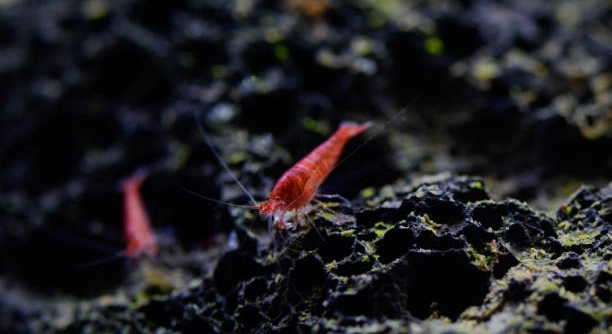
Have you ever noticed your cherry shrimp resting quietly among the plants and decorations in your tank? These small, vibrant creatures have unique habits that can be surprisingly fascinating to observe and understand.
Cherry shrimp do not always sleep in the same spot. They tend to rest in various safe areas within their environment, often hiding among plants or decorations. Their resting locations can change depending on safety, comfort, and environmental conditions.
Observing where cherry shrimp choose to rest can reveal more about their behavior and overall comfort in your aquarium setup.
Cherry Shrimp Resting Patterns
Cherry shrimp have resting patterns that are gentle and subtle. They often slow down their movements during quieter periods of the day, usually hiding among plants, moss, or decorations. Unlike some fish, they do not have a fixed sleeping schedule and can rest at different times, often multiple times in a day. Their rest is not deep sleep as humans experience, but more of a calm, low-activity state. You might notice them staying still on leaves or clinging to aquarium surfaces for several minutes. Factors such as tank lighting, temperature, and presence of other shrimp or fish can influence where they choose to rest. Even small changes in the environment, like rearranging decorations or adding new plants, can cause them to pick different spots. Observing these patterns can help you understand their comfort and stress levels, providing insights into their overall health and how they interact with the tank environment.
Cherry shrimp often prefer resting in safe, covered areas, avoiding open spots in the tank.
Understanding their resting habits helps maintain a stable environment. Proper tank conditions, gentle lighting, and minimal disturbances encourage natural behavior and comfort. Noticing where and when they rest also gives insight into their health and stress levels. Monitoring these subtle patterns can ensure your shrimp remain active, healthy, and secure. Adjusting plant placement, providing hiding spaces, and maintaining stable water conditions can significantly improve their well-being. By observing them over time, you can see consistent preferences emerge, though individual shrimp may differ. Their resting behavior also reflects how safe they feel in their tank. Comfortable shrimp will explore more freely while still taking short rest periods, while stressed shrimp may remain hidden longer. Taking note of these habits creates a more harmonious aquarium, supporting both the shrimp’s health and the overall tank balance.
Ideal Resting Spots
Shrimp often choose areas that provide cover, like dense moss or plant leaves, to rest safely.
Safe spots allow them to conserve energy and feel protected. These locations reduce stress and provide stable conditions for their subtle rest periods. Hiding under moss or inside small decorations creates an environment where shrimp feel secure. Additionally, surfaces near slow-moving water or gentle filtration are preferred, as strong currents can disturb resting shrimp. Observing which areas are most popular can help guide tank setup and decoration choices. Ensuring multiple resting options increases comfort and encourages natural behavior. You can also rotate or refresh plants to see how preferences change. Properly arranged tanks with soft lighting and plenty of cover not only support resting but also encourage shrimp to feed and interact safely, promoting a healthier and calmer aquarium environment. Maintaining consistency in water parameters, temperature, and hiding spots ensures the shrimp feel confident moving between rest and activity areas. Over time, you can note patterns and provide a supportive, secure tank that meets their needs.
Factors Affecting Cherry Shrimp Rest
Lighting in the tank greatly affects shrimp rest. Bright lights can make them hide more, while dimmer areas encourage resting. Temperature and water quality also influence where and how long they stay still.
Consistent water temperature is important. Sudden changes can stress shrimp, making them restless or hiding excessively. Filtration and aeration should be gentle, as strong currents can prevent shrimp from settling comfortably. Even tank mates play a role; active or aggressive species may cause shrimp to retreat more often. Providing multiple hiding spots, such as moss, plants, and decorations, allows shrimp to choose safe areas suited to their comfort. Observing these patterns helps ensure your shrimp remain healthy and reduce stress.
Diet and feeding schedule can subtly affect resting habits. Well-fed shrimp may rest more confidently, while hunger or irregular feeding may make them more active and anxious. Foods that sink slowly allow shrimp to feed without moving far, helping maintain their chosen resting spots. Changing food types or schedules can shift behavior temporarily, so maintaining consistency helps them adapt. Watching how feeding interacts with rest can guide you in balancing nutrition and environmental comfort.
Observing and Supporting Natural Behavior
Hiding spaces directly influence shrimp behavior. Dense moss, leaves, and small caves allow them to rest safely, reducing stress and supporting natural habits.
Providing varied surfaces encourages exploration while maintaining safety. Cherry shrimp often move slowly between areas, grazing on biofilm or algae. Smooth leaves, textured decorations, and moss mats give options for both feeding and resting. Positioning hiding spots near gentle water flow ensures oxygen access without disturbance. Observing these choices reveals preferences that can guide tank layout. Adjusting plants or decorations periodically can help prevent stagnation while keeping shrimp comfortable. Consistency in water parameters and lighting supports calm behavior. Overall, combining secure hiding places, soft lighting, and stable water creates a balanced environment where shrimp can rest naturally and maintain healthy activity levels.
Common Resting Spots
Cherry shrimp often rest on plant leaves, moss, or decorations where they feel safe. These spots provide cover and stability, helping them stay calm.
They also use tank surfaces like glass or driftwood when no dense vegetation is available. Resting on varied surfaces gives them flexibility in choosing comfort zones.
Influence of Tankmates
Tankmates can significantly impact shrimp resting habits. Active or aggressive fish may cause shrimp to hide more frequently, reducing their visible rest periods. Gentle species allow shrimp to move freely and rest without stress. Observing interactions can help identify the best community setup for comfortable resting environments.
Signs of Stress
Shrimp that constantly hide or move rapidly may be stressed. Monitoring behavior helps ensure they remain healthy and secure.
Maintaining a Calm Environment
Stable water conditions, gentle filtration, and minimal sudden disturbances help shrimp rest naturally. Consistency in tank care supports their overall comfort and promotes regular, healthy resting habits.
FAQ
Do cherry shrimp sleep at night?
Cherry shrimp do not follow a strict day-night sleep schedule like humans. They often rest intermittently throughout the day and night. While they may be less active during darker periods, their activity is influenced by tank lighting, water conditions, and overall safety. Observing them over time reveals subtle patterns of low activity rather than a consistent night-time sleep.
How can I tell if my shrimp are resting or sick?
Resting shrimp remain in a calm, low-activity state and usually cling to surfaces or hide safely. Sick shrimp often appear lethargic, stay isolated, or exhibit unusual swimming patterns. Changes in color, transparency, or lack of appetite are warning signs. Monitoring behavior carefully and maintaining proper water parameters helps distinguish normal rest from illness.
Do cherry shrimp always return to the same resting spot?
No, cherry shrimp rarely use the same spot consistently. They move between safe areas depending on comfort, water flow, tank layout, and lighting. Providing multiple hiding spots allows them to choose where they feel secure. Over time, you may notice preferred areas, but these can change with environmental shifts.
How much rest do cherry shrimp need daily?
There is no exact amount of rest for cherry shrimp, as it varies with age, activity level, and environmental factors. Younger shrimp may be more active, while older shrimp may rest more frequently. Observing their natural patterns helps ensure they have enough opportunities to rest safely.
Do shrimp rest alone or in groups?
Cherry shrimp may rest individually or near other shrimp. Group resting occurs when multiple shrimp find safe, comfortable spots nearby. Safety and calm surroundings encourage them to remain in proximity, but each shrimp chooses its resting place based on personal comfort and perceived security.
Can stress affect resting behavior?
Yes, stress greatly impacts resting habits. Sudden changes in water temperature, poor water quality, or aggressive tankmates can make shrimp hide constantly or move continuously without resting. Ensuring stable conditions and quiet surroundings supports natural resting behavior and overall health.
Do cherry shrimp need specific surfaces to rest?
Shrimp prefer surfaces that feel secure. Moss, plants, leaves, and textured decorations are commonly used. Smooth or bare tank surfaces may be used temporarily, but having multiple secure options encourages natural resting behavior and reduces stress. Observing preferences helps optimize tank layout for comfort.
Do feeding habits influence rest?
Yes, diet and feeding schedule affect activity and rest. Well-fed shrimp may rest confidently, while hunger can make them more active and restless. Foods that sink slowly allow shrimp to feed while staying near preferred resting spots, balancing nutrition with comfort. Consistency in feeding supports predictable resting patterns.
How can I make my shrimp feel safe while resting?
Providing multiple hiding spots, gentle water flow, and stable lighting helps shrimp feel secure. Avoid sudden tank disturbances, maintain proper water parameters, and monitor tankmate behavior. A calm, consistent environment encourages natural resting behavior and reduces stress.
Is it normal for shrimp to change resting spots frequently?
Yes, frequent changes are normal. Cherry shrimp explore their environment while seeking safety and comfort. Moving between moss, plants, and decorations allows them to find ideal conditions for rest and reduces the risk of stress or predation.
What signs show that resting areas are suitable?
Shrimp resting comfortably stay still for periods, move slowly when exploring, and appear alert but calm. Healthy shrimp often return to the same general area but are not restricted to one spot. Observing calm, confident behavior indicates the resting areas meet their needs.
Do environmental changes affect resting habits?
Absolutely. Rearranging plants, decorations, or changing water parameters can cause shrimp to alter resting locations. Gradual adjustments allow them to adapt without stress, while sudden changes may increase hiding or restless behavior. Monitoring responses helps maintain a stable, comfortable tank.
Can shrimp sleep in open areas?
Sometimes, but they usually prefer covered spots. Open areas are riskier, and shrimp may only rest there briefly if they feel secure and the tank is calm. Providing multiple safe hiding options is essential for consistent, stress-free resting.
Does tank size influence resting behavior?
Tank size can affect shrimp comfort. Larger tanks require more hiding spots and distribution of cover to ensure shrimp feel secure. Smaller tanks may limit options, so thoughtful placement of plants and decorations helps compensate, supporting natural resting habits.
Do shrimp need quiet surroundings to rest properly?
Yes, minimal disturbances promote calm resting behavior. Constant tapping on glass, rapid movements, or aggressive tankmates can disrupt rest. Maintaining a quiet, stable environment supports regular resting periods and reduces stress.
How often should I observe shrimp to check their resting habits?
Daily observation helps understand individual and group patterns. Noting preferred resting areas, activity levels, and responses to environmental changes ensures shrimp remain healthy and comfortable while allowing you to adjust tank conditions as needed.
Can water parameters affect rest quality?
Stable water parameters are critical. Fluctuations in temperature, pH, or ammonia levels can stress shrimp, reducing rest quality. Regular monitoring and maintenance of water conditions ensure shrimp can rest naturally, supporting overall health and longevity.
Do shrimp rest more during certain seasons?
Seasonal changes may influence activity slightly, especially if lighting or temperature varies. Indoor aquariums with controlled conditions reduce seasonal effects, but subtle patterns may still emerge. Observing behavior helps adjust care to maintain comfort throughout the year.
Are juvenile shrimp’s resting habits different from adults?
Yes, juveniles tend to be more active and may rest less frequently. Adults rest more often and may prefer stable, sheltered spots. Providing hiding places suitable for all sizes ensures both juveniles and adults can rest safely and comfortably.
Can providing multiple hiding spots reduce stress?
Absolutely. More hiding options give shrimp control over where they feel safe. This reduces stress, encourages natural behavior, and allows shrimp to choose resting spots that suit their individual needs, enhancing overall health and well-being.
How can I tell if a shrimp is resting too long?
Long periods of inactivity paired with unusual posture, pale color, or lack of response to stimuli may indicate health issues rather than normal rest. Monitoring overall behavior, feeding habits, and water conditions helps distinguish normal rest from potential problems.
Does substrate type affect resting behavior?
Yes, soft or textured substrates allow shrimp to cling or settle comfortably. Hard or slippery surfaces may be used occasionally but are less preferred. Observing how shrimp interact with different surfaces can guide substrate choice for optimal resting conditions.
Can adding live plants improve resting comfort?
Live plants provide natural cover, surfaces for grazing, and hiding spots. They help create multiple comfortable resting areas, support natural behavior, and improve water quality. Incorporating plants strategically enhances both safety and overall tank balance.
Do shrimp show signs of rest without moving?
Yes, when shrimp remain still, cling to surfaces, or tuck into moss, they are likely resting. Small movements like antenna twitching may occur, but overall low activity indicates a calm, restful state. Observing these subtle cues confirms comfort and safety in their environment.
Can tank decorations influence rest locations?
Definitely. Hiding spots, caves, or textured decorations provide security and preferred surfaces for resting. Rearranging decorations can change resting habits temporarily, but stable, thoughtfully placed structures support consistent, stress-free behavior over time.
Do shrimp rest more when kept in groups?
Group living can make shrimp feel safer, promoting relaxed resting periods. Observing shrimp together may show clusters resting near each other, but each shrimp still chooses its own comfort spot. Group presence enhances a sense of security without forcing shared locations.
How long do cherry shrimp usually stay in one resting spot?
It varies. Some may stay a few minutes, while others rest longer if they feel secure. Changing spots is normal, depending on water flow, tankmates, and lighting. Providing multiple options ensures they can rest comfortably without disruption.
Does water current affect where shrimp rest?
Yes, strong currents can prevent shrimp from settling comfortably. They prefer gentle flow areas or sheltered spots where resting is undisturbed. Adjusting filtration and adding calm zones helps maintain proper resting behavior.
Can I encourage shrimp to use specific resting areas?
Providing cover, soft surfaces, and gentle lighting guides shrimp toward certain areas. Consistent placement of plants and decorations, along with calm water flow, encourages safe and comfortable resting spots without forcing behavior.
Do shrimp wake easily from rest?
Yes, shrimp are alert and can respond quickly to disturbances. They may hide or move rapidly if sensing changes in water, light, or tankmate activity. Creating a calm, stable environment reduces frequent waking and stress.
How can I track resting patterns effectively?
Observe shrimp at different times of the day, note preferred surfaces, and record activity levels. Over time, patterns emerge that help optimize tank layout, hiding spots, and care routines for consistent comfort.
Does stress-free rest impact shrimp health?
Absolutely. Proper rest reduces stress, supports immune function, and encourages natural feeding and activity. Maintaining a calm, stable environment ensures shrimp remain healthy, active, and display natural behaviors consistently.
Do shrimp have a favorite resting spot?
Some shrimp develop preferences for certain plants or decorations, but choices can change. Providing variety ensures comfort, reduces stress, and allows shrimp to rest according to safety and environmental factors rather than limitation.
Are resting habits the same for all shrimp?
No, individual shrimp differ. Age, personality, and tank position influence resting behavior. Observing each shrimp helps provide suitable conditions for everyone, supporting a balanced and harmonious tank environment.
Do shrimp rest more when the tank is quiet?
Yes, minimal disturbances encourage calm, low-activity periods. Quiet surroundings, stable water, and gentle lighting help shrimp settle comfortably, promoting natural resting habits and overall well-being.
Can improper tank care disrupt resting patterns?
Yes, inconsistent water changes, poor filtration, or fluctuating temperature can stress shrimp and alter resting habits. Regular, careful maintenance ensures they can rest safely and display normal behavior consistently.
Does shrimp size influence preferred resting spots?
Smaller shrimp may hide in tighter spaces, while larger shrimp prefer broader, stable areas. Providing a mix of cover sizes ensures all shrimp can rest comfortably according to their size and needs.
How do I know my shrimp are resting enough?
Balanced activity levels, regular feeding, and calm hiding behavior indicate sufficient rest. Observing natural patterns and maintaining stable tank conditions ensures shrimp remain healthy and well-rested.
Can adding more plants reduce aggressive interactions during rest?
Yes, dense vegetation provides cover and separates shrimp from tankmates, minimizing stress and interruptions. This allows shrimp to rest peacefully and move freely without conflict, enhancing overall comfort and well-being.
Do shrimp show signs of stress when resting in open areas?
Yes, frequent movement, rapid antennae flicks, or quick relocation from open areas indicates discomfort. Providing covered resting spots reduces stress and encourages natural calm behavior.
Does water temperature affect rest length?
Yes, optimal temperatures support calm, regular rest. Too high or low temperatures can increase activity or stress, reducing effective resting periods. Monitoring and maintaining proper temperature ensures shrimp can rest safely and comfortably.
How can I encourage natural resting behavior?
Stable water, gentle lighting, multiple hiding spots, and calm tankmates promote natural rest. Observing shrimp preferences and adapting the environment accordingly supports healthy, low-stress resting habits consistently.
Do shrimp rest differently in planted vs. bare tanks?
In planted tanks, shrimp utilize leaves, moss, and decorations for cover, resulting in safer and calmer resting periods. Bare tanks provide fewer options, potentially increasing stress or forcing shrimp to rest in exposed areas, which can reduce comfort and natural behavior.
Does tank lighting schedule affect resting habits?
Yes, gradual light changes and predictable schedules encourage calm periods. Sudden bright light or inconsistent timing can disrupt resting behavior, causing shrimp to hide or move excessively. Consistency supports regular, low-activity periods.
Can shrimp adapt to changes in resting spots?
Yes, they can explore and adjust to new locations if provided with safe, comfortable options. Gradual environmental changes minimize stress and allow shrimp to find suitable resting areas naturally.
Do shrimp prefer horizontal or vertical surfaces for resting?
Both are used, depending on safety and stability. Leaves, moss mats, and decorations provide horizontal surfaces, while vertical plant stems or driftwood edges can also serve as resting spots, offering variety and comfort in the tank environment.
How does aquarium size influence hiding and resting behavior?
Larger tanks require more hiding spots to ensure shrimp feel safe. Smaller tanks need careful placement of plants and decorations to prevent overcrowding and maintain comfortable resting areas for all shrimp.
Do shrimp rest more during feeding times?
Resting may be reduced slightly as shrimp explore and feed, but they often return to low-activity states afterward. Providing slow-sinking food near hiding spots allows minimal disruption to rest while ensuring proper nutrition.
Can aquarium noise affect resting shrimp?
Yes, vibrations, loud noises, or frequent tapping can disturb shrimp, causing frequent movement or stress. Keeping the tank environment calm supports natural resting patterns and overall comfort.
How long do shrimp stay hidden before resting openly?
It depends on perceived safety. Shrimp may hide until calm conditions are established, then move to more open areas. Providing multiple secure options encourages confidence and reduces prolonged hiding.
Do cherry shrimp rest differently in community tanks?
Yes, presence of other species influences resting behavior. Passive, non-aggressive tankmates allow natural low-activity periods, while active or predatory species increase hiding and reduce visible rest. Observing interactions helps maintain suitable conditions for comfort.
Can regular observation change shrimp behavior?
Minimal observation does not disturb shrimp, but frequent tapping or sudden movements can alter resting habits. Watching quietly supports natural behavior while allowing insight into preferred resting areas and overall health.
Do shrimp resting patterns change with age?
Yes, younger shrimp are often more active, while adults rest more frequently. Providing appropriate hiding spots for all life stages ensures comfort and promotes natural low-activity periods for both juveniles and adults.
How important is water stability for consistent resting?
Extremely important. Fluctuations in temperature, pH, or ammonia stress shrimp, reducing rest quality. Stable water parameters allow calm, low-activity behavior, supporting health and natural behavior.
Can adding decorations too close together stress shrimp?
Yes, overcrowding can reduce accessible resting spots and increase competition. Spacing plants and decorations thoughtfully ensures multiple secure areas for calm, stress-free resting behavior.
Do shrimp move during rest?
Yes, minor antenna movements or slow repositioning are normal. Full inactivity is rare. Observing these subtle motions indicates they are resting while remaining alert to the environment.
Are resting habits affected by breeding behavior?
Yes, berried females or mating shrimp may select safer spots to rest or reduce movement. Providing secluded, secure areas ensures they can rest comfortably during reproductive periods without disturbance.
How long can a shrimp rest continuously?
Rest periods vary. Some may rest a few minutes, others longer if conditions are calm. Observing consistent low-activity behavior helps determine normal resting duration for your tank’s shrimp.
Can stress recovery improve resting patterns?
Yes, reducing disturbances, stabilizing water parameters, and providing adequate hiding spots helps shrimp return to natural resting habits. Recovery leads to healthier behavior, more consistent rest, and reduced hiding stress.
Do shrimp need soft or rough surfaces to rest?
Both can be used, but textured or soft surfaces like moss or plant leaves are preferred. These provide grip and comfort, supporting natural resting behavior and reducing stress.
Can adding moss mats improve rest?
Yes, moss mats create secure, textured areas for shrimp to cling and rest. They also offer grazing surfaces and safe hiding spots, enhancing comfort and supporting calm behavior throughout the tank.
Do shrimp rest less in crowded tanks?
Yes, crowded conditions can increase stress and reduce calm resting periods. Providing adequate space, hiding spots, and careful population management encourages natural low-activity behavior.
How can I ensure my shrimp rest safely?
Stable water, gentle lighting, multiple hiding spots, and calm tankmates promote safe, low-stress rest. Observing preferences and adjusting the environment supports overall health and natural resting behavior.
Do cherry shrimp have a sleep cycle?
Not like mammals. They exhibit intermittent low-activity periods rather than a structured sleep cycle. Observing these calm moments gives insight into their comfort and tank conditions, rather than fixed sleeping times.
How do I maintain consistency in resting spots?
Keep plants, decorations, and water parameters stable. Minimal sudden changes and gentle handling ensure shrimp feel secure and can rest naturally without frequent relocation or stress.
Do shrimp need total darkness to rest?
No, dim or filtered lighting is sufficient. Complete darkness is unnecessary; low light and calm surroundings allow shrimp to enter low-activity states comfortably without disrupting behavior.
Can shrimp adapt to new resting spots easily?
Yes, given safety and comfort, shrimp explore and adjust. Gradual changes in decorations or plants help them adapt without stress, maintaining natural resting behavior.
Does resting behavior indicate overall health?
Yes, calm, low-activity behavior in safe areas signals comfort and good health. Excessive hiding, erratic movement, or unusual inactivity may indicate stress or illness, warranting closer observation and care.
Are resting patterns the same in planted vs. minimal tanks?
Planted tanks provide more hiding and resting options, promoting calm behavior. Minimal tanks may force shrimp into exposed areas, reducing comfort and increasing stress, affecting overall resting habits.
Do shrimp ever rest on substrate?
Yes, especially soft or textured substrate. While they prefer moss or plants, the substrate can provide temporary resting areas when other cover is unavailable.
How important is tank maintenance for resting behavior?
Regular cleaning, water changes, and monitoring parameters ensure a safe, comfortable environment. Consistent care supports natural resting habits, reduces stress, and maintains overall health.
Can resting behavior be used to monitor stress?
Yes, changes in preferred spots, excessive hiding, or unusual activity levels indicate stress. Observing resting habits alongside environmental factors helps maintain comfort and overall well-being.
Do shrimp rest in clusters?
Sometimes. Multiple shrimp may choose adjacent safe spots. While individual preferences matter, clustering often reflects calm, secure conditions and a sense of safety in numbers.
Can frequent tank changes disrupt resting habits?
Yes, sudden alterations to layout or water parameters can stress shrimp, forcing them to hide or move constantly. Gradual, thoughtful changes minimize disruption and support natural resting behavior.
How does water flow near resting spots matter?
Gentle flow provides oxygen without disturbing shrimp. Strong currents can prevent settling. Placing resting areas in calm zones ensures comfort and promotes low-activity behavior.
Do shrimp ever rest while feeding?
Yes, slow-moving foods allow shrimp to remain near hiding spots while grazing. This balance supports both nutrition and rest without forcing excessive movement.
Can temperature fluctuations interrupt rest?
Yes, sudden increases or decreases in water temperature can increase activity or stress, reducing low-activity periods. Maintaining stable temperature supports natural resting behavior and overall health.
Do shrimp choose resting spots based on visibility?
Cherry shrimp are small creatures with surprisingly thoughtful behaviors, especially when it comes to resting. Observing them quietly over time shows how they select spots that feel safe and comfortable. They rarely sleep in a fixed place, instead moving between hiding spots like moss, plants, or decorations. This behavior is natural and helps them feel secure. Each shrimp is slightly different—some may prefer dense moss, while others might rest on leaves or the tank glass. Their choices depend on safety, comfort, water flow, and the presence of other tankmates. Understanding these resting patterns is helpful, not only to appreciate their behavior but also to ensure the tank provides an environment that supports calm and healthy living.
Resting behavior is also a strong indicator of their overall well-being. Shrimp that feel secure will move calmly between hiding spots and rest for short periods without appearing stressed. On the other hand, shrimp that are constantly hiding, moving erratically, or avoiding all areas of the tank may be under stress or affected by poor water conditions. Maintaining stable water parameters, gentle lighting, and consistent feeding schedules allows them to rest naturally. Providing multiple hiding spots ensures that each shrimp has a choice of where to rest, reducing competition and stress. Tankmates also influence rest, as active or aggressive species may push shrimp to hide more often, while peaceful companions allow them to rest in open areas without fear.
Creating a comfortable environment for cherry shrimp takes attention and consistency. Small changes like rearranging plants or decorations can temporarily shift resting behavior, but over time, shrimp adapt if their surroundings remain safe and stable. Monitoring their resting habits gives insight into how they feel in the tank, highlighting areas that may need improvement, such as adding more cover or adjusting water flow. By observing these subtle patterns and providing supportive conditions, the shrimp can maintain calm and healthy behavior. Their resting habits, while simple on the surface, reflect an important balance between safety, comfort, and activity. Paying attention to these behaviors ensures that shrimp live in a low-stress environment, encouraging natural activity, feeding, and overall health for a thriving aquarium community.

Hello,
If you enjoy the content that we create, please consider saying a "Thank You!" by leaving a tip.
Every little bit helps us continue crafting quality advice that supports the health, happiness, and well-being of pets around the world, for pets of all shapes, sizes, and species.
We really appreciate the kindness and support that you show us!