
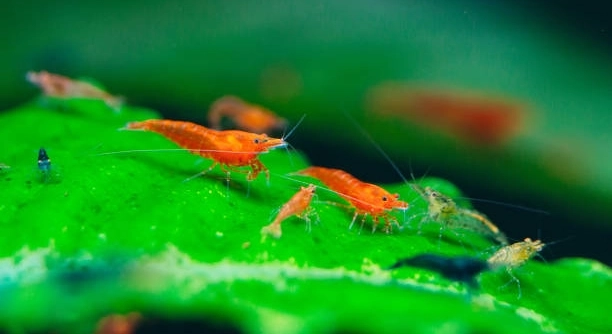
Many people feel uneasy when their shrimp suddenly disappear, creating a sense of concern and uncertainty as they try to understand why a small tank resident could vanish without leaving any clear signs behind today.
The disappearance of shrimp is primarily associated with predation, inadequate water parameters, or natural decomposition after death, as these elements interact within controlled aquatic environments and create conditions that lead to missing shrimp becoming a routine and scientifically understandable event.
Understanding the factors behind these situations helps you gain clarity about your aquarium and notice changes that may influence results.
Common Reasons Shrimp Go Missing
Shrimp often disappear for simple and practical reasons, and understanding them can make your tank feel easier to manage. Many losses come from unnoticed deaths, especially when a shrimp is weak or newly added. Their small bodies can break down quickly, making them hard to find. Other times, stronger tank mates may take advantage of an easy target, even if they are usually peaceful. Poor water conditions can also push shrimp into hiding spots where they become trapped or stressed. Sudden changes in temperature or quality may weaken them, leading to quiet losses that go unseen. Even filtration systems can pull in smaller shrimp, leaving no visible trace. These situations can feel frustrating, but each offers a clear explanation that helps you keep your setup running smoothly. Once you recognize these patterns, maintaining a safe space feels much more manageable and less confusing to navigate.
Some shrimp end up missing because of unseen deaths, stress from water changes, or interactions with tank mates that quietly overpower them.
Noticing these conditions early helps you reduce losses, improve tank stability, and create an environment that feels more predictable and calm for delicate shrimp.
How Tank Conditions Influence Missing Shrimp
Water quality shifts, unstable temperatures, or sudden changes in the tank often cause shrimp to hide, weaken, or disappear without notice.
Many tanks experience small fluctuations that seem harmless but can have a real effect on sensitive shrimp. These changes may lower their energy, limit their movement, or make them retreat into tight spaces where they become stuck. A filter with strong suction can also pull in smaller shrimp, especially juveniles that lack the strength to resist. When shrimp molt, their bodies become soft and vulnerable, so they may hide more than usual. If the tank contains fish that occasionally nip or chase, a shrimp in a weakened state can be taken quickly. Algae overgrowth, leftover food, or low oxygen levels add more stress that reduces their chances of staying visible. By keeping conditions stable and predictable, you help your shrimp remain active, healthy, and much easier to monitor.
Why Shrimp Hide More Than Expected
Shrimp often disappear because they slip into small crevices when they feel stressed or weak. Even healthy shrimp can hide for long periods during molting or when tank conditions shift. Their size and instinct to seek shelter make them difficult to locate.
Shrimp rely on tight spaces to feel safe, so they naturally move into areas you rarely see. When water quality changes, they become even more likely to retreat. During molting, they stay hidden until their bodies harden, which can take a while. If the tank has heavy decorations, dense plants, or uneven substrate, shrimp may settle deep inside these areas. Over time, they might get trapped or struggle to move if debris builds up. This often leads to sudden disappearances that seem mysterious. Keeping track of hiding spots and gently cleaning cluttered areas helps you avoid situations where shrimp vanish without warning.
Shrimp that hide frequently may feel unsafe or overwhelmed by tank conditions. If lighting is too strong, fish are moderately active, or the environment feels unstable, they stay concealed longer than usual. As they remain hidden, it becomes easy to assume they are gone even when they are tucked away. Reducing stressors and creating softer lighting, paired with stable parameters, helps them stay visible.
What Happens When Shrimp Die Unnoticed
Shrimp often go missing because their bodies break down quickly after death. Their size, combined with the activity of scavengers, can make them disappear in a short amount of time.
In tanks with snails, fish, or other shrimp, a deceased shrimp becomes a food source almost immediately. Even peaceful creatures will consume soft tissue without hesitation, especially if the shrimp was already weak or recently molted. This process can erase any visible trace within hours. If the shrimp dies in a hidden area, its remains may soften and blend with substrate or plant matter. Warm temperatures speed up this process, and many aquariums run warm enough to accelerate breakdown. Because of this, owners often never see the body, which leads to confusion. Monitoring shrimp behavior, feeding habits, and activity helps you identify early signs of weakness before disappearance occurs.
How Predators Affect Shrimp Disappearance
Many shrimp vanish because larger or faster tank mates target them when they are weak, freshly molted, or simply too slow to escape. Even calm fish may take advantage of a soft-bodied shrimp that cannot defend itself.
Small nipping behaviors can also escalate when shrimp hide or move awkwardly. A shrimp that appears stressed becomes an easy target, and the event often happens out of sight behind plants or decor.
How Filtration Systems Contribute to Losses
Filters with strong suction can pull in young or weakened shrimp, especially when they explore intake areas. Openings that seem small are often large enough for tiny bodies to slip through. Without protective sponges, many shrimp disappear inside the filter where they remain unnoticed for long periods.
Why Molting Leads to Confusion
A discarded shell often makes owners think a shrimp has died or gone missing. Molting leaves behind a full body outline, and the real shrimp hides until its new shell hardens, creating the impression of a disappearance.
FAQ
Why do shrimp disappear so quickly after death?
Shrimp decompose much faster than many aquarium creatures, especially in warm tanks with active scavengers. When a shrimp dies, its soft body becomes a quick food source for snails, fish, and other shrimp that remove the remains before you ever notice anything missing. Even in tanks without obvious scavengers, natural breakdown happens fast because their bodies are small and delicate. If a shrimp dies in a hidden spot or inside dense plants, its remains soften and blend into the environment, making it nearly impossible to locate. This combination of rapid decay and natural cleanup leads many owners to assume their shrimp simply vanished.
How can I tell if a shrimp is hiding or if it is actually missing?
Shrimp that hide often show reduced activity before disappearing completely. They may move less, avoid open areas, or stay near dense plants and structures. If the missing shrimp was weak or showing unusual behavior beforehand, it may be hiding due to stress, molting, or illness. Checking common shelter spots helps, especially under rocks, behind filters, inside moss, or within driftwood. If your shrimp population is large, it can be difficult to track individuals, but steady feeding responses and normal behavior from the rest of the group usually indicate that conditions are acceptable. A shrimp that remains unseen for several days could still be alive, especially if the tank has many hiding areas.
Why do freshly molted shrimp hide for so long?
Molting leaves shrimp soft and vulnerable, so they seek deep hiding spots until their new shell hardens. This process takes time, and they may stay concealed for days. During this period, they avoid movement because even small disturbances can cause injury. If tank mates are active or curious, the shrimp will stay hidden longer to reduce risk. Strong lighting, sudden changes in water parameters, or recent stress also keep them out of sight. It is normal to think the shrimp has disappeared, but once the shell firms up, it usually returns to regular activity.
Can fish that seem peaceful still cause shrimp to vanish?
Yes, many peaceful fish still prey on shrimp when given the chance. Even fish that rarely show aggression may nibble at small, weak, or freshly molted shrimp. Fast-moving species, bottom feeders, and fish with curious behavior often take quick bites without you noticing. These interactions often happen at night or behind decorations. While shrimp may coexist with certain fish, the risk never fully goes away. A safe tank setup with soft lighting, consistent feeding, and plenty of hiding places helps reduce this issue, but young shrimp remain especially vulnerable.
How do filtration systems cause shrimp losses?
Filters with strong suction can pull in small shrimp, especially babies or weak individuals. Even coarse intake guards can have openings large enough for shrimp to slip through. Once inside, they may become trapped or injured. Some filters also create strong currents that exhaust tiny shrimp, making them more likely to drift into the intake. Installing a sponge over the filter inlet reduces this risk and helps protect the population. Many owners discover missing shrimp inside the filter only after routine cleaning, making this one of the most overlooked causes of disappearance.
Why do shrimp disappear more often in new tanks?
New tanks are less stable, and fluctuations in water parameters happen more easily. Shrimp are very sensitive to changes in ammonia, nitrite, and nitrate levels, as well as shifts in temperature and hardness. Even small issues can weaken them, making them hide or die unexpectedly. New tanks also tend to have fewer biofilms, which are a key food source for shrimp. With less natural food and more unpredictable conditions, shrimp struggle to adapt and may disappear without warning. Regular testing and gentle adjustments help stabilize the environment over time.
How can I reduce the chances of shrimp going missing?
A stable tank with smooth lighting, consistent feeding, and plenty of shelter greatly reduces disappearance. Adding plants, moss, and driftwood creates safe spaces, while covering filter intakes protects younger shrimp. Keeping tank mates minimal or choosing species known for peaceful behavior also helps. Monitoring water quality and keeping parameters steady supports their long-term health. Small changes made slowly help shrimp adjust without stress. By maintaining a calm, predictable environment, you give them the best chance to stay visible and active.
Final Thoughts
Keeping shrimp in an aquarium can feel rewarding, but it also brings moments of confusion when one suddenly goes missing. These situations often make you question what might be happening inside the tank, especially since shrimp are small and sensitive. Their habits, hiding patterns, and reactions to different conditions can easily create the impression that something mysterious is unfolding, even when the cause is simple. Understanding these patterns helps reduce the stress that comes with uncertainty. Shrimp rely heavily on stable conditions, so even small changes can influence how they behave or where they choose to stay. When you know what to expect, it becomes easier to recognize what is normal and what may need attention. This awareness supports a calmer experience and helps you approach your tank with more confidence. It also reminds you that your shrimp are more delicate than many other tank creatures, which is why their behavior sometimes seems unpredictable.
Missing shrimp often point to small details in the environment that deserve a closer look. Water quality shifts, aggressive or curious tank mates, and strong filtration systems can all contribute to unexpected disappearances. These factors do not always signal a major problem, but they can create quiet weaknesses that make shrimp more vulnerable. Taking the time to make gentle adjustments helps prevent these issues from repeating. Shrimp thrive in environments where changes happen slowly and predictably, so you do not need dramatic solutions to improve their safety. Simple habits, like checking hiding spots, watching for molting behavior, and observing how other animals interact with them, can give you helpful clues. These small observations add up over time and allow you to spot when something is affecting the shrimp more than usual. When you understand how quickly they react to stress, it becomes easier to create conditions that keep them steady and visible.
Even though losing shrimp can feel discouraging, each situation teaches you something valuable about your setup. Tanks develop at their own pace, and shrimp respond to the environment you create with clear signals once you learn how to notice them. By focusing on stability, gentle care, and thoughtful observation, you build an environment where shrimp have a better chance to stay healthy and active. This approach also makes your own experience feel more peaceful, because you know you are supporting their needs in a simple and consistent way. Over time, the tank becomes easier to understand, the shrimp become easier to track, and the feeling of confusion fades. Instead of worrying about every disappearance, you gain clarity about why things happen and what you can do to improve their conditions. This balance helps both you and your shrimp enjoy a steadier and more predictable environment.

Hello,
If you enjoy the content that we create, please consider saying a "Thank You!" by leaving a tip.
Every little bit helps us continue crafting quality advice that supports the health, happiness, and well-being of pets around the world, for pets of all shapes, sizes, and species.
We really appreciate the kindness and support that you show us!