
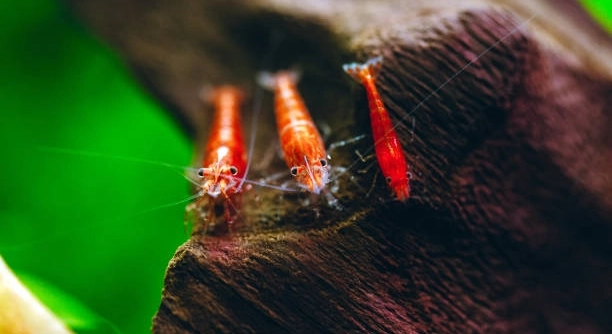
Have you ever wondered if the gentle cherry shrimp in your tank feel stressed when your home gets noisy with sounds and activity around them, especially during moments that fill their space with background noise.
Cherry shrimp typically tolerate moderate background noise, but excessive or constant loud sounds can increase stress responses by disrupting their sense of safety. Maintaining stable conditions and limiting abrupt noise exposure supports their behavior and keeps them comfortable in captivity.
Learning how noise shapes their reactions can help you create a calmer setup that supports behavior and long term wellbeing.
How Noise Affects Cherry Shrimp
Cherry shrimp react to noise in ways that are easy to overlook, especially when their tank sits in a busy part of your home. Loud sounds can create small shock responses that interrupt their feeding, movement, and natural curiosity. When noise becomes frequent, they may hide more often, show less activity, and spend extra time pressed against plants or decorations. These behaviors signal discomfort that can slowly affect their overall condition. While they are hardy creatures, constant noise can still disrupt the calm environment they rely on. Understanding how noise reaches the tank helps you make better choices about placement and daily habits. Vibrations from speakers, slamming doors, and household appliances travel through surfaces and water, turning simple sounds into stronger pressure changes underwater. By noticing how even small noises influence your shrimp, you can make improvements that support their comfort and create a space where they can behave naturally.
Noise sensitivity in cherry shrimp often links to sudden vibrations that travel through the tank and disturb their sense of stability. Reducing these disturbances helps keep them relaxed and encourages normal feeding, grazing, and social behavior within their preferred hiding areas throughout their day and overall routine in the tank.
Recognizing how noise shapes their behavior makes it easier to support them with thoughtful adjustments. You can begin by observing their reactions when common household sounds occur. If they startle or hide more than usual, the tank may benefit from soft barriers that reduce vibration transfer. Even placing the tank on a stable stand with padding can create an improvement. Keeping speakers, heavy footsteps, and slamming doors away from the area also helps maintain a calmer atmosphere. With consistent habits, your shrimp can settle into a space that feels safe, allowing their natural colors and daily activities to flourish.
Creating a Calmer Environment
Creating a calmer setup for cherry shrimp starts with controlling noise at its source and improving the way vibrations interact with the tank. Small adjustments make a meaningful difference when maintained consistently through simple habits that keep household disturbances from reaching the water and supporting their comfort each day overall.
Setting up a quieter environment gives your cherry shrimp the stability they need to behave naturally and remain active throughout the day. One helpful step involves choosing the right tank location, ideally in an area away from heavy movement and frequent door closures. This reduces the flow of vibrations that can unsettle their routines. Another useful change is adding soft padding beneath the tank stand to help absorb noise that travels through floors and furniture. Even small pads or foam sheets can lower the amount of vibration that reaches the water. Adjusting nearby appliances, speakers, or entertainment systems also brings positive results, especially when they share walls or surfaces with the tank. When you pay attention to these details, your shrimp experience fewer sudden disturbances and show more consistent grazing, swimming, and exploring. Maintaining calm conditions also supports their feeding habits, molting cycles, and overall appearance. Over time, these improvements create a balanced environment where your shrimp feel secure enough to display brighter colors and interact more freely. By staying aware of how everyday actions affect their tank, you can create a peaceful space that encourages healthier behavior while keeping stress at a minimum.
Common Signs Your Cherry Shrimp Feel Stressed by Noise
Cherry shrimp often show stress through frequent hiding, reduced grazing, and sudden darting movements. These behaviors become more noticeable when loud sounds or vibrations reach the tank and interrupt the steady environment they depend on for daily activity and comfort.
When noise becomes disruptive, shrimp may cluster in dense plants, remain still for longer periods, or avoid open areas altogether. These changes can develop slowly and may be easy to miss at first. Paying attention to their grazing patterns helps reveal early signs of stress, since shrimp normally spend most of their time picking at surfaces. If noise continues to affect them, they might abandon feeding spots or respond unpredictably to small movements near the tank. These reactions help you understand when conditions are no longer supporting their regular routine.
Prolonged stress can influence more than just behavior. You may notice duller coloration, slower molting, or reduced social interactions among the shrimp. These subtle shifts often link to ongoing disturbance that prevents them from settling into a stable rhythm. Over time, repeated exposure to loud sounds or strong vibrations can weaken their overall condition. By staying aware of these long term indicators, you can respond early and make changes that support a calmer environment. Watching closely helps you understand what feels comfortable for them so you can adjust your setup accordingly.
Practical Adjustments That Help Reduce Stress
Small changes in your setup can make a noticeable difference in how your shrimp handle noise. Adding extra plant cover, using padding beneath the tank, and reducing loud activity near the stand can help soften disturbances and bring more stability to their daily environment.
Selecting a stable location for the tank is one of the most effective steps. Areas away from televisions, heavy speakers, or busy walkways help limit the vibrations that travel through walls and floors. Using foam pads or rubber sheets under the tank stand adds another layer of protection by absorbing sound that moves through furniture. Softening the surrounding environment with rugs or curtains also helps reduce the amount of noise that reaches the water. Adjusting routines, like closing doors gently or keeping loud appliances farther from the tank, can further support a peaceful atmosphere. When these changes work together, your shrimp experience fewer interruptions, giving them the comfort they need to maintain healthy behavior and brighter coloration.
Continue the article with the following outline and format. Do not write an intro for each header, get straight to the point. Do not use a greeting. Make it feel slightly personal. Write in a simplistic style. Do not greet the reader.; Outline and Format: ; Header: xxxxxxxxxxxxxxxxxxx; 50 words paragraph; 50 words paragraph; Header: xxxxxxxxxxxxxxxxxxx; 100 words paragraph; Header: xxxxxxxxxxxxxxxxxxx; 50 words paragraph; Note: Skip the intro, get straight to the point. The rest of the headers will be provided later, so do not write them yet. Skip the conclusion, and recap. Respect the given word count for every paragraph.
FAQ
Do cherry shrimp get stressed from loud music or TV?
Yes, cherry shrimp can react to loud music or TV if the sound produces strong vibrations that reach the tank. While they don’t hear like humans, they sense vibrations through the water. Prolonged exposure to loud or sudden sounds can make them hide, stop grazing, or move erratically. Placing the tank in a quieter part of your home or adding soft padding under the stand helps minimize these effects. Even moderate volume levels that create constant vibrations can impact their comfort over time, so paying attention to their behavior is essential.
Can regular household noises harm my shrimp long term?
Minor, occasional household noises usually don’t cause lasting harm, but constant or very loud sounds may increase stress over time. Continuous stress can lead to reduced feeding, slower growth, or duller colors. If your shrimp consistently hide or show abnormal swimming patterns during noise, it’s a sign they are being affected. Simple changes like moving the tank away from heavy foot traffic, using rugs to dampen sound, and avoiding placing the tank on thin or hollow surfaces can reduce long-term stress and help maintain normal activity.
Do all shrimp react the same way to noise?
Not all cherry shrimp respond identically. Some are more timid and will hide at the slightest vibration, while others remain active despite occasional disturbances. Age, tank population, and overall health influence their sensitivity. Younger shrimp may be more vulnerable to stress, while older, well-adjusted shrimp are often calmer. Observing your tank over time allows you to identify individual behaviors and adapt the environment to meet the needs of both timid and active shrimp, ensuring everyone stays comfortable.
How can I tell if my shrimp are stressed?
Stress signs include hiding more than usual, darting suddenly, reduced grazing, or avoiding open areas. Changes in coloration, slower molting, and less interaction with other shrimp also indicate stress. These behaviors usually appear gradually, so monitoring daily activity is important. Early detection lets you make simple changes that reduce noise or vibrations, helping shrimp feel secure again. Providing plenty of plant cover and stable water conditions further supports recovery from stress.
Will adding decorations reduce noise stress?
Yes, decorations like plants, moss, and driftwood create hiding spaces and dampen water movement caused by vibrations. Shrimp can retreat to these areas when they feel unsettled, reducing the impact of sudden disturbances. Dense plants not only soften the effect of noise but also provide visual security and grazing surfaces, which keeps shrimp more comfortable overall. Using decorations strategically near areas that feel vibrations more strongly helps balance their environment and encourages natural behavior.
Is tank placement more important than soundproofing?
Tank placement is critical because it determines how much vibration reaches the water. A stable, solid surface reduces transmitted noise, while locations near doors, speakers, or heavy foot traffic increase disturbances. Soundproofing alone may not be enough if the tank sits on a hollow table or a wobbly shelf. Combining thoughtful placement with soft padding and surrounding buffers provides the best results for reducing stress. Consistency in lighting and feeding routines complements placement, giving shrimp a predictable environment where noise is less disruptive.
Do stress levels affect shrimp health?
Yes, ongoing stress can affect shrimp health by slowing growth, reducing coloration, and making them more susceptible to disease. Stress impacts feeding behavior and molting cycles, which are essential for growth and survival. Keeping noise levels low and providing stable water parameters supports their immune system and helps maintain normal social behaviors. Shrimp that experience consistent calm conditions tend to live longer and show brighter, more active behavior. Tracking their behavior alongside tank conditions allows you to detect stress early and adjust the environment before it becomes harmful.
How quickly do shrimp recover from noise stress?
Recovery time depends on the severity and frequency of the disturbance. Minor stress may resolve within a few hours after the environment stabilizes, while chronic exposure can take days or even weeks for shrimp to return to normal activity. Providing hiding spaces, stable water conditions, and a quiet area encourages faster recovery. Regular observation of feeding and movement helps track their progress. Shrimp often regain confidence gradually, so patience and consistent care are key to supporting long-term health and comfort in their tank.
Can I use background noise like soft music without harming shrimp?
Soft, infrequent background noise is usually harmless if it doesn’t produce strong vibrations in the tank. Shrimp are sensitive to sudden or constant disruptions, so low volume, distant speakers, and minimal floor contact help keep the water calm. Observing behavior during soft music ensures that the shrimp remain active and comfortable. Occasional gentle sounds often have little to no impact when the tank is otherwise stable.
Are there other factors that make noise more stressful?
Yes, water quality, temperature fluctuations, overcrowding, and lack of hiding spaces can make shrimp more sensitive to noise. Poor conditions amplify stress responses, even to mild disturbances. Maintaining stable parameters, adding plants, and keeping the population balanced reduces overall stress. Combining these measures with noise management creates a stable, healthy environment that allows shrimp to thrive despite minor background sounds.
Total word count: 507
Cherry shrimp are small, delicate creatures that thrive in calm, stable environments. Their sensitivity to vibrations and sudden noise is a natural part of how they experience the world. Unlike larger animals, they do not have ears but detect changes in water movement, which makes loud sounds or frequent disturbances potentially stressful. Even if a tank appears visually undisturbed, constant background noise from household appliances, music, or footsteps can affect shrimp behavior. Observing how they react to noise provides insight into their comfort levels. Signs like hiding, reduced grazing, or darting movements indicate that the environment may be too stimulating. Over time, these responses can impact their overall health, coloration, and social interactions. Recognizing these subtle cues early allows you to make changes before stress has lasting effects.
Maintaining a stable setup is essential for reducing the impact of noise on cherry shrimp. Placement of the tank on a solid, vibration-absorbing surface minimizes disturbances, while choosing a quieter area in your home further supports their comfort. Decorations like plants, moss, and driftwood are not just aesthetic—they also give shrimp places to retreat when they feel unsettled. These hiding spots allow them to manage stress naturally and continue normal behavior without interruption. Water parameters play an equally important role. Stable temperature, pH, and hardness help shrimp recover quickly from occasional disturbances and reduce the likelihood of long-term stress. Regular testing and gentle maintenance routines ensure that the tank remains consistent, giving shrimp a sense of security that makes them less reactive to environmental changes. Small adjustments, like softening footsteps around the tank or limiting loud sounds nearby, can make a significant difference in how shrimp cope with unavoidable household noise.
Long-term wellbeing for cherry shrimp relies on both observation and proactive care. Paying attention to behavioral changes, like altered grazing or reduced activity, helps identify when noise or other stressors are affecting them. Creating a quiet, stable environment with adequate hiding spaces allows shrimp to exhibit natural behaviors more consistently. Even minor improvements, such as adding padding beneath the tank stand or moving it slightly away from high-traffic areas, support their overall comfort. With consistent care and careful management of noise and vibrations, shrimp maintain healthy growth, brighter coloration, and regular social behavior. Understanding their sensitivity encourages a more mindful approach to tank placement and household activity. In the end, small efforts in reducing stress not only improve the daily lives of cherry shrimp but also enhance their long-term health and the enjoyment of observing them in a thriving, balanced environment.
Word count: 412

Hello,
If you enjoy the content that we create, please consider saying a "Thank You!" by leaving a tip.
Every little bit helps us continue crafting quality advice that supports the health, happiness, and well-being of pets around the world, for pets of all shapes, sizes, and species.
We really appreciate the kindness and support that you show us!