
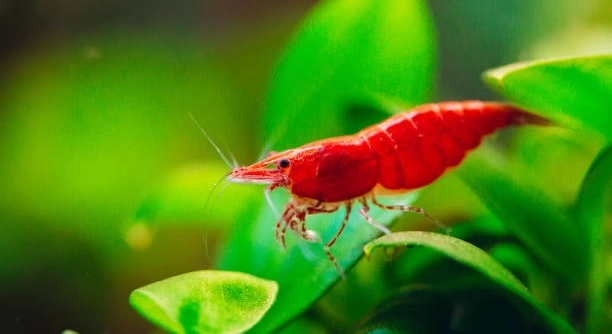
Do your cherry shrimp hide at the back of the tank, avoiding your gaze and the vibrant decorations you place for them? Many shrimp owners face this challenge when trying to create a lively aquarium environment.
Cherry shrimp often exhibit shy behavior due to stress, lack of hiding spots, sudden changes in water parameters, or insufficient acclimation. Providing a stable environment with proper feeding, cover, and gentle interaction encourages bolder, more active shrimp.
Understanding these behaviors can help you create a comfortable and stimulating habitat. Small adjustments can transform your aquarium into a more engaging home for your shrimp.
Create Plenty of Hiding Spots
Cherry shrimp feel safer when they have places to retreat. Moss, plants, and small caves provide shelter, reducing stress and encouraging exploration. Hiding spots near feeding areas help shy shrimp gradually become more active without fear of sudden exposure. Shrimp that feel threatened tend to stay at the bottom or corners of the tank, which can limit their natural behaviors. Dense plant coverage can also improve water quality, providing surfaces for biofilm that shrimp graze on. Adding different textures like smooth stones, driftwood, and plastic ornaments ensures there are multiple areas for retreat. Observing where they prefer to hide can guide future tank arrangements, ensuring each shrimp has access to a safe spot. Over time, these hiding spaces can be repositioned to gently encourage shrimp to explore other parts of the tank. Consistent placement also helps reduce stress, making shrimp less skittish during feeding or tank maintenance.
Providing a variety of safe spots reduces stress and encourages shrimp to explore and interact with the tank naturally.
Shrimp that feel secure will start venturing out more often. Over weeks, shy individuals may move freely between plants and decorations, grazing and swimming in open areas. Regular observation allows adjustment of hiding spots based on behavior, and introducing new plants or structures gradually can stimulate curiosity. Proper hiding spaces balance safety with exposure, supporting natural social behaviors and promoting healthier, more active shrimp.
Maintain Stable Water Conditions
Shrimp are sensitive to rapid changes in water chemistry, which can trigger hiding and stress.
Maintaining consistent temperature, pH, and ammonia levels is crucial for reducing shyness. Using a quality filter, frequent monitoring, and gradual adjustments helps prevent sudden stressors. Stability allows shrimp to feel secure and explore the aquarium with confidence.
Sudden temperature fluctuations, spikes in ammonia or nitrites, and inconsistent pH create anxiety in cherry shrimp. Even minor changes can lead to prolonged hiding and reluctance to feed. Using a reliable thermometer, test kits, and a stable filtration system prevents drastic environmental shifts. Gradual acclimation during water changes also supports their comfort. Observing shrimp responses to changes helps identify stress triggers, allowing adjustments before behaviors worsen. Over time, stable conditions promote regular activity, healthy molting, and more visible interaction with tank mates. A calm, consistent environment encourages timid shrimp to gradually move from hiding into open areas, grazing on biofilm and interacting naturally with others.
Feed Regularly and Consistently
Regular feeding encourages shrimp to come out of hiding. Small portions several times a day prevent competition and reduce stress. Avoid overfeeding, which can pollute the water and make shrimp less active.
Consistent feeding schedules help shrimp recognize safe times to leave hiding. Offering varied foods such as algae wafers, blanched vegetables, and biofilm supplements ensures they receive proper nutrition while encouraging movement around the tank. Observing which foods attract the shyest shrimp can guide portion size and placement. Feeding near hiding spots initially helps them associate safety with food, gradually building confidence. Over time, consistent and appropriate feeding leads to more visible and active shrimp, reducing long-term shyness.
Using feeding strategies that match their natural grazing habits can make shy shrimp more confident. Placing food near shelters, rotating types of food, and observing responses all contribute to a calmer, more active tank environment.
Minimize Sudden Movements and Noise
Shrimp are highly sensitive to disturbances in their environment. Sudden movements, tapping on the glass, or loud noises can cause them to hide.
Positioning the tank in a low-traffic area reduces stress. Gentle handling during water changes or maintenance is essential. Using soft, indirect lighting prevents sudden brightness that might startle them. Limiting external vibrations and ensuring tank equipment operates quietly helps maintain a stable atmosphere. Over time, minimizing disturbances encourages shy shrimp to explore open areas and interact with tank mates without fear.
Gradual acclimation to activity around the tank supports confident shrimp behavior. Repeated exposure to calm, predictable interactions makes shrimp less reactive. Pairing quiet feeding and gentle observation with environmental stability reinforces trust in their surroundings, leading to consistent movement throughout the aquarium. Small, careful adjustments to the tank’s environment and routine allow even the most timid shrimp to venture out and establish natural behaviors.
Provide Gentle Lighting
Bright or sudden light can make cherry shrimp retreat. Soft, diffused lighting encourages them to move freely. Adjusting light intensity gradually helps shy shrimp feel more secure in open areas.
Using timers for consistent light cycles mimics natural conditions. Predictable lighting reduces stress and supports regular activity, making shrimp more confident in exploring the tank.
Avoid Overcrowding
Too many tank mates or excessive shrimp density increases stress and hiding. Maintaining appropriate population levels allows individuals space to feel safe. Careful planning of tank size and community composition ensures shy shrimp have room to explore without constant disturbance.
Introduce Plants Gradually
Adding new plants in stages prevents sudden changes in the environment. Gradual introduction helps shrimp acclimate to new surfaces and hiding spots, reducing stress. It also encourages exploration and grazing behavior while maintaining tank stability.
Use Calm Water Flow
Strong currents can scare cherry shrimp. Gentle, steady water movement keeps them comfortable and encourages natural swimming behavior, reducing stress and promoting activity.
How can I tell if my cherry shrimp is stressed?
Shrimp under stress often hide constantly, stay at the bottom of the tank, or avoid areas where food is offered. You may notice slower movement, clinging to plants or decorations, and irregular molting. Monitoring water parameters and observing behavior regularly helps identify stress before it affects health.
Why do some cherry shrimp hide more than others?
Individual temperament plays a role. Some shrimp are naturally more cautious and prefer hiding, while others are more curious. Factors like recent molting, changes in water quality, or overcrowding can increase hiding tendencies. Providing stable conditions and hiding spaces reduces prolonged skittish behavior.
Is tank size important for shy shrimp?
Yes. Overcrowding increases stress and hiding. A larger tank with ample plants and decorations allows timid shrimp space to retreat while still exploring. Proper spacing helps reduce competition for food and lowers aggressive interactions.
Can feeding schedule affect shrimp confidence?
Consistent feeding builds trust. Shrimp learn to associate certain times and locations with food. Offering small, frequent portions near hiding areas encourages timid individuals to venture out gradually. Irregular feeding can increase stress and prolonged hiding.
Do water parameters impact shrimp shyness?
Absolutely. Cherry shrimp are sensitive to ammonia, nitrite, nitrate, pH, and temperature changes. Sudden fluctuations cause stress and hiding. Regular testing, stable temperature, and gradual water changes maintain comfort, helping shrimp feel secure and more willing to explore.
Will adding plants make shrimp bolder?
Plants provide cover and grazing surfaces. Dense foliage reduces stress and encourages timid shrimp to explore. Moss and floating plants offer both hiding spots and food sources, promoting natural behavior and gradual confidence in open areas.
How important is tank maintenance?
Routine care is essential but should be gentle. Cleaning filters, trimming plants, and water changes should minimize sudden movements or water turbulence. Predictable maintenance routines help shy shrimp adapt without stress.
Does tank lighting affect shrimp activity?
Yes. Sudden bright lights can startle shrimp. Soft, indirect lighting with consistent cycles encourages activity and exploration. Gradual light adjustments prevent retreating behaviors. Timers can help maintain predictable lighting patterns for more confident shrimp.
Can tank mates influence shy shrimp?
Aggressive or fast-moving species increase hiding behavior. Calm, small fish or shrimp-only tanks reduce stress. Observing interactions and maintaining suitable companions allows shy shrimp to gradually explore and display natural behaviors.
Are there behavioral signs that indicate improvement?
Shy shrimp will slowly move into open areas, graze on decorations, and interact more with tank mates. They may begin exploring feeding zones outside hiding spots and display normal molting patterns. Consistent observation helps track progress and adjust care accordingly.
How can I encourage shy shrimp to explore more?
Gradual exposure to new plants, gentle feeding near shelters, and maintaining stable conditions are key. Minimal disturbance and patient observation allow timid shrimp to gain confidence over time, leading to a more active and engaging aquarium environment.
Should I worry if some shrimp remain hidden most of the time?
Not necessarily. Some individuals naturally prefer seclusion. As long as they are eating, molting normally, and water parameters are stable, remaining hidden can be normal. Focus on creating a secure and enriched environment to support all shrimp.
Cherry shrimp are delicate and easily influenced by their environment. Shyness is a natural response to stress, sudden changes, or unfamiliar surroundings. Providing a tank with ample hiding spots, stable water conditions, and gentle care can help them feel secure. Over time, these measures allow shrimp to gradually explore their surroundings without fear. Observing their behavior regularly helps identify sources of stress and adjust care accordingly. Even small changes, such as adjusting lighting or rearranging plants, can make a noticeable difference in their comfort level. Consistency in maintenance routines, feeding schedules, and tank conditions is key to fostering a safe environment that encourages timid shrimp to become more active.
Regular feeding is another factor that supports confidence in shy shrimp. Offering small, frequent portions near hiding areas helps them associate safety with food. Rotating foods such as algae wafers, blanched vegetables, and biofilm supplements ensures balanced nutrition while stimulating natural grazing behaviors. Overfeeding, however, can lead to poor water quality, which increases stress and reinforces hiding tendencies. Keeping a calm approach during feeding times also reduces sudden disturbances, allowing shrimp to gradually emerge from shelters. Pairing consistent feeding with a predictable light cycle and minimal tank disturbances encourages timid shrimp to explore open areas while maintaining access to cover when needed. Gradually, shy shrimp can develop trust in their environment and display more natural behaviors.
Lastly, patience is essential when working with timid shrimp. Each individual adapts at its own pace, and some may remain cautious longer than others. Avoid forcing interactions or making abrupt changes to the tank. Small, incremental adjustments combined with careful observation allow shrimp to feel secure while encouraging activity. Maintaining proper water parameters, providing adequate hiding spots, and minimizing external disturbances all contribute to a stable environment where shy shrimp can thrive. Over time, these steps create a more balanced and interactive aquarium. The result is a tank where all shrimp, even the most timid, can live healthily, explore comfortably, and display natural behaviors without unnecessary stress.

Hello,
If you enjoy the content that we create, please consider saying a "Thank You!" by leaving a tip.
Every little bit helps us continue crafting quality advice that supports the health, happiness, and well-being of pets around the world, for pets of all shapes, sizes, and species.
We really appreciate the kindness and support that you show us!