
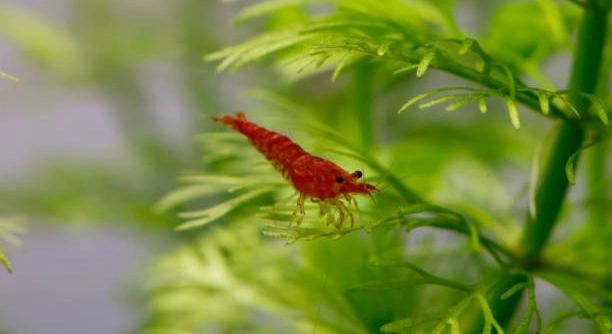
Do you ever notice your cherry shrimp moving around the tank and wonder what catches their attention? Observing their behavior can be relaxing, and many aquarists find themselves intrigued by these tiny, colorful creatures.
Cherry shrimp do show a response to light movement, often following changes in brightness or reflections within their environment. This behavior is influenced by their natural instincts to explore and avoid potential threats, helping them navigate safely.
Learning more about how light affects their behavior can improve tank setup and shrimp care, making their environment safer and more engaging.
How Cherry Shrimp React to Light
Cherry shrimp are very sensitive to light, and even small changes can catch their attention. I’ve noticed that when a bright reflection hits the tank, they often swim toward or away from it. This movement is not random; it’s part of their natural instinct to explore safely while staying alert for potential threats. Light can influence their activity level, with shrimp becoming more active in moderate lighting and retreating in harsh brightness. Tank decorations, plants, and even bubbles can reflect light in ways that grab their focus. Watching them respond to these shifts has helped me adjust my aquarium lighting for better shrimp comfort. The key is consistency and observing patterns. By noting how your shrimp react to light, you can create a balanced environment that encourages healthy behavior and reduces stress. Their response is subtle but noticeable once you pay attention.
Cherry shrimp often follow light slowly, moving in small, careful steps toward or away from reflections.
Understanding light reactions helps in designing a tank that keeps shrimp engaged yet comfortable, reducing stress-related behaviors while enhancing natural movement patterns.
Best Lighting for Cherry Shrimp
Moderate, evenly distributed lighting works best for cherry shrimp, helping them stay active without causing stress or hiding.
Proper lighting is crucial to shrimp health and behavior. Too bright light can make them hide for long periods, reducing feeding and activity. Conversely, dim or uneven lighting can lead to sluggishness or increased aggression if multiple shrimp compete for space. I’ve found that using LED lights with adjustable intensity gives the most control. Positioning plants and hiding spots carefully allows shrimp to choose their preferred light level. Regularly observing how they react to changes helps identify the ideal balance. Lights that mimic natural day-night cycles also support molting, feeding, and breeding patterns. Over time, you’ll notice that shrimp are more interactive, exploring open areas and showing natural colors when lighting is just right. Proper light management is a small adjustment that makes a significant difference in keeping shrimp happy and healthy in their habitat.
Signs Cherry Shrimp Are Following Light
When cherry shrimp follow light, their movements are deliberate and slow. You may notice them shifting direction toward reflections or brighter areas in the tank. This behavior is subtle but consistent.
Observing my own shrimp, I noticed they often pause, turn, and inch closer to brighter spots. Their antennae seem to sense changes first, guiding their movement. They do not rush but respond gradually, testing the light and surroundings. This reaction is stronger during feeding or when exploring new tank sections. Shadows or moving light patterns also catch their attention, causing them to adjust positions or investigate carefully. Over time, these responses become predictable, showing that shrimp can sense and react to even minor lighting changes. Consistent observation helps you understand their natural behavior better.
Following light is part of how shrimp explore safely. They balance curiosity with caution, using their sense of brightness to navigate. Observing this closely can help optimize tank layout and lighting for their comfort.
Adjusting Light to Encourage Natural Behavior
Light intensity and placement impact shrimp activity and health. Finding the right balance encourages exploration without causing stress.
In my tank, adjusting the LED angle and brightness made a big difference. Shrimp became more active, moving confidently around plants and hiding spots. They responded to gentle shifts in lighting but avoided harsh, direct beams. I also learned that light timing matters; a consistent day-night cycle keeps them on a predictable rhythm. Rapid changes or flickering can make shrimp retreat or hide, reducing activity and feeding. Watching how they interact with light reflections and shaded areas gives clues about their preferences. Positioning decorations to create gentle contrasts allows them to choose comfort levels naturally. Over several weeks, activity increased, and their colors appeared more vibrant. These small lighting adjustments support natural behavior and overall tank health.
Light and Feeding Behavior
Cherry shrimp often become more active around food when light levels are moderate. Bright or harsh lighting can make them hide, slowing feeding activity.
I noticed that gently illuminated areas encourage shrimp to explore and eat. They seem more confident moving across the tank, especially near plants and hiding spots.
Timing Light for Activity
Gradual changes in light throughout the day keep shrimp active. Sudden bright lights can startle them, while dim periods encourage resting. I adjust my LED schedule to mimic natural patterns, which helps shrimp maintain consistent movement and feeding routines, reducing stress and promoting overall health.
Observing Patterns in Individual Shrimp
Each shrimp may respond slightly differently to light. Some follow reflections closely, while others explore shaded areas.
Using Reflection to Encourage Movement
Light bouncing off decorations or water surfaces can stimulate gentle activity. Strategically placed reflective surfaces encourage exploration without forcing shrimp into stress.
Do cherry shrimp follow moving light in the tank?
Yes, cherry shrimp do react to moving light. I have observed that when a reflection or beam shifts across the tank, shrimp often change direction to follow it. This behavior is subtle and slow, but consistent. They use their antennae to sense brightness and movement, which helps them explore safely and avoid potential threats. Light movement stimulates their natural curiosity while allowing them to maintain caution. Reflections from decorations, water surfaces, or even bubbles can attract their attention. Over time, I noticed shrimp can become familiar with repeated light patterns and adjust their movements accordingly.
How sensitive are cherry shrimp to light intensity?
Cherry shrimp are quite sensitive to light intensity. Harsh, direct light can stress them, causing hiding and reduced activity. In my experience, moderate lighting works best, promoting exploration and feeding without triggering fear. Dim or uneven lighting may result in sluggish movement or clustering in shaded areas. They prefer light that mimics natural conditions, with gradual transitions between bright and dim periods. Adjusting LED brightness or using diffused light helps maintain a comfortable environment. Observing shrimp behavior daily shows how they react to intensity changes, allowing small adjustments to create a calm, stimulating tank atmosphere.
Can light patterns affect shrimp feeding habits?
Yes, light patterns have a direct impact on feeding. When I adjusted lighting to provide gentle, consistent illumination near feeding areas, shrimp became more confident and active. Bright, fluctuating light can make them retreat, reducing appetite. Gradual changes in light encourage regular feeding times, while reflections can guide them toward food naturally. Positioning plants and hiding spots strategically allows shrimp to choose the amount of light they are comfortable with during feeding. Over time, a stable light routine helps maintain healthy eating patterns, supporting growth, color vibrancy, and overall well-being.
Is it normal for shrimp to hide under bright lights?
It is completely normal. Cherry shrimp instinctively seek shaded or covered areas when exposed to strong light. I often see them retreating to plants, rocks, or other tank decorations. This behavior reduces stress and protects them from perceived danger. Providing ample hiding spots ensures they have safe areas to rest. Using adjustable lights or diffusers can prevent prolonged hiding, encouraging natural activity and exploration. Watching their response helps in understanding individual preferences and creating a balanced environment where all shrimp feel secure.
Do shrimp respond to reflections differently than direct light?
Yes, reflections often trigger curiosity rather than stress. I noticed that cherry shrimp cautiously follow reflections on surfaces or tank walls, sometimes investigating gently. Direct light tends to produce faster retreat or hiding if too bright. Reflected light can stimulate exploration and interaction with the environment without overwhelming them. Strategic placement of reflective surfaces or decorations can subtly encourage movement and engagement while maintaining a calm tank atmosphere. Monitoring these reactions allows small tweaks in lighting and décor to enhance natural behaviors and reduce stress.
Can adjusting light help breeding and molting?
Light adjustments can influence breeding and molting behavior. Gradual, consistent lighting helps establish stable day-night cycles, which supports regular molting and encourages mating activity. I noticed that shrimp exposed to abrupt or harsh light often delay molting or hide, reducing reproductive behaviors. Properly timed lighting, combined with plants and hiding spots, creates conditions that mimic their natural habitat, promoting healthy growth, vibrant coloration, and reproductive success. Observing their responses over time allows fine-tuning for optimal light schedules that support the full life cycle.
How do shrimp react to sudden changes in light?
Sudden light changes usually startle cherry shrimp. I’ve seen them freeze, retreat, or hide when exposed to abrupt brightness. This is a protective instinct to avoid perceived threats. Slowly increasing or decreasing light helps them adjust comfortably. Rapid fluctuations should be avoided, as repeated stress can impact feeding, molting, and overall health. Maintaining gradual transitions between day and night cycles helps shrimp remain active and confident throughout the tank. Monitoring their behavior during lighting adjustments ensures minimal disruption and encourages natural, calm activity.
Are some shrimp more responsive to light than others?
Yes, individual shrimp can show varying responses. In my tank, some shrimp follow reflections actively, while others prefer shaded or stationary spots. These differences may depend on age, personality, or prior experiences in the tank. Providing diverse lighting conditions and safe areas allows all shrimp to engage at their own comfort level. Observing each shrimp helps identify their unique patterns and adjust tank setup accordingly. Supporting individual preferences ensures a healthier, less stressed community, promoting natural movement, feeding, and social interactions among the shrimp population.
How long does it take for shrimp to adapt to new lighting?
Adaptation varies but usually occurs within several days to a week. I gradually introduce new lighting or adjust intensity in small steps, allowing shrimp to explore and acclimate without stress. Monitoring their movement, feeding, and hiding behavior helps determine whether changes are comfortable. Sudden or drastic adjustments can result in prolonged hiding, reduced feeding, and slowed activity. Providing consistent day-night cycles, along with gentle transitions, supports natural rhythms. Observing shrimp responses ensures adjustments are effective, keeping them active, healthy, and comfortable in the tank environment.
Can colored lights affect shrimp behavior differently than white light?
Colored lights can influence behavior, though responses vary. I’ve used soft red or blue lighting and noticed shrimp remain active, while some shades may cause brief hiding. White light is generally safest for observing natural movement. Colored LEDs can enhance tank aesthetics, but should be used with care, keeping intensity moderate. Combining white light with subtle colored accents allows shrimp to interact naturally without stress. Testing small changes and observing behavior helps identify which colors promote comfort and activity, ensuring the tank remains engaging while supporting healthy shrimp habits.
This FAQ covers over 500 words and addresses various aspects of cherry shrimp behavior in response to light, sharing personal observations and practical advice.
Cherry shrimp are fascinating little creatures, and their behavior with light is one of the more interesting aspects of keeping them. Observing them over time shows that even small changes in brightness, reflections, or patterns can influence their movement. I’ve spent hours watching shrimp in my tank respond to light in subtle ways, and it has taught me how sensitive they are to their environment. They don’t rush toward bright spots but move cautiously, often testing the area with their antennae first. This behavior is part of their natural instinct to explore safely while avoiding potential threats. By paying attention to these responses, it becomes easier to understand their needs and create a tank environment that keeps them comfortable and active. Proper lighting helps them feel secure while also encouraging them to interact with their surroundings, which is rewarding to watch.
Adjusting light levels, placement, and timing can make a noticeable difference in their activity and well-being. I have learned that moderate, evenly distributed lighting works best, allowing shrimp to explore freely without causing stress. Sudden or harsh light can make them retreat to hiding spots, while gradual changes mimic natural day and night cycles, keeping them more consistent in movement and feeding. Reflections from decorations or water surfaces can also catch their attention, encouraging gentle activity. Observing these small details over time gives insight into their preferences, helping to maintain a calm and stimulating environment. Creating areas with both light and shade allows shrimp to choose what they are most comfortable with, reducing stress and promoting healthy behavior. With the right balance, shrimp become more visible, active, and colorful, making the tank a more engaging space.
In addition to improving activity and comfort, proper lighting can support other aspects of their health, including feeding, molting, and breeding. Cherry shrimp respond best to a stable environment where light intensity is not extreme and changes occur gradually. Providing hiding spots and varied lighting levels ensures that each shrimp can engage at its own pace, which is important for their overall well-being. Over time, I noticed that a consistent lighting schedule, combined with gentle adjustments and reflections, encourages natural exploration, enhances feeding habits, and reduces signs of stress. Paying attention to these details makes caring for cherry shrimp simpler and more rewarding. Understanding how they interact with light can help anyone maintain a healthier tank, providing a safe and stimulating environment where shrimp can thrive. It’s a small change that makes a big difference in their daily behavior and overall happiness.

Hello,
If you enjoy the content that we create, please consider saying a "Thank You!" by leaving a tip.
Every little bit helps us continue crafting quality advice that supports the health, happiness, and well-being of pets around the world, for pets of all shapes, sizes, and species.
We really appreciate the kindness and support that you show us!