
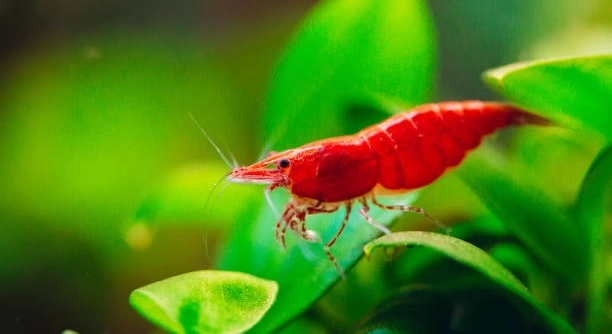
Cherry shrimp are small, colorful creatures that brighten any freshwater aquarium. Many owners notice them gathering around the heater, seemingly glued to its warmth, creating a familiar scene for hobbyists observing their lively tanks.
Cherry shrimp often cluster near the heater because they prefer slightly warmer water. Heaters create localized temperature zones, providing comfort and stability. These areas support metabolic activity, digestion, and molting, making the heater a natural gathering spot for these freshwater shrimp.
Observing this behavior can reveal a lot about your shrimp’s needs and comfort levels within the aquarium environment. It is an important clue to maintaining a healthy tank.
Understanding Cherry Shrimp and Their Heater Habits
Cherry shrimp are naturally drawn to warmth. In aquariums, heaters create a small zone with slightly higher temperatures, which shrimp find comforting. These areas help their metabolism function smoothly, aiding digestion and growth. Many beginners notice that shrimp will gather near the heater even if the rest of the tank is clean and well-maintained. It’s not a sign of illness or stress in most cases. Instead, it reflects their instinctive preference for stable, slightly warmer water. Heaters also help maintain a consistent environment, which is crucial for shrimp molting. When shrimp are about to molt, they often move to these warmer spots because higher temperatures can support the process. Observing this behavior over time provides insight into how your tank’s temperature affects activity levels. Ensuring the heater is safe and has no exposed wires is important. This way, shrimp can benefit from warmth without any risk.
Cherry shrimp gather near heaters for comfort and better metabolic activity. It’s a natural behavior, not usually a sign of stress or illness.
Watching their behavior around the heater can guide how you adjust tank conditions. By noting patterns, you can ensure the entire aquarium remains suitable for their health. Temperature zones influence feeding, movement, and overall shrimp activity. Maintaining a consistent temperature across the tank helps prevent overcrowding in one spot and reduces stress. Using thermometers and adjusting heaters properly ensures optimal conditions for all shrimp. Observing where they spend most of their time can indicate if your tank’s temperature is even. Small adjustments in placement or heater settings may balance the environment. Over time, this careful observation helps shrimp thrive, supporting growth, molting, and activity. It also provides insight into how shrimp interact with other tank elements. When multiple shrimp gather together, they often seek not only warmth but a stable microenvironment. By responding to these behaviors, tank conditions can be improved, promoting health and longevity.
Tips for a Balanced Tank
Placing decorations or plants near the heater can create warm hiding spots for shrimp. This encourages movement and reduces clustering.
Monitoring temperature, providing proper filtration, and keeping water quality stable are key to a healthy tank. Ensuring heaters are safe and evenly distributing warmth helps maintain shrimp activity. Adding moss, stones, or driftwood near warm areas allows shrimp to enjoy comfort while still exploring the tank. Rotating food locations encourages them to move throughout the aquarium, preventing overcrowding in heated zones. Regular water testing ensures warmth does not lead to rapid bacterial growth, which could harm shrimp. Using gentle water flow near heaters prevents stagnant areas while keeping shrimp comfortable. Observing their patterns can indicate if tank adjustments are needed. Maintaining consistent lighting cycles and careful feeding also supports their natural behavior. All these factors together create a balanced environment where cherry shrimp can thrive without excessive clustering near heaters.
Common Heater Spots Shrimp Prefer
Cherry shrimp often gather just above or beside the heater where water flow is minimal. These spots offer warmth without strong currents, making it easier for them to rest and conserve energy. They can linger there for hours, especially during cooler parts of the day.
The area directly around a heater creates a microclimate within the tank. Slightly warmer water helps shrimp digest food more efficiently and supports molting. Even small variations in temperature are noticeable to them, so they naturally gravitate toward these zones. Shrimp use these spots to regulate body temperature and reduce stress. If a tank is large, multiple warm zones may develop, encouraging shrimp to distribute more evenly. Watching where they cluster can help determine if your heater placement is effective and if temperature levels are consistent across the aquarium.
Besides warmth, these spots often provide safety. Many hobbyists place plants or decorations near heaters, which creates sheltered areas. Shrimp feel more secure when they can hide while staying warm. These areas become social hubs where shrimp interact, molt, and feed. Maintaining clean and safe heater zones ensures shrimp benefit without risk of injury or overheating. Providing multiple warm spots encourages movement, helping shrimp remain active while balancing comfort and safety within the tank environment.
Adjusting Tank Conditions
Small temperature adjustments can influence shrimp distribution. Slightly warmer water encourages activity and feeding, while cooler areas let them rest.
Ensuring even heating across the tank prevents overcrowding near the heater. Using a properly sized heater for your aquarium, combined with consistent water flow, supports balanced temperatures. Plants, rocks, and decorations help distribute warmth naturally and create varied microenvironments. Observing shrimp movement patterns shows if adjustments are needed. Over time, minor changes can reduce clustering and support healthier, more active shrimp throughout the tank. Heaters should be checked regularly for accuracy to maintain optimal conditions.
Heater Placement Tips
Placing the heater near a gentle current helps distribute warmth evenly. Avoid placing it in corners where water can stagnate, which may create overly hot zones that shrimp avoid. Proper placement supports comfort and activity throughout the tank.
Heaters should never touch decorations directly. Allow space for water circulation around the heater to prevent hotspots. This keeps shrimp safe while letting them access warm areas without risk of injury.
Observing Shrimp Behavior
Monitoring shrimp around the heater helps detect health issues early. Lethargy, constant hiding, or unusual clustering can indicate stress, illness, or water problems. Observing their normal patterns allows for timely adjustments in temperature, feeding, or tank setup to keep shrimp thriving.
Using Plants Near Heaters
Placing plants around heaters creates shaded warm areas. Shrimp enjoy these spots for resting, molting, and exploring without leaving the comfort of slightly warmer water.
FAQ
Why do cherry shrimp always gather on the heater?
Cherry shrimp are naturally drawn to slightly warmer water. The heater creates a localized zone where temperature is higher than the rest of the tank. Warmer areas help support digestion, molting, and overall activity. This behavior is normal and usually indicates they are comfortable rather than stressed.
Is it harmful for shrimp to stay on the heater?
No, as long as the heater is functioning properly and water temperature remains within safe limits. Shrimp will often move around the tank and are not stuck to the heater permanently. Ensure there are no exposed wires or excessively hot surfaces that could injure them.
What is the ideal temperature for cherry shrimp?
Cherry shrimp thrive in water between 72°F and 78°F. Small fluctuations are normal, but maintaining stable temperatures helps them stay healthy. Avoid sudden spikes or drops, which can stress shrimp and disrupt molting cycles.
Can too much warmth affect shrimp behavior?
Yes. Overly warm water can speed up metabolism, which may shorten lifespans and increase food consumption. It can also reduce oxygen levels, making shrimp lethargic. Monitoring heaters and using a reliable thermometer helps maintain optimal conditions.
Should I move the heater if shrimp cluster too much?
Sometimes adjusting heater placement helps distribute warmth more evenly. Adding decorations or plants around the heater can create multiple comfortable spots, encouraging shrimp to spread out. Avoid forcing shrimp away; gradual changes work best.
Do shrimp need to leave the heater to eat?
Not necessarily. Shrimp may feed near warm zones, especially if food is placed in those areas. Offering food in different parts of the tank encourages movement and prevents overcrowding at the heater. Observing their feeding patterns helps optimize food placement.
Why do some shrimp stay away from the heater?
Individual shrimp may prefer cooler areas or stronger currents. Stress, molting, or recent acclimation can influence location choices. Providing multiple microhabitats allows all shrimp to find comfort while maintaining overall tank balance.
Can clustering near the heater indicate health issues?
Occasionally, unusual clustering combined with inactivity or discoloration may signal water quality problems or illness. Regular water testing and observation are essential to catch issues early and maintain a safe environment.
Is it normal for shrimp to gather in large numbers at night?
Yes. Cherry shrimp are more active during low light and may use heater zones for warmth while exploring. Providing plants and hiding spots ensures they can move freely without stress during nighttime activity.
How do I create balanced warm zones in the tank?
Use a properly sized heater and ensure gentle water circulation. Place plants, rocks, or driftwood near heaters to create shaded warm areas. Observing shrimp movement patterns helps identify areas needing adjustment to prevent overcrowding and maintain comfort.
Can heater placement affect molting?
Yes. Shrimp often molt in warmer spots because heat supports metabolism and shell formation. Ensuring safe, warm microenvironments near heaters encourages successful molting without exposing shrimp to stress or injury.
What signs indicate my heater setup is effective?
Shrimp moving freely, healthy coloration, and regular molting indicate a good setup. If shrimp consistently avoid certain areas or cluster excessively, adjustments to placement, flow, or decoration can improve comfort.
Do all shrimp react the same way to heaters?
No. Individual shrimp have different tolerances and preferences. Some may cluster heavily, while others explore cooler regions. Providing variety in temperature zones and hiding spots allows all shrimp to thrive.
How often should I check the heater?
Check heaters weekly for temperature accuracy and proper function. Regular observation ensures warmth is distributed evenly and prevents overheating, which is crucial for shrimp health and activity.
Can plants help regulate heater areas?
Yes. Live plants absorb some heat and create shaded areas, giving shrimp choices between warmth and cooler zones. Plants also encourage natural behavior, reduce stress, and make the heater area safer and more comfortable.
Do shrimp use heaters differently in small vs. large tanks?
In smaller tanks, heat spreads quickly, so shrimp may cluster less. In larger tanks, heaters create distinct warm zones, which shrimp use strategically. Observing their patterns helps determine whether additional heaters or adjustments are needed.
What should I do if shrimp cluster but seem healthy?
No action is needed. Clustering near the heater is normal behavior. Ensure water quality and temperature are stable, provide multiple warm spots, and continue observing to confirm shrimp remain active and healthy.
Can too much movement around the heater stress shrimp?
Yes. Strong currents near heaters can make shrimp avoid these zones. Gentle water flow and calm areas around heaters help shrimp feel safe while still enjoying warmth.
How can I encourage even distribution in the tank?
Adding plants, decorations, and food in different areas encourages shrimp to explore beyond the heater zone. Balanced temperature and safe hiding spots support natural movement and reduce overcrowding.
Is clustering behavior seasonal?
Some shrimp may cluster more in cooler months when water temperatures fluctuate. Maintaining consistent tank temperature reduces seasonal variations in behavior and keeps shrimp active year-round.
Does clustering indicate social behavior?
Yes. Cherry shrimp are social creatures. Clustering near heaters allows them to interact, molt safely, and feed while enjoying a stable environment. Observing social patterns can help you adjust tank design for comfort.
How can I prevent overheating near the heater?
Use a thermostat-controlled heater and monitor temperature regularly. Adding plants or decorations can absorb excess heat, creating safe zones. Proper placement and circulation prevent hotspots, ensuring shrimp remain comfortable while clustered.
What is the best way to observe heater behavior?
Watch shrimp during different times of day and after feeding. Note where they cluster, how long they stay near the heater, and any changes in activity. This information helps adjust tank setup for optimal comfort.
Can heater clustering affect breeding?
Yes. Warm zones encourage molting and activity, which support breeding. Providing multiple warm, safe areas ensures females and juveniles have enough space to thrive without overcrowding near the heater.
Do different colors of cherry shrimp react differently to heaters?
Color variations do not significantly affect heater preference. All cherry shrimp generally seek warmth, though individual temperament and size may influence how long they stay near heaters.
How long is it normal for shrimp to stay on the heater?
Shrimp may linger for hours, especially in cooler water. They will move to other areas as needed for feeding, exploring, or social interaction. Long-term clustering without movement can indicate tank conditions need adjustment.
Should I add more heaters if shrimp cluster excessively?
Adding additional heaters is only needed for very large tanks to create multiple warm zones. Most clustering can be resolved with better placement, decorations, and water circulation rather than extra heat sources.
Can clustering indicate water parameter issues?
Sometimes. If shrimp cluster near the heater and show lethargy, discoloration, or unusual behavior, test ammonia, nitrite, nitrate, and pH levels. Correcting imbalances improves overall comfort and reduces dependency on heated spots.
Do shrimp prefer heaters with covers or exposed elements?
Shrimp feel safer around covered heaters or heaters behind plants. Exposed elements can be avoided due to risk of injury. Safe heater design ensures they benefit from warmth without danger.
How does clustering near the heater change with age?
Younger shrimp may cluster more as they are sensitive to temperature changes. Adults may explore more widely but still use heaters for comfort and molting support. Observation helps balance warm zones for all ages.
Can heater clustering affect feeding habits?
Shrimp may feed near heaters because metabolism is higher in warmer water. Distributing food throughout the tank encourages movement and reduces competition, supporting healthier growth and activity.
What maintenance helps reduce excessive clustering?
Regular water changes, consistent temperature, clean filters, and strategic placement of plants and decorations all support natural movement. Observing shrimp behavior ensures heater zones remain comfortable without overcrowding.
How do I know if heater clustering is normal or problematic?
Normal clustering is temporary, involves active shrimp, and coincides with feeding or resting. Problematic clustering shows lethargy, poor coloration, or stress signs. Consistent observation and water testing clarify behavior.
Can lighting affect heater clustering?
Yes. Shrimp prefer dimmer areas at times, so clustering may increase in warm shaded zones. Combining gentle lighting with safe warm spots allows natural activity and comfort.
How do I adjust behavior without stressing shrimp?
Gradual changes like moving plants, adjusting heater placement, or distributing food encourage shrimp to explore. Avoid sudden changes in temperature or flow, which can cause stress and reduce activity.
Is heater clustering common in community tanks?
Yes. Even with other species present, cherry shrimp still seek warmth. Providing multiple warm spots prevents overcrowding and ensures shrimp interact safely with tankmates while maintaining comfort.
Can heater clustering indicate molting cycles?
Often. Shrimp cluster near warmth before and after molting to support metabolism and shell hardening. Observing patterns helps anticipate molting events and maintain safe tank conditions.
Do shrimp use heaters during the day and night differently?
Yes. Daytime activity may include exploring cooler areas, while nighttime clustering near heaters increases for warmth and low-light comfort. Tracking patterns helps balance tank environment for all periods.
How do I balance heater use in planted tanks?
Plants create microclimates that absorb heat and provide shelter. Strategic placement of heaters near plant clusters allows shrimp to enjoy warmth while having hiding options, reducing stress and promoting natural behavior.
Can heater clustering affect shrimp lifespan?
Proper warmth supports metabolism and molting, promoting health. Overheating or poor placement can stress shrimp and shorten lifespan. Observing clustering and adjusting tank conditions helps maximize longevity.
What tools help monitor heater zones effectively?
Reliable thermometers, water circulation devices, and observation notes help track temperature and shrimp behavior. Regular monitoring ensures warmth is distributed safely and shrimp remain active and healthy.
How do I encourage healthy clustering?
Provide gentle warm zones, safe decorations, and multiple feeding spots. Balanced water parameters, proper temperature, and plants create an environment where shrimp naturally use heaters without overcrowding or stress.
Can heater clustering indicate social hierarchy?
Sometimes. Dominant shrimp may occupy prime heater spots while others find secondary zones. Providing multiple warm areas prevents conflict and ensures all shrimp have access to comfort.
Is clustering more common in new tanks?
Yes. Shrimp in newly established tanks may cluster near heaters until water conditions stabilize. Gradual acclimation and proper setup help them explore and distribute more evenly over time.
Do juveniles use heaters differently than adults?
Juveniles cluster more for warmth and protection. Adults explore wider areas but still use heater zones for molting and feeding. Ensuring safe, varied warm spots supports both age groups effectively.
Can heater clustering affect shrimp breeding success?
Warm, stable zones near heaters encourage activity, feeding, and molting, all of which support breeding. Multiple warm areas reduce competition and create safe spaces for juveniles and females.
How often should I observe shrimp near heaters?
Daily observation helps identify changes in behavior, molting cycles, and activity patterns. Noting clustering trends informs adjustments to placement, temperature, and decorations for optimal comfort.
Do heaters influence shrimp color intensity?
Indirectly. Proper warmth supports metabolism and health, which can enhance coloration. Stress or poor heating may lead to duller colors. Balanced heater zones contribute to vibrant shrimp appearance.
Can clustering near heaters reduce stress?
Yes. Stable warmth, safe hiding spots, and gentle flow reduce stress. Shrimp feel secure while clustering, allowing them to feed, molt, and interact naturally without fear of sudden temperature changes.
What adjustments help reduce excessive clustering without harming shrimp?
Gradually add plants, decorations, and multiple feeding spots. Check heater placement and temperature. Observe movement and make small changes to encourage exploration while maintaining comfort.
How long should I monitor before making changes?
Observe for several days to a week to understand normal patterns. Sudden interventions can stress shrimp. Gradual adjustments based on consistent observation yield the best results.
Do different species in the tank affect clustering?
Yes. Tankmates may influence where shrimp feel safe. Providing multiple warm zones and hiding spots ensures cherry shrimp can cluster safely without conflict or stress.
Can water quality influence clustering behavior?
Absolutely. Poor water conditions may make shrimp stay near the heater for comfort or to escape currents. Regular testing and maintenance support healthy distribution and natural behavior.
Does clustering indicate a lack of space?
Sometimes. If the tank is overcrowded or lacks hiding spots, shrimp may cluster near heaters. Adding decorations, plants, and safe areas encourages even distribution.
How do I know if heater adjustments are successful?
Shrimp should explore more, feed in different areas, and maintain healthy coloration and activity. Reduced overcrowding and natural movement indicate that adjustments are working.
Can heater clustering cause aggression?
Minimal. Shrimp are generally peaceful, but dominant individuals may occupy prime spots. Multiple warm zones prevent conflict and allow all shrimp to access comfort safely.
How does feeding schedule affect heater clustering?
Shrimp often feed near warm areas due to higher metabolism. Spreading food throughout the tank encourages movement, reduces competition, and prevents excessive clustering.
Do heaters affect shrimp molting frequency?
Indirectly. Stable warmth supports metabolism, which can influence the timing of molting cycles. Safe heater zones allow shrimp to molt comfortably and recover without stress.
Can heater clustering reveal individual shrimp preferences?
Yes. Some shrimp prefer warmer or calmer areas, while others explore. Observing clustering patterns helps identify individual preferences and informs tank adjustments for comfort and activity.
What signs show heater clustering is healthy?
Active shrimp, normal coloration, regular feeding, and molting near warm zones indicate healthy clustering. Problematic clustering includes lethargy, discoloration, or refusal to move from one spot.
How can I balance heater clustering in community tanks?
Provide multiple warm zones, gentle currents, plants, and decorations. Distribute food to encourage movement. Monitoring behavior ensures shrimp remain comfortable while coexisting with tankmates.
Can heater clustering affect oxygen levels?
Yes. Warm water holds less oxygen, so clusters should not be too dense. Proper filtration and gentle circulation prevent oxygen depletion while maintaining comfort.
What is the best temperature gradient for shrimp?
A slight difference of a few degrees between heater zones and cooler areas is sufficient. This allows shrimp to choose preferred warmth without risking stress or inactivity.
How do I prevent shrimp from staying too long on the heater?
Provide multiple warm spots, distribute food, and maintain safe water parameters. Gradual environmental adjustments encourage exploration while still allowing them to enjoy comfort.
Can heater clustering indicate stress from tankmates?
Yes. Shrimp may retreat to heater zones if other species are aggressive or territorial. Creating multiple warm and hiding spots reduces stress and promotes natural behavior.
How often should I clean around the heater?
Weekly or biweekly cleaning prevents debris buildup without disturbing shrimp. Safe maintenance ensures heaters remain effective and shrimp have comfortable, clean areas for clustering.
Do shrimp use heaters differently in planted vs. bare tanks?
Planted tanks provide shade and multiple microhabitats, so clustering may be less obvious. Bare tanks create more noticeable heater zones as the primary source of warmth.
Can heater clustering indicate water flow issues?
Yes. Shrimp may avoid strong currents and gather near calmer heater zones. Adjusting flow can encourage better distribution and reduce excessive clustering.
How do I make heater areas safer for shrimp?
Use covered heaters, surround with plants or decorations, and ensure gentle flow. Safe zones prevent injury while allowing shrimp to enjoy warmth comfortably.
Do shrimp ever overheat near heaters?
If heaters are too strong or placement creates stagnant hot spots, shrimp may avoid these areas. Proper sizing, placement, and monitoring prevent overheating and ensure comfort.
Can clustering be influenced by light cycles?
Yes. Shrimp often use heater zones more during low-light periods for warmth and security. Consistent lighting cycles help maintain predictable behavior.
How do I track clustering patterns effectively?
Observe daily at different times, noting location, duration, and behavior. Tracking patterns helps adjust heaters, decorations, and feeding to support natural movement.
Can clustering near heaters indicate molting readiness?
Yes. Warmer zones aid metabolism and shell formation, which are essential for molting. Observing clustering can help anticipate molting cycles and maintain safe conditions.
Do heaters affect shrimp growth rates?
Stable, optimal warmth supports metabolism, feeding efficiency, and molting, which together promote healthy growth. Improper heating can slow growth or stress shrimp.
Is it normal for shrimp to switch heater spots frequently?
Yes. Shrimp may move between microhabitats based on temperature, feeding, or social interactions. Multiple warm areas support natural exploration and comfort.
Can heater clustering indicate social bonding?
Clustering allows shrimp to interact safely, molt near each other, and feed together. Social behavior is supported by multiple warm, secure zones.
How do I ensure heater clustering is safe for juveniles?
Provide gentle warmth, cover exposed elements, and create multiple warm areas. Juveniles are more sensitive, so safe heater zones support growth and reduce stress.
Does clustering behavior change with water hardness or pH?
Slightly. Water chemistry can affect activity and comfort. Maintaining parameters within recommended ranges reduces excessive clustering near heaters.
Can heater clustering indicate lack of hiding spots?
Yes. Shrimp may gather near heaters if other areas lack cover. Adding plants, moss, or decorations encourages distribution and comfort throughout the tank.
How do I prevent shrimp from staying in one spot too long?
Provide multiple warm zones, spread food, and maintain gentle flow. Observation and small adjustments encourage movement without causing stress.
Do shrimp prefer specific heater types?
Covered, safe heaters with consistent temperature output are preferred. Exposed elements may be avoided due to injury risk. Proper design ensures comfort and safety.
How do I know if heater clustering is seasonal or permanent?
Monitor patterns across weeks or months. Seasonal changes may cause temporary clustering, while permanent behavior often reflects tank setup, temperature, and comfort preferences.
Can heater clustering affect shrimp coloration over time?
Indirectly. Warmth supports metabolism and health, which influences vibrant colors. Stress from poor heating can lead to dull coloration. Balanced heater zones maintain appearance.
Do shrimp share heater zones with other species?
Yes, if other species are non-aggressive. Safe, multiple warm spots prevent competition and allow all species to access comfort without stress.
How does tank size influence heater clustering?
Smaller tanks have more uniform warmth, reducing clustering. Larger tanks create distinct warm zones, which shrimp use strategically. Proper heater placement ensures comfort across tank size.
Can heater clustering indicate nutrient deficiencies?
Occasionally. Shrimp may linger in warmer zones if metabolism is affected by poor diet. Balanced feeding and proper temperature support healthy distribution and activity.
Do heaters affect shrimp activity levels?
Yes. Warm zones increase metabolism and activity, while cooler areas may reduce movement. Observing these patterns helps maintain optimal tank conditions.
**Can heater
Cherry shrimp are small creatures that bring life to any freshwater tank. Watching them gather around the heater is a common observation for many tank owners. This behavior is natural and mostly harmless. Shrimp are drawn to the warmth because it helps their metabolism, digestion, and molting process. Heaters create small zones with slightly higher temperatures, giving the shrimp comfort and stability. These areas allow shrimp to rest without being stressed by cooler water or strong currents elsewhere in the tank. Even though it might look like they are “stuck” to the heater, most shrimp will move around when exploring or feeding, especially if there are plants, decorations, or food placed in other parts of the tank. By observing these patterns, you can learn a lot about the needs and preferences of your shrimp, which can help you create a healthier environment for them.
Maintaining a stable temperature in the tank is important for the overall well-being of cherry shrimp. Sudden drops or spikes in water temperature can stress them and affect their behavior, including how often they cluster near the heater. The ideal range for cherry shrimp is generally between 72°F and 78°F. Within this range, they are active, feed regularly, and molt successfully. Using a reliable heater and thermometer ensures that temperature remains consistent. Placement of the heater also matters. Positioning it where there is gentle water flow allows warmth to spread evenly, creating multiple zones that shrimp can use as needed. Adding plants, moss, or small decorations near the heater can create safe shaded areas, encouraging shrimp to move around while still enjoying warmth. This setup helps prevent overcrowding in one spot and supports natural movement and social interactions among the shrimp.
Observing shrimp behavior around the heater can provide insight into their health and comfort. Healthy shrimp will cluster in small groups, feed, explore, and molt without showing signs of stress or discoloration. Unusual behavior, such as constant hiding, inactivity, or extended clustering without movement, may indicate water quality issues or other problems that need attention. Providing multiple warm zones, distributing food in different areas, and maintaining clean water all contribute to a balanced environment. Heater clustering is a normal part of cherry shrimp behavior, but it also serves as a useful indicator for tank owners. By paying attention to their patterns, adjusting tank conditions when needed, and ensuring safety around heaters, you can create a comfortable habitat where shrimp remain healthy, active, and vibrant. This understanding helps maintain a thriving aquarium and allows you to enjoy the natural behavior of these lively creatures.

Hello,
If you enjoy the content that we create, please consider saying a "Thank You!" by leaving a tip.
Every little bit helps us continue crafting quality advice that supports the health, happiness, and well-being of pets around the world, for pets of all shapes, sizes, and species.
We really appreciate the kindness and support that you show us!