
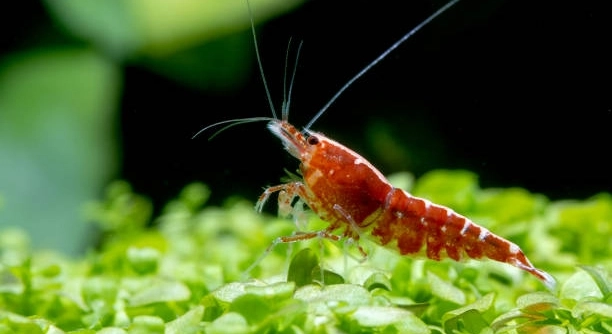
Have you ever noticed your shrimp swimming in their tank and wondered if they are truly thriving? Observing their behavior and appearance can give clear signs of their overall health and well-being. Monitoring them regularly is key.
Healthy shrimp exhibit vibrant coloration, active movement, and consistent feeding behavior. Their exoskeletons remain intact without signs of molting issues or deformities, while their antennae and legs show normal function, indicating proper nutrition and stable environmental conditions.
Recognizing these visual cues can help ensure your shrimp stay healthy and vibrant in their aquatic environment. Observing them carefully will guide better care decisions.
Bright and Vibrant Colors
Shrimp that are healthy often display bright and vivid colors. These colors are more than just appealing—they indicate good nutrition and proper tank conditions. When shrimp have a balanced diet and stable water parameters, their pigments are more pronounced. Faded or dull coloration can signal stress, poor water quality, or illness. Observing the intensity of their colors daily allows you to track their health over time. Color changes during molting are normal, but permanent dullness requires attention. Environmental factors such as light, temperature, and tank decorations can also influence their appearance. Keeping plants and hiding spots helps reduce stress, allowing shrimp to maintain their natural hues. Avoid sudden changes in water conditions, as this can cause colors to fade quickly. Feeding high-quality shrimp food with natural pigments, along with occasional algae or biofilm, can enhance their vibrancy. Watching them display their natural colors is a simple yet reliable indicator of overall well-being.
Consistent vibrant colors suggest the shrimp are feeding properly, stress-free, and living in a suitable environment.
Maintaining proper tank conditions, stable temperatures, and high-quality nutrition ensures shrimp continue to display bright, natural colors. Observation of fading or unusual shades can prevent health issues before they become serious. Combining good lighting and natural hiding spots encourages stress-free activity and reinforces natural coloration.
Active Movement and Behavior
Shrimp that move actively and explore their surroundings are generally healthy.
Active shrimp swim steadily, forage consistently, and interact with other tank inhabitants. Lethargy or hiding for extended periods may indicate poor water quality, illness, or stress. Observing daily routines and behavior patterns helps identify problems early. Providing adequate space, hiding spots, and gentle water flow encourages natural movement. Tank mates that are aggressive can reduce shrimp activity, so compatibility is essential. Molting periods may temporarily slow movement, which is normal if balanced by increased feeding and recovery afterward. Nutritional deficiencies or sudden environmental changes can affect mobility and responsiveness. Regular observation allows owners to notice subtle shifts in swimming patterns, feeding enthusiasm, or exploration habits, which are strong indicators of health. Adjusting diet, water parameters, and tank setup as needed maintains consistent activity. Healthy shrimp will repeatedly display curiosity, interact with their habitat, and respond promptly to environmental changes.
Clear and Intact Exoskeleton
A healthy shrimp has a firm and undamaged exoskeleton. Cracks, discoloration, or softness can indicate stress, poor nutrition, or disease. Regular observation helps catch issues early.
Maintaining water quality and providing calcium-rich food supports strong exoskeleton development. Molting is a natural process, but incomplete or delayed molting often signals environmental or dietary problems. Shrimp need a stable pH, proper minerals, and consistent temperatures to maintain shell integrity. Soft or brittle shells make shrimp vulnerable to injury and infection. By ensuring a balanced diet and proper tank conditions, you can prevent exoskeleton weaknesses and help shrimp recover quickly after molting. Monitoring their shells daily provides insight into overall health and growth patterns.
Shrimp with strong, intact exoskeletons show better mobility, quicker recovery from stress, and reduced susceptibility to disease. Regular feeding and careful water management directly support shell durability and overall longevity, ensuring shrimp remain active and vibrant in their environment.
Healthy Antennae and Legs
A shrimp’s antennae and legs should move naturally and without hindrance. Damage or curling often points to stress or injury.
Proper nutrition and tank care ensure functional limbs and antennae. Molting can temporarily affect mobility, but persistent issues require adjustment in diet or environment. Physical obstacles, sharp decorations, or aggressive tank mates can damage delicate appendages, leading to feeding difficulties. Monitoring leg and antennae condition allows early intervention. In a stable environment, shrimp use their antennae to sense food and navigate, while legs support foraging and mobility. Broken or bent legs reduce efficiency and can increase stress. Maintaining smooth surfaces, proper hiding spaces, and clean water encourages healthy appendages. Supplements containing calcium and minerals also support regeneration after molting or injury. Observation over time confirms normal movement patterns and indicates overall health.
Regular Molting
Molting is a natural process for shrimp to grow and regenerate. Consistent molting indicates proper nutrition and healthy environmental conditions.
Delayed or irregular molting may signal stress, mineral deficiencies, or poor water quality. Tracking molting frequency helps identify potential problems early and ensures timely interventions to maintain shrimp health.
Clear Eyes
Healthy shrimp have clear, bright eyes without cloudiness or discoloration. Cloudy eyes can indicate stress, disease, or poor water conditions.
Eyes provide insight into overall well-being. Clear eyes show that shrimp are feeding properly and living in a balanced environment. Monitoring eye clarity regularly helps detect early signs of health issues, allowing corrective measures.
Smooth Swimming Patterns
Shrimp should swim steadily without erratic movements. Smooth swimming reflects comfort in their environment and overall vitality.
Irregular or sluggish swimming can point to stress, illness, or suboptimal water parameters. Observing movement patterns over time helps ensure that shrimp remain active and responsive, supporting long-term health and tank stability.
FAQ
How often should I monitor my shrimp’s health?
Monitoring shrimp health daily or every other day is ideal. Observing their colors, movement, and feeding behavior allows you to detect early signs of stress or illness. Keeping a simple log of changes in activity, molting, or shell condition can be helpful over time. Regular checks help maintain a stable environment and prevent minor issues from becoming serious.
What are the signs that my shrimp are stressed?
Shrimp under stress may show dull coloration, sluggish movement, or hiding more than usual. Frequent molting problems, damaged antennae or legs, and refusal to eat are also common indicators. Stress can result from poor water quality, aggressive tank mates, temperature fluctuations, or insufficient hiding spaces. Addressing environmental factors promptly reduces the risk of long-term health problems.
Can diet affect shrimp appearance and behavior?
Yes, nutrition directly impacts shrimp color, exoskeleton strength, and activity levels. A diet rich in minerals, protein, and natural pigments supports healthy growth and vibrant coloration. Lack of nutrients may lead to weak shells, slow molting, or pale colors. Supplementing with algae, biofilm, or specialized shrimp food ensures they receive essential nutrients.
How can I tell if molting is normal?
Healthy molting occurs regularly, depending on age and growth stage. Young shrimp molt more frequently, while adults molt less often. Normal molting results in complete shedding of the old exoskeleton without deformities. Signs of abnormal molting include incomplete shedding, stuck exoskeletons, or delayed cycles. Maintaining proper water quality and providing minerals support safe molting.
What water parameters are essential for healthy shrimp?
Stable water conditions are critical for shrimp well-being. Ideal parameters include a neutral to slightly alkaline pH, moderate hardness, and consistent temperature. Ammonia, nitrite, or nitrate spikes can be harmful, causing stress and illness. Regular testing and adjustments prevent sudden changes that affect color, activity, and molting. Clean, filtered water with proper circulation supports overall vitality.
How can I support appendage health?
Providing a stress-free environment with smooth surfaces and hiding spots prevents injury to legs and antennae. Nutrient-rich diets, including calcium and minerals, support regeneration and shell strength. Observing limbs during molting or after interactions with tank decorations ensures damage is caught early. Proper care helps shrimp forage efficiently and maintain natural behavior.
When should I seek professional help?
If shrimp show persistent lethargy, discolored or damaged shells, unusual swimming patterns, or prolonged hiding, professional advice may be necessary. Persistent molting problems, cloudy eyes, or unexplained deaths also warrant guidance. Consulting experienced aquarists or veterinarians ensures timely interventions and improves long-term shrimp health.
Can tank mates affect shrimp health?
Yes, aggressive or large tank mates can stress shrimp, causing hiding, reduced feeding, or molting issues. Choosing compatible species and providing hiding spots reduces conflict. Observation of interactions ensures shrimp remain active and safe. Proper tank design helps shrimp display natural behaviors without interference.
How can I encourage natural behavior?
Providing plants, hiding spaces, and gentle water flow allows shrimp to explore, forage, and interact safely. Natural behavior includes grazing on biofilm, swimming freely, and regular molting. Consistent lighting and minimal disturbance create a secure environment, promoting active and healthy shrimp.
What should I do if shrimp show signs of illness?
Isolate affected shrimp when possible, check water quality, and review diet. Minor stress can sometimes be corrected by adjusting parameters and providing optimal nutrition. Severe symptoms, such as lethargy, discoloration, or abnormal molting, may require professional advice. Early action improves recovery chances and protects the rest of the tank.
How important is observation over time?
Long-term observation helps identify trends in health, behavior, and growth. Noting changes in color, activity, molting, or feeding reveals patterns that short-term checks might miss. Consistent monitoring ensures preventive measures can be taken before serious issues arise, supporting a thriving shrimp population.
Can environmental enrichment improve shrimp well-being?
Yes, adding plants, moss, rocks, and hiding spaces encourages exploration, grazing, and natural behaviors. Enrichment reduces stress and supports physical and mental health. Shrimp in enriched environments often display brighter colors, more active movement, and smoother molting, contributing to overall vitality and longevity.
Monitoring the health of shrimp requires careful attention to their appearance, behavior, and environment. Observing visual cues such as color, movement, and exoskeleton condition provides valuable information about their overall well-being. Bright, vibrant colors indicate proper nutrition and low stress, while dull or faded colors may signal potential problems. Similarly, active swimming and consistent foraging reflect comfort in the tank and good health. Keeping track of these signs regularly allows you to detect early changes before they develop into serious issues. Simple daily observations, even for a few minutes, can provide a clear picture of shrimp health and help maintain a stable and thriving environment.
Maintaining proper water quality is crucial for shrimp to stay healthy. Stable parameters, including pH, temperature, and hardness, support normal molting, proper exoskeleton formation, and consistent behavior. Poor water conditions can quickly lead to stress, irregular molting, and susceptibility to disease. Providing a balanced diet with essential minerals, protein, and pigments supports shell strength, vibrant coloration, and energy for natural activity. Environmental features such as plants, hiding spaces, and smooth surfaces reduce stress and prevent injury to delicate antennae and legs. Observing shrimp over time and noting any subtle changes in behavior, movement, or physical condition allows for early intervention, improving the likelihood of long-term health and vitality.
Healthy shrimp show a combination of visual, behavioral, and environmental indicators. Regular molting, clear eyes, intact exoskeletons, and functional appendages all point to proper care. Active exploration and steady swimming patterns show that shrimp feel secure in their habitat. Supporting these factors through consistent water management, proper nutrition, and careful tank design ensures shrimp can thrive. Small adjustments, such as improving hiding spots or supplementing the diet with minerals, can make a noticeable difference in overall well-being. Monitoring shrimp regularly, understanding the signs of stress or illness, and responding promptly helps maintain a healthy and balanced aquarium. Observing these details over time not only ensures shrimp health but also enhances the enjoyment of maintaining a dynamic and vibrant aquatic environment.

Hello,
If you enjoy the content that we create, please consider saying a "Thank You!" by leaving a tip.
Every little bit helps us continue crafting quality advice that supports the health, happiness, and well-being of pets around the world, for pets of all shapes, sizes, and species.
We really appreciate the kindness and support that you show us!