
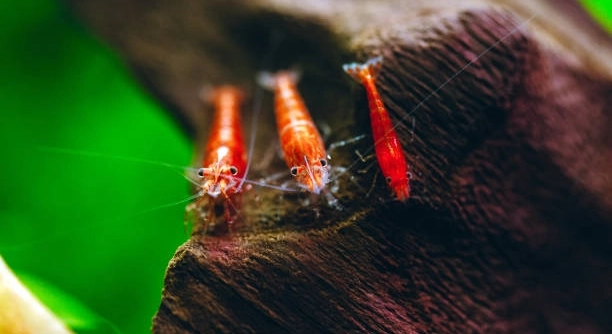
Do you ever find yourself wanting to adjust items in your shrimp tank even when the timing may not be ideal for their comfort and overall stability within the aquarium environment at all during maintenance.
Avoid rearranging a shrimp tank during molting, acclimation, illness, breeding activity, recent water changes, territorial adjustments or environmental stress, because each condition increases vulnerability and disrupts their physiological balance, making unnecessary disturbances potentially harmful to their health and tank stability.
These moments show how sensitive shrimp are, guiding a calm approach that keeps their environment stable and supports their comfort.
Understanding Sensitive Moments
Shrimp thrive when their environment stays stable, so recognizing the moments when rearranging the tank can cause unnecessary stress is important. When I think about how delicate these little creatures are, I focus on creating conditions that let them feel secure instead of disturbed. Moving décor, shifting plants or adjusting hiding spots at the wrong time can interrupt their rhythm and leave them struggling to regain balance. This is especially true when they are adapting to recent changes, recovering from health issues or going through natural stages that already demand energy from them. By keeping the setup steady during sensitive phases, you help them maintain their comfort without sudden surprises that could affect their behavior. Paying attention to these details supports a calm atmosphere that encourages healthy activity. A thoughtful approach prevents accidental issues and keeps the tank functioning smoothly, allowing your shrimp to settle without dealing with unwanted interference.
Shrimp respond best to predictable conditions, so limiting disruptions reduces stress and supports their routine. Keeping the tank stable during delicate periods helps maintain their comfort, encourages steady behavior and prevents unnecessary strain that may develop when the environment changes too quickly. For these small and sensitive aquatic animals overall.
Understanding these key moments gives you a clear sense of when to pause before making changes. Shrimp depend on a balanced environment that supports their natural patterns, and rushing adjustments can disrupt that balance quickly. I find it helpful to observe their behavior closely and wait until they appear settled before shifting anything inside the tank. Small disturbances can create tension that affects feeding, movement and social interaction. When you give them time to recover from stressful conditions, their activity remains smoother and stable. This awareness helps you maintain a peaceful aquarium that supports stability and reduces avoidable complications during.
Why Timing Matters Most
Certain stages in a shrimp’s life require stability, so shifting decorations or stirring the substrate during these periods can interrupt essential processes. Keeping movements minimal helps protect their well being and maintains harmony while they adjust to natural changes that influence their comfort and behavior within the aquatic space daily.
Rearranging a shrimp tank might seem simple, but the timing behind each adjustment determines how well your shrimp handle the change. Their environment shapes everything from feeding habits to molting cycles, so disruptions during demanding periods can interfere with their stability. When shrimp are molting, they shed their old exoskeleton and remain vulnerable until the new one hardens. Altering the tank during this stage can increase stress and reduce their chances of recovering safely. Newly introduced shrimp also need calm surroundings to acclimate, and any sudden shifts may slow their adaptation. Illness brings its own challenges, making a steady environment essential for their strength. Breeding activity is another key moment when tank modifications should be avoided, as disturbances can affect eggs and overall behavior. After major water changes, shrimp rely on consistency to adjust to new parameters, so extra changes can overwhelm them. Even territorial adjustments among shrimp call for patience since rearranging décor may restart conflicts. Environmental stress, such as temperature fluctuations, already places pressure on them, and moving items in the tank can add unnecessary strain. Respecting these sensitive intervals supports healthier shrimp, reduces complications and encourages steady development that benefits the entire tank over time for stability.
Recognizing Stress Signals
Shrimp show clear signs when they are overwhelmed, so noticing changes in their behavior helps prevent unnecessary pressure. Slower movement, hiding for longer periods or sudden sensitivity to light can indicate they need a stable environment without extra disruptions inside the tank.
When shrimp begin displaying stress signals, keeping the tank steady becomes even more important. Even a small shift in décor or substrate can amplify the tension they are already experiencing. I pay close attention to how they move and react because these subtle signs reveal more than you might expect. If their feeding slows down or they cling to surfaces for longer than usual, they may be struggling to adjust. Maintaining a quiet, consistent layout gives them room to recover. Avoiding rearrangement during these times supports healthier activity and makes it easier for them to return to their regular routine without added strain.
A shrimp showing visible stress benefits most from a predictable environment that gives them time to regain confidence. Their reactions offer small clues that guide safer decisions when caring for the tank. Steady surroundings help them manage temperature shifts, recent changes in water conditions or social tension from other shrimp. Each of these situations already affects their comfort, so rearranging the tank at the same time can cause stress to build quickly. A calm setup helps them feel secure and reduces the pressure that rapid changes can bring.
Protecting Vulnerable Shrimp
Shrimp recovering from illness or physical weakness depend on consistent surroundings because even minor disruptions can slow healing. Their immune system works harder during recovery, so keeping the tank stable helps them save energy and increases their chances of regaining strength without unnecessary complications.
When a shrimp is vulnerable, steady conditions matter more than anything. They rely on familiar hiding spaces, predictable lighting and stable water parameters to stay comfortable while they heal. I avoid moving plants or decorations during these periods because sudden changes can cause them to retreat, stop eating or become more stressed. A consistent environment helps them conserve their energy and handle recovery at their own pace. Rearranging the tank too soon can interrupt their routine, unsettle their behavior and lead to setbacks that make healing slower. Keeping the layout unchanged gives them a better chance to regain stability, especially when their system is already working hard to recover.
Avoiding Disruption During Molting
Molting leaves shrimp exposed and sensitive, so keeping the tank layout stable helps them stay calm. Any sudden shift in décor or hiding spots can make them feel unsafe and interfere with the energy they need to complete this vulnerable stage.
A shrimp in the middle of molting depends heavily on predictable surroundings. I avoid moving anything during this time because even gentle adjustments can interrupt their resting places or reduce the sense of security they rely on while their new shell hardens.
Adjusting After Major Changes
Large changes like water parameter shifts or new additions to the tank already demand a lot from shrimp. Their bodies work hard to adapt, so rearranging items during this period increases stress more than it helps. I find it better to let them settle into the updated conditions before altering their environment again. Giving them this steady adjustment period allows their behavior, appetite and comfort levels to normalize. Once they regain their rhythm, the tank becomes more stable, and the shrimp respond more smoothly to subtle updates. Timing these adjustments carefully keeps disruptions low and helps the shrimp remain comfortable.
Supporting Breeding Activity
Breeding shrimp rely on steady surroundings because sudden disturbances can interrupt their patterns. I keep the tank calm and unchanged during this stage to support consistent behavior and avoid stressing them when they are already focused on delicate processes.
FAQ
Why should I avoid rearranging the tank when shrimp are molting?
Molting puts shrimp in a fragile state, and they rely on stable surroundings while their new shell hardens. I avoid shifting plants, rocks or decorations during this period because sudden changes can interrupt their resting places and increase the stress they already feel. Their body uses extra energy to manage the molting process, so keeping the environment consistent helps them stay calm and reduces the risk of complications. A steady layout also prevents them from searching for new hiding spots when they feel exposed. Allowing them to complete molting without interference supports healthier development and smoother behavior once the process is finished.
Is it risky to rearrange the tank when new shrimp have been introduced?
New shrimp need time to adjust, and shifting items during this sensitive stage can slow their comfort level. I find that they adapt better when the tank remains predictable because it helps them explore at their own pace. Disrupting the setup too soon forces them to reorient themselves twice, which can cause them to hide more, eat less or interact less naturally with others. Allowing a settling period supports steadier behavior and encourages them to feel safe in their new environment. Once they have settled and show consistent activity, minor adjustments become far easier for them to handle. Stability during this early phase is important for their long term comfort.
Should I avoid rearranging the tank after a major water change?
Yes, because shrimp already work hard to adjust to altered water parameters. Their bodies take time to balance themselves after shifts in temperature, hardness or pH. Adding rearrangement on top of that can overwhelm them. I prefer to let them regain their routine before changing anything else inside the tank. When they have recovered from the initial stress, they move, feed and interact more normally. This calm state makes small layout changes easier for them to accept without showing signs of tension. Keeping movements minimal right after a major water change supports a smoother transition and prevents unnecessary strain.
How does illness affect whether I should rearrange the tank?
Illness reduces a shrimp’s ability to adapt to new conditions, and altering the tank can slow their recovery. When a shrimp is weak or showing signs of discomfort, I keep the setup unchanged because stable surroundings help them conserve energy. Even mild alterations can cause them to hide more or stop eating. Familiar hiding spaces and predictable pathways reduce stress and promote steadier behavior as they heal. When they begin to show healthier activity again, the tank can handle gentle adjustments without affecting them as much. Giving them a supportive environment helps the healing process run more smoothly.
Why does breeding activity require extra stability?
Breeding shrimp rely on consistent conditions, and sudden disturbances can interrupt patterns that support their reproductive behavior. I avoid shifting décor or plants during this time because breeding shrimp often depend on familiar hiding spots and predictable pathways for comfort. Sudden movements inside the tank can affect their appetite, disrupt egg carrying behavior or create unnecessary tension. Stable surroundings help them maintain focus on natural processes without added pressure. Once breeding activity has slowed and the shrimp have returned to normal routines, the tank can be adjusted more safely.
What signs tell me that shrimp are too stressed for rearranging?
Shrimp reveal discomfort through behavior, and noticing these signs helps protect them from unnecessary tension. Slower movement, hiding more often or avoiding open areas can indicate they feel unsettled. I also watch for changes in feeding or sudden darting reactions when something shifts in the environment. When these signs appear, keeping the tank steady helps them regain balance. Rearranging during these moments can push their stress higher, creating a longer recovery period. Waiting until their behavior normalizes supports healthier activity and keeps the tank functioning smoothly.
Final Thoughts
Caring for shrimp means paying attention to the moments when stability matters most, and understanding these sensitive periods makes a meaningful difference in how well they thrive. I have learned that their comfort often depends on the quiet, predictable rhythm of their environment, and even small disturbances can interrupt that balance. Shrimp are delicate in ways that are easy to overlook, and their reactions to changes inside the tank happen quickly. When their surroundings shift at the wrong time, they can become stressed, hide more or struggle to recover from natural processes like molting or acclimating to new conditions. Keeping the layout steady during periods of vulnerability helps them feel safe enough to move freely, eat well and interact normally. It also gives you a clearer picture of their genuine behavior without the influence of unnecessary disruptions. Paying attention to these moments creates a more peaceful and healthier aquarium where the shrimp can settle comfortably without dealing with extra strain.
Maintaining consistency in the tank becomes especially important when shrimp are already working through situations that demand their energy. Molting requires strength and leaves them exposed, so a steady environment allows them to focus on hardening their new shell. Illness affects their confidence and requires surroundings that do not shift suddenly, helping them save energy for recovery. Major water changes place enough pressure on them without adding new adjustments to décor or hiding spots. Breeding activity also relies on predictability because shrimp tend to behave more steadily when their surroundings remain unchanged. Even social tension among shrimp can be influenced by how often the tank is rearranged, as new layouts can restart territorial behavior and unsettle their routine. By recognizing these details, you create a safer space that respects the natural patterns shrimp rely on to stay comfortable and stable.
A thoughtful approach to rearranging the tank helps you support your shrimp more effectively and builds a healthier environment over time. Observing how they react, how they move and how they settle into the tank allows you to make decisions that fit their needs instead of rushing changes at difficult moments. Waiting until they appear calm, active and steady helps ensure each adjustment is easier for them to handle. This kind of patience encourages smoother behavior and a more balanced tank that remains stable even during necessary updates. When you take the time to understand their signals and respond with care, your shrimp benefit from a calmer habitat that reduces stress and supports their long term well being. This steady approach brings out their best behavior and keeps the aquarium running smoothly.

Hello,
If you enjoy the content that we create, please consider saying a "Thank You!" by leaving a tip.
Every little bit helps us continue crafting quality advice that supports the health, happiness, and well-being of pets around the world, for pets of all shapes, sizes, and species.
We really appreciate the kindness and support that you show us!