
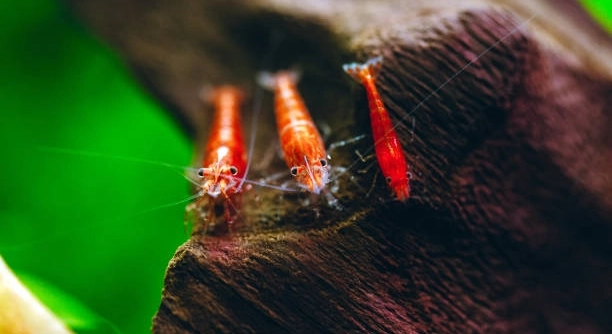
Are your new cherry shrimp taking longer than expected to adjust to their tank? Moving to a new environment can be stressful for them, and small changes in water or surroundings can affect their comfort levels.
Helping cherry shrimp settle faster requires careful attention to water parameters, gradual acclimation, and a stress-free environment. Ensuring stable temperature, appropriate pH, and minimal disturbances supports their adaptation, reducing mortality and encouraging healthy behavior in their new habitat.
These simple practices can make a big difference, helping your shrimp feel secure and thrive while minimizing stress in their new home.
Prepare the Tank Before Adding Shrimp
Before introducing cherry shrimp, make sure your tank is fully cycled and stable. A cycled tank ensures beneficial bacteria are established, which helps process waste and maintain water quality. Plants and hiding spots should be arranged carefully to reduce stress and provide cover. Testing water parameters like ammonia, nitrite, nitrate, and pH is essential. Adjust temperature to match the shrimp’s needs, usually around 72–78°F, and ensure gentle filtration. Avoid strong currents, as cherry shrimp prefer calmer areas. Soft substrate and moss can create a more comfortable environment. Clean decorations and substrate help remove potential toxins or residues. Lighting should be moderate, allowing shrimp to explore without feeling exposed. Providing food before adding shrimp can help them recognize their new habitat as safe. Gradual introduction allows them to acclimate more naturally and reduces the chance of shock. Avoid overcrowding, as too many shrimp can increase stress and lead to water quality issues.
Proper tank preparation supports healthier shrimp and smoother adaptation, reducing stress and improving survival rates.
When the tank is ready, cherry shrimp can move in without immediate stress, creating a stable environment from day one.
Gradual Acclimation
Slowly introducing shrimp to their new water conditions helps them adapt safely.
Place the bag in the tank for 15–20 minutes to equalize temperature. Gradually mix small amounts of tank water into the bag over the next hour. This reduces sudden changes in pH, hardness, and temperature that could harm them. Use a drip line if possible, as this allows water to mix steadily without shocking the shrimp. Avoid pouring them directly into the tank; sudden changes can cause stress or death. Once acclimated, gently release shrimp near hiding spots. Keep lights dim during the first day to reduce stress and encourage exploration. Feeding small amounts after acclimation helps them adjust and recognize the tank as safe. Observation during the first 24 hours is crucial to spot signs of distress or water issues. Patience during this stage ensures shrimp settle quickly and maintain good health.
Gradual acclimation gives shrimp time to adjust, making them more active and less stressed, improving overall survival.
Maintain Stable Water Parameters
Keeping water parameters stable is essential for cherry shrimp health. Sudden changes in temperature, pH, or hardness can stress them and delay settling. Regular monitoring ensures conditions remain consistent and safe.
Frequent water testing is important to prevent spikes in ammonia, nitrite, or nitrate. Even small shifts in pH or hardness can affect shrimp behavior and health. Use a reliable test kit to track changes, and perform partial water changes when necessary to maintain balance. Avoid adding chemicals or medications that could disrupt the delicate ecosystem. Shrimp are sensitive to sudden changes, so maintaining consistency is key. Consistent temperature and gentle filtration also help create a calm environment, reducing stress. Observing shrimp behavior daily can indicate water quality issues before they become severe.
A consistent routine for checking water, adjusting minor changes slowly, and avoiding drastic interventions ensures your shrimp remain healthy. Maintaining a balanced environment encourages them to explore and feed normally, speeding up their adaptation process.
Provide Hiding Spots
Shrimp feel safer with plenty of hiding places in the tank. Plants, moss, and decorations help them reduce stress and explore confidently.
Adding live plants, moss, and small caves gives shrimp natural shelters. These areas allow them to hide while adjusting and provide surfaces for biofilm growth, which is a natural food source. Hiding spots also reduce competition and aggression among shrimp, especially when molting. Dense plant coverage can mimic their natural environment, helping them feel secure. Even simple items like small ceramic tubes or leaf litter work well. Variety in hiding spaces ensures all shrimp can find shelter at any time. Properly positioned hiding spots near feeding areas encourage shrimp to leave shelter gradually, improving their comfort level. Observing shrimp using these areas helps identify if the tank setup meets their needs.
Providing a range of hiding spots helps shrimp reduce stress, settle faster, and thrive in their new environment, encouraging natural behaviors and healthy growth.
Feed Sparingly at First
Start with small amounts of food to avoid water contamination. Overfeeding can harm water quality and stress shrimp.
Offer tiny portions once a day, allowing shrimp to eat quickly. Remove uneaten food after a few hours to maintain clean water.
Monitor Behavior Closely
Observe shrimp daily for signs of stress, hiding, or unusual swimming. Early detection of problems helps prevent health issues. Watch for lethargy, loss of appetite, or molting difficulties, as these indicate water or environmental stressors. Prompt adjustments in tank conditions or feeding can improve adaptation.
Gentle Tank Maintenance
Clean the tank carefully to avoid disturbing shrimp. Use gentle siphoning and avoid strong currents that stress them.
Regular, slow maintenance keeps water quality high while minimizing disturbance. Avoid sudden water changes, harsh scrubbing, or aggressive filter cleaning. Simple, careful routines encourage shrimp to explore freely and settle faster.
FAQ
How often should I check water parameters for cherry shrimp?
Checking water parameters at least twice a week is recommended. Shrimp are sensitive to ammonia, nitrite, nitrate, pH, and hardness. Keeping a log can help you notice trends and make gradual adjustments. Over time, you’ll better understand what works best for your tank’s balance.
Can cherry shrimp survive sudden temperature changes?
Sudden temperature changes can be very stressful and even fatal for cherry shrimp. Gradual shifts of no more than 1–2°F per hour are safer. Using a heater or adjusting room temperature slowly helps maintain stability and avoids shock during seasonal changes or tank cleaning.
What is the best food for new cherry shrimp?
High-quality shrimp pellets or algae wafers are ideal for new shrimp. Supplementing with blanched vegetables like zucchini, spinach, or cucumber gives additional nutrients. Offering small amounts prevents water contamination while ensuring shrimp get the nutrients needed to settle and grow.
Do cherry shrimp need hiding spots immediately?
Yes, hiding spots are essential from day one. Plants, moss, and small decorations reduce stress and create secure areas while shrimp acclimate. Molting shrimp rely on these spaces for protection, and having options encourages them to explore at their own pace.
How can I tell if shrimp are stressed?
Signs of stress include hiding constantly, lethargy, loss of appetite, unusual swimming, and difficulty molting. Observing these behaviors early helps you identify issues like poor water quality, inappropriate temperature, or insufficient hiding spots, allowing you to make timely corrections.
Is acclimation really necessary for cherry shrimp?
Acclimation is critical. Gradually introducing shrimp to new water conditions reduces shock from differences in pH, temperature, and hardness. A slow drip method or incremental water mixing over 60–90 minutes helps shrimp adjust safely, ensuring higher survival and quicker adaptation to the tank.
Can I add other tank mates immediately?
Adding other tank mates right away can increase stress and competition. Wait until shrimp are settled and consistently active. Even calm fish can stress new shrimp, so patience ensures shrimp have established hiding routines and confidence in their environment.
How much water should I change during the first few weeks?
Small, frequent water changes of 10–15% per week are safer than large changes. This maintains water quality while keeping parameters stable. Avoid sudden changes in temperature or chemistry, as shrimp are sensitive and sudden shifts can delay settling or cause health issues.
Do shrimp need special lighting?
Moderate lighting is enough. Too bright lighting can stress new shrimp, while too dim can limit plant growth, affecting hiding spots and natural biofilm. Adjust lighting gradually if you notice shrimp hiding excessively or avoiding the tank’s open areas.
Can I use tap water directly for cherry shrimp?
Tap water must be treated to remove chlorine or chloramine before use. Using untreated tap water can kill shrimp or damage beneficial bacteria. A dechlorinator ensures water is safe, and allowing water to sit or using filtration can further stabilize conditions.
How long does it take for cherry shrimp to settle completely?
Cherry shrimp usually start exploring within a day or two, but full adaptation can take one to two weeks. During this time, stable water, hiding spots, and careful feeding help them gain confidence and reduce stress, allowing normal behavior and growth to establish.
Should I remove uneaten food immediately?
Yes, uneaten food should be removed after a few hours to prevent water quality issues. Leftover food can decompose, raising ammonia and nitrate levels, which stress shrimp and slow settling. Feeding small portions ensures shrimp eat what they need without contaminating the tank.
Are live plants necessary for cherry shrimp?
While not strictly necessary, live plants greatly improve shrimp comfort. Plants provide shelter, surfaces for biofilm growth, and oxygenate the water. Moss, Java fern, or floating plants are especially helpful for new shrimp, creating natural hiding places and food sources.
Can cherry shrimp tolerate other chemicals in the tank?
Cherry shrimp are very sensitive to medications, fertilizers, and heavy metals. Always check safety before adding anything to the tank. Even small amounts of copper-based treatments or strong fertilizers can harm shrimp. Keeping chemical use minimal supports faster adaptation and healthier shrimp.
How do I handle molting shrimp?
Molting is a vulnerable time. Provide hiding spots and avoid disturbing the tank during this period. Do not remove the shed exoskeleton immediately; shrimp often eat it to recycle nutrients. Stress during molting can cause deformities or death, so keeping the environment calm is crucial.
Is water hardness important for cherry shrimp?
Yes, both GH (general hardness) and KH (carbonate hardness) matter. Proper hardness supports molting and overall health. GH around 6–8 and KH around 2–4 is ideal for most cherry shrimp. Sudden changes in hardness can cause stress, so adjustments should be gradual.
Can I mix cherry shrimp of different colors immediately?
Mixing colors is fine if all shrimp are healthy and the tank is properly prepared. However, avoid overcrowding to reduce stress and competition. Ensure plenty of hiding spots to prevent aggressive interactions during the early settling period.
Do shrimp recognize their food in a new tank?
It may take a few days for shrimp to find and recognize food in a new environment. Offering familiar foods from their previous tank can help. Small, consistent feedings encourage exploration and reduce stress while they adjust to the new tank setup.
What is the best tank size for settling cherry shrimp?
A tank of at least 5 gallons is suitable for a small group. Larger tanks allow more stable water parameters, better hiding spots, and reduced stress from territorial interactions. Overcrowding in smaller tanks can increase aggression and slow settling.
How do I reduce stress during tank cleaning?
Clean gently, remove only small portions of substrate at a time, and avoid strong currents. Using a sponge or gentle siphon keeps shrimp safe. Performing maintenance when shrimp are hiding or less active also reduces disturbance and allows them to settle faster.
Can I add more shrimp after the first batch has settled?
Yes, adding new shrimp is easier once the initial group is comfortable. Acclimate newcomers slowly to prevent stress. The established shrimp will usually ignore new arrivals, and the tank’s environment will be stable enough to support additional shrimp safely.
Is it normal for shrimp to hide for several days?
Yes, initial hiding is common. New shrimp often stay in plants or decorations while assessing their surroundings. As long as water parameters are stable, they will gradually emerge to feed and explore. Patience during this period ensures they adapt without stress.
How do I encourage shy shrimp to explore?
Providing varied hiding spots near feeding areas and maintaining calm lighting encourages shrimp to leave shelter. Small, gentle feedings and minimal disturbances help build confidence. Over time, shy shrimp will explore more actively as they feel safe in their environment.
Are cherry shrimp sensitive to water flow?
Yes, strong currents stress them. Cherry shrimp prefer gentle flow, allowing them to move freely without struggling. Positioning filters or creating calm zones ensures they can feed and explore comfortably while avoiding stress from excessive water movement.
How long should I wait before adding decorations or rearranging the tank?
Wait at least a week after adding shrimp before making major changes. This allows them to establish hiding patterns and become comfortable. Frequent rearrangements can stress shrimp and slow their settling, making gradual adjustments preferable.
Can I use fertilizers with live plants in a shrimp tank?
Yes, but choose shrimp-safe fertilizers. Avoid products containing copper or high concentrations of chemicals. Using low-dose, targeted fertilizers ensures plants grow while shrimp remain safe and stress-free, supporting a balanced environment for adaptation.
Is it normal for shrimp to cluster together initially?
Yes, clustering provides a sense of security during the first few days. Shrimp often stay in groups near hiding spots while adjusting. As they settle and gain confidence, they will spread out to explore the tank more evenly.
Do cherry shrimp require a specific pH range?
Yes, a slightly acidic to neutral pH of 6.5–7.5 is ideal. Sudden pH changes can cause stress or death. Monitor pH regularly, especially in new tanks, and adjust gradually if necessary to keep shrimp healthy and promote faster adaptation.
How do I prevent shrimp from escaping during acclimation?
Ensure all tank lids are secure and avoid gaps. During acclimation, handle bags carefully and avoid sudden movements that could startle them. Secure openings prevent accidents and help shrimp settle safely in their new environment.
Can I use filtered or bottled water for shrimp?
Yes, filtered or bottled water can be used if treated and tested for parameters like pH, GH, and KH. Avoid water with additives or unknown chemicals. Safe water supports healthy adaptation and prevents stress during settling.
How important is tank stability for long-term shrimp health?
Tank stability is crucial. Consistent temperature, water chemistry, and low disturbance levels reduce stress and prevent illness. Shrimp thrive in predictable conditions, making long-term monitoring and careful maintenance essential for a healthy, active colony.
Should I quarantine new shrimp before adding them to the main tank?
Quarantine is recommended to prevent disease or parasites from spreading. A separate tank for 2–3 weeks allows observation and treatment if needed. Healthy shrimp can then be acclimated to the main tank safely, reducing stress for the established colony.
Do cherry shrimp need aeration?
Moderate aeration is sufficient. Too strong a current can stress shrimp, while gentle oxygenation supports healthy water conditions. Ensure areas of calm water for feeding and hiding to balance oxygen levels without disturbing shrimp.
Can shrimp coexist with snails during settling?
Yes, snails are generally safe tank mates. They do not compete aggressively for space and help maintain tank cleanliness. Ensure the tank has sufficient hiding spots so shrimp feel secure while adjusting to their environment.
What is the best feeding schedule for new shrimp?
Feed small amounts once a day at first. Observe if they eat quickly and adjust portions gradually. Overfeeding can harm water quality, while underfeeding slows adaptation. Consistent, moderate feeding encourages normal behavior and faster settling.
Are shrimp affected by sudden lights turning on or off?
Yes, sudden changes in lighting can startle shrimp. Using gradual light transitions or dimming helps prevent stress. Allowing a calm environment during the first days encourages exploration and reduces hiding behavior, helping them adjust faster.
How do I support molting in new shrimp?
Provide calcium-rich foods, stable water parameters, and hiding spots. Molting is critical for growth, and stress or poor conditions can cause failures. Ensuring a calm, stable environment allows shrimp to molt successfully and continue healthy development.
Can I mix different shrimp species with cherry shrimp?
Some species can coexist, but research compatibility carefully. Aggressive or larger species can stress cherry shrimp, slowing settling. Providing plenty of hiding spots and monitoring interactions helps ensure a peaceful environment for all shrimp.
How do I know when shrimp are fully settled?
Shrimp are settled when they consistently explore, feed actively, and show normal behavior. They spend less time hiding, molt successfully, and interact with plants and decorations naturally. Observing these behaviors indicates they are comfortable and thriving in the tank.
Should I remove shrimp that hide too much?
No, excessive hiding often indicates stress or adjustment, not illness. Ensure water parameters are stable and hiding spots are sufficient. With patience, shy shrimp gradually explore and integrate into the tank environment.
Is it safe to use aquarium salt during settling?
Only use shrimp-safe salt in very small amounts if needed. Many salts can harm invertebrates. Avoid unnecessary additions during the first days, focusing on stable water parameters instead to promote natural adaptation.
Can I change the substrate after adding shrimp?
Major substrate changes should be avoided initially. Disturbing the substrate can stress shrimp and harm molting individuals. If changes are necessary, do so gradually and provide extra hiding spots to reduce stress during the process.
How do I prevent algae overgrowth while feeding shrimp?
Feed sparingly and remove uneaten food promptly. Algae can grow quickly in nutrient-rich water. Controlling light duration and maintaining stable water parameters help manage algae, keeping the tank clean for shrimp to settle comfortably.
Is it normal for shrimp to hide after molting?
Yes, newly molted shrimp are vulnerable. They hide to avoid stress or predation, even in a safe tank. Providing adequate hiding spots ensures they recover fully before resuming normal activity.
Can I use decorations with sharp edges?
Avoid sharp decorations that can injure shrimp during movement or molting. Smooth surfaces reduce the risk of cuts or stress. Safe materials include ceramic, smooth rocks, and soft plants.
Do cherry shrimp need a specific water flow rate?
Yes, gentle flow is preferred. Too strong currents stress shrimp and can interfere with feeding or molting. Position filters or decorations to create calm zones, allowing shrimp to move comfortably while maintaining oxygenated water.
How long should I wait to breed cherry shrimp after adding them?
Wait until shrimp are fully settled, comfortable, and feeding actively. Stress or poor adaptation can prevent breeding. Ensuring stable water, hiding spots, and low disturbance encourages natural reproduction once they are fully comfortable.
Can I use CO2 for plants in a shrimp tank?
CO2 can be used if carefully monitored and within safe limits. Sudden CO2 spikes can harm shrimp, so avoid high concentrations and maintain stable levels to support plants without stressing your shrimp.
Is it normal for shrimp to explore at night only?
Yes, cherry shrimp are naturally more active in low light. Nighttime exploration reduces stress from exposure and bright light, helping them acclimate while feeling safer in the tank environment.
How do I encourage biofilm growth for shrimp?
Allow surfaces like rocks, plants, and moss to develop natural biofilm. Avoid harsh cleaning and provide gentle lighting. Biofilm is a key food source for shrimp and encourages healthy activity and faster settling.
What should I do if shrimp refuse to eat?
Check water parameters, hiding spots, and acclimation methods. Offer familiar foods in small amounts and give time to adjust. Refusal to eat often indicates stress or water issues that need correction for shrimp to thrive.
Can I use fertilizers with shrimp in a planted tank?
Use only shrimp-safe fertilizers in low concentrations. Many standard fertilizers contain copper or chemicals harmful to shrimp. Controlled doses help plant growth without compromising shrimp health or slowing settling.
How often should I feed shrimp after they are settled?
Once settled, feed small portions once or twice a day. Observe consumption and remove leftovers to maintain water quality. Consistent feeding supports growth and encourages active, confident shrimp.
Do shrimp need a special tank lid?
A secure lid prevents escapes. Cherry shrimp are small but can climb glass and plants. Ensuring the tank is fully covered protects them and maintains stable water conditions.
Are cherry shrimp sensitive to loud noises or vibrations?
Yes, sudden vibrations or loud sounds can stress shrimp, causing hiding or inactivity. Keep the tank in a calm location to support adaptation and healthy behavior.
Can I mix juvenile and adult shrimp?
Yes, but provide sufficient hiding spots. Juveniles are smaller and more vulnerable during molting. Proper tank setup reduces competition and stress, ensuring all shrimp can settle comfortably.
Do I need to adjust feeding for molting shrimp?
Offer calcium-rich foods and avoid overfeeding during molting. Proper nutrition supports exoskeleton development. Stress-free conditions allow successful molting and faster adaptation.
How do I prevent fungal infections in new shrimp?
Maintain clean water, avoid overfeeding, and provide hiding spots. Fungal infections often occur in stressed or injured shrimp. Stable conditions reduce the risk and help shrimp settle safely.
Is it normal for shrimp to eat algae right away?
Yes, algae are a natural food source. Allowing some algae growth encourages feeding behavior, helping shrimp explore and adapt more confidently to their new environment.
Can I use aquarium heaters during acclimation?
Yes, heaters help maintain stable temperatures. Gradual adjustments prevent shock, ensuring shrimp remain comfortable as they adapt to new tank conditions.
Should I separate molting shrimp from others?
Not necessary if sufficient hiding spots exist. They can molt safely in plants or decorations, reducing stress and preventing injury.
Can I use leaf litter for hiding and food?
Yes, leaves like Indian almond provide shelter and biofilm growth. This natural addition supports feeding and reduces stress during adaptation.
How do I avoid overstocking when adding shrimp?
Plan tank size, hiding spots, and feeding carefully. Overcrowding causes stress, competition, and poor water quality, slowing adaptation. Gradual introductions help maintain balance.
Are cherry shrimp sensitive to chlorine?
Yes, untreated tap water with chlorine or chloramine can kill shrimp. Always treat water before use to ensure safety and healthy adaptation.
How can I tell if water is safe after treatment?
Use a reliable test kit to check pH, hardness, ammonia, nitrite, and nitrate. Properly treated water ensures a stable environment for shrimp to settle safely.
Do cherry shrimp need specific tank decorations?
Simple, smooth decorations are best. Avoid sharp edges and overcrowding. Decorations should provide hiding spaces while allowing free movement for feeding and exploration.
Can shrimp survive in a bare tank?
Yes, but hiding spots and biofilm sources improve comfort. Bare tanks can increase stress, slow adaptation, and reduce natural feeding opportunities.
Is it normal for shrimp to cling to plants initially?
Yes, clinging helps them feel secure and reduces exposure to stress. Gradually, they will explore open areas once comfortable.
Can I mix shrimp from different suppliers immediately?
Quarantine and acclimate separately before mixing. This reduces disease risk and allows shrimp to settle safely, avoiding stress from sudden introduction.
How do I reduce stress during transportation?
Keep water stable, avoid temperature swings, and minimize handling. Gentle handling and acclimation after arrival support faster adaptation to the tank environment.
Do cherry shrimp need supplements?
Calcium and trace minerals support molting and growth. Adding small amounts through diet or water-safe products helps shrimp thrive while settling.
Are shrimp affected by strong smells near the tank?
Yes, strong chemicals, perfumes, or cleaning agents can stress them. Keep the tank in a neutral, calm environment to encourage healthy adaptation.
How can I encourage shy shrimp to feed?
Feed in areas near hiding spots and use familiar foods. Small, consistent feedings help build confidence and encourage normal feeding behavior.
Is it safe to use driftwood with new shrimp?
Yes, driftwood provides hiding spots and surfaces for biofilm growth. Ensure it is clean and free of contaminants before adding to the tank.
Can I use snails to clean uneaten food?
Yes, snails help manage leftover food, but do not rely solely on them. Regular removal and careful feeding maintain optimal water quality.
Do cherry shrimp recognize each other?
Yes, shrimp often form groups and interact. Social behavior helps reduce stress and encourages normal exploration and feeding patterns.
**Should
Final Thoughts
Helping cherry shrimp settle into a new tank requires patience and careful attention to their environment. Stable water parameters are the foundation for their health. Keeping temperature, pH, hardness, and other chemical levels consistent allows shrimp to feel safe and reduces stress. Sudden changes, even small ones, can cause hiding, lethargy, or molting issues. Regular testing and slow, incremental adjustments help maintain balance. Gradual acclimation when introducing new shrimp is just as important. Mixing tank water with the shipping water over an hour or more prevents shock and allows them to adjust naturally. Small details like gentle lighting, calm currents, and secure tank lids contribute to a stress-free environment, making the transition smoother.
Providing hiding spots is essential during the early days in a new tank. Plants, moss, decorations, and even simple items like tubes or leaf litter create safe spaces for shrimp to retreat when stressed. Hiding spots also support molting, a vulnerable time in a shrimp’s life. Observing their behavior helps identify whether the tank setup meets their needs. Shrimp that feel secure will begin exploring, feeding, and interacting with their environment sooner. Food should be offered in small amounts at first to avoid water contamination, and uneaten food should be removed promptly. Proper feeding encourages shrimp to explore and signals that the environment is safe and comfortable. Over time, consistent care allows them to grow more confident and active.
Long-term success depends on creating a calm and balanced environment. Gentle maintenance routines, small partial water changes, and careful monitoring of water quality keep shrimp healthy while minimizing disturbances. Avoid overcrowding and introduce new shrimp gradually to prevent stress. Even minor details, such as using shrimp-safe fertilizers or providing biofilm surfaces, make a difference in their adaptation. By focusing on consistency, patience, and observation, cherry shrimp will settle more quickly and thrive. Once they are comfortable, their activity levels increase, molting becomes successful, and they begin displaying natural behaviors. With proper care, your shrimp will not only adapt to their new environment but also remain healthy and active for years to come, providing a satisfying and engaging experience in your tank.

Hello,
If you enjoy the content that we create, please consider saying a "Thank You!" by leaving a tip.
Every little bit helps us continue crafting quality advice that supports the health, happiness, and well-being of pets around the world, for pets of all shapes, sizes, and species.
We really appreciate the kindness and support that you show us!