
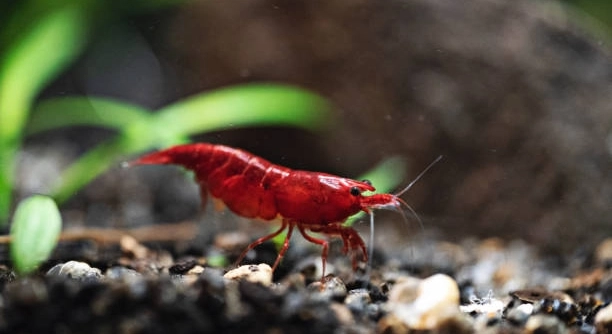
Do you enjoy keeping cherry shrimp but find yourself thinking about the best way to set up their tank? Many shrimp enthusiasts experiment with different setups to see what suits these tiny creatures best.
Cherry shrimp can survive without substrate, but their overall health and activity may be affected. Substrate provides surfaces for biofilm growth, stabilizes water parameters, and offers hiding spots, all of which contribute to their thriving environment.
Maintaining a substrate-free tank is possible, yet understanding the necessary adjustments is key to ensuring your shrimp remain healthy and active over time.
Understanding Substrate Importance
Substrate plays a critical role in a cherry shrimp tank by providing surfaces for biofilm, which is their primary food source. Without substrate, shrimp must rely solely on supplemental feeding, which can be less natural. Substrate also helps stabilize water parameters, buffering pH and preventing sudden swings that stress shrimp. Hiding spaces are limited without substrate, making shrimp more vulnerable to stress and aggression, especially during molting. Plants can still be used without substrate, but root anchoring may be difficult, potentially causing them to float or suffer. Gravel, sand, or specialized shrimp substrate offers additional benefits, including promoting beneficial bacteria that aid in ammonia and nitrite breakdown. While some shrimp adapt to bare-bottom tanks, those with substrate generally display more vibrant colors, increased activity, and better reproduction rates. Regular tank maintenance becomes more critical without substrate, as debris and uneaten food settle on the tank bottom, requiring more frequent cleaning to avoid water quality issues and potential health problems.
Maintaining proper feeding and water conditions can compensate somewhat for the lack of substrate, but careful observation is necessary.
Bare-bottom tanks are sometimes preferred for easy cleaning, yet they demand attention to water quality. Shrimp will need frequent partial water changes, and any uneaten food should be removed quickly. Tank decorations or moss can provide hiding spots and surfaces for biofilm, partially replacing the benefits of substrate. Monitoring shrimp behavior is important; signs of stress or decreased activity indicate the tank may need adjustments. With dedication and proper care, shrimp can survive and even breed in substrate-free setups, though optimal health is more likely with some form of natural or artificial substrate present.
Feeding and Care Without Substrate
Cherry shrimp can eat biofilm off decorations, plants, or driftwood when no substrate is present.
Feeding becomes more deliberate in a substrate-free tank. Regular small feedings of high-quality shrimp food ensure they receive adequate nutrition. Vegetables like blanched zucchini or spinach can supplement their diet, providing natural fiber and nutrients. Algae wafers and specialized shrimp pellets help maintain growth and coloration. Overfeeding must be avoided, as leftover food can quickly degrade water quality in the absence of substrate to absorb it. Cleaning uneaten food is essential to prevent ammonia spikes.
Water quality management is more demanding without substrate. Shrimp are sensitive to sudden parameter changes, so regular testing and partial water changes are necessary. Bare-bottom setups allow easier observation of waste and uneaten food, but the tank requires a stable environment with proper filtration. Decorations like moss, caves, or driftwood provide surfaces for biofilm and hiding spaces. Careful monitoring of shrimp health, including color, activity, and molting frequency, ensures they thrive. While substrate-free tanks are workable, balancing feeding, water quality, and environmental enrichment is crucial to maintaining a healthy shrimp population in the long term.
Adjusting Water Parameters
Water stability is crucial for shrimp in substrate-free tanks. Parameters like pH, temperature, and hardness must be monitored closely. Any sudden changes can stress shrimp, affecting molting and overall health. Consistent water quality helps them adapt more easily to the bare-bottom setup.
Maintaining water quality without substrate requires frequent partial water changes and careful filtration. Substrate normally helps buffer pH and supports beneficial bacteria that process ammonia and nitrites. In its absence, filtration becomes the main method of controlling waste buildup. Monitoring ammonia, nitrite, and nitrate levels daily is important, as shrimp are very sensitive to toxins. Using dechlorinated water and stable temperatures reduces stress. Adding decorations like moss or driftwood can provide surfaces for biofilm and help slightly stabilize conditions. Consistency is key to preventing sudden water parameter swings that can harm shrimp.
Bare-bottom tanks demand diligence in both water chemistry and cleanliness. Uneaten food must be removed promptly, and tank surfaces cleaned regularly. Shrimp benefit from floating or anchored plants that provide additional hiding spaces and contribute minor biological filtration. Observing behavior, such as hiding, color fading, or reduced activity, can indicate parameter issues. Despite the extra effort, shrimp can adapt well if water changes, feeding, and temperature management are maintained consistently. Decorations and plant surfaces partially replace the advantages of substrate, supporting biofilm growth and offering protective spots for molting shrimp.
Alternatives to Substrate
Decorations, moss, and driftwood can replace some benefits of substrate by offering surfaces for biofilm and hiding spaces. These alternatives help shrimp feed naturally and reduce stress while maintaining a cleaner tank bottom.
Artificial and natural decorations act as secondary surfaces for biofilm development, which is essential in a substrate-free setup. Mosses, such as Java moss, can attach to driftwood or rocks, giving shrimp a place to graze and hide. Small caves or plastic plants create secure molting spots, reducing vulnerability to stress or aggression. While these alternatives cannot fully replicate substrate benefits like pH buffering, they mitigate many challenges. They also allow for easier tank cleaning, as debris does not get trapped in substrate particles. Using multiple decorations increases surface area, supporting a small but stable population. Regular maintenance of these decorations is necessary to prevent algae overgrowth or accumulation of detritus, ensuring shrimp remain healthy and active.
Bare-bottom setups require consistent monitoring of water parameters and feeding, making these alternatives critical for maintaining shrimp well-being. The combination of moss, driftwood, and hiding spots promotes natural behaviors while keeping the tank manageable. By carefully choosing and arranging these elements, it is possible to maintain a thriving shrimp population without substrate. Although some functions of substrate, such as long-term pH stability, are reduced, these replacements provide enough support for shrimp to live comfortably and reproduce. Observing shrimp activity and health indicators ensures that the tank environment continues to meet their needs effectively.
Tank Cleaning Considerations
Bare-bottom tanks make cleaning simpler because debris and uneaten food are easy to see and remove. Frequent maintenance prevents water quality issues, which is essential for healthy shrimp survival and consistent activity levels.
Without substrate, siphoning waste is straightforward, but it must be done regularly. Shrimp are sensitive to ammonia spikes, so daily or every-other-day inspections are recommended. Removing leftover food quickly prevents decay and toxic buildup. Even with decorations and moss, debris can accumulate, so careful attention is necessary. A consistent cleaning routine ensures shrimp remain active and reduces stress, supporting overall health in a substrate-free environment.
Monitoring Shrimp Behavior
Observing shrimp behavior is critical to detect stress, illness, or environmental issues. Changes in activity, coloration, or molting frequency indicate that adjustments may be needed to maintain a stable tank environment.
Benefits of Bare-Bottom Tanks
Bare-bottom tanks allow easy monitoring of water conditions, quick cleaning, and fewer trapped wastes. They reduce hidden algae growth and simplify maintenance, creating a controlled environment for shrimp.
Challenges of Substrate-Free Setup
Without substrate, maintaining water stability and natural feeding surfaces is challenging. Shrimp may require additional hiding spots, careful feeding, and close observation to thrive in a simplified environment.
FAQ
Can cherry shrimp live long-term without substrate?
Yes, cherry shrimp can survive in a substrate-free tank, but their overall health and breeding success may be lower compared to a tank with substrate. Substrate provides surfaces for biofilm, hiding spots, and helps maintain water stability, which are all factors in their long-term well-being. Without it, shrimp rely more heavily on decorations, moss, and supplemental feeding. Careful monitoring of water parameters, consistent feeding, and proper hiding spaces are essential to support them over the long term. Bare-bottom tanks can work, but they require more frequent maintenance and observation to prevent stress or water quality issues.
What types of decorations work best in a substrate-free tank?
Moss, driftwood, small rocks, and artificial caves are ideal for bare-bottom tanks. Moss provides surfaces for biofilm, which shrimp graze on naturally. Driftwood and rocks offer hiding spots and molting areas, reducing stress during vulnerable periods. Artificial caves or tank ornaments give additional shelters. Placement is important—arranging these decorations to create vertical and horizontal spaces helps shrimp explore, hide, and feed efficiently. Cleaning decorations regularly is necessary to avoid algae buildup or trapped debris, which can compromise water quality. Multiple surfaces help compensate for the lack of substrate and support natural shrimp behaviors.
How often should I clean a substrate-free shrimp tank?
Cleaning frequency depends on the number of shrimp, feeding habits, and tank size. Typically, partial water changes should be performed at least once a week, with spot cleaning of uneaten food and visible debris daily. Bare-bottom tanks make it easier to see waste, but daily checks are still important. Decorations and moss may trap small particles, so gently rinsing or removing excess waste weekly helps maintain water quality. Keeping up with these tasks reduces the risk of ammonia or nitrite spikes, which are harmful to shrimp. Consistent cleaning supports a stable environment and minimizes stress.
Do cherry shrimp need special food without substrate?
Yes, since biofilm growth is limited without substrate, supplemental food is essential. High-quality shrimp pellets, algae wafers, and blanched vegetables like zucchini or spinach provide nutrients. Feed small amounts frequently to avoid leftovers, which can decay and affect water quality. Providing multiple food sources helps maintain shrimp health, growth, and coloration. Even with moss or decorations, additional feeding ensures they receive enough nutrients to thrive, especially if the tank is bare-bottom. Observing feeding behavior allows you to adjust portions and avoid overfeeding.
Will shrimp breed without substrate?
Breeding is possible in substrate-free tanks, but it may be slower or less successful. Hiding places for molting and egg-laying are essential to support reproduction. Moss, caves, or driftwood can serve as alternative sites for baby shrimp to hide. Without these, stress and predation risks increase. Maintaining stable water conditions, proper nutrition, and sufficient surfaces for biofilm grazing improves breeding success. While substrate enhances breeding by offering natural shelters and feeding areas, careful management of a bare-bottom tank can still allow shrimp to reproduce and grow healthy populations.
How do I maintain water stability without substrate?
Regular testing of pH, temperature, and hardness is crucial. Substrate normally buffers changes, so in its absence, water parameters must be monitored closely. Partial water changes, proper filtration, and dechlorinated water help maintain stability. Avoid sudden changes in temperature or water chemistry, as shrimp are sensitive to fluctuations. Decorations like moss or driftwood provide minor buffering and surfaces for beneficial bacteria. Consistency in routine care reduces stress, supports molting, and promotes overall shrimp health. Observing shrimp behavior gives early signs of instability so adjustments can be made quickly.
Are bare-bottom tanks suitable for all cherry shrimp types?
Most cherry shrimp species can adapt to substrate-free tanks, but some may show reduced coloration or slower growth if biofilm and hiding spaces are limited. Young shrimp are especially vulnerable, so alternative surfaces for feeding and hiding are essential. Careful observation and maintenance are key to ensuring all shrimp thrive. Some strains may perform better in tanks with substrate, but proper management of a bare-bottom tank can still support healthy adult populations, breeding, and activity.
What are common signs of stress in shrimp without substrate?
Shrimp may hide excessively, show faded coloration, stop eating, or fail to molt properly. Molting issues are a key indicator, as substrate and hiding spots usually provide safety. Excessive swimming near the surface or lethargy also signals stress. Regularly checking water parameters, feeding appropriately, and providing alternative shelters can reduce stress and keep shrimp healthy. Addressing these issues promptly prevents long-term health problems and improves overall tank stability.
Can I keep plants without substrate?
Yes, plants can survive if anchored to rocks, driftwood, or mesh. Floating plants also provide shelter and surfaces for biofilm. Rooted plants may require alternative anchoring techniques, like tying to decorations or using plant weights. Plants help with water quality by absorbing nitrates and adding oxygen, partially compensating for the lack of substrate. Regular trimming and maintenance prevent detritus buildup and maintain sufficient surfaces for shrimp to graze. Combining plants with moss or other decorations enhances natural feeding and hiding areas for shrimp.
How do I encourage biofilm growth without substrate?
Biofilm will form on moss, driftwood, rocks, and tank walls. Avoid over-cleaning these surfaces, and maintain moderate lighting and stable water parameters. Feeding small amounts of algae or vegetables encourages biofilm development. More surfaces mean more grazing opportunities for shrimp, supporting natural behavior and nutrition. Regular observation ensures biofilm is growing but not decaying excessively, which can harm water quality. A balanced approach of providing surfaces, feeding minimally, and maintaining clean conditions helps create sustainable biofilm for substrate-free shrimp tanks.
Final Thoughts
Keeping cherry shrimp without substrate is possible, but it comes with specific challenges that require attention. Substrate normally provides surfaces for biofilm growth, hiding spaces for molting, and a natural buffer for water parameters. Without it, shrimp rely more heavily on decorations, moss, and supplemental feeding. While they can survive, maintaining consistent water quality becomes more important. Regular partial water changes, careful monitoring of pH and temperature, and prompt removal of uneaten food are essential to avoid stress and potential health issues. Decorations and moss can partially replace substrate by offering grazing surfaces and hiding spots, but they do not fully replicate all the benefits. Shrimp in bare-bottom tanks may display slightly slower growth or less vibrant coloration if the tank is not managed carefully.
Feeding in a substrate-free tank requires more deliberate planning. Biofilm growth is limited without substrate, so providing high-quality shrimp food, blanched vegetables, and occasional algae supplements is necessary. Overfeeding can quickly degrade water quality, so small, frequent feedings are best. Moss and driftwood help maintain some natural grazing areas, but regular observation is important to ensure all shrimp have access to nutrition. Juvenile shrimp are especially sensitive, and a lack of hiding spaces can increase stress and vulnerability. By combining careful feeding routines with well-placed decorations, bare-bottom tanks can still support healthy shrimp populations, including breeding adults. Monitoring behavior, coloration, and molting frequency is essential to detect early signs of stress or nutritional deficiencies.
Despite the additional effort required, substrate-free tanks have benefits that some shrimp keepers may appreciate. Cleaning and maintenance are simpler, as debris is easy to see and remove, and there is less risk of hidden algae or trapped waste. Decorations and plants can be arranged to provide surfaces for biofilm and shelter for molting, creating a controlled environment that supports shrimp well-being. Careful attention to water stability, feeding, and environmental enrichment allows shrimp to thrive even without substrate. While tanks with substrate may offer a more natural setup and optimal conditions, a bare-bottom tank can be a practical alternative if managed correctly. With consistent care and observation, cherry shrimp can live healthy, active, and even reproduce in substrate-free environments, making it a viable option for those who prefer simplicity and ease of maintenance.

Hello,
If you enjoy the content that we create, please consider saying a "Thank You!" by leaving a tip.
Every little bit helps us continue crafting quality advice that supports the health, happiness, and well-being of pets around the world, for pets of all shapes, sizes, and species.
We really appreciate the kindness and support that you show us!