
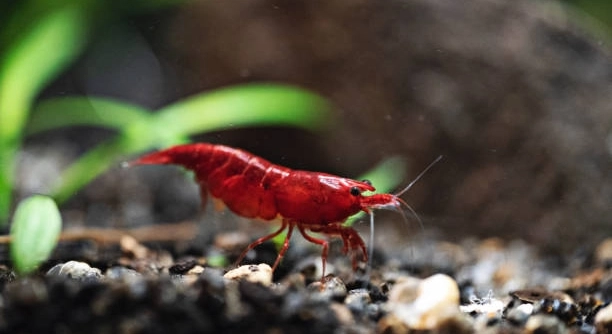
Cherry shrimp are gentle, small creatures often kept in peaceful aquariums. They react to their environment quietly, moving around plants and substrate while exploring their surroundings in a calm, steady manner.
Cherry shrimp can become stressed by loud noises, displaying rapid swimming, hiding, or freezing behaviors. Sudden vibrations may disturb their normal feeding and social interactions, potentially affecting overall health if exposure is frequent or intense.
Understanding how noise impacts these tiny shrimp helps create a safer, calmer aquarium environment where they can thrive naturally and remain healthy over time.
How Loud Noise Affects Cherry Shrimp Behavior
Cherry shrimp are sensitive to changes in their environment, and loud noises can have noticeable effects on them. When exposed to sudden sounds, they often react by darting quickly across the tank or hiding behind decorations and plants. These reactions are instinctive and help them feel safer, but repeated disturbances can increase stress over time. Stress in shrimp may cause reduced feeding, slower growth, and weakened immune responses. Even vibrations from nearby speakers, vacuum cleaners, or heavy footsteps can trigger these behaviors. Observing your shrimp closely allows you to notice subtle changes, like increased twitching or clustering in corners. Providing hiding spots such as moss, caves, or dense plants can help them cope with unexpected disturbances. Over time, creating a quieter environment around the tank can make your shrimp more comfortable and reduce stress-related behaviors. Maintaining stable water parameters alongside a calm atmosphere is essential for their overall health and well-being.
Loud noises make cherry shrimp swim erratically and hide more often, impacting feeding and social activity in the tank.
By paying attention to their responses, you can adjust the placement of your tank or reduce noise exposure. Simple changes, like moving speakers or cushioning vibrations, create a calmer environment. This not only improves shrimp comfort but also supports healthier behavior patterns. With patience and observation, your shrimp can adapt to occasional disturbances while staying active and thriving in their habitat.
Preventing Stress from Loud Environments
Minimizing noise near your aquarium is the first step to protecting your shrimp from stress.
Cherry shrimp are fragile, and their stress levels can rise quickly when exposed to frequent or sudden loud noises. Continuous disturbances may lead to reduced feeding, slower growth, and even lower reproduction rates. Placing your tank in a quieter area, away from household appliances or high-traffic zones, can significantly improve their comfort. Using soft substrates and adding decorations that absorb vibrations helps reduce the impact of incidental noise. Observing shrimp behavior daily is crucial; sudden hiding, twitching, or inactivity are clear signs of stress. Introducing gradual environmental changes rather than abrupt ones allows them to adapt more easily. Additionally, maintaining optimal water quality and providing plenty of hiding spots ensures they feel secure. A calm setting combined with consistent care helps cherry shrimp thrive naturally, encouraging normal activity, healthy feeding, and proper molting. Overall, creating a peaceful environment is essential for their long-term well-being and longevity in the aquarium.
Signs of Stress in Cherry Shrimp
Cherry shrimp show stress through changes in movement, hiding frequently, or staying still in one spot. Their feeding may slow down, and they may avoid interacting with other shrimp, signaling discomfort or unease. Watching them closely helps catch these signs early.
Stress in cherry shrimp often appears as erratic swimming or constant hiding behind plants and decorations. They may flick their antennae rapidly or cluster together in corners of the tank. Stress can reduce their appetite, affect molting, and make them more prone to illness. Even minor disturbances, such as vibrations from nearby furniture or loud music, can trigger these behaviors. Keeping an eye on these subtle cues allows for timely adjustments to the tank environment.
Observing stress signs also helps in understanding individual shrimp behavior. Some shrimp react more strongly to sudden noises, while others tolerate minor disturbances better. By noting which shrimp are affected, you can tailor hiding spots, plant density, and tank placement to meet their needs. A calm environment combined with proper care ensures healthier, more active shrimp.
Reducing Noise Impact in the Aquarium
Keeping the tank in a quiet area reduces stress and improves shrimp activity. Limiting sudden vibrations benefits their overall health.
Noise impact can be minimized by placing the aquarium away from loud appliances, speakers, and heavy foot traffic. Using soft mats or cushioning under the tank helps absorb vibrations. Dense plants and decorations offer additional hiding spaces, letting shrimp feel secure. Regular monitoring ensures that changes in behavior are noticed quickly, and adjustments can be made before stress affects health. Even routine household sounds may be less disturbing if these precautions are in place.
Consistent care and thoughtful tank placement create a stable environment for cherry shrimp. Reducing sudden sounds and vibrations supports feeding habits, molting, and social interactions. Observing shrimp regularly helps identify early signs of stress, allowing interventions before health declines. Ensuring plenty of hiding spots, steady water conditions, and minimal disturbances helps them feel safe and thrive naturally. Over time, these measures result in more active, healthy shrimp and a balanced, calm aquarium ecosystem.
Common Sources of Loud Noise
Household appliances like vacuum cleaners, washing machines, and speakers create vibrations that shrimp can detect. Even heavy footsteps or doors slamming nearby may disturb them, causing stress responses such as hiding or rapid swimming. Awareness of these sources helps in planning tank placement.
Pets moving around near the tank or children playing loudly can also create disturbances. Even minor, frequent noises may affect shrimp behavior over time. Reducing exposure to these everyday sounds can help maintain a calmer, healthier environment for them.
Creating a Calm Aquarium Environment
Adding plants, moss, and small caves provides safe spaces for shrimp to hide when startled. Positioning the tank away from windows or high-traffic areas reduces sudden vibrations and loud sounds. Soft mats under the tank further minimize disturbances. A stable, quiet setup encourages natural feeding, social behavior, and healthy growth in cherry shrimp. Regular observation ensures their comfort and helps identify any early signs of stress, allowing for timely adjustments. Over time, a calm aquarium supports shrimp well-being, improves molting, and reduces the risk of illness, creating a peaceful habitat where they thrive naturally.
Observing Shrimp Behavior
Watching shrimp daily helps notice subtle stress signals. Early observation prevents long-term health issues.
FAQ
How do cherry shrimp respond immediately to loud noise?
Cherry shrimp often react instantly to loud noises by swimming erratically or freezing in place. Some retreat quickly to the nearest hiding spot, like plants or decorations. These are natural instinctive behaviors meant to protect them from perceived threats. Even brief exposure can trigger these responses, though they usually calm down once the disturbance stops.
Can loud noise cause long-term health issues for cherry shrimp?
Frequent exposure to loud or sudden noises can increase stress levels, which may affect feeding, growth, and molting. Over time, stressed shrimp may become more susceptible to disease or exhibit weaker reproductive patterns. Minimizing noise helps maintain overall health and encourages normal activity in the aquarium.
Are all shrimp affected the same way by noise?
No, individual shrimp have varying sensitivity levels. Some are more prone to stress and hide quickly, while others tolerate minor vibrations or sounds better. Observing behavior helps identify which shrimp are more sensitive so you can adjust the environment to meet their needs.
What household items cause the most disturbance?
Common sources include washing machines, vacuum cleaners, loud music, or heavy foot traffic near the tank. Even subtle vibrations from nearby appliances or furniture can be noticed by shrimp. Being aware of these sources and moving the tank away from them reduces stress.
How can I create a quieter environment for my shrimp?
Position the tank in a low-traffic area away from windows, doors, and appliances. Use soft mats or cushioning under the tank to absorb vibrations. Adding dense plants, moss, and caves provides natural hiding spots, allowing shrimp to feel secure even if minor noises occur.
Do vibrations from speakers affect cherry shrimp?
Yes, even low-frequency vibrations can disturb shrimp. Speakers placed directly on a table near the tank can transmit vibrations through the water. Elevating the tank on a cushioned stand or moving speakers further away helps reduce these effects and keeps shrimp calmer.
How can I tell if my shrimp are stressed?
Signs include constant hiding, twitching, erratic swimming, or reduced feeding. Some shrimp cluster together in corners or remain unusually still. Early detection of these behaviors allows you to make environmental adjustments before stress negatively impacts health.
Is occasional noise harmful?
Short, infrequent loud noises may startle shrimp but usually do not cause long-term harm. Consistent or repeated loud disturbances are the main concern. Ensuring that your tank environment remains mostly calm helps shrimp recover quickly from occasional stress events.
Can stress from noise affect breeding?
Yes, stressed shrimp may reduce activity, eat less, and become less likely to reproduce. Healthy breeding requires a calm, stable environment. Providing hiding spaces and minimizing disturbances helps maintain natural breeding behavior.
What steps improve shrimp comfort during unavoidable noise?
Offer plenty of hiding spots with moss, plants, or caves. Ensure water conditions remain stable. Moving the tank slightly or using vibration-absorbing materials under it can help. Regular observation lets you see which shrimp are reacting, so you can respond promptly.
Do shrimp get used to repeated noise?
Some shrimp may gradually tolerate minor, non-threatening sounds, but they never fully ignore loud or sudden disturbances. Continuous high stress still impacts health, so reducing noise whenever possible is important.
How often should I monitor shrimp behavior?
Daily observation is ideal, especially when new noise sources are present. Watching behavior helps identify stress early and ensures shrimp remain active, healthy, and safe. Regular monitoring allows for small adjustments before problems escalate.
Does tank size affect noise sensitivity?
Smaller tanks transmit vibrations more directly, making shrimp in compact setups more sensitive to noise. Larger tanks can buffer vibrations slightly better, but hiding spots and a calm environment are still crucial for all tank sizes.
Can I use background noise like soft music without stressing shrimp?
Low-volume, consistent background noise may be tolerated, but sudden changes or loud bursts should be avoided. If you notice shrimp hiding or swimming frantically, even soft sounds may need adjustment. Monitoring their reactions is key to maintaining a comfortable environment.
What is the best way to protect shrimp during household activities?
Plan noisy chores like vacuuming or laundry during times when the tank is less active. Covering part of the tank with a light cloth or using decorations to break up vibrations can help. Minimizing direct exposure keeps shrimp calmer and reduces stress-related behavior.
Can stress be reversed once it occurs?
Yes, once the environment stabilizes, shrimp usually return to normal activity. Providing hiding spots, maintaining clean water, and keeping disturbances low allow shrimp to recover fully, regain normal feeding habits, and resume regular social interactions.
How long does it take for shrimp to calm down after a disturbance?
Most shrimp calm within a few minutes once the noise stops, but highly sensitive individuals may take longer. Consistent observation helps ensure they return to normal behavior and remain healthy.
Are baby shrimp more sensitive to noise?
Yes, juvenile shrimp are more vulnerable. They may hide more frequently and take longer to resume feeding. Providing extra cover and a stable, quiet environment is especially important for their growth and survival.
Does water movement affect how noise impacts shrimp?
Yes, stronger currents can amplify vibrations, while calm water reduces them. Ensuring gentle water flow helps minimize stress and allows shrimp to respond naturally without excessive agitation.
What long-term benefits come from reducing noise?
Quieter environments improve feeding, molting, breeding, and overall activity. Stress reduction supports healthier shrimp, better growth rates, and a more stable aquarium ecosystem. Observing shrimp behavior consistently ensures their long-term comfort and well-being.
Final Thoughts
Cherry shrimp are delicate creatures that respond noticeably to changes in their surroundings. Loud noises and vibrations, even ones that seem minor to humans, can startle them and cause stress. This stress often shows through hiding, erratic swimming, or reduced feeding. Over time, repeated disturbances can affect their health, molting cycles, and breeding behavior. Because they are so sensitive, creating a calm and stable environment is essential. Placement of the tank matters a lot. Tanks near heavy foot traffic, loud appliances, or speakers can make shrimp feel unsafe. Even small vibrations transmitted through furniture or floors can affect them more than we might realize. By being mindful of the sources of noise, it is possible to minimize these disturbances and allow shrimp to thrive naturally. Providing plenty of hiding spots, such as moss, plants, and caves, also helps them feel secure when occasional noise occurs.
Observing cherry shrimp behavior closely is the best way to understand how they react to their environment. Stress signals can be subtle, including slight twitching, clustering together, or staying still in one area for long periods. Early recognition of these behaviors allows for timely adjustments to the tank setup. For example, moving the tank to a quieter location, adding more cover, or cushioning vibrations can make a significant difference. Daily observation also helps track individual shrimp, as some are more sensitive than others. By paying attention to the shrimp, it becomes easier to maintain a balanced environment that supports normal feeding, social behavior, and molting. Over time, this care reduces stress-related health problems and encourages more active, lively shrimp. Maintaining water quality alongside a quiet environment ensures that shrimp remain healthy and continue to thrive in the long term.
Consistency and patience are key in keeping cherry shrimp comfortable. Sudden, loud disturbances should be minimized whenever possible, but occasional noises are natural and manageable if the tank is well-prepared. Using soft substrates, dense plants, and decorations that absorb vibrations can reduce the impact of unavoidable sounds. The goal is to create a calm habitat where shrimp feel safe and can display normal behaviors. Stress can be reversed if proper care is maintained, so a focus on stability, observation, and gentle adjustments ensures their well-being. When noise is managed thoughtfully and the environment is kept stable, cherry shrimp can live healthily, feed regularly, breed successfully, and interact naturally with other shrimp. In the end, attention to both their environment and behavior is the most effective way to keep these small, sensitive creatures thriving.

Hello,
If you enjoy the content that we create, please consider saying a "Thank You!" by leaving a tip.
Every little bit helps us continue crafting quality advice that supports the health, happiness, and well-being of pets around the world, for pets of all shapes, sizes, and species.
We really appreciate the kindness and support that you show us!