
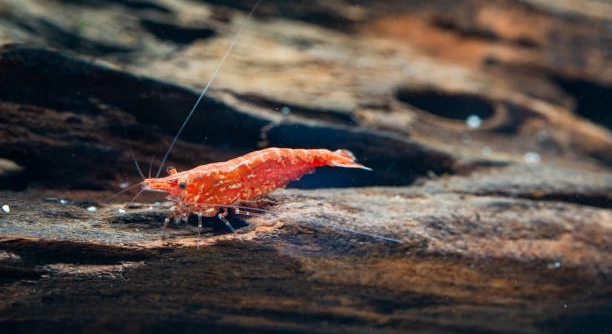
Do your cherry shrimp often seem busy in their tanks, but you notice them pausing to observe each other? Watching these tiny creatures can make anyone appreciate the subtle ways they interact and respond to their environment.
Cherry shrimp do not have the cognitive ability to recognize shrimp from other tanks as distinct individuals. Their interactions are driven primarily by environmental cues, chemical signals, and territorial behaviors rather than visual identification of unfamiliar shrimp.
Learning how cherry shrimp respond to their surroundings can improve tank management and help create a more harmonious aquatic environment for your pets.
How Cherry Shrimp Sense Their Environment
Cherry shrimp rely heavily on their senses to navigate their surroundings. They use tiny antennae to detect chemical signals in the water, helping them find food and avoid danger. These signals are also essential for mating and establishing territories. Unlike larger animals, their visual perception is limited, so smell and touch guide much of their behavior. Even slight changes in water chemistry or temperature can influence how they interact with each other, often more than the presence of shrimp from other tanks. Observing them over time reveals patterns in movement, feeding, and clustering that are consistent with environmental cues rather than recognition of outsiders. Tank size, decorations, and hiding spots all affect these behaviors. Maintaining stable conditions reduces stress and supports natural social interactions.
Understanding these behaviors allows you to create a suitable habitat. Proper tank setup ensures that shrimp feel secure, leading to healthier, more active shrimp.
By paying attention to subtle signals, you can improve water quality, monitor health, and encourage natural activity. Changes in behavior are often responses to conditions rather than to other shrimp outside the tank.
Interactions Between Shrimp
Interactions are mostly driven by food availability and space. Cherry shrimp will gather around feeding areas and compete quietly for resources.
Social behavior in cherry shrimp is minimal when it comes to recognizing shrimp from other tanks. They primarily respond to immediate surroundings and chemical cues, not to past encounters or memories of individual shrimp. When placed in a new tank with unfamiliar shrimp, they may explore cautiously but will not display behaviors indicating recognition. Aggression, if it occurs, is usually about territory or food rather than identification. Understanding this helps in managing multiple tanks and preventing unnecessary stress. Ensuring ample hiding spaces and evenly distributed food reduces competition and promotes calm interactions. Regular monitoring allows you to adjust conditions to maintain balance and overall shrimp health. This knowledge is useful for anyone keeping multiple tanks or breeding cherry shrimp, as it highlights the importance of tank setup over concern about unfamiliar shrimp.
Feeding Behavior and Social Dynamics
Cherry shrimp are drawn to areas with food and will cluster quickly when food is present. They do not show preference for shrimp from other tanks and respond mainly to available resources.
Feeding behavior is largely influenced by environmental cues rather than recognition of individual shrimp. They rely on chemical signals in the water to locate food and determine the presence of other shrimp nearby. When multiple shrimp converge, their interactions are usually peaceful, though minor jostling can occur. Over time, shrimp establish personal feeding spaces without targeting specific individuals. Observing these patterns helps maintain balanced feeding routines and reduces competition. Providing evenly distributed food ensures that all shrimp can access nutrients without stress, which supports growth, molting, and reproduction. Tank size, decorations, and hiding spaces further influence how feeding clusters form, helping you predict where shrimp will gather.
Maintaining consistent feeding schedules and offering high-quality food promotes healthy activity and natural social interactions. Balanced feeding prevents stress and encourages shrimp to explore their tank more freely, improving overall vitality and tank harmony.
Tank Transfers and New Introductions
Shrimp react cautiously when introduced to a new tank, focusing on environmental assessment rather than the identity of other shrimp.
When moving cherry shrimp between tanks, they primarily respond to chemical differences, water temperature, and available hiding spots. They explore slowly, often pausing to sense changes in their surroundings. They do not recognize shrimp from previous tanks, so any hesitation is due to unfamiliar conditions. Group introductions benefit from gradual acclimation, ensuring that water parameters match closely. Sudden changes can cause stress, molting issues, or temporary hiding. Observing shrimp for the first hours helps identify signs of adjustment or distress. By carefully managing new introductions, you can reduce stress, prevent mortality, and encourage natural behaviors. Proper acclimation creates a calmer tank environment, making shrimp more active and sociable.
Introducing multiple shrimp at once requires attention to water chemistry, space, and hiding areas. Adequate preparation and monitoring support smoother adjustment, minimizing conflicts and promoting healthy growth and reproduction in a new tank.
Recognizing Tank Mates
Cherry shrimp interact with others mainly through chemical and tactile signals. They respond to movement and water chemistry rather than identifying individual shrimp from different tanks.
Social behaviors are shaped by immediate surroundings. Shrimp focus on territory, food, and shelter rather than the origin of other shrimp.
Stress Responses in Cherry Shrimp
Stress in cherry shrimp often arises from sudden changes in water parameters, overcrowding, or lack of hiding spaces. Shrimp may hide more frequently, reduce activity, or delay molting. Observing these signs helps manage tank conditions. Gradual acclimation and stable environments reduce stress and support overall health.
Chemical Communication
Cherry shrimp use chemical cues to detect food, predators, and mating signals. These cues drive behavior and interaction, not recognition of unfamiliar shrimp. Chemical communication ensures shrimp respond appropriately to their environment.
Observing Shrimp Behavior
Careful observation of shrimp activity provides insight into tank health and social dynamics. Noting feeding patterns, movement, and hiding helps maintain balanced conditions for all shrimp.
FAQ
Do cherry shrimp recognize shrimp from other tanks?
Cherry shrimp do not have the ability to identify shrimp from other tanks. Their behaviors are influenced by water chemistry, movement, and immediate surroundings. They respond to environmental cues rather than memory or visual recognition of specific individuals. Interactions with new shrimp focus on territory and resource access.
How do cherry shrimp communicate with each other?
Communication relies on chemical signals and tactile cues. Shrimp release pheromones for mating and detect chemical traces left in the water. Antennae and body contact allow them to sense the presence of nearby shrimp, helping avoid conflicts and maintain a peaceful tank environment.
Why do shrimp hide when new shrimp are added?
Hiding is a stress response to unfamiliar conditions, not to the other shrimp themselves. Changes in water parameters, crowding, or lack of hiding spaces trigger caution. Providing stable conditions, gradual acclimation, and ample shelters helps shrimp adjust and resume normal activity quickly.
Can cherry shrimp recognize family members or offspring?
Recognition of kin is not documented in cherry shrimp. Their interactions are based on immediate needs such as feeding, safety, and mating rather than distinguishing relatives. Observed groupings in tanks are often about comfort and access to resources rather than familial identification.
How do environmental changes affect shrimp behavior?
Sudden changes in water temperature, pH, or chemical composition can alter activity levels. Shrimp may hide, reduce feeding, or become less active. Stable water conditions encourage natural behavior, including exploration, feeding, and social clustering, without unnecessary stress responses.
Do shrimp show aggression toward new tank mates?
Aggression is minimal and usually linked to food or space rather than recognition. Minor jostling may occur, but with adequate hiding spaces and even food distribution, conflicts are rare. Observing feeding times and interactions helps manage stress and maintain harmony.
How can I help shrimp adjust to a new tank?
Gradual acclimation is essential. Introduce shrimp slowly, matching water parameters closely to avoid shock. Provide hiding spots and distribute food evenly. Monitoring behavior during the first hours and days ensures they adapt well and maintain normal activity and feeding patterns.
Why do some shrimp cluster together while others hide?
Clustering usually occurs around food or safe spaces. Hiding is a response to stress or unfamiliar areas. Tank setup, decorations, and lighting influence these behaviors. Ensuring balance in space and resources allows shrimp to naturally form clusters without tension or competition.
Do shrimp recognize owners or humans?
Cherry shrimp do not recognize individual humans. They may observe movement near the tank but respond to presence and food cues rather than identification. Over time, shrimp may associate regular feeding with humans, appearing active during feeding times without actual recognition.
How long does it take for shrimp to adapt to a new tank?
Adaptation varies but usually occurs over several hours to a few days. Gradual acclimation, stable water conditions, and adequate hiding spaces speed up adjustment. Observing feeding, movement, and exploration provides clear signs of successful adaptation.
Can multiple tanks affect shrimp behavior if they are separate?
No, shrimp in separate tanks do not influence each other directly. Behavior is shaped by their immediate environment, water parameters, and available resources. Observing shrimp in one tank does not predict interactions in another. Each tank’s setup dictates activity and social dynamics.
What are signs of healthy shrimp behavior?
Active swimming, consistent feeding, regular molting, and minimal hiding indicate health. Shrimp explore their tank and interact with others without aggression. Observing these behaviors helps ensure water quality, food distribution, and tank setup are adequate for long-term well-being.
Can stress affect shrimp reproduction?
Yes, stress can delay or reduce reproduction. Poor water quality, overcrowding, or sudden environmental changes impact molting and mating behavior. Stable conditions, gentle handling, and proper nutrition support healthy reproductive cycles and maintain population growth.
How do I prevent stress when introducing new shrimp?
Introduce new shrimp gradually, ensure matching water parameters, and provide hiding spots. Avoid overcrowding and monitor interactions. Stable environments, calm handling, and even food distribution help new shrimp adapt smoothly without undue stress.
Are shrimp territorial?
Territorial behavior is limited and mostly relates to food and shelter. Shrimp rarely fight over space, but individual personalities may lead to brief skirmishes. Providing multiple hiding spaces and evenly distributed food minimizes territorial tensions and encourages peaceful coexistence.
How important is water chemistry for shrimp interactions?
Water chemistry is critical. Parameters like pH, hardness, ammonia, and nitrate levels directly influence activity, feeding, and social behavior. Stable, clean water supports natural interactions, reduces hiding, and prevents stress-related behaviors that could disrupt tank harmony.
Do shrimp remember previous tank mates?
No, cherry shrimp do not have the cognitive capacity to remember individual shrimp from prior tanks. Their behavior reflects current environmental conditions, food availability, and immediate social cues rather than past interactions or memory of specific shrimp.
Can I mix different shrimp species in one tank?
Yes, but compatibility depends on size, behavior, and environmental needs. Mixing species requires careful monitoring of water parameters, hiding spaces, and food to prevent stress or predation. Proper planning ensures peaceful coexistence without impacting social dynamics or health.
What is the best way to observe shrimp behavior?
Observe quietly without disturbing the tank. Note feeding patterns, movement, hiding, and interactions. Consistent observation helps detect stress, disease, or environmental issues early and allows adjustments to tank conditions for healthier shrimp.
How do decorations and plants influence shrimp behavior?
Plants and decorations provide hiding spots, resting areas, and exploration opportunities. Adequate cover reduces stress, encourages natural movement, and prevents competition. Well-planned tank design supports healthier, more active shrimp that interact calmly within their environment.
Final Thoughts
Cherry shrimp are fascinating little creatures whose behavior is mostly guided by their immediate environment rather than recognition of shrimp from other tanks. Their interactions are shaped by water chemistry, food availability, and the space around them. Observing them closely can show patterns in how they move, feed, and cluster, and these behaviors are consistent across tanks regardless of unfamiliar shrimp. Unlike larger or more intelligent animals, cherry shrimp rely heavily on chemical and tactile cues rather than visual or cognitive recognition. This means that while it may seem like they notice new shrimp, what they are actually responding to are changes in their surroundings or shifts in available resources. By understanding this, anyone keeping cherry shrimp can focus on creating a stable and supportive environment rather than worrying about whether shrimp from different tanks recognize each other.
Maintaining stable water conditions is one of the most important factors in supporting healthy shrimp behavior. Sudden changes in temperature, pH, or chemical composition can cause stress, hiding, or reduced activity. Providing ample hiding spaces, evenly distributed food, and a consistent routine allows shrimp to explore their tank safely and engage in natural behaviors. Even small adjustments in tank setup, like adding plants or decorations, can make a noticeable difference in how active and calm the shrimp appear. Careful observation of shrimp during feeding and exploration can give insight into their comfort levels and highlight areas of improvement in the tank. Over time, this attention to environmental stability ensures that the shrimp thrive, reproduce successfully, and maintain normal social interactions without unnecessary stress.
While cherry shrimp may never recognize shrimp from other tanks, their simple and predictable behaviors make them easy to care for with proper attention to their habitat. Creating a balanced tank with stable water chemistry, proper nutrition, and adequate space allows shrimp to behave naturally and remain healthy. By focusing on their environmental needs rather than expecting recognition of outsiders, you can provide a stress-free and enriching home for your shrimp. Observing these small creatures can be rewarding, as they display subtle but fascinating patterns in movement, feeding, and interaction. Understanding the underlying reasons for their behavior gives confidence in managing multiple tanks and ensuring long-term well-being, making the care of cherry shrimp both simple and satisfying.

Hello,
If you enjoy the content that we create, please consider saying a "Thank You!" by leaving a tip.
Every little bit helps us continue crafting quality advice that supports the health, happiness, and well-being of pets around the world, for pets of all shapes, sizes, and species.
We really appreciate the kindness and support that you show us!