
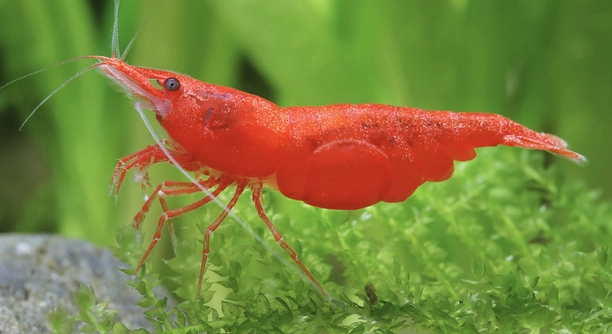
Cherry shrimp are small, colorful freshwater creatures that bring life to aquariums. Many aquarium owners enjoy watching their delicate movements among plants and decorations in their tanks each day.
Cherry shrimp often jump from plants due to stress, poor water conditions, or the need to explore. This behavior is a natural response to environmental changes and potential threats, helping them find safer or more suitable areas in the tank.
Learning about these behaviors helps ensure a healthier, safer environment for your shrimp and improves your overall aquarium care routine.
Common Reasons Cherry Shrimp Jump from Plants
Cherry shrimp often leave plants when their environment changes. They may react to sudden water temperature fluctuations, strong currents, or chemical imbalances in the tank. Even minor changes, like shifting decorations or adding new plants, can stress them. Stressful conditions prompt shrimp to explore safer areas, sometimes leading to accidental jumps. Crowded tanks can also trigger this behavior. Shrimp feel more secure when they have enough space to move freely. Poor water quality, such as high ammonia or nitrite levels, can make shrimp restless. Feeding routines can influence activity too. Overfeeding or underfeeding may make shrimp more active and prone to moving between plants. Observing your shrimp daily helps identify patterns. By understanding these signals, it is possible to create a stable, calm environment. Ensuring proper filtration, regular water changes, and a consistent feeding schedule reduces the chances of shrimp jumping. Small adjustments to tank conditions have a big impact on their behavior.
Stress, poor water quality, or overcrowding are the main triggers for jumping behavior in cherry shrimp.
Shrimp movement can be minimized by maintaining stable water parameters. Consistent monitoring and small adjustments improve their comfort and reduce jumps.
Preventing Jumping and Ensuring Safety
Adding a lid or cover helps prevent shrimp from escaping the tank.
Creating a safe habitat requires more than just covering the tank. Plants should be densely placed to give shrimp hiding spots. Smooth surfaces prevent injury if a shrimp does jump. Monitor water parameters closely—temperature, pH, and ammonia levels need consistency. Gentle filtration avoids strong currents that push shrimp off plants. Feeding should be balanced; leftover food can decay and affect water quality. Regular observation is key. Note behaviors and patterns that may indicate stress. Removing aggressive tank mates also helps maintain a calm environment. Providing soft moss, small caves, or other structures encourages shrimp to stay on plants. Even minor adjustments like moving a decoration slowly or adding new plants gradually can make a difference. By focusing on stable conditions and suitable shelter, jumping incidents can be greatly reduced, keeping your cherry shrimp safe and comfortable while promoting natural behavior.
Water Quality and Its Impact
Clean water is essential for cherry shrimp. Poor water conditions make them stressed and more likely to jump from plants.
Maintaining proper water parameters directly affects shrimp behavior. Ammonia, nitrite, and nitrate levels must be monitored closely. High ammonia or nitrite is toxic, causing shrimp to leave their usual spots in search of safer areas. Temperature fluctuations can also make shrimp restless. Even pH swings or hard water can disturb their comfort. Regular water changes, careful testing, and avoiding sudden chemical treatments keep shrimp calm. Using dechlorinated water and maintaining consistent temperature supports their natural behavior. Observing changes in movement can indicate water issues before they become harmful.
Filtration and aeration play a significant role in water stability. Overly strong currents can push shrimp off plants, while stagnant water encourages harmful bacterial growth. Gentle filtration ensures water movement without stressing them. Adding live plants helps maintain water quality naturally. Shrimp feel safer when hiding places and plant coverage are abundant. This combination of clean water, gentle flow, and adequate shelter reduces jumping incidents. Monitoring the tank daily ensures immediate action if any water problem arises.
Tank Setup and Shrimp Comfort
Dense plants and hiding spots make shrimp feel secure and less likely to jump.
The layout of a tank impacts shrimp behavior significantly. Sparse setups leave shrimp exposed, increasing stress and prompting jumps. Including moss, small caves, and floating plants provides refuge, mimicking their natural habitat. Hard or rough decorations can injure shrimp when they jump, so smooth surfaces are preferable. Tank mates also influence comfort; aggressive or fast-moving fish cause stress. Gradual introduction of new elements helps shrimp adjust. Balanced lighting and avoiding sudden disturbances contribute to a stable environment. Maintaining consistent feeding schedules keeps shrimp occupied and reduces restless wandering. Paying attention to these details improves shrimp health, behavior, and reduces the risk of jumping from plants.
Stress and Behavioral Triggers
Shrimp react quickly to stress in their environment. Sudden changes or disturbances can make them leave plants.
Frequent handling, adding new tank mates, or abrupt lighting changes can startle shrimp. They may jump to explore safer areas or escape perceived threats, showing their sensitivity to small environmental shifts.
Feeding and Activity Levels
Active shrimp often move more when searching for food. Uneven feeding schedules or excessive food can increase their movement and make them more prone to jumping. Consistent feeding routines and carefully measured portions help keep shrimp calmer and reduce unnecessary activity.
Monitoring and Observation
Regular observation helps identify patterns in jumping behavior. Tracking their activity and noting triggers allows adjustments to reduce stress and improve tank conditions.
FAQ
Why do cherry shrimp jump from plants so often?
Cherry shrimp jump primarily due to stress, water quality issues, or environmental changes. Sudden shifts in temperature, pH, or ammonia levels can make them feel unsafe. Crowded tanks or aggressive tank mates also contribute to this behavior. Providing hiding spaces and stable water conditions reduces the frequency of jumping.
Can poor water quality really make shrimp leave their plants?
Yes. Shrimp are very sensitive to water conditions. High ammonia, nitrites, or nitrates can irritate them and make them restless. Even minor pH fluctuations or temperature swings cause discomfort, prompting them to search for better conditions or safer areas in the tank. Regular testing and consistent water changes are essential.
Does the tank setup influence jumping behavior?
Absolutely. Sparse tanks without enough plants or hiding spots make shrimp feel exposed. They are more likely to jump when they lack secure areas. Smooth surfaces prevent injuries, while dense plants, moss, and small caves provide comfort and reduce stress. The layout directly affects their behavior.
Do shrimp jump more during feeding times?
Yes, sometimes. Active shrimp tend to explore more when searching for food. Overfeeding or inconsistent feeding schedules can increase movement and restlessness. Balanced portions and a routine feeding schedule help keep them calmer and reduce unnecessary jumping.
Can tank mates cause cherry shrimp to jump?
Yes, aggressive or fast-moving fish can stress shrimp. Even well-meaning tank mates can startle them, prompting jumps to escape perceived threats. Choosing peaceful species and providing plenty of hiding spaces helps shrimp feel secure and reduces these incidents.
Does lighting affect shrimp behavior?
Lighting changes can influence activity. Sudden bright lights or frequent on-and-off cycles may startle shrimp, causing them to move abruptly or jump. Maintaining a consistent lighting schedule and gradual transitions helps them adjust comfortably. Floating plants can also diffuse light and provide shelter.
How can I prevent my shrimp from jumping out of the tank?
Covering the tank with a lid or mesh is the most straightforward solution. Dense plant placement, moss, and smooth decorations reduce stress-related jumps. Regular water testing, gentle filtration, and stable feeding routines also help create a secure environment. Observing shrimp daily allows timely adjustments.
Do stress and water quality interact to increase jumping?
Yes, they are often linked. Poor water quality causes physiological stress, and stressed shrimp are more likely to jump. By keeping water clean, stable, and well-oxygenated, and by minimizing disturbances, you reduce the likelihood of jumping significantly.
Is jumping dangerous for cherry shrimp?
It can be. Shrimp can get injured if they land on hard surfaces outside the water or collide with sharp objects. Even small jumps increase the risk of death or stress-related illness. Smooth tank surfaces, soft decorations, and a covered tank help prevent accidents.
How do I know if my shrimp are stressed?
Signs of stress include unusual movement patterns, frequent jumps, hiding more than usual, or color fading. Monitoring behavior daily helps identify stress triggers. Early intervention with water adjustments, tank setup changes, or reducing disturbances improves their well-being.
Can adding new plants or decorations trigger jumping?
Yes, sudden changes in the environment can startle shrimp. Introducing new plants gradually, and arranging decorations carefully, allows them time to adapt. This reduces stress and prevents unnecessary jumps while keeping the tank comfortable and stable.
Does temperature fluctuation cause jumping?
Even minor temperature swings can affect shrimp activity. Rapid heating or cooling stresses them, prompting movement or jumps. Maintaining a consistent temperature within the ideal range for cherry shrimp is crucial for their comfort and behavior.
Are there long-term effects of frequent jumping?
Frequent jumping can lead to stress, injury, or even death over time. It may also indicate ongoing water quality or environmental problems. Addressing the root causes, such as unstable water parameters, insufficient hiding spaces, or aggressive tank mates, ensures shrimp health and longevity.
Can feeding type affect shrimp jumping?
Yes. Some foods may encourage more active foraging behavior. High-protein or floating foods can make shrimp move more, while balanced, sinking pellets keep them calmer. Regular, measured feeding supports stable behavior and reduces the need for shrimp to explore excessively.
Do all cherry shrimp jump, or is it just some individuals?
Not all shrimp jump frequently. Individual temperament, health, and stress levels influence behavior. Some shrimp are naturally more exploratory, while others remain on plants unless stressed. Observing your specific shrimp helps determine normal behavior for your tank.
Does tank size matter for jumping behavior?
Yes. Smaller tanks with limited space can increase stress and restlessness, prompting jumps. Larger tanks with ample plants and hiding spots allow shrimp to move safely without feeling exposed. Proper tank size is essential for comfort and reducing jumping incidents.
Can I use water additives to reduce jumping?
Certain water conditioners stabilize parameters, but they do not eliminate stress entirely. Maintaining clean, stable water and a calm environment is more effective. Additives should be used carefully and tested for compatibility with cherry shrimp.
How long does it take for shrimp to adjust to a new tank setup?
Adjustment periods vary. Some shrimp adapt within hours, while others may take days or even weeks. Providing hiding spots, gradual changes, and consistent water quality helps shrimp feel secure faster and reduces jumping behavior.
Is jumping more common in young or adult shrimp?
Younger shrimp tend to be more active and exploratory, increasing the likelihood of jumping. Adults may jump less often unless stressed. Observing behavior by age group helps tailor tank setup and feeding routines to reduce risk.
Can overpopulation trigger jumping?
Yes. Overcrowded tanks create stress, competition for food, and limited hiding spots. Shrimp may jump to escape crowded areas. Maintaining proper population density ensures comfort, reduces aggression, and lowers jumping incidents.
Do shrimp jump at night or during the day?
Jumping can occur at any time but is often influenced by disturbances, feeding, or light changes. Nighttime jumps are usually related to tank disturbances or reflections from glass. A calm, stable environment helps prevent sudden movements at all hours.
How can I track triggers for jumping behavior?
Keep a simple observation log noting water parameters, feeding times, lighting, and tank changes. Recording shrimp activity helps identify patterns, allowing adjustments to reduce stress and prevent future jumping. This proactive approach supports long-term health.
Can adding moss or floating plants reduce jumping?
Yes. Moss and floating plants provide cover, diffuse light, and create hiding areas. Shrimp feel more secure with these additions, reducing stress-induced jumps. They also contribute to water quality, supporting a stable environment and calmer behavior.
Does shrimp age influence jumping behavior?
Older shrimp tend to be calmer and jump less, while younger, more active shrimp explore frequently. Monitoring the age and activity levels of your shrimp helps predict and manage jumping tendencies in the tank.
Are jumps always dangerous?
Not every jump leads to injury, but repeated or high jumps increase risk. Even small jumps can cause stress. A secure tank setup, calm environment, and careful observation minimize dangers and maintain shrimp health.
Is jumping behavior preventable?
Completely preventing jumping is difficult, but reducing triggers like poor water quality, overcrowding, sudden changes, and stress greatly minimizes it. A well-maintained tank with hiding spaces, consistent care, and gentle handling creates a safe environment where jumping is rare.
Do stress-reducing measures affect overall shrimp health?
Yes. Reducing stress improves immune function, color vibrancy, and longevity. Calm, well-maintained environments encourage natural behavior, feeding, and molting cycles, promoting healthy, active shrimp and fewer jumping incidents.
Can shrimp recognize danger and jump intentionally?
Yes. Jumping is a survival response. Shrimp may sense threats from predators, rough tank mates, or sudden disturbances, prompting them to move quickly to safer locations or escape perceived danger.
How often should I check for jumping behavior?
Daily observation is best. Regular checks allow early detection of stress, water quality issues, or environmental changes. Noticing patterns early helps prevent injury and ensures shrimp remain healthy and comfortable.
Do seasonal changes affect shrimp jumping?
Seasonal temperature shifts or changes in room conditions can influence water stability. Even slight fluctuations can stress shrimp. Maintaining a stable indoor environment minimizes seasonal impacts on behavior and reduces jumping incidents.
Is it normal for shrimp to jump occasionally?
Yes. Occasional jumps are normal, especially during feeding or minor disturbances. Frequent jumping, however, signals underlying stress, water issues, or environmental problems that need attention. Monitoring behavior helps distinguish normal activity from a concern.
Can sudden tank maintenance cause jumping?
Yes. Cleaning, water changes, or rearranging decorations can startle shrimp. Performing maintenance gently, gradually, and with care reduces stress and prevents unnecessary jumps. Observing shrimp afterward helps ensure they have adjusted to the changes.
How do I know if my tank is properly set up to prevent jumping?
A well-planted tank with hiding spots, smooth surfaces, stable water, calm tank mates, and consistent feeding reduces jumping. Observing shrimp behavior and adjusting conditions when stress is noted ensures a comfortable and safe habitat.
Does jumping behavior indicate illness?
Sometimes. Illness can make shrimp restless or weak, increasing accidental jumps. Combined with other signs like lethargy, color changes, or molting issues, jumping may indicate a health problem that needs attention. Regular monitoring and care are essential.
Can molting influence jumping behavior?
Yes. Shrimp are vulnerable during molting and may jump to avoid perceived threats. Providing soft surfaces, safe hiding spots, and stable water conditions helps them molt safely and reduces stress-induced jumps.
Are there long-term strategies to reduce jumping?
Consistent water maintenance, proper tank setup, calm tank mates, dense plant coverage, and steady feeding routines create a stable environment. Observing shrimp and gradually adjusting the habitat ensures long-term reduction of stress and jumping behavior.
Do certain shrimp colors or strains jump more?
Behavior varies more by temperament than color or strain. Some individuals are naturally more active or cautious, which influences jumping tendencies. Observation and proper tank management are more important than focusing on strain differences.
How do I safely handle shrimp to prevent stress-related jumps?
Use gentle movements and soft nets. Minimize handling whenever possible. Sudden movements or rough handling increase stress and can trigger jumping, so careful, calm interaction is key for their safety.
Can water hardness influence jumping?
Yes. Extreme soft or hard water can stress shrimp. Maintaining a moderate, stable hardness level suitable for cherry shrimp supports comfort, reduces restlessness, and minimizes the likelihood of jumping.
Is it normal for shrimp to jump during tank cycling?
Yes. New or cycling tanks often have fluctuating parameters. Shrimp may respond to instability by moving or jumping. Monitoring water quality closely and stabilizing the environment reduces stress and protects their health.
Can changing food types suddenly trigger jumping?
Yes. Abrupt changes in diet may encourage more active foraging. Gradual introduction of new foods ensures shrimp adapt without excessive movement or stress-related jumping. Balanced nutrition is essential for calmer behavior.
Do shrimp communicate stress to each other?
Indirectly. Stress in one shrimp can trigger movement in others, creating collective restlessness. Observing groups helps identify environmental issues affecting the entire tank and allows corrective action.
Are jumps more frequent in certain seasons?
Frequency can increase with seasonal temperature fluctuations or light changes affecting tank stability. Maintaining controlled indoor conditions keeps shrimp behavior consistent year-round.
Can water flow adjustments reduce jumping?
Yes. Strong currents can push shrimp off plants. Gentle filtration and flow adjustments reduce stress, allowing shrimp to remain on plants safely while maintaining oxygenation and water movement.
How do I make my shrimp feel secure during water changes?
Perform slow, partial water changes, avoid sudden temperature shifts, and provide hiding spaces. Minimizing disturbance keeps shrimp comfortable and prevents stress-induced jumping.
Do shrimp return to the same plant after jumping?
Sometimes. Once the perceived threat is gone or the environment stabilizes, shrimp often return to familiar areas. Providing safe plants and stable conditions encourages them to stay or return naturally.
Are there signs of permanent stress from repeated jumping?
Repeated stress can lead to color fading, weakened immune response, or higher mortality. Addressing underlying causes promptly ensures shrimp remain healthy and minimizes long-term negative effects.
Can I use behavioral enrichment to reduce jumping?
Yes. Hiding spots, moss, caves, and gentle currents simulate natural conditions. Enrichment reduces stress, promotes natural behavior, and discourages unnecessary jumping.
How long after stress do shrimp usually settle down?
With proper care, shrimp may calm within hours or a few days, depending on severity. Stable water, hiding spots, and minimal disturbance help them recover and resume normal behavior.
Is frequent jumping an indicator of poor overall tank health?
Often. Regular jumping signals stress, water instability, or environmental problems. Monitoring water quality, tank setup, and shrimp behavior provides insight into overall tank health and necessary adjustments.
Can I prevent jumping entirely?
Complete prevention is unlikely, but minimizing stress, maintaining water quality, providing hiding spots, and avoiding sudden changes drastically reduces jumping incidents and keeps shrimp safe.
Does jumping affect shrimp growth or molting?
Indirectly. Stress from jumping can affect feeding, molting, and growth. Reducing stress through stable conditions supports healthy development and regular molting cycles.
Are some tanks naturally safer for shrimp?
Yes. Tanks with dense plants, smooth surfaces, gentle water flow, and calm tank mates provide a safer environment. Proper setup reduces jumping risk and supports shrimp well-being.
Does the frequency of jumping vary by individual shrimp?
Yes. Some are naturally more active or cautious. Observing each shrimp helps determine normal behavior and tailor tank conditions to reduce jumping for the entire group.
Can sudden temperature drops trigger jumping?
Yes. Rapid cooling or heating stresses shrimp, prompting movement or jumps. Maintaining a consistent temperature range prevents sudden reactions and keeps shrimp calm.
Is monitoring water parameters more important than tank decorations?
Both matter. Stable water prevents stress, while decorations provide hiding spots and comfort. A combination of clean water and secure environment is key to reducing jumping.
Do cherry shrimp recover quickly after a jump?
Generally, yes, if they land safely. Stress levels decrease once conditions stabilize. Repeated jumps can increase risk, so creating a secure environment prevents harm and promotes recovery.
Does substrate type influence jumping?
Yes. Smooth or soft substrates reduce injury risk, while rough or sharp surfaces increase harm during jumps. Substrate choice contributes to a safe environment.
Can algae levels affect jumping behavior?
Excessive algae may indicate poor water quality, which can stress shrimp. Controlled algae growth supports natural foraging without triggering unnecessary jumps.
Do floating plants help calm shrimp?
Yes. They provide shade, reduce light intensity, and create hiding spots. This helps shrimp feel secure and reduces stress-related jumping.
Are there behavioral signs before a jump?
Yes. Restlessness, rapid movement, or climbing plant stems can indicate an impending jump. Observing these signals allows timely intervention to prevent accidents.
Does jumping happen more in new tanks?
Yes. New tanks often have unstable water parameters and unfamiliar environments. Shrimp may jump more frequently until the tank stabilizes and they adapt to the surroundings.
Can excessive light trigger jumping?
Bright, sudden, or fluctuating light can stress shrimp. Consistent lighting schedules and shaded areas reduce stress and the likelihood of jumps.
Do shrimp jump more when molting frequently?
Stress during molting can increase activity and jumping. Providing soft surfaces and hiding spaces helps them molt safely without unnecessary movement.
Can jumps indicate oxygen levels in the tank?
Yes. Low oxygen levels cause restlessness and movement. Ensuring proper aeration and plant coverage helps maintain adequate oxygen and reduces stress-related jumping.
Does water hardness affect molting and jumping?
Yes. Appropriate hardness supports proper molting. Too soft or too hard water stresses shrimp, increasing movement and potential jumps. Maintaining stable hardness prevents issues.
Are jumps more likely after adding new shrimp?
Yes. New introductions can stress the group. Gradual acclimation and providing hiding spots help shrimp adjust and minimize jumping.
Can sudden vibrations trigger jumping?
Yes. Tap on the glass, loud noises, or nearby movement can startle shrimp, causing jumps. Minimizing disturbances helps maintain calm behavior.
Do jumps affect shrimp breeding?
Stress from frequent jumping may reduce mating activity. Stable water, hiding spaces, and calm conditions support breeding success.
How does water flow influence molting and jumping?
Gentle water flow provides oxygen without stress. Strong currents may push shrimp off plants, while stagnant water can cause poor molting and restlessness. Balanced flow is important.
Are shrimp more likely to jump after water changes?
Yes, especially if changes are sudden. Gradual water replacement, temperature matching, and minimal disturbance reduce stress and prevent unnecessary jumping.
Can tank covers completely prevent jumping?
Covers reduce escape but don’t eliminate stress-induced movement. Combining covers with stable water, hiding spots, and gentle conditions ensures shrimp safety and minimizes jumps.
Do shrimp communicate discomfort through movement?
Yes. Restless or collective movement may indicate environmental stress. Observing patterns helps identify problems and adjust the tank for calmer behavior.
Is it normal for some shrimp to never jump?
Yes. Individual temperament varies. Some shrimp remain on plants unless stressed, while others are more active or cautious. Both behaviors are normal if the shrimp remain healthy.
Does substrate color influence jumping?
Indirectly. Dark or natural substrates can make shrimp feel safer. Bright or reflective substrates may increase stress and movement, slightly raising jumping chances.
Can regular observation reduce jumping?
Yes. Tracking behavior helps detect stress, water issues, or disturbances early. Timely interventions prevent accidents and promote a stable environment.
Are all jumps caused by negative factors?
Not always. Some jumps are natural exploratory behavior. However, frequent jumps often indicate stress, water issues, or environmental discomfort that need attention.
Does jumping behavior change over time?
Yes. Shrimp may adapt to their environment, reducing jumps as they feel secure. Monitoring and stable conditions support this adjustment.
Can adding decorations gradually reduce jumping?
Yes. Slowly introducing new elements allows shrimp to acclimate, reducing stress and minimizing jumping behavior.
Does group size affect jumping frequency?
Yes. Overcrowding increases stress, while smaller, well-spaced groups feel secure. Appropriate population density supports calm behavior.
Can floating plants reduce light stress and jumping?
Yes. Floating plants diffuse light and provide cover, helping shrimp feel safe and reducing stress-induced jumps.
Is molting frequency linked to stress and jumping?
Yes. Frequent or stressful molting increases movement and jumping risk. Stable water, soft surfaces, and hiding spots help mollt safely.
Do shrimp learn safe spots after jumping?
Yes. Shrimp often return to plants or areas that feel secure. Creating a safe environment encourages them to stay and reduces repeated jumping.
**Can tank vibrations from equipment trigger
Cherry shrimp are fascinating little creatures, and understanding their behavior can make keeping them much more enjoyable. One of the most noticeable behaviors is their tendency to jump from plants, which can sometimes worry aquarium owners. This jumping is usually a response to stress, environmental changes, or discomfort in the tank. It is important to remember that shrimp are naturally sensitive to their surroundings, and even small changes in water quality, temperature, or lighting can make them restless. By recognizing the causes of this behavior, it is possible to create an environment that minimizes stress and supports the shrimp’s well-being. Stable water conditions, proper tank setup, and careful observation all play a role in preventing unnecessary jumps.
Providing a secure and comfortable habitat is key to reducing jumping incidents. Dense plants, moss, and hiding spots give shrimp places to feel safe, while smooth surfaces reduce the risk of injury if they do jump. Proper tank maintenance, including regular water changes and monitoring parameters like ammonia, nitrite, nitrate, and pH, helps maintain a calm environment. Gentle filtration and moderate water flow prevent shrimp from being pushed off plants, while consistent feeding routines keep them engaged and reduce restless wandering. Even small adjustments, like gradually introducing new plants or decorations, can help shrimp adapt without stress. By paying attention to these details, aquarium owners can significantly improve shrimp behavior, health, and overall comfort.
Observing shrimp closely is also essential for long-term success. Each shrimp may respond differently to the same conditions, so keeping an eye on activity, coloration, and movement patterns provides valuable insight. Occasional jumping is normal, especially during feeding or minor disturbances, but frequent jumps usually signal an underlying issue. By noting these behaviors and responding promptly, owners can prevent injury, stress, and potential health problems. Creating a secure, stable, and enriching environment not only reduces jumping but also promotes natural behavior, molting, and overall vitality. With careful care and attention, cherry shrimp can thrive, and their colorful, delicate movements among plants can be fully enjoyed without the worry of frequent jumps or escapes.

Hello,
If you enjoy the content that we create, please consider saying a "Thank You!" by leaving a tip.
Every little bit helps us continue crafting quality advice that supports the health, happiness, and well-being of pets around the world, for pets of all shapes, sizes, and species.
We really appreciate the kindness and support that you show us!