
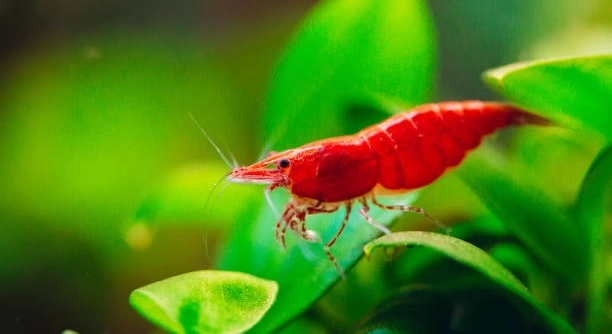
Cherry shrimp are small, vibrant freshwater creatures often kept in home aquariums. They add color and life to tanks while requiring careful attention to water quality, temperature, and circulation for their overall health and activity.
Cherry shrimp are highly sensitive to poor water circulation. Low flow can reduce oxygen levels, increase waste accumulation, and stress the shrimp, potentially leading to weakened immunity, slower growth, and even mortality if the conditions persist over time.
Proper tank management is essential for these tiny shrimp, ensuring their environment remains safe, stable, and supportive of their natural behaviors and long-term survival.
How Poor Circulation Affects Cherry Shrimp
Poor circulation in an aquarium can have immediate and noticeable effects on cherry shrimp. When water flow is insufficient, oxygen levels drop, leaving shrimp gasping or hovering near surface areas. Waste and debris accumulate faster in stagnant zones, which can stress the shrimp and affect their health. Even slight reductions in circulation can slow metabolism and movement, making shrimp less active and more vulnerable to disease. Over time, the water chemistry may also shift, leading to ammonia or nitrate spikes, which further harms delicate shrimp. Observing their behavior is key; lethargic shrimp, pale coloration, or hiding more than usual often signals that circulation and water quality need attention. Adjusting filters, adding gentle water movement, or rearranging tank decorations can improve flow and oxygenation. Consistent maintenance, such as partial water changes and debris removal, also helps maintain stable conditions. Healthy shrimp require steady circulation to thrive and reproduce successfully, making it an essential aspect of tank care.
Even small improvements in water flow can dramatically increase shrimp activity and overall well-being, preventing health complications.
A well-maintained tank with proper circulation supports natural shrimp behaviors like grazing, molting, and breeding. Ensuring water moves evenly throughout prevents dead zones where waste accumulates, which can lead to toxic conditions. Decorations, plants, and rocks should be arranged to allow water to flow freely, giving shrimp access to clean, oxygenated areas. Using a sponge filter or low-flow pump can maintain gentle currents without stressing these tiny creatures. Monitoring water parameters regularly and responding to early signs of poor circulation helps avoid long-term health issues. By paying attention to tank layout, filtration, and water changes, hobbyists can create an environment where cherry shrimp remain active, healthy, and colorful. This careful management supports natural behaviors, reduces stress, and increases the likelihood of successful breeding, ensuring shrimp thrive in a stable and well-oxygenated habitat.
Signs Your Tank Needs Better Circulation
Shrimp may hide, remain motionless, or stay near the water surface when circulation is low, showing stress clearly.
Watching shrimp movement and observing plant debris or algae buildup can indicate stagnant areas. Adjusting filters, adding air stones, or slightly repositioning decorations can improve flow. Consistent circulation prevents oxygen depletion and keeps water chemistry balanced. Regular maintenance ensures shrimp remain active and healthy.
Improving Tank Circulation
Adding a small filter or repositioning the current one can help water move more evenly. Even gentle currents are enough to reduce stagnant areas and support shrimp health, encouraging activity and proper feeding behavior.
A sponge filter is often ideal for cherry shrimp tanks. It provides gentle water movement without creating strong currents that stress these delicate creatures. Placing the filter outlet in a position that circulates water across the tank helps reduce dead zones. Rearranging plants and decorations can also guide water flow to areas where debris tends to accumulate. This ensures oxygen-rich water reaches all shrimp, supporting molting and grazing habits. Regular monitoring of water movement helps maintain consistent conditions.
Air stones can supplement circulation by creating bubbles that rise and move water. This gentle motion increases oxygen levels and reduces localized waste buildup. Combining a sponge filter with an air stone ensures more even distribution of water movement, preventing low-oxygen zones and supporting overall shrimp health. Observing shrimp behavior while adjusting these tools allows precise control over flow, ensuring the tank stays stable, clean, and suitable for long-term shrimp activity and breeding.
Monitoring Circulation Effectively
Regular observation of shrimp behavior and tank conditions is key to maintaining proper flow. Look for slow movement or clustering, which may indicate stagnant areas.
Testing water parameters like oxygen, ammonia, and nitrates helps identify circulation issues early. Keeping a log of observations and adjustments ensures changes are effective. Small adjustments, such as repositioning equipment or trimming dense plants, improve flow without stressing shrimp. Consistent monitoring prevents health problems before they arise, maintaining a stable and active environment for the shrimp to thrive.
Choosing the Right Equipment
Filters designed for small tanks work best for cherry shrimp. They create gentle currents that keep water clean without stressing the shrimp.
Air pumps can be added to increase oxygen levels. Even low-flow pumps help maintain steady water movement throughout the tank.
Adjusting Decorations and Plants
Dense plants and decorations can block water flow, creating stagnant spots. Rearranging them allows water to circulate evenly and ensures shrimp have access to oxygen-rich areas. Smooth rocks and open spaces help maintain gentle currents, supporting natural behavior and reducing stress in the tank.
Consistent Maintenance
Regular water changes prevent waste buildup and improve overall circulation. Maintaining clean surfaces and removing debris ensures water flows freely, keeping shrimp healthy and active.
FAQ
Can cherry shrimp survive in low circulation for a short period?
Yes, cherry shrimp can survive short periods of low circulation, but it is not ideal. Temporary stagnation may not immediately harm them, but prolonged low oxygen levels and waste buildup can stress shrimp, reduce activity, and make them more susceptible to disease. It’s best to restore proper circulation as soon as possible to maintain long-term health and normal behavior.
What are the signs that circulation is too low?
Shrimp staying near the surface, hiding excessively, or moving slowly can indicate low circulation. Uneven plant growth, algae accumulation, or visible debris in certain areas may also signal stagnant water. Observing shrimp regularly helps detect these signs early, allowing for quick adjustments to filters or tank layout.
Can too much circulation harm cherry shrimp?
Yes, strong currents can stress cherry shrimp. They prefer gentle water flow because high-speed currents make it difficult for them to feed or move normally. Using sponge filters or adjusting pump speed ensures water moves steadily without creating turbulence, keeping shrimp comfortable and active.
How often should I check water circulation?
Daily observation is recommended. Watching shrimp behavior, noticing debris patterns, and ensuring filters are functioning properly helps maintain even circulation. Weekly checks of oxygen levels and water flow provide additional assurance that the environment remains suitable for healthy shrimp.
Will rearranging plants improve circulation?
Yes, rearranging plants can create better water movement. Avoid densely packed areas that block flow. Open spaces and taller plants near the filter output help guide water evenly, preventing stagnant zones and ensuring all shrimp have access to oxygen-rich water for grazing and molting.
Are air stones necessary for small shrimp tanks?
Air stones are not always required but can help increase oxygen levels in tanks with low circulation. They create gentle water movement and bubbles that improve aeration. Combining an air stone with a sponge filter ensures a consistent environment, reducing the risk of low-oxygen zones.
How does poor circulation affect breeding?
Poor circulation can reduce shrimp breeding activity. Low oxygen and stagnant water stress shrimp, affecting molting and mating behaviors. Maintaining gentle flow supports egg development, proper feeding, and successful hatching, making circulation a key factor in reproductive health.
Can I rely solely on manual water changes to improve circulation?
Manual water changes help but do not replace proper filtration and flow. They temporarily reduce waste and refresh oxygen, but without consistent water movement, stagnant zones can persist. Combining regular water changes with functional filters and well-positioned decorations ensures optimal circulation.
What is the best filter type for cherry shrimp?
Sponge filters are ideal because they provide gentle, even water movement without sucking in tiny shrimp. They also offer a surface for beneficial bacteria to grow, helping maintain water quality. Adjusting the filter output can prevent strong currents that may stress the shrimp.
How can I test if circulation is sufficient?
Observe shrimp activity and check for areas where debris settles. You can also measure dissolved oxygen levels using test kits. Even minor adjustments to filter placement, pump speed, or decoration layout can improve circulation and create a healthier environment for the shrimp.
Can low circulation affect water temperature?
Yes, stagnant water can create temperature variations, especially in larger tanks or those with uneven lighting. Poor flow may lead to localized hot or cold spots, which stress shrimp. Maintaining steady circulation ensures uniform temperature distribution throughout the tank.
Do live plants help improve circulation?
Live plants indirectly support circulation by guiding water flow and reducing dead zones. Fast-growing plants may require trimming to prevent blockage. Strategic placement ensures water moves freely around all areas, providing oxygen-rich zones and preventing waste accumulation.
How long can cherry shrimp tolerate low oxygen levels?
Tolerance varies, but prolonged low oxygen is harmful. Stress signs appear within hours in poorly circulated tanks, and survival decreases if oxygen remains low for days. Continuous monitoring and adjustments are crucial to avoid long-term health issues and maintain normal behavior.
Can adding more shrimp affect circulation?
Increasing shrimp density may require better circulation. More shrimp produce more waste, and without sufficient water flow, toxins accumulate faster. Adjusting filter output, adding a small air stone, or rearranging decorations helps maintain even oxygen distribution and water quality.
What is the simplest way to maintain proper circulation daily?
Check that filters are running, remove debris, and observe shrimp behavior. Minor adjustments to equipment or decorations can prevent stagnation. Keeping a consistent routine ensures steady flow, clean water, and healthy shrimp, supporting activity, feeding, and natural behaviors over time.
This FAQ section addresses common concerns and provides practical tips for ensuring cherry shrimp remain healthy, active, and thriving in properly circulated tanks. Monitoring, gentle equipment, and thoughtful tank setup are key to long-term success.
Final Thoughts
Maintaining proper circulation in a cherry shrimp tank is essential for their health and well-being. These small freshwater shrimp are delicate creatures that rely on a steady flow of water to receive enough oxygen and to prevent waste from accumulating in certain areas. Poor circulation can cause a number of issues, from stress to slowed growth, and it can even lead to mortality if left unaddressed. By paying attention to water movement and ensuring the tank remains evenly circulated, shrimp can maintain normal behaviors such as grazing, molting, and mating. Consistency is key, as sudden changes in water flow or stagnant zones can have negative effects even in otherwise healthy tanks. Using appropriate equipment, arranging plants and decorations thoughtfully, and keeping up with regular maintenance are all practical steps to support proper circulation.
Filters, air pumps, and tank layout play a significant role in creating an environment that supports active and healthy shrimp. Sponge filters are particularly effective because they provide gentle water flow without creating strong currents that might stress the shrimp. Air stones can be added to increase oxygen levels and improve water movement in areas where circulation is weaker. Rearranging plants and decorations can also help guide water throughout the tank and prevent dead zones. Keeping a balance between adequate flow and avoiding turbulence is important because too much current can make it difficult for shrimp to feed, move, or reproduce. Observing shrimp behavior regularly allows for small adjustments to ensure the tank environment remains optimal. Monitoring activity, coloration, and feeding habits provides insight into whether circulation improvements are needed.
Consistent maintenance and monitoring are the foundation of a thriving shrimp tank. Regular water changes help reduce waste buildup, while equipment checks ensure filters and pumps are functioning properly. Observing water parameters such as oxygen, ammonia, and nitrate levels provides information on how well the tank is circulating. Small adjustments, whether repositioning a filter, trimming plants, or adding gentle flow devices, can have a significant impact on water quality and shrimp health. Proper circulation not only improves survival rates but also encourages natural behaviors, reduces stress, and supports breeding. By dedicating time to maintaining steady water movement and a balanced environment, hobbyists can ensure their cherry shrimp remain active, healthy, and vibrant for the long term.

Hello,
If you enjoy the content that we create, please consider saying a "Thank You!" by leaving a tip.
Every little bit helps us continue crafting quality advice that supports the health, happiness, and well-being of pets around the world, for pets of all shapes, sizes, and species.
We really appreciate the kindness and support that you show us!