
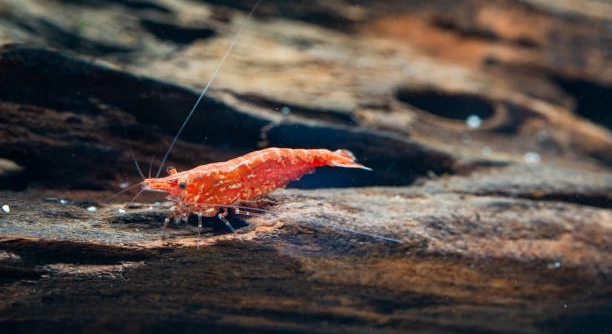
Are your shrimp tank inhabitants looking less lively than usual, or has maintenance become a constant task you dread? Even the most dedicated hobbyists can overlook the subtle signs that their aquatic environment needs a pause.
A shrimp tank may require a break when water parameters become unstable, algae growth increases, or shrimp behavior indicates stress. Regular observation and timely intervention help maintain optimal health, prevent population decline, and ensure a balanced ecosystem.
Recognizing these warning signs early can save your shrimp from unnecessary stress and maintain the beauty of your tank for the long term.
Sudden Drop in Water Quality
A sudden decline in water quality is one of the clearest indicators that your shrimp tank needs a break. Parameters such as ammonia, nitrite, and nitrate levels can shift quickly, even if you perform regular maintenance. Overfeeding, decaying plants, or leftover food can accelerate these changes, causing the water to become cloudy or smelly. Shrimp are highly sensitive to fluctuations, and exposure to poor water conditions can lead to stress, molting issues, or even death. Monitoring water conditions daily and performing partial water changes can help prevent these problems, but persistent instability is a sign that the tank itself may need a period of reduced activity. By reducing stressors and giving the tank time to stabilize, you can maintain a safer environment for your shrimp. Paying attention to these subtle shifts is essential for sustaining their health and avoiding long-term damage to the ecosystem.
Breaking from daily interaction allows the tank to self-regulate naturally.
A tank that experiences recurring drops in water quality benefits from a temporary pause. During this time, refrain from heavy feeding, reduce handling, and avoid adding new shrimp or plants. This pause lets beneficial bacteria recover, stabilizes chemical levels, and improves oxygen balance. By stepping back, the tank ecosystem can regain equilibrium, creating healthier conditions for shrimp when normal care resumes.
Unusual Shrimp Behavior
Shrimp exhibiting unusual behavior is an early warning that something is off in the tank. Lethargy, hiding more than usual, or failing to eat may indicate stress caused by water conditions or environmental disturbances. These changes can develop gradually, and it is easy to overlook them unless you observe your shrimp closely. Stress affects molting cycles and can compromise immune systems, making shrimp more susceptible to disease. Identifying behavioral changes early allows you to address the source before serious harm occurs, whether it’s adjusting feeding routines, checking water parameters, or inspecting tank décor for harmful edges.
Paying attention to shrimp behavior ensures long-term health and stability.
Behavioral changes often signal deeper issues that water tests alone might miss. When shrimp begin avoiding normal swimming areas or congregate in corners, it may indicate insufficient hiding spots, poor water circulation, or toxic buildup. Slow movement, abnormal coloration, or unusual molting patterns can also be signs of distress. Observing behavior alongside water quality readings gives a fuller picture of the tank’s condition. Taking a short break from routine additions or rearrangements can help shrimp recover, while gently improving water parameters and providing adequate cover reduces stress. Monitoring behavior regularly allows small problems to be corrected before they escalate, protecting both the shrimp and the delicate balance of their habitat.
Algae Overgrowth
Excessive algae can overwhelm a shrimp tank, blocking light and consuming nutrients meant for shrimp and plants. It often grows quickly when tanks are exposed to too much light or have nutrient imbalances. Immediate attention prevents long-term damage to the tank’s ecosystem.
Algae overgrowth disrupts water balance and makes it harder for shrimp to move and feed properly. Filtration may become less effective, and beneficial bacteria can be affected by sudden shifts in chemical levels. Removing excess algae manually and adjusting light exposure helps, but persistent blooms indicate the tank needs a period of rest. This break allows plants and shrimp to recover while stabilizing nutrient levels naturally.
A temporary pause reduces stress for shrimp while controlling algae growth. During this time, avoid overfeeding and limit light exposure. Adding algae-eating species or trimming affected plants can help manage regrowth. Stepping back lets the tank’s ecosystem rebalance, ensuring shrimp remain healthy and active when normal care resumes.
Uneven Molting Patterns
Shrimp that molt irregularly or incompletely are often experiencing stress from water conditions, diet, or overcrowding. Uneven molting can leave them vulnerable to injury or infection, requiring careful attention to prevent population decline.
Frequent incomplete molts may indicate calcium deficiencies, high ammonia levels, or fluctuating water parameters. Providing a balanced diet rich in essential minerals and stabilizing water chemistry is crucial. Observing shrimp during molting can help detect early issues, allowing for timely intervention and better overall health management.
Environmental factors like temperature swings, inadequate hiding spaces, or sudden changes in water chemistry can worsen molting irregularities. Shrimp need calm conditions and access to safe surfaces for shedding their old exoskeleton. Maintaining a stable environment with consistent feeding and minimal disturbances encourages proper molting cycles. Pausing heavy tank maintenance or rearrangements temporarily allows shrimp to complete molts safely, reducing stress and the risk of deformities. Regular monitoring during this period ensures the population remains healthy and balanced.
Cloudy Water
Cloudy water is a sign that the tank’s balance is off. It can result from overfeeding, excess waste, or bacterial blooms. Addressing it quickly helps prevent stress and health issues for shrimp.
Regular water changes and careful feeding reduce cloudiness. Persistent problems suggest the tank needs a temporary break to stabilize naturally.
Excessive Shrimp Mortality
A sudden increase in shrimp deaths indicates serious issues in water quality, diet, or tank environment. Immediate assessment and intervention are necessary to protect the remaining population.
Overcrowding
Too many shrimp in a small tank can create stress, reduce water quality, and increase disease risk. Maintaining proper population density supports healthier behavior, better growth, and a more stable ecosystem.
What are the main signs that my shrimp tank needs a break?
The main signs include sudden drops in water quality, cloudy water, unusual shrimp behavior, excessive algae, irregular molting patterns, and higher-than-normal shrimp mortality. Overcrowding and persistent stress in shrimp are also key indicators. When these signs appear, it usually means the ecosystem is struggling and needs time to recover. Giving the tank a temporary pause can stabilize water parameters, reduce stress, and help maintain a healthier environment for your shrimp.
How long should I give my shrimp tank a break?
The length of a break depends on the severity of the issues. Minor problems might improve in a few days, while persistent issues could require a week or more. During this period, minimize feeding, avoid adding new shrimp, and reduce tank disturbances. Partial water changes and light adjustment can help accelerate recovery, but the goal is to let the tank self-regulate. Observing shrimp behavior and water parameters daily will indicate when normal maintenance can safely resume.
Should I stop feeding my shrimp completely during the break?
Shrimp still need food, but feed sparingly to avoid overloading the tank. Excess food decomposes quickly and worsens water quality. Focus on providing small amounts that shrimp can consume within a few hours. Supplementing with calcium or mineral-rich foods can support molting and overall health. The key is moderation: feed enough to sustain shrimp without creating additional stress for the ecosystem.
Is it safe to leave the tank unattended during the break?
You can step back from frequent maintenance, but daily observation is important. Check water clarity, temperature, and shrimp activity. This ensures early detection of worsening conditions. Minor adjustments, such as partial water changes or trimming plants, may be needed. Leaving the tank completely unattended can allow small problems to grow into serious issues. The goal is a controlled pause rather than neglect.
How can I prevent these issues from happening again?
Consistent maintenance is essential. Feed appropriate amounts, monitor water parameters, and maintain proper population density. Regularly trim plants, control algae growth, and provide hiding spaces. Avoid sudden changes in temperature or water chemistry. Establishing a routine reduces stress for shrimp and minimizes the need for extended breaks. Keeping a log of water tests and shrimp behavior helps identify trends early, allowing proactive adjustments.
Can I add new shrimp or plants during the break?
It’s best to avoid adding anything new until the tank stabilizes. Introducing new shrimp or plants can disrupt the recovering ecosystem and increase stress. Wait until water parameters are stable and shrimp are behaving normally. Once the tank has regained balance, new additions can be introduced gradually, ensuring a smooth transition.
Are there any quick fixes if I notice these problems?
Quick fixes like large water changes or chemical additives can help temporarily, but they don’t address underlying issues. The most effective approach is giving the tank a controlled break, stabilizing water conditions, and supporting shrimp health through careful feeding and minimal disturbances. Quick fixes may mask problems, leading to repeated issues in the future.
How can I monitor shrimp health effectively during the break?
Observe shrimp daily for activity, color, feeding habits, and molting behavior. Keep notes on any changes to identify patterns. Water testing should include ammonia, nitrite, nitrate, pH, and temperature. A consistent routine of observation and testing ensures small problems are caught early and that the tank remains a healthy environment for shrimp throughout the recovery period.
What adjustments should I make to the lighting and filtration?
Reduce light exposure slightly to limit algae growth without affecting plants too much. Ensure filtration continues to run but avoid over-cleaning filter media. The goal is to maintain water movement and oxygenation while letting beneficial bacteria stabilize naturally. Small adjustments in lighting and filtration help the tank recover without introducing additional stress.
When is it safe to resume normal maintenance?
Normal maintenance can resume once water parameters are stable, shrimp behavior returns to normal, and any previous stress signs are gone. Gradually reintroduce regular feeding, plant trimming, and other routine tasks. Resuming care slowly ensures the tank remains balanced and shrimp stay healthy. Patience during this period is key to long-term success.
Giving your shrimp tank a break is sometimes necessary to maintain a healthy and balanced environment. Even with consistent care, tanks can experience fluctuations in water quality, sudden algae growth, or changes in shrimp behavior that indicate stress. Pausing intensive maintenance allows the ecosystem to stabilize naturally. By taking a step back, you are giving beneficial bacteria time to recover, nutrient levels a chance to balance, and shrimp an opportunity to regain normal activity. This approach is not about neglecting the tank but about managing it more thoughtfully to prevent long-term problems. A short period of reduced feeding, minimal handling, and careful observation can make a significant difference in maintaining a thriving habitat. Recognizing the early signs that your tank needs a break allows you to act proactively rather than reactively, which can prevent many common issues from escalating.
During the break, it is important to focus on observation and gentle adjustments. Check water parameters daily to ensure ammonia, nitrite, nitrate, and pH levels remain within safe ranges. Look for changes in shrimp behavior, such as lethargy, hiding, or irregular molting patterns, as these are often the first indicators that something is off. Avoid adding new shrimp, plants, or decorations, as these can disrupt the recovering ecosystem. Feeding should be minimal, providing only what the shrimp can consume within a few hours to avoid excess waste. Light exposure may also need slight adjustment to control algae growth without impacting plant health. By keeping these adjustments subtle, you allow the tank to self-regulate while minimizing stress for your shrimp. The goal is to maintain stability while creating a calm environment for the inhabitants to recover fully.
Once the tank has regained balance, it is safe to gradually return to your normal maintenance routine. Regular water changes, careful feeding, and monitoring shrimp behavior should continue, but now with the added benefit of a more stable ecosystem. Proper tank management after a break can prevent recurring problems such as cloudy water, algae overgrowth, and stress-related health issues in shrimp. Maintaining appropriate population density, providing hiding spaces, and avoiding sudden environmental changes also contribute to long-term tank health. By taking the time to pause and let your tank stabilize, you ensure that your shrimp remain active, healthy, and safe, while the aquatic environment continues to thrive. Consistent observation and thoughtful care will make future breaks less frequent and help maintain a balanced, vibrant shrimp tank.

Hello,
If you enjoy the content that we create, please consider saying a "Thank You!" by leaving a tip.
Every little bit helps us continue crafting quality advice that supports the health, happiness, and well-being of pets around the world, for pets of all shapes, sizes, and species.
We really appreciate the kindness and support that you show us!